





 Português
  Inglês
  Espanhol
  2 min de leitura


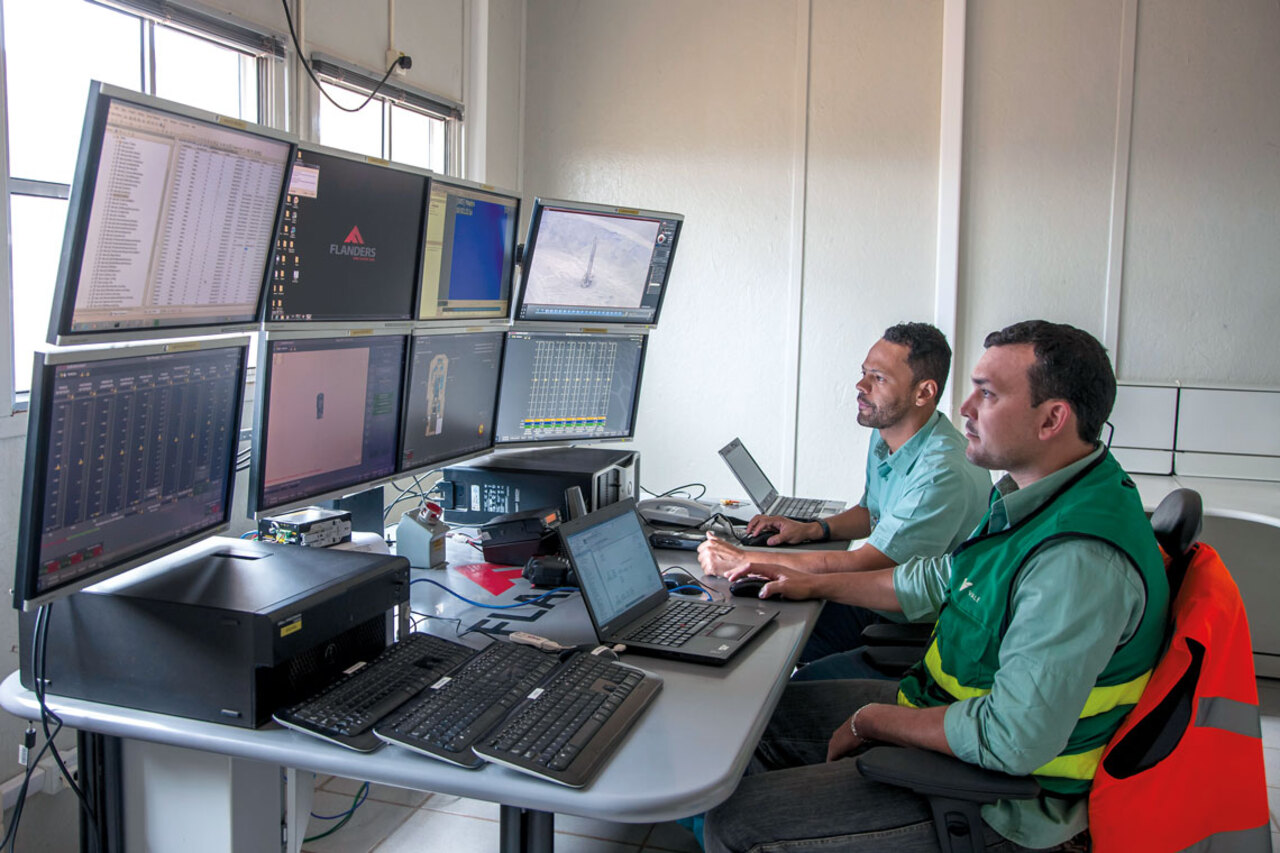
Industry 4.0 – The Innovative Market Solutions for Today’s and Tomorrow’s Mining
The global demand from the industry makes the mining market a strategic segment for several countries. Brazil, Chile, Mexico, and Peru, for example, are major producers of minerals, accounting for 85% of all exports from Latin America and the Caribbean. Since 1970, mineral extraction has grown 600%, reaching 3.97 billion tons in 2017. Investment in the segment is also substantial: $171 billion was injected between 2003 and 2017, despite a slight decline in the last five years.
See Also
Digitalization Trends in the Mining Industry
The mining market can benefit and gain competitive advantages by employing digital technologies and data analytics to optimize operations, asset performance, and reduce risks. However, for this, mining companies will need to overcome the barriers of their operations, which are often divided into individual operational silos, with ineffective integration between the mine, processing, and transportation.
By bringing together these elements of the industry and supply chain, a greater scope for market change arises, presenting an opportunity to find new efficiencies that generate results.
-
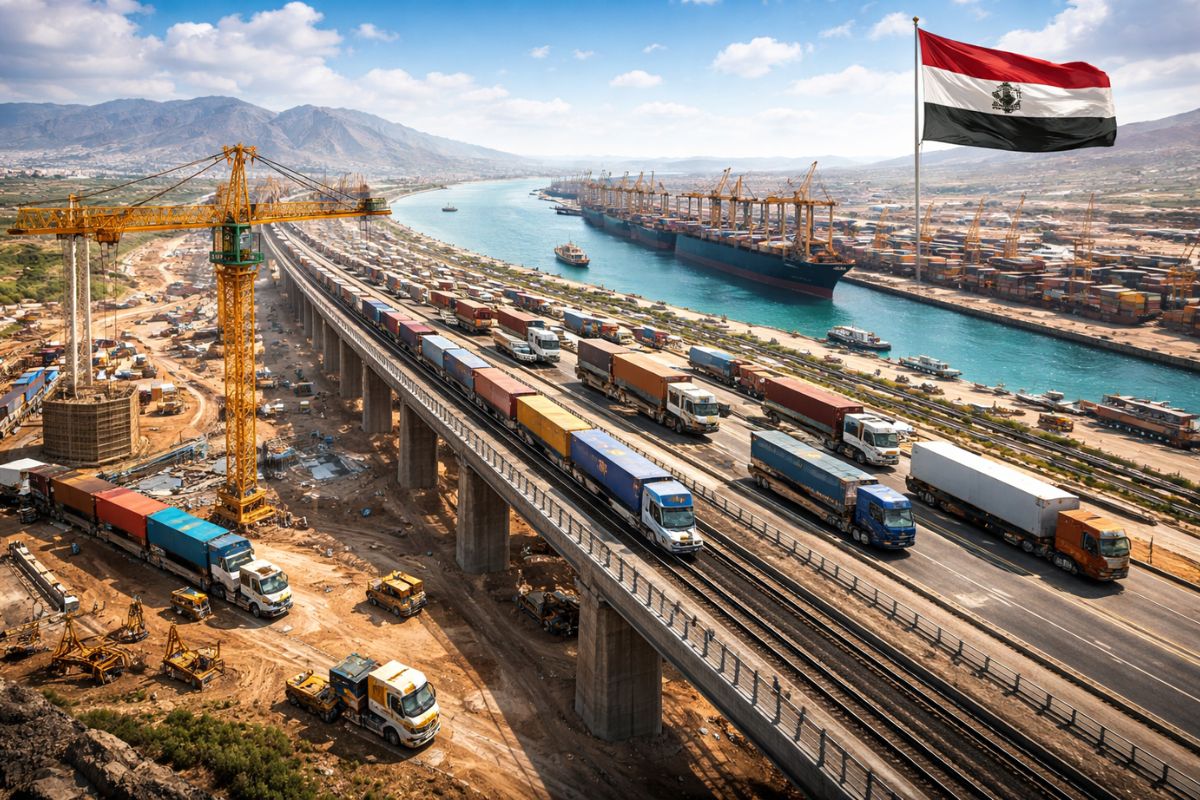
A megaproject worth R$ 89 billion is advancing in Iraq and promises to change the game in global trade by creating a new corridor between Asia and Europe, reducing traditional routes and repositioning the country as a logistics powerhouse.
-
Goodbye bedside table: floating shelves become a trend in 2026 by freeing up space in the bedroom, improving circulation, bringing visual lightness, and integrating technology without taking up floor space.

-
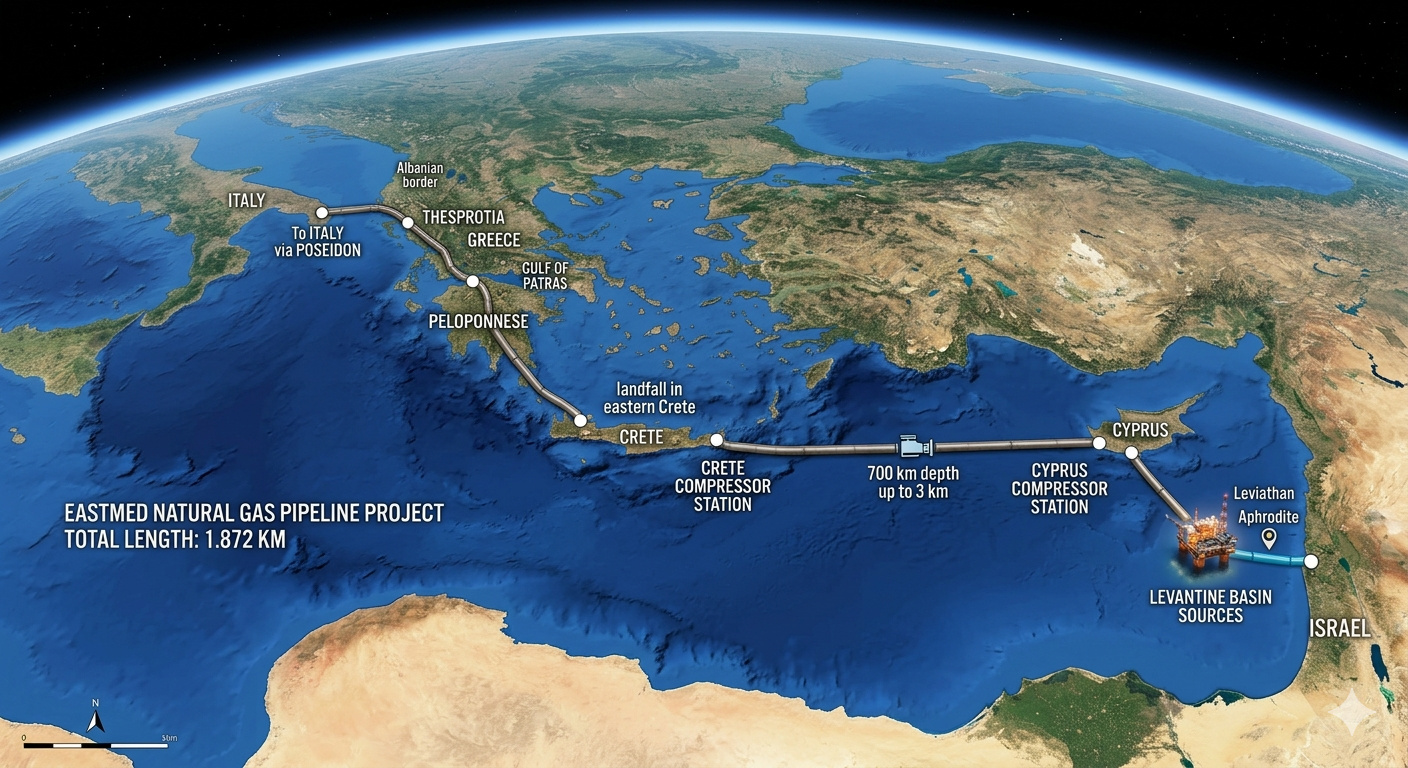
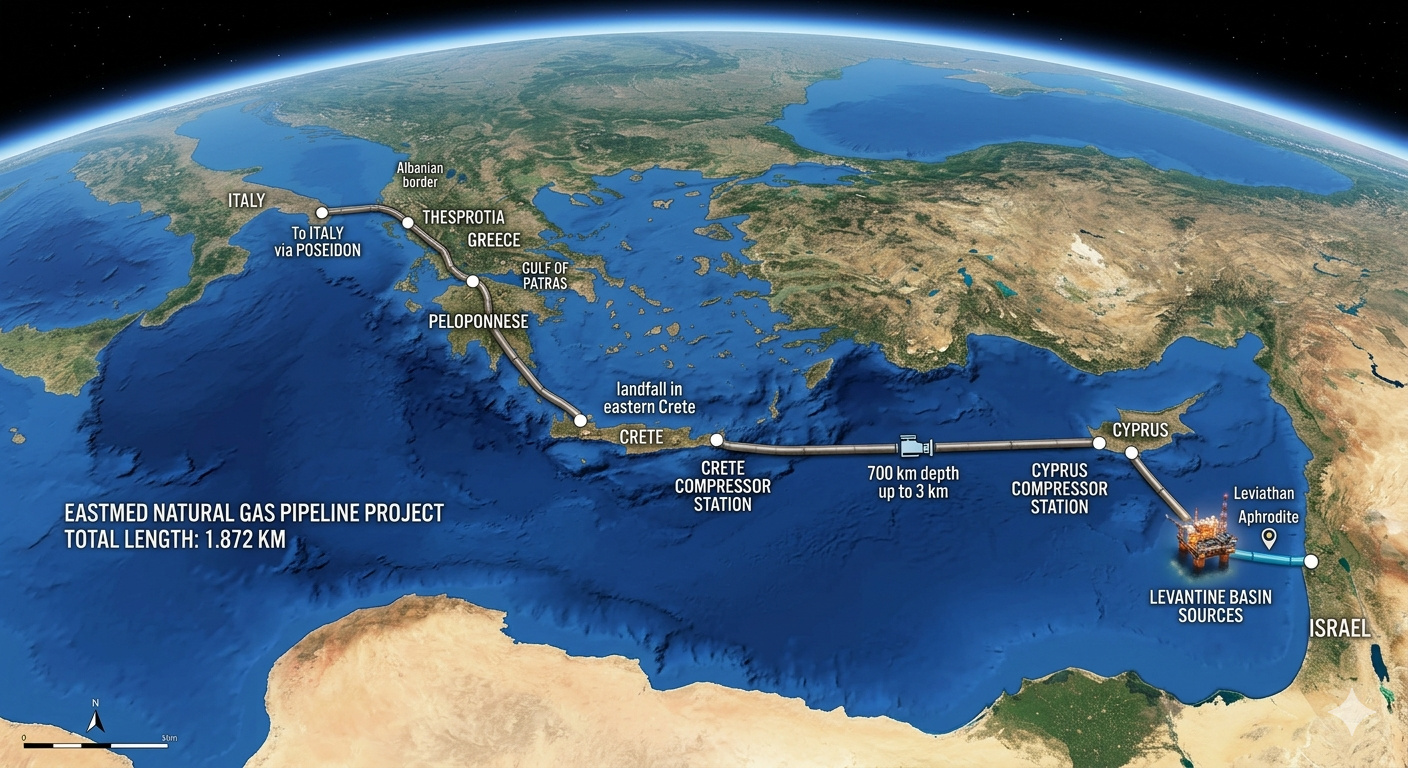
Israel, Greece, and Cyprus signed an agreement in 2020 to transport gas from the Mediterranean to Europe via a 1,872 km pipeline, but Turkey claimed sovereignty over part of the maritime route, and the project never materialized.
-
Israel, Greece, and Cyprus signed an agreement in 2020 to transport gas from the Mediterranean to Europe via a 1,872 km pipeline, but Turkey claimed sovereignty over part of the maritime route, and the project never materialized.

To overcome these barriers in the mining industry and achieve digital transformation effectively, it is essential to focus on systems, processes, and primarily on the resources and the mindset that must be implemented.
The Mining Market in Brazil
In Brazil, a large part of sand extraction and production is carried out in riverbeds, generally marketed as it is extracted. The state of São Paulo is the largest Brazilian producer, accounting for 39% of national production.
One of the main uses of sand in the construction market includes: as an aggregate for concrete, mortar, filters, abrasives, concrete artifacts and prefabricated items, concrete and asphalt pavement bases, glass production, among others.
The iron-carbon alloy (stainless steel) has resistance and durability as one of its main characteristics, attributed to the addition of chromium (11% in composition), in addition to an elegant and modern appearance. This type of steel is widely used in cladding, elevators, sinks, floors, and other urban furniture items, as it maintains its original appearance for a long time and requires no corrosion protection. Besides these advantages in mining, various iron ore deposits are mostly sufficiently rich, pure, and easy to explore, in addition to the possibility of recycling scrap.










Seja o primeiro a reagir!