





 Portuguese
  English
  Spanish
  4 min of reading


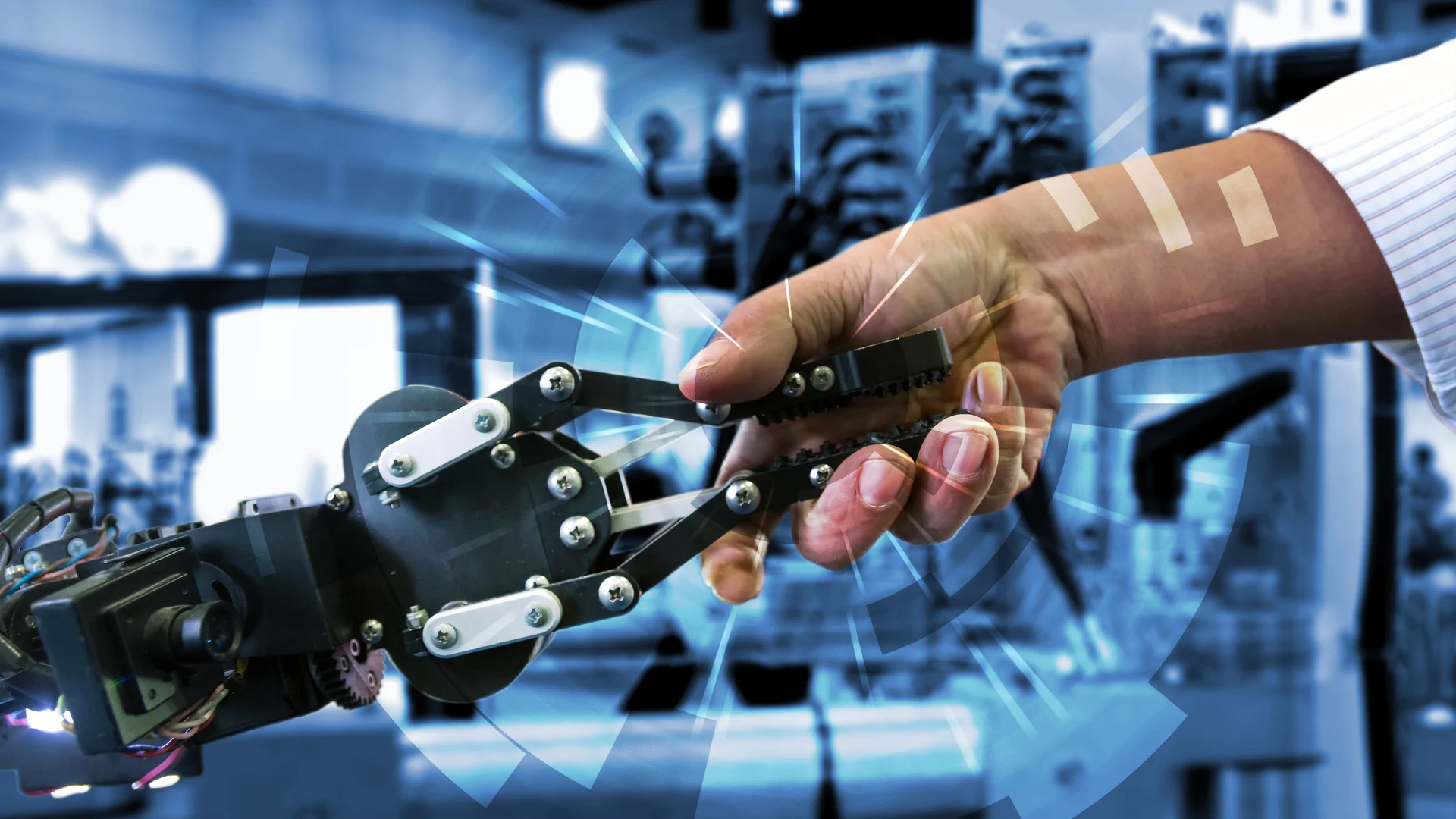
For Those Who Want to Keep Up with Global Production, Knowing Industry 5.0 Is Essential! Here You Will See Its Definition, Characteristics and Benefits. Happy Reading!
With the advancement of technology, various changes are implemented in work. To remain relevant, it is necessary to adapt and understand what the current trends are, and this applies to both professionals and companies.
Bringing many of these changes, we have the term Industry 5.0. For those who want to stand out in the job market, knowing it is essential. In this text, we will explain what Industry 5.0 is, showing its pillars and benefits. We hope you enjoy the reading and become the professional of tomorrow!
What Is Industry 5.0?
Following the concept that we go through industrial revolutions throughout history, Industry 5.0 indicates the latest of them. Its central idea is to combine the use of smart machines with the cognitive work of people.
-
While the world looks at oil, the war with Iran is already disrupting helium supply from Qatar, affecting car and iPhone chips, threatening AI expansion, and putting pressure on aluminum packaging at the highest value in four years.

-
Global warming will expose a treasure hidden under the ice of Antarctica and may spark an international dispute over gold and valuable minerals.

-
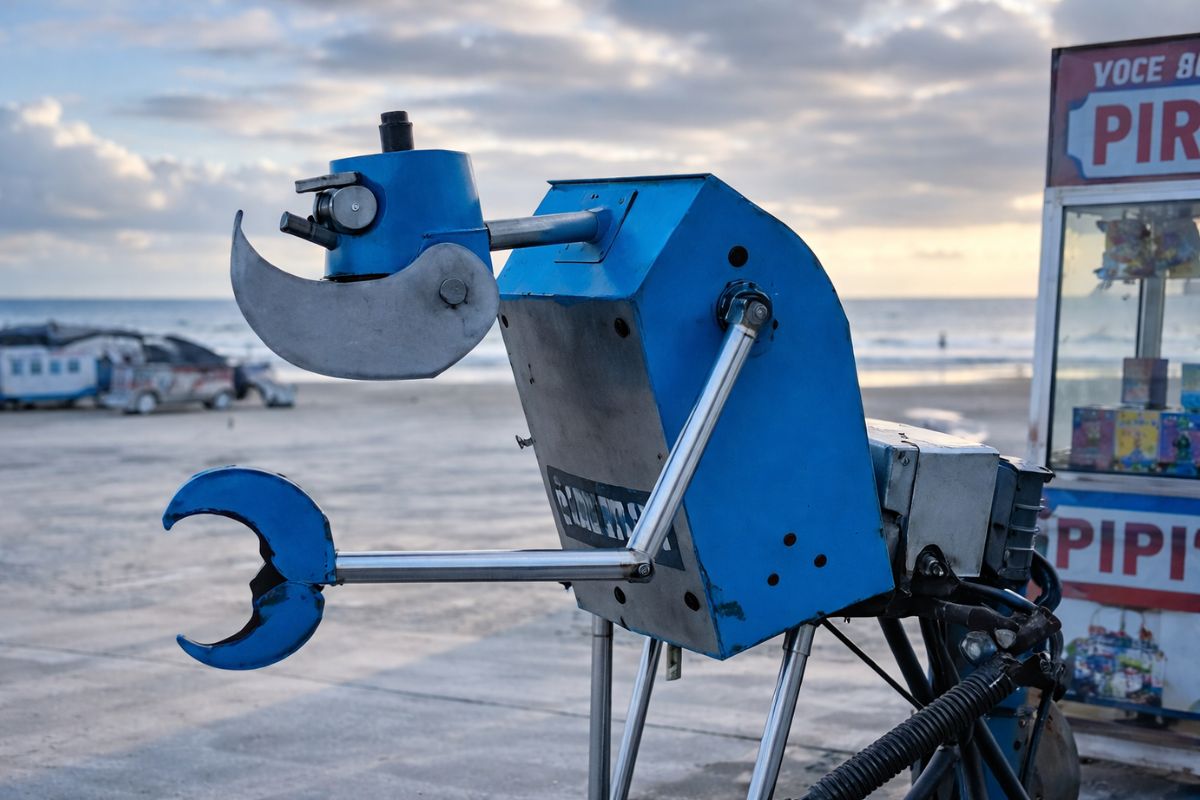
A street vendor from Praia Grande built a robot made of scrap from scooters and washing machines that pulls his popcorn cart on the beach, emits sounds, and interacts with customers, becoming an attraction on the coast of São Paulo.
-
The specifications of the Xiaomi 18 Pro Max have been leaked, and the highlight is a dual 200 MP camera with a new 22-nanometer technology that promises to consume less energy and capture details in shadows and bright areas using LOFIC HDR.


In Industry 5.0, the human touch brings creativity to complement automation. It understands the importance of using technology in business, while also re-establishing the humanization of the production chain.
What Are the Pillars of Industry 5.0?
In this idea of developing production through a joint effort of machines and humans, Industry 5.0 relies on three central points. These are what illuminate the evolution expected in companies and workers. Discover now three basic pillars:
- Sustainability
Following a trend in global production, Industry 5.0 bets on sustainable development. The idea is that the market can achieve progress without harming the environment.
Thus, machines should not optimize production at all costs. It is necessary to understand the limits of industry regarding the protection of the planet, seeking an ethical consumption of natural resources.
- Innovation
Innovation comes in two forms: with people and with technologies. Regarding professionals, Industry 5.0 invests in human reasoning and creativity to create more personalized products.
As for machines, it is expected that we can count on increasingly advanced technological resources. By combining these two fronts, we will have more complete and innovative solutions.
- Integration
As you can see, the current demand is for an environment that unites skilled professionals with cutting-edge technologies. The idea is to establish job positions that blend the objectivity of machines with human expertise.
Despite having advanced in terms of artificial intelligence, the cognitive capacity of humans is fundamental. Integrated with machines, it is professionals who make decisions, personalize, and humanize the industry.
What Were the Other Industrial Revolutions?
If we are reaching Industry 5.0, it can be imagined that we had four previous formats. And that is true! With each moment in which production was revolutionized, we have a new numbering.
To analyze each of these revolutions, it is necessary to keep in mind that they all featured innovations that were monumental for their times. Here’s a bit about each:
- Industry 1.0
Industry 1.0 emerged through steam power and the use of mechanical energy, with the first machines. Although it may seem little today, this machinery could, depending on the case, increase productivity by 8 times.
Steam power also transformed transportation, eventually leading to the steamship and steam locomotive. In addition to increasing production, Industry 1.0 also revolutionized its distribution.
- Industry 2.0
In the 19th century, Industry 2.0 emerged with the discovery of electricity and assembly line production. With the distribution of electrical energy, it became increasingly easier to increase productivity with new machines.
Highlight of Fordism, assembly line production also changed the industry significantly. With each employee performing a specific function, processes became faster.
- Industry 3.0
Already much more current, Industry 3.0 is characterized by the invention of the computer. Although they were more primitive, limited, and enormous machines, these devices opened new possibilities for work.
With its implementation, the processing of machines began to surpass Fordism. This was the beginning of task automation, bringing the replacement of humans with machines.
- Industry 4.0
Finally, we have Industry 4.0, which is still prevalent in most spaces. With the evolution of computing, this new phase has its main focus on automation, in creating machines that perform work without human intervention.
Together with automation, we have the development of the internet, which improved production and brought new possibilities. The use of data and artificial intelligence also has a significant influence here.
What Are the Benefits of Industry 5.0?
Obviously, each new industrial revolution that arises aims to improve our work relationships. Technological innovations have enhanced production, bringing the possible advantages for each historical moment.
In Industry 5.0, new benefits have been implemented for work and society. Discover 3 of the main ones:
- Personalization
In the current moment, it is not enough to automate processes; it is necessary to bring personalized solutions to the consumer. In Industry 5.0, this point is fully addressed with the return of the human touch to the production chain.
Essentially, this is the moment to combine market demand with personalization and large-scale production.
- Cost Optimization
With the union of workers and technology, surpassing the maximum automation idea of the 4th industrial revolution, costs tend to decrease. It is important to understand that “robots” will not take our jobs but rather transform how they are performed.
By bringing these two forces together, we have the potential for processes that are more cost-effective. Services in remote work, for example, reduce transportation as well as time.
- Environmental Protection
Finally, we have environmental protection, which is a major concern for companies and for the professional of tomorrow. New technologies, even before their creation, need to be planned with sustainability in mind.







Seja o primeiro a reagir!