





 Portuguese
  English
  Spanish
  5 min of reading


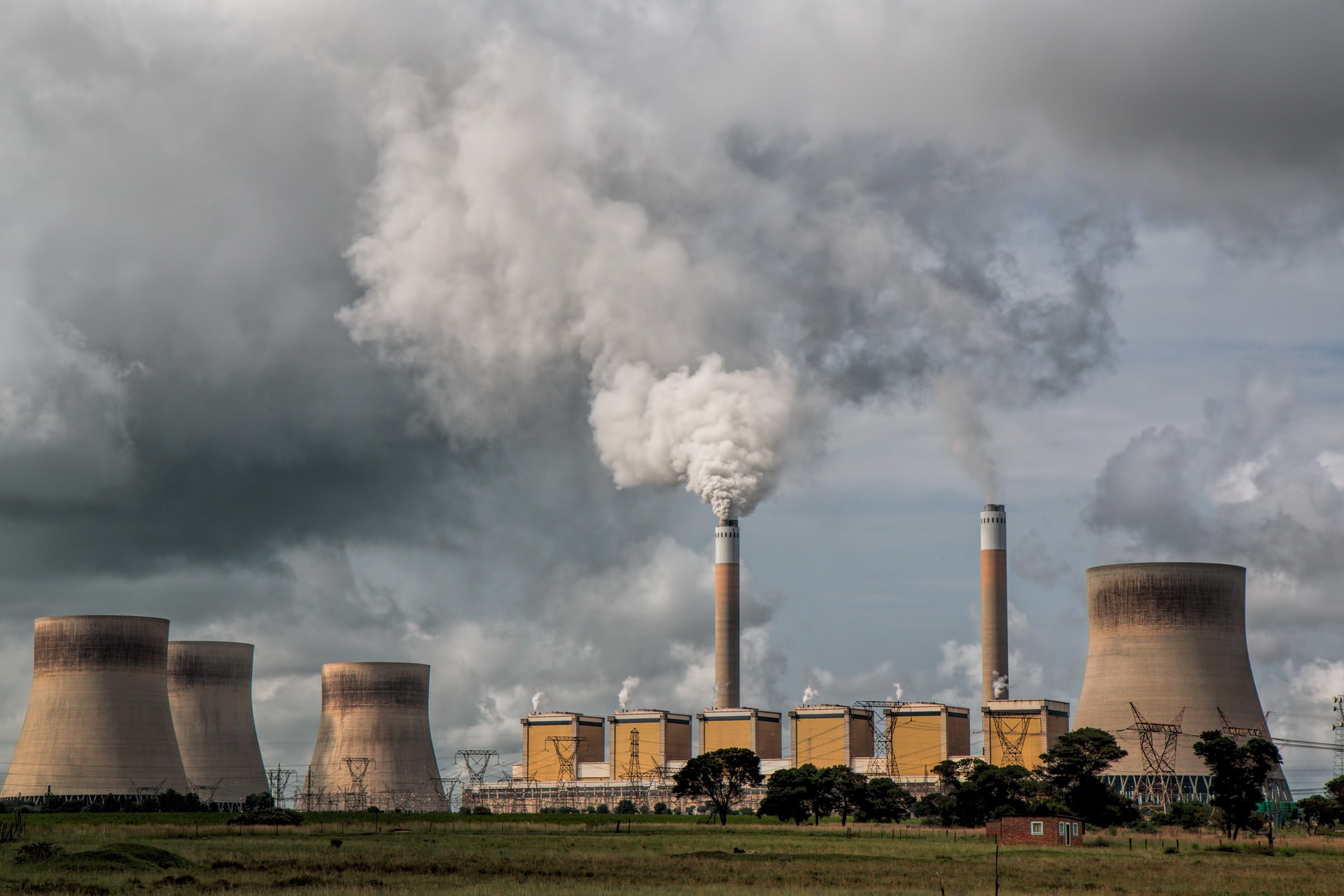
CNI Document for COP27 Brings Proposals for Implementation of Global Carbon Market, Climate Financing Mobilization, and Agenda for Brazilian Industry Adaptation to Climate Change.
A National Confederation of Industry (CNI) prepared investment proposals for the environment for the Brazilian government to present at the Conference of the Parties on Climate Change (COP27), which takes place from November 6 to 18 in Sharm El Sheikh, Egypt. The document gathers the main actions that the industrial sector considers necessary for the continuation of the climate agenda development and the most relevant measures for the country in the negotiation process, focusing on the carbon market through private companies’ applications.
The recommendations prioritize three themes: establishment and operationalization of the global carbon market, mobilization of resources to ensure climate financing, and advancement of the climate change adaptation agenda. They are included in the document Industry Vision for COP27, developed through dialogue and collaboration with the Working Group (WG) on Article 6 and validated by the Brazilian Industry Climate Network, composed of more than 70 institutions, including industry federations, sector associations, and companies.
Check the full document “Industry Vision for COP27”
-
While the world looks at oil, the war with Iran is already disrupting helium supply from Qatar, affecting car and iPhone chips, threatening AI expansion, and putting pressure on aluminum packaging at the highest value in four years.

-
Global warming will expose a treasure hidden under the ice of Antarctica and may spark an international dispute over gold and valuable minerals.

-
A street vendor from Praia Grande built a robot made of scrap from scooters and washing machines that pulls his popcorn cart on the beach, emits sounds, and interacts with customers, becoming an attraction on the coast of São Paulo.

-
The specifications of the Xiaomi 18 Pro Max have been leaked, and the highlight is a dual 200 MP camera with a new 22-nanometer technology that promises to consume less energy and capture details in shadows and bright areas using LOFIC HDR.


“The global expectation is that COP27 will be marked by negotiations aiming at implementing the commitments made at COP26 in Glasgow. An increase in the ambitions of countries’ targets is also expected, as the commitments presented by COP26 were found to be insufficient to limit global warming to 1.5° C,” says CNI president, Robson Braga de Andrade.
“For Brazil, it is urgent to define a national strategy for the better utilization of the new global carbon market mechanism. And as crucial as the negotiations that will take place in Sharm El Sheikh will be the country’s ability to organize internally to define a plan for implementing Brazilian targets and defining an institutional arrangement that enables this new mechanism. We also need to advance negotiations on climate financing, seeking to implement the commitments already made, and resume the development of the National Adaptation Plan,” he emphasizes.
The Global Carbon Market Is Expected to Grow in the Coming Years, Not Only in Brazil
During COP27, negotiations will seek to define rules and procedures that enable the operationalization of the global carbon market, a mechanism provided for in Article 6 of the Paris Agreement. The CNI recommends that the Brazilian government define an implementation plan for the Nationally Determined Contribution (NDC), developed with the participation of all productive sectors, and establish a robust institutional arrangement for the implementation of Article 6, through a collegiate body that coordinates the different federal government agencies involved.
The industry also makes specific recommendations regarding Article 6.4, which will allow the private sector to invest in emission reduction projects of greenhouse gases (GHG) and generate credits that can be traded in the future global carbon market or offset emission reduction targets set through the NDC. There is special concern that this issue be regulated by law, to confer legal security and legitimacy to the entire process, in addition to defining criteria for making corresponding adjustments.
Furthermore, the industry advocates for a just and secure transition of the projects and methodologies that were in effect under the Clean Development Mechanism (CDM), an instrument in force since the Kyoto Protocol that will be replaced by the new mechanism, the Sustainable Development Mechanism (SDM).
The CNI also proposes the definition of a national strategy for the use and implementation of activities under Article 6.2, which allows countries to trade emission reductions or removals with each other. Thus, the results of mitigation of emissions occurring in one country can be transferred to another, which can then account for these results in its national target.
New Collective Industry Target Foresees Private Financing and Effective Adaptation Agenda
Regarding climate financing, the industry calls for greater effort from the COP presidency to ensure the financial commitment of developed countries to support developing countries in climate-related actions. At theCOP26, this goal was not reached, and the Parties decided that before 2025, the Conference will establish a new collective target of at least US$ 100 billion considering the needs and priorities of these more vulnerable countries.
On the adaptation agenda, the CNI recommends that it be addressed equitably with the mitigation agenda. In Egypt, the country should monitor the deepening of discussions on the global adaptation target, respecting the realities of each country. And at the national level, the Confederation advocates for the development of the National Adaptation Plan to support this process and define the best coping strategies for the country, in addition to the needs for climate financing.
“It is important for Brazil to actively participate in the discussions to ensure that the working group designated to deepen the global adaptation target establishes transparent and concrete measures to increase and provide financing for mitigation and adaptation actions,” highlights CNI’s Executive Manager of Environment and Sustainability, Davi Bomtempo.
What Are the Brazilian Industry Goals for the Climate Conference?
- Definition of an implementation plan for the Nationally Determined Contribution (NDC) developed transparently and with the participation of all sectors;
- Definition of a robust institutional arrangement, with a collegiate structure that can coordinate among the different ministries and the sectors most involved in implementing the Brazilian NDC;
- Definition of a national strategy for the use and implementation of activities under Article 6.2, which includes the demonstration of accounting that promotes the realization of corresponding adjustment, among other issues;
- Adoption of a cap and trade system through the establishment of targets and market rules for regulated sectors according to a clear governance and transparency framework that should involve the participation of the industrial sector;
- Implementation of a national emissions registry that meets the requirements for integration with the international registry framework;
Climate Financing
- Greater efforts from Brazil to ensure transparent and concrete measures to increase funding for mitigation and adaptation;
- Increased engagement from Brazil with developed countries and the COP presidency to secure the financial commitment of developed nations through continued mobilization of political leadership;
Adaptation to Climate Change
- Additional efforts from Brazil to ensure that communication regarding adaptation needs is consistent with national reality;
- Greater engagement of the country with the COP presidency to ensure concrete measures to increase funding for adaptation for developing countries, as promised at COP26.


Source: CNI, National Confederation of Industry








Seja o primeiro a reagir!