





 Portuguese
  English
  Spanish
 4 min of reading
  0 comments


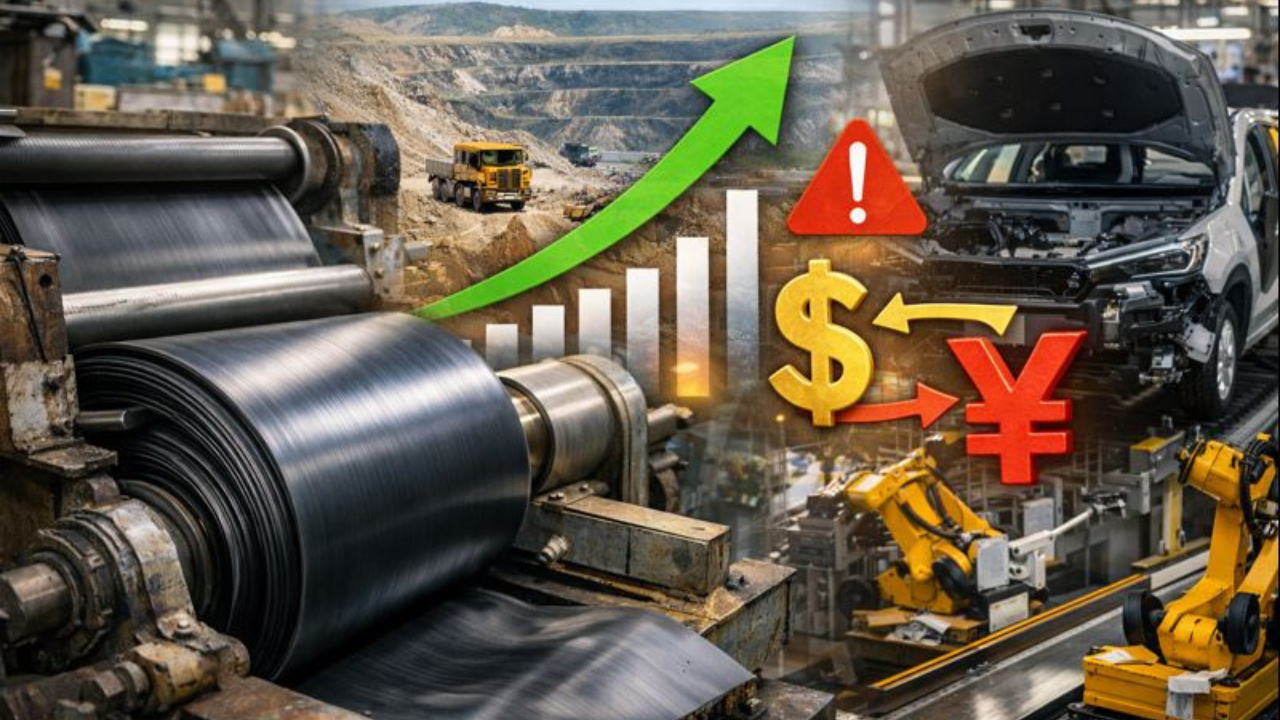
Rubber Industry Grows 2.5% in Minas Gerais in 2025, Driven by Mining and Automotive Sector, but Expects Slowdown in 2026.
The rubber industry closed 2025 with a growth of 2.5% in Minas Gerais, mainly driven by demand from mining and the automotive sector, two of the main engines of the state economy.
The positive result, disclosed by representatives of the industrial sector, reflects the good performance of these segments throughout the year.
However, for 2026, the scenario is one of greater caution, with an expected growth between 1% and 1.5%, due to high-interest rates, political uncertainties, and external factors affecting the production chain in the state.
-
Historic bankruptcy of Centauro shocks the market, and the century-old company puts more than 500,000 products, machines, and complete infrastructure up for online auction.

-
New shoe factory in Ceará is expected to create 400 jobs and strengthen the local economy.

-
No one imagined it, but a mixture of sawdust with a mineral that fights fires surprises scientists with a result that changes the course of fire-resistant construction.

-
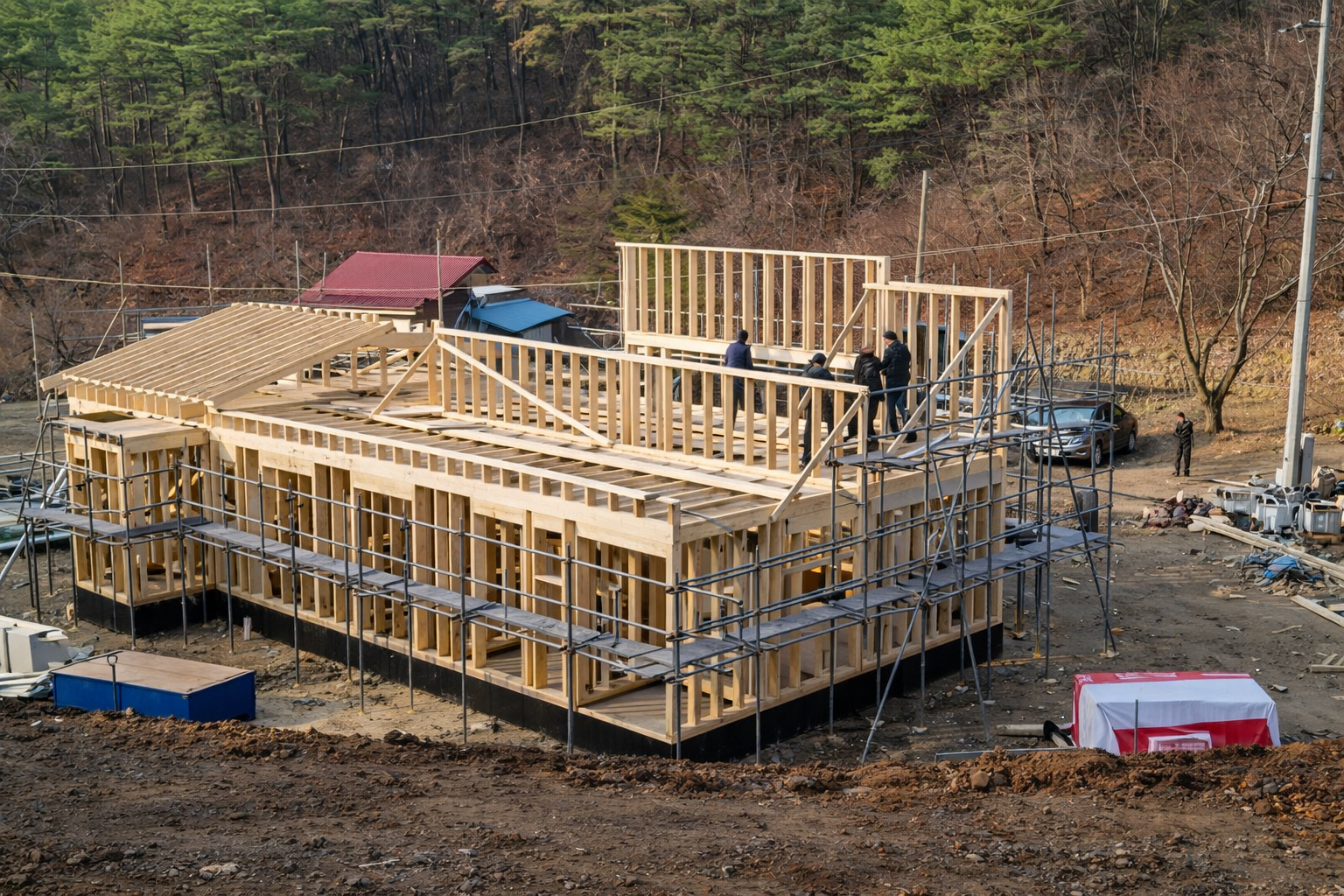
From empty land to a high-end house, wooden construction uses a lightweight system, metal structure for the foundation, ventilated ceramic cladding, and special windows to create an efficient and comfortable living space throughout the year.

The projections were detailed by the president of the Union of Industries of Rubber Products and Processing of Minas Gerais (Sinborminas), Élcio Fortunato, who assesses that the recent performance does not eliminate the structural challenges that will mark the next year.
Sector Grows with Support from Mining and Automotive Sector
The advance recorded in 2025 was sustained by a favorable environment in the main consumer markets of the rubber industry in Minas Gerais.
Mining maintained stable contracts and predictable demand, while the automotive sector remained active, ensuring a continuous flow of orders for component and product manufacturers.
According to Fortunato, this combination allowed companies in the sector to operate with greater predictability throughout the year.
Still, the leader emphasizes that the scenario is not without risks, especially when observing the behavior of the national and international economy.
High-Interest Rates and Event Calendar Increase Caution for 2026
Despite the positive performance, the evaluation for 2026 is more conservative.
According to the president of Sinborminas, the persistence of interest rates at high levels tends to affect the client chain, reducing investments and slowing orders.
Additionally, seasonal factors also come into the sector’s radar.
“This ultimately harms the production chain, and therefore we project a year of growth slightly below what was recorded in 2025,” argues the leader, citing the impacts of events such as elections, the World Cup, and the higher number of holidays on weekdays.
Minas Gerais Stands Out for Proximity to the Extractive Chain
Even amid uncertainties, the rubber industry maintains confidence in the strategic positioning of Minas Gerais.
The proximity to mining is seen as a relevant competitive advantage, as the state hosts companies capable of meeting specific demands of the extractive sector.
At the same time, the Minas automotive hub remains an important consumption vector.
Fiscal incentives and more favorable tax structures stimulate internal purchases, strengthening the local chain and reducing dependence on external suppliers.
Greater BH Leads Production, but Interior Gains Relevance
Industrial concentration remains stronger in the Metropolitan Region of Belo Horizonte, where most of the segment’s factories are located, along with the important automotive hub in Betim, one of the most significant in the country.
However, the interior of Minas Gerais also plays a growing role in the demand for rubber products.
“It is a well-dispersed market. Besides the Belo Horizonte area, we have Uberlândia, Extrema, and Governador Valadares standing out,” points out the leader, reinforcing the capillarity of the production chain in the state.
Imported Inputs Concentrate Greater Cost Risk
When it comes to raw materials, the scenario is relatively balanced for natural rubber, the main input for the sector.
However, the greater concern falls on imported inputs, such as synthetic rubber and chemical accelerators, widely used in industrial production.
“The imported raw material mostly comes from Asia and depends on the external market.
Any fluctuations in these factors can directly pressure our costs and affect the business,” adds Fortunato.
Exchange rate variations, tariffs, and geopolitical instabilities are among the main risk factors for 2026.
Imported Electric Vehicles Worry Automotive Industry
In the automotive sector, attention is focused on the accelerated growth of imported electric vehicles, which tend to use fewer traditional rubber components.
In 2025, the registrations of these types of vehicles grew 41% in Minas Gerais, exceeding 12 thousand units, a trend that raises a warning for the national industry.
In mining, the scenario remains more optimistic.
“The dynamics are more predictable, with firm contracts and more stable demand, which reduces the risk of abrupt fluctuations,” concludes the leader.
See more at: Rubber Industry Expects Slowdown in Minas Gerais









Seja o primeiro a reagir!