





 Portuguese
  English
  Spanish
 4 min of reading
  0 comments


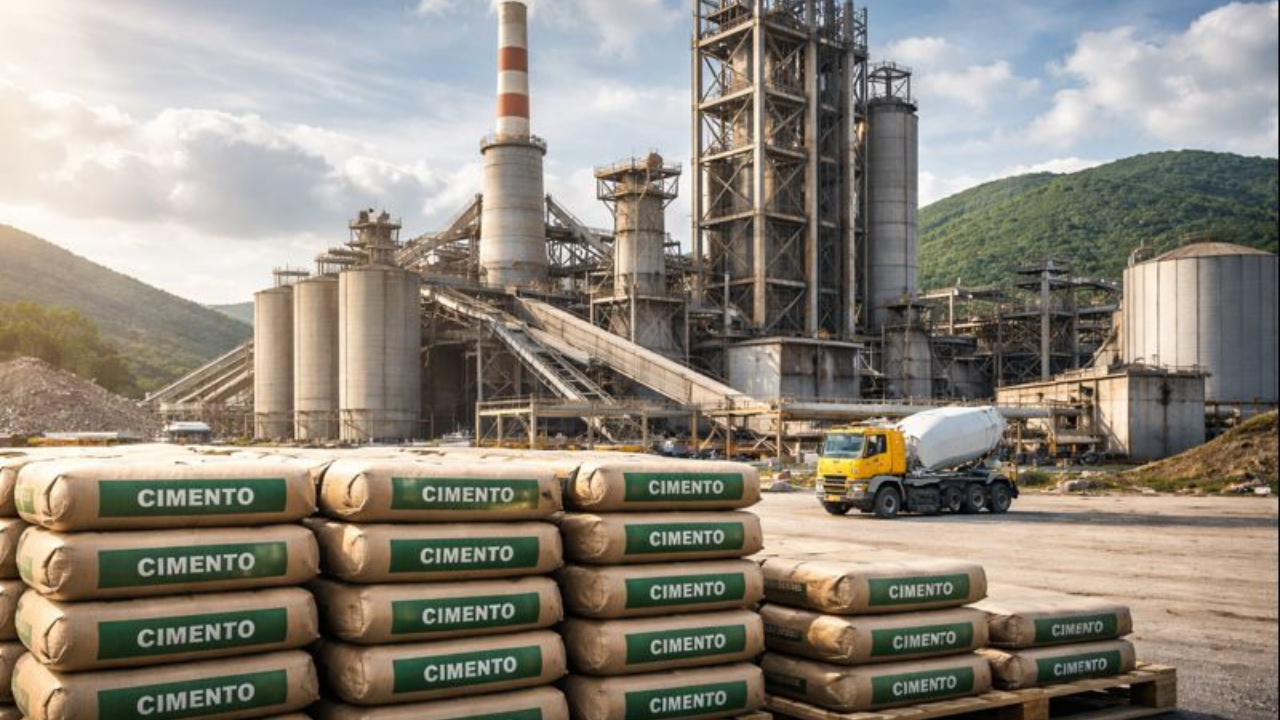
Cement Industry in Minas Gerais Grows 5% in 2025, Driven by the Labor Market, Civil Construction, and Minha Casa Minha Vida.
Despite the scenario of high interest rates, the cement industry in Minas Gerais recorded an impressive performance in 2025.
The sector produced about 20 million tons, generated approximately R$ 10 billion, and grew 5% compared to 2024.
The advancement was mainly driven by the warming of the labor market, the resumption of Minha Casa Minha Vida, and the dynamism of civil construction, solidifying the state as the largest cement producer in the country.
-
Historic bankruptcy of Centauro shocks the market, and the century-old company puts more than 500,000 products, machines, and complete infrastructure up for online auction.

-
New shoe factory in Ceará is expected to create 400 jobs and strengthen the local economy.
-
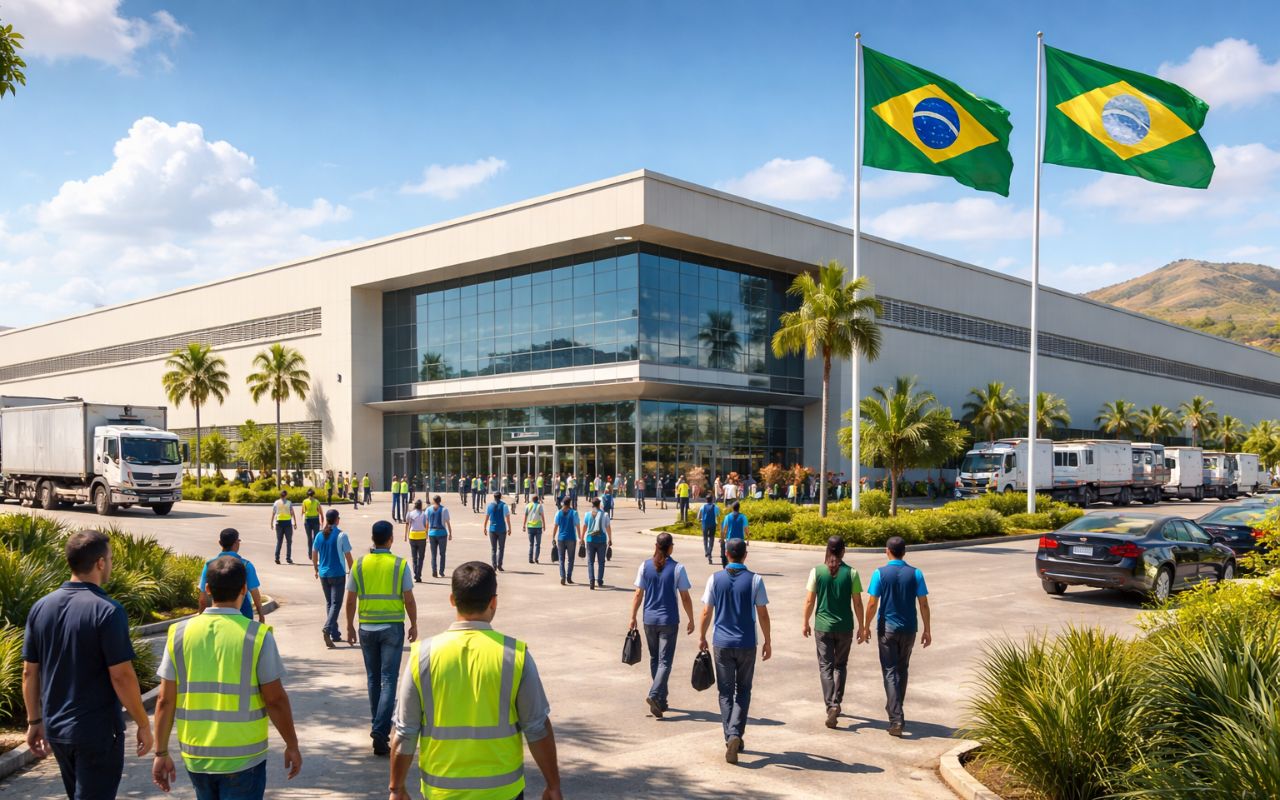
No one imagined it, but a mixture of sawdust with a mineral that fights fires surprises scientists with a result that changes the course of fire-resistant construction.
-
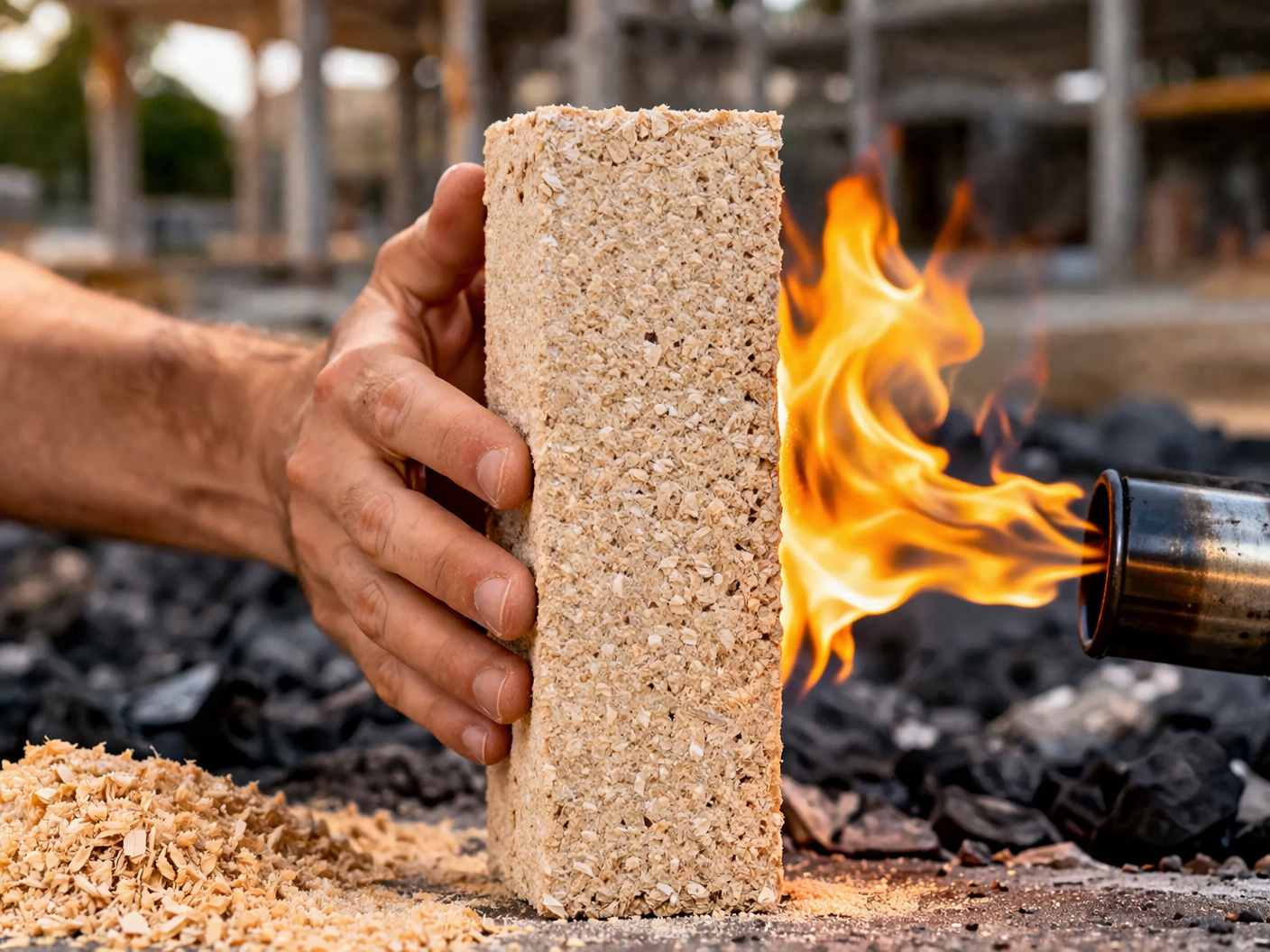
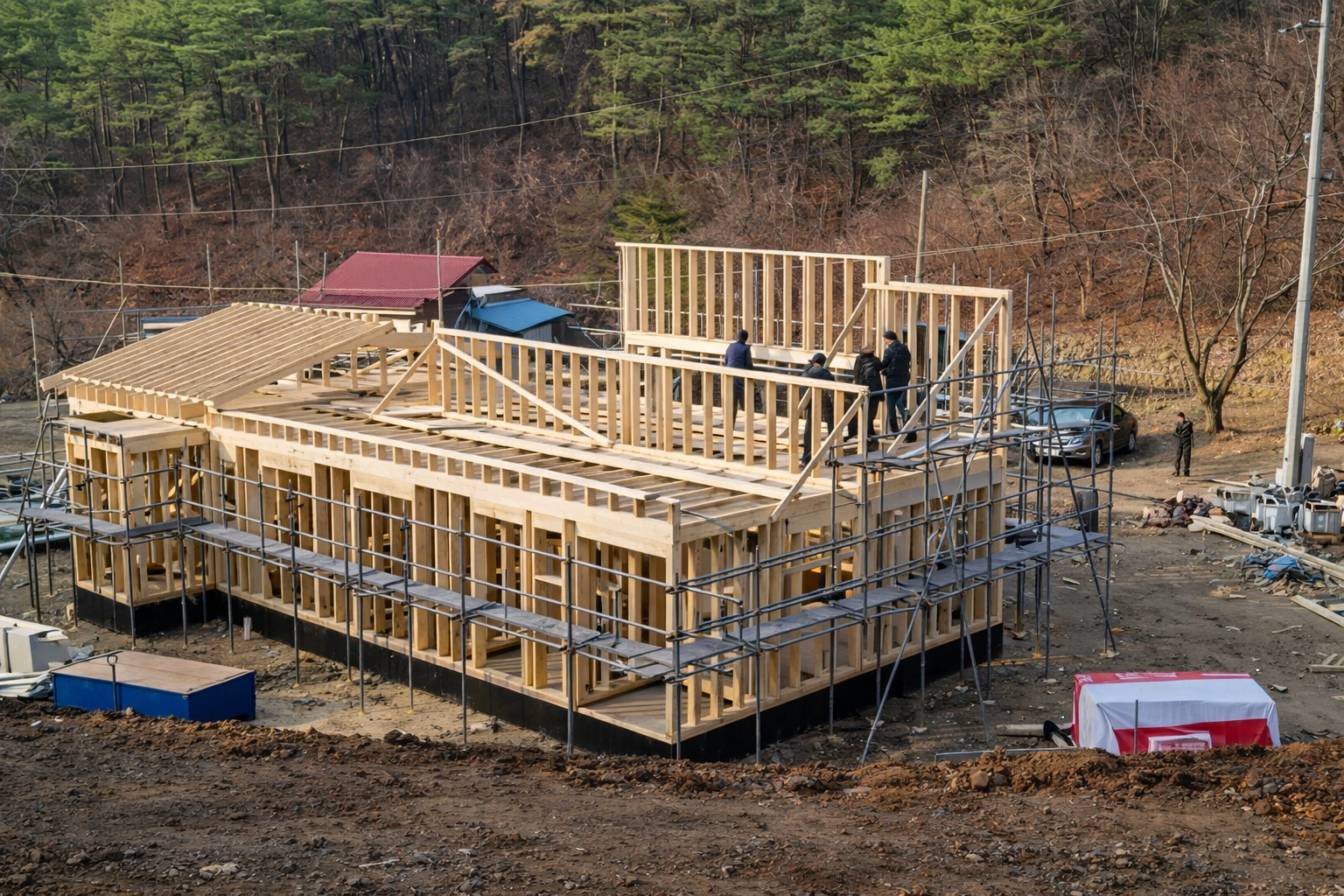
From empty land to a high-end house, wooden construction uses a lightweight system, metal structure for the foundation, ventilated ceramic cladding, and special windows to create an efficient and comfortable living space throughout the year.
The result, released by the National Union of the Cement Industry (SNIC), shows that Minas Gerais maintained national leadership even in a challenging economic environment.
In addition, the performance reinforces the importance of the sector for the entire production chain of construction, which remains one of the main engines of the Brazilian economy.
Cement Industry Strengthens Even With High Interest Rates
Even with more expensive credit, the cement industry managed to advance consistently in 2025.
According to the president of SNIC, Paulo Camillo Penna, the growth observed in Minas Gerais and Brazil is based on a strong foundation recorded in the previous year.
According to him, the good moment of the labor market, which reached the lowest historical unemployment rate, played a decisive role in increasing consumption.
Moreover, the growth of wage mass stimulated renovations, expansions, and small-scale works, which represent a significant portion of the demand for cement.
“Two-thirds of Brazilian cement is bagged for informal constructions and small renovations. It’s a significant volume that positively impacted the category,” the leader emphasizes.
Cement in Minas Gerais Drives Civil Construction
The performance of cement in Minas Gerais directly reflects the strength of civil construction in the state.
As the largest producer in the country, Minas supplies residential, commercial, and infrastructure works in different regions, strengthening the entire production chain.
Furthermore, the state growth aligns with a national trend. In 2025, cement sales in Brazil totaled 67 million tons, a 3.7% increase compared to the previous year.
All regions showed growth, with the Northeast standing out, which advanced 7.2%, followed by the North, South, Southeast, and Midwest.
Minha Casa Minha Vida Pulls Demand for Cement
One of the main drivers of growth was the resumption of Minha Casa Minha Vida.
The housing program regained strength starting in 2023 and began to have a direct impact on the demand for the cement industry.
According to sector estimates, the delivery of every 2 million housing units generates an increase of approximately 10 million tons in cement sales.
This multiplier effect reinforces the program’s relevance for civil construction and job generation.
The entity assesses that, between 2018 and 2022, Casa Verde e Amarela performed below expectations.
However, with the return of Minha Casa Minha Vida, the results have been considered exceptional, with joint efforts between government and companies to maintain the pace of hiring and deliveries.
Rigid Pavement Expands the Use of Cement in the Country
Another factor that boosted demand was the advancement of rigid pavement, a technique that uses concrete slabs on highways.
States like Paraná, Goiás, São Paulo, and the Federal District have already adopted the solution, which offers greater durability, less maintenance, and better performance for heavy traffic.
Despite this, the sector points out resistance in Minas Gerais. “Minas has not yet managed to implement rigid pavement even experimentally.
“The state produces about a third of the country’s cement and still does not have even one meter of road with this type of paving,” Penna emphasizes.
Cement Industry Projects Moderate Growth in 2026
For 2026, projections are cautious. As it is an atypical year, with the World Cup, elections, and extended holidays, the sector estimates growth of at least 1.5%, conditioned on the economic performance and continuity of public programs.
Still, the cement industry continues to invest in efficiency and competitiveness. One of the focuses is the modernization of the energy matrix, the main cost of the sector.
“Ten years ago, energy was produced from petroleum coke. Today we are investing to modernize the matrix, incorporating urban waste, industrial residues, and biomass,” adds the leader.
Currently, about 30% of the coke has already been replaced by alternative sources, a percentage above the average in Latin America. By 2050, the goal is to reach 65%, aligning Brazil with major European powers.
Labor Market Sustains Positive Outlook
Finally, the good moment of the labor market remains one of the main pillars of demand. With more people employed and greater disposable income, the tendency is for the continuation of renovations, expansions, and new projects.
Thus, even amid macroeconomic challenges, the performance of cement in Minas Gerais reinforces the resilience of civil construction and the strategic role of the sector for the country’s economic and social growth.









-

Uma pessoa reagiu a isso.