





 Portuguese
  English
  Spanish
  3 min of reading
  0 comments


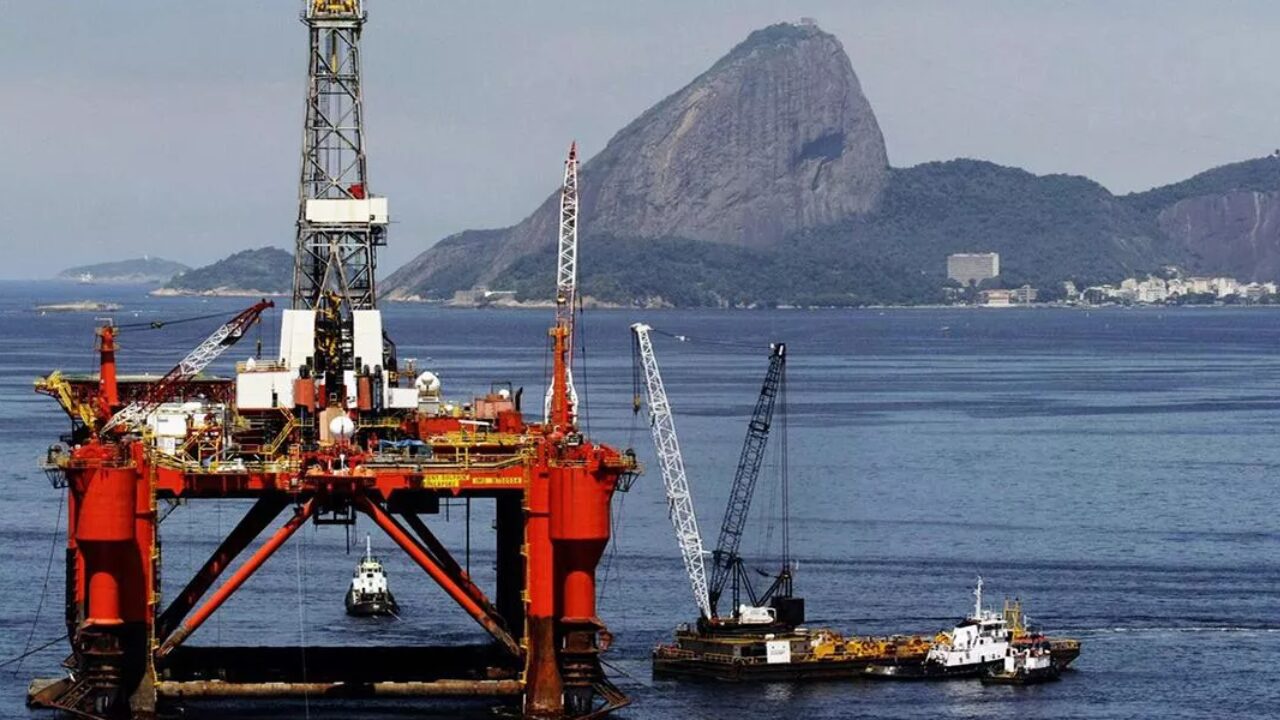
Despite Regulatory Advancements And Greater Market Opening, Natural Gas Industry Needs Investments In Transportation And Integration Between Producer And Consumer, Says Roberto Ardenghy.
The Brazilian natural gas sector has recorded significant advances in recent years, but still faces a crucial barrier to its full development: transportation infrastructure.
This assessment comes from the president of the Brazilian Institute of Oil and Gas (IBP), Roberto Ardenghy, who highlighted on Wednesday (14) during the opening of the 21st Natural Gas Seminar in Rio de Janeiro, that the national industry needs to mature to keep up with the standards of other countries.
“Our gas industry needs to mature. It is still incipient when we compare it with other countries in the world,” he stated.
-
The rise in oil prices could ensure an extra revenue of R$ 100 billion for the Federal Government, indicates a recent economic study.

-
Naturgy begins an investment of R$ 1.6 million to expand the gas network in Niterói and benefit thousands of new residences and businesses.
-
A major turn in the Justice system suspends tax increases and directly impacts oil and gas companies in Brazil by affecting costs, contracts, and financial planning, leaving uncertain what could happen to the sector if these costs had increased.

-
Brava Energia begins drilling in Papa-Terra and Atlanta and could change the game by reducing costs in oil while increasing production and strengthening competitiveness in the offshore market.
Limited Infrastructure Is Still A Barrier To Expansion
One of the main obstacles faced by the natural gas industry in Brazil is the absence of a robust network of pipelines, essential for connecting producing regions to consumer centers.
According to Ardenghy, unlike oil, which can be easily transported by trucks, natural gas depends on a structured pipeline network. “It is necessary to generate transportation infrastructure to connect gas between producer and consumer,” he emphasized.
This logistical challenge undermines the competitiveness of the input and limits the utilization of the country’s energy potential, which is currently one of the major producers and consumers of natural gas in Latin America.
Seminar Discusses Advancements And Pathways For The Natural Gas Sector
The 21st Natural Gas Seminar, promoted by the IBP, brings together national and international experts until this Thursday (15) at the Fairmont Hotel in Copacabana.
The meeting aims to assess the sector’s direction and discuss solutions for its structural deficiencies.
Representing the president of Petrobras, Magda Chambriard, the director of Pipelines and Terminals at Transpetro, Márcio Guimarães, highlighted the progress made in recent decades:
“It is necessary to advance in various aspects, but we must consider everything that has already been done in the last 30 years. There is consistent work being done,” he said.
New Regulatory Framework Stimulates A More Competitive Market
Since the implementation of the new regulatory framework about four years ago, the sector has begun to show signs of diversification and greater flexibility.
Despite Petrobras’s still predominant role in the segment, Roberto Ardenghy acknowledged significant changes in the market profile.
“Today, Brazil is not just a producer; we are already starting to bring gas from other sources, like Argentina, for example. The market is much more flexible, much more dynamic than in the past,” he emphasized.
The overall view of specialists points to a promising future, provided there is a joint effort between government, the private sector, and investors to expand the transportation network and foster competitiveness.
The IBP has reinforced the importance of a development agenda that integrates infrastructure, regulation, and long-term planning, consolidating the natural gas industry as a driver of economic growth and energy transition in Brazil.







Seja o primeiro a reagir!