





 Portuguese
  English
  Spanish
 4 min of reading
  0 comments


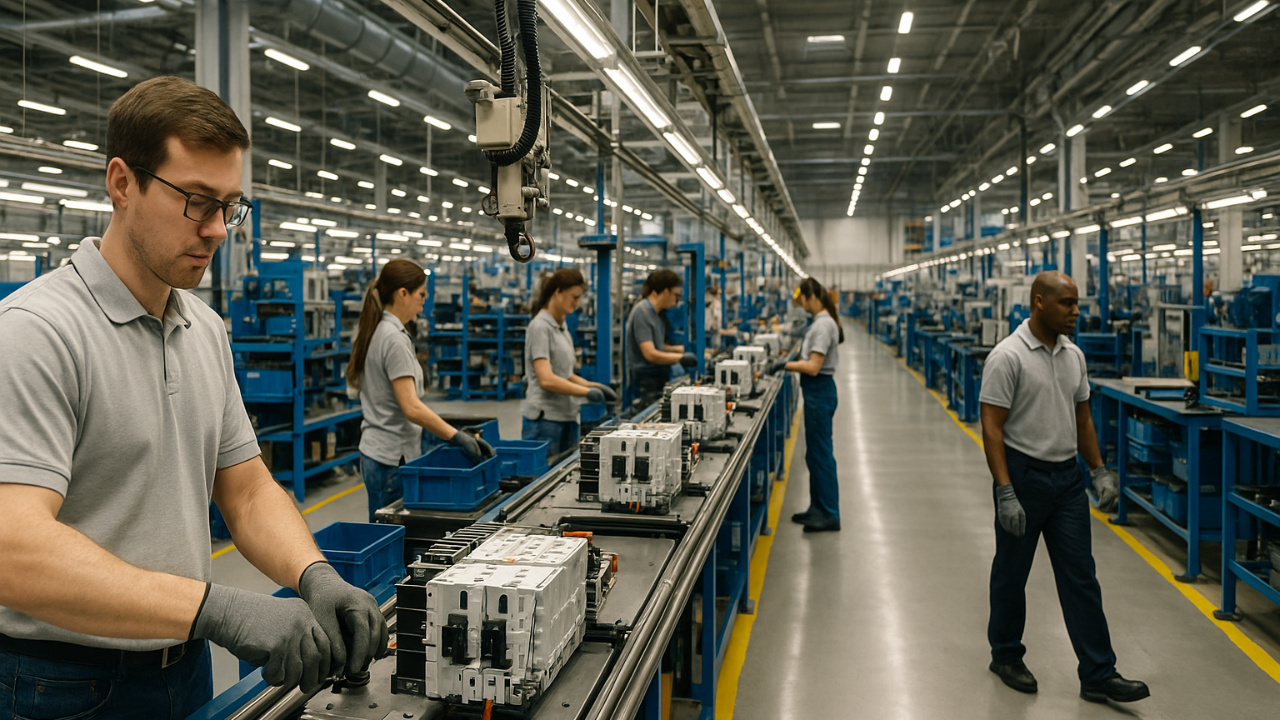
Exports and Domestic Market Drive the Electronics Industry, Closing 2025 with R$ 27 Billion in Minas Gerais.
The electronics industry closes 2025 with revenue of approximately R$ 27 billion in Minas Gerais, consolidating the state as the third largest hub of the Brazilian electronics sector.
The performance was presented this Wednesday (10), during a meeting with business leaders in Belo Horizonte, and reflects the combination of market expansion, local productive capacity, and the robustness of the line of electrical equipment.
The result stands out because it was achieved in a still challenging economic context. Nevertheless, the revenue of the electronics industry exceeded initial expectations, reinforcing the strategic relevance of Minas Gerais for the sector in the national scenario.
-
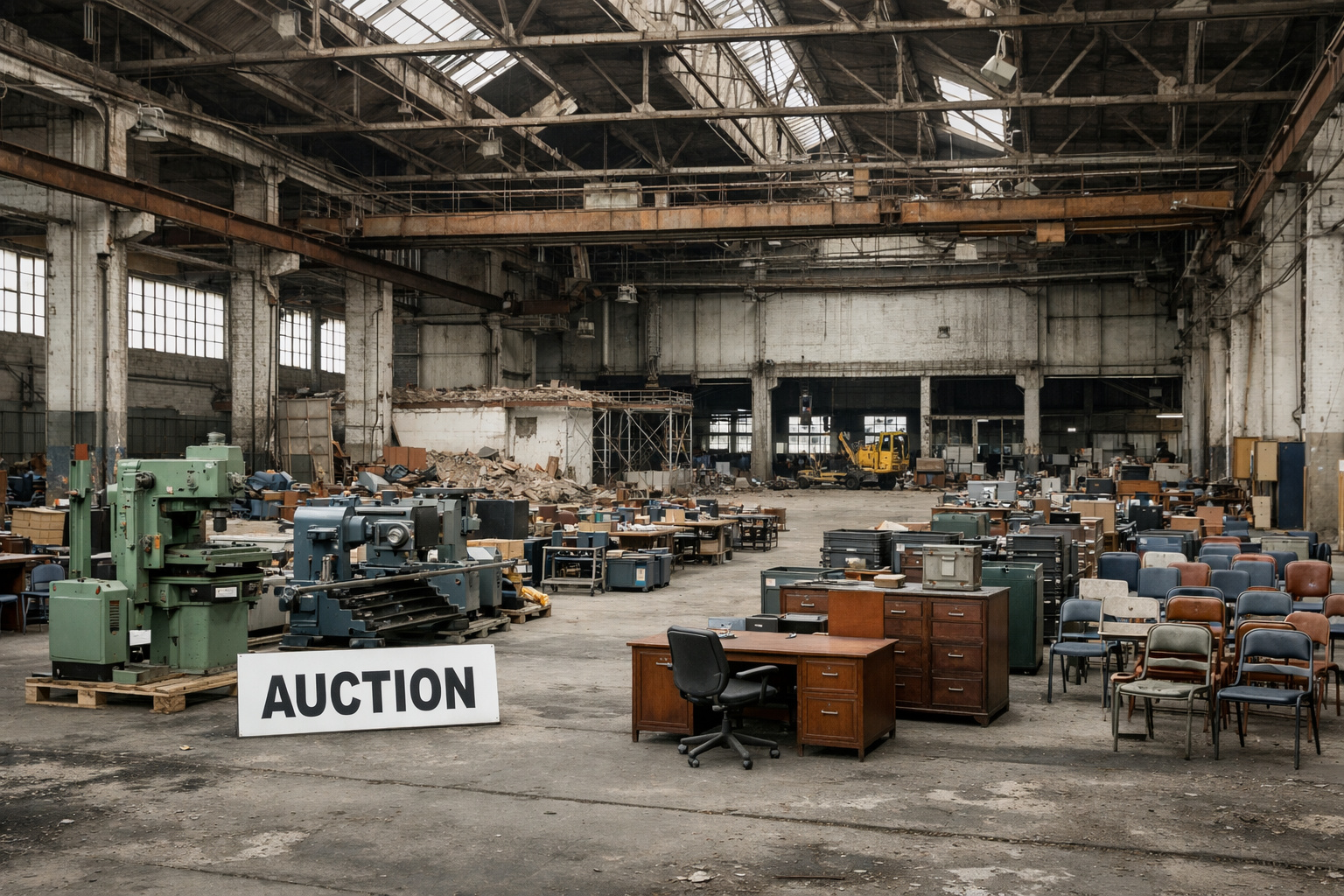
Historic bankruptcy of Centauro shocks the market, and the century-old company puts more than 500,000 products, machines, and complete infrastructure up for online auction.
-
New shoe factory in Ceará is expected to create 400 jobs and strengthen the local economy.

-
No one imagined it, but a mixture of sawdust with a mineral that fights fires surprises scientists with a result that changes the course of fire-resistant construction.

-
From empty land to a high-end house, wooden construction uses a lightweight system, metal structure for the foundation, ventilated ceramic cladding, and special windows to create an efficient and comfortable living space throughout the year.


Brazilian Electronics Sector Advances Despite Business Caution
Present at the meeting, the executive president of the Brazilian Electrical and Electronics Industry Association (Abinee), Humberto Borbato, assessed the performance as surprising.
According to him, the positive numbers contrast with a cautious environment among entrepreneurs throughout the year.
“We have noticed that, although entrepreneurs are not yet very confident, the indicators have been better than we expected,” emphasized Borbato. For him, the electronics industry has shown resilience throughout 2025, even amid economic uncertainties.
Exports of Electronics Boost Minas Gerais
Exports of electronics played a decisive role in the sector’s performance in the state. Throughout 2025, external sales totaled US$ 610 million, representing 8% of all national shipments in the segment.
This result reinforces Minas Gerais’ vocation for the international market. According to Borbato, external competitiveness remains a priority, despite structural difficulties. “Minas has a very strong export vocation.
Our challenge is to continue gaining competitiveness despite the ‘Brazil cost,’ which still imposes limitations on us,” he explained.
Telecommunications and Electricity Sector Sustain Domestic Market
In the domestic market, telecommunications, mainly driven by smartphones, maintained performance within expectations.
The segment remains one of the pillars of internal demand for electronics in Minas Gerais.
Additionally, the electricity sector also stood out in 2025.
The sale of electrical equipment within the state significantly contributed to the revenue of the electronics industry, balancing performance between the domestic and export markets.
Production Capacity Indicates Room for Expansion
Despite the substantial numbers, the sector still shows room for growth. Currently, the electronics industry factories in Minas Gerais operate at about 78% of installed capacity.
The sector employs approximately 28,000 workers directly in the state, equivalent to 10% of the national total.
For Borbato, this scenario shows that there is room to expand production and jobs. “We believe we can still grow more, taking advantage of the fact that there is no sector more innovative than this,” he stated.
High Interest Rates Limit Consumption and Growth
The sector’s advance could have been even more significant were it not for the impact of high interest rates on consumption. Although the electronics industry is not a major borrower, it directly feels the effects of declining demand.
“Consumers who depend on credit feel the weight of the Selic directly. If the rate rises to 15%, it naturally reduces demand.
With lower interest rates, we would be selling much more,” commented Borbato. Thus, the sector’s performance remains strongly linked to the macroeconomic environment.
Favorable Exchange Rate Helps Recover Margins
On the other hand, the decline of the dollar in recent months has provided relief for the sector.
Since the electronics industry depends on imported inputs, the more favorable exchange rate helped recover margins, increase factory occupancy, and improve the final results for the year.
Additionally, the leader emphasized that better fiscal control by the federal government, once inflation reaches acceptable levels, will be essential to sustain the sector’s growth.
Expectations for 2026 Remain Positive
For 2026, the outlook is cautious but with moderate optimism. The year will be marked by long holidays, elections, and the World Cup, factors that tend to impact the pace of consumption and production.
On the other hand, the sporting event is expected to boost the sale of TVs and electronics, helping to offset periods of lower activity.
The sector’s projection is a real growth of 3% in revenue, slightly below the 4% recorded in 2025.
On a national basis, the Brazilian electronics sector closed 2025 with revenue of R$ 270 billion, reinforcing its relevance to the industry and the country’s economy.










-

Uma pessoa reagiu a isso.