





 Portuguese
  English
  Spanish
  4 min of reading
  0 comments


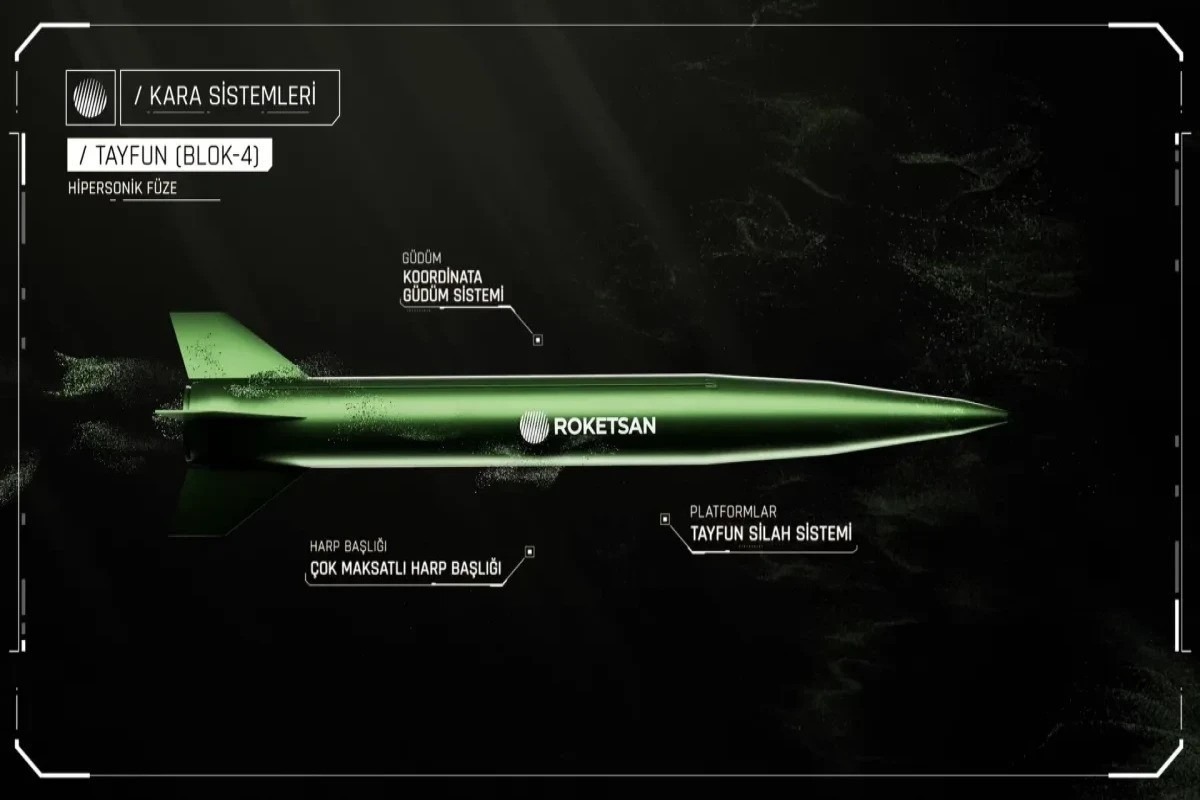
Turkey presented to the world the Tayfun Block 4, a new version of its ballistic missile that surprises with its size, weight, and possible range. With about 10 meters in length and almost eight tons, the weapon marks a new moment for the Turkish military industry and raises questions about its classification and strategic objectives.
The launch of the new ballistic missile Tayfun Block 4 marks an important step for Turkey’s defense industry.
Developed by the company Roketsan, the weapon was presented at the 2025 International Defense Industry Fair (IDEF) in Istanbul.
The model represents an evolution of the Tayfun family, whose first version was revealed in 2022. The new version, larger and heavier, draws attention for its possible long-range capabilities.
-
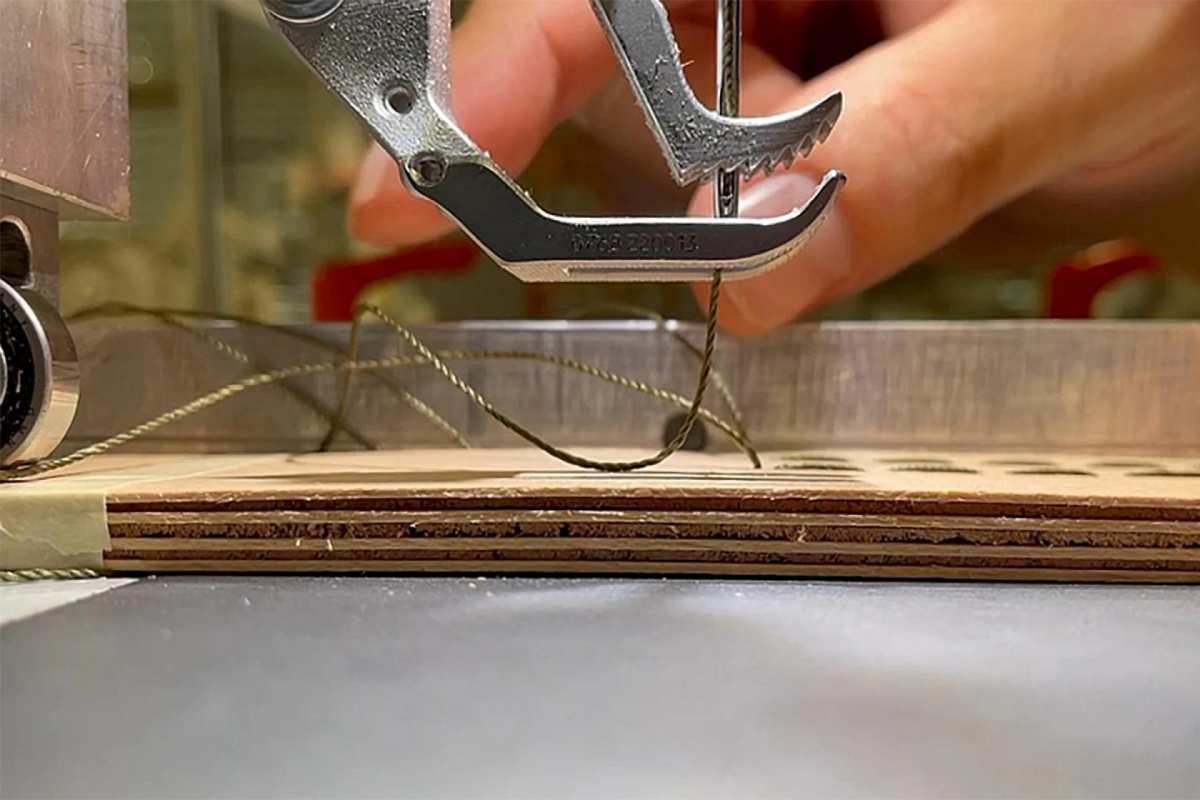
A simple stitch in wood with nylon thread can reduce adhesives, speed up production, and make sheets up to 4 times stronger and 14 times more difficult to break.
-
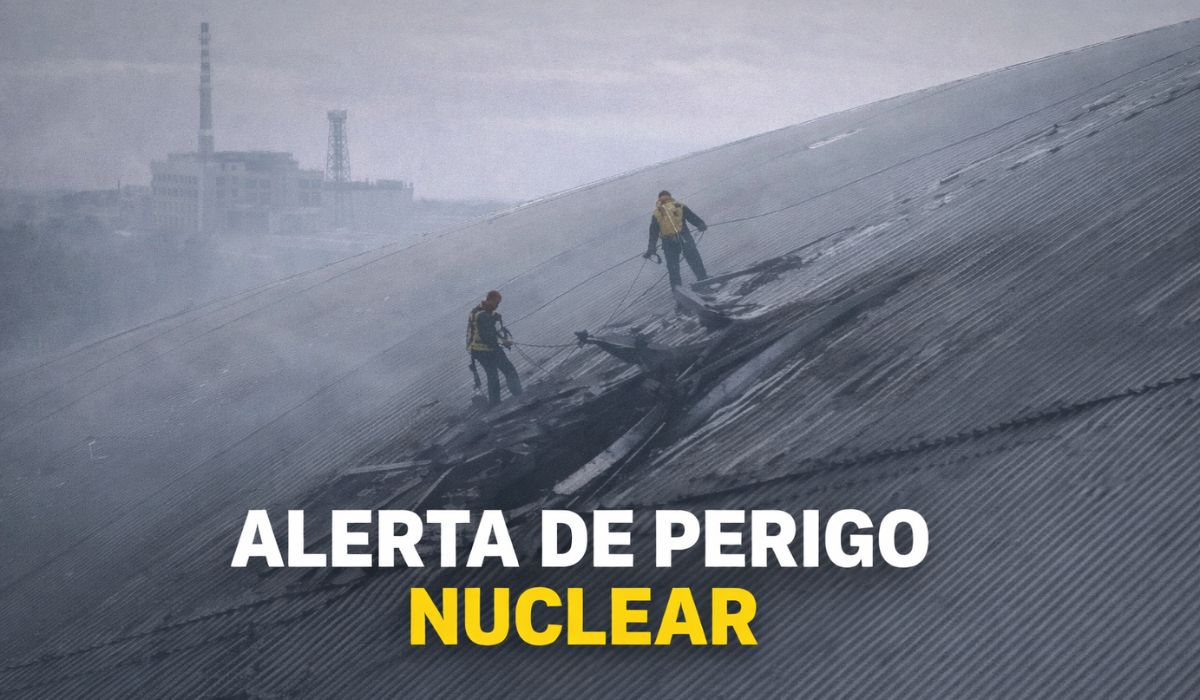
The gigantic steel shell built to contain Chernobyl for a century has been pierced by a drone, exposing a critical system and creating a hole that could cost over 500 million euros to repair.
-
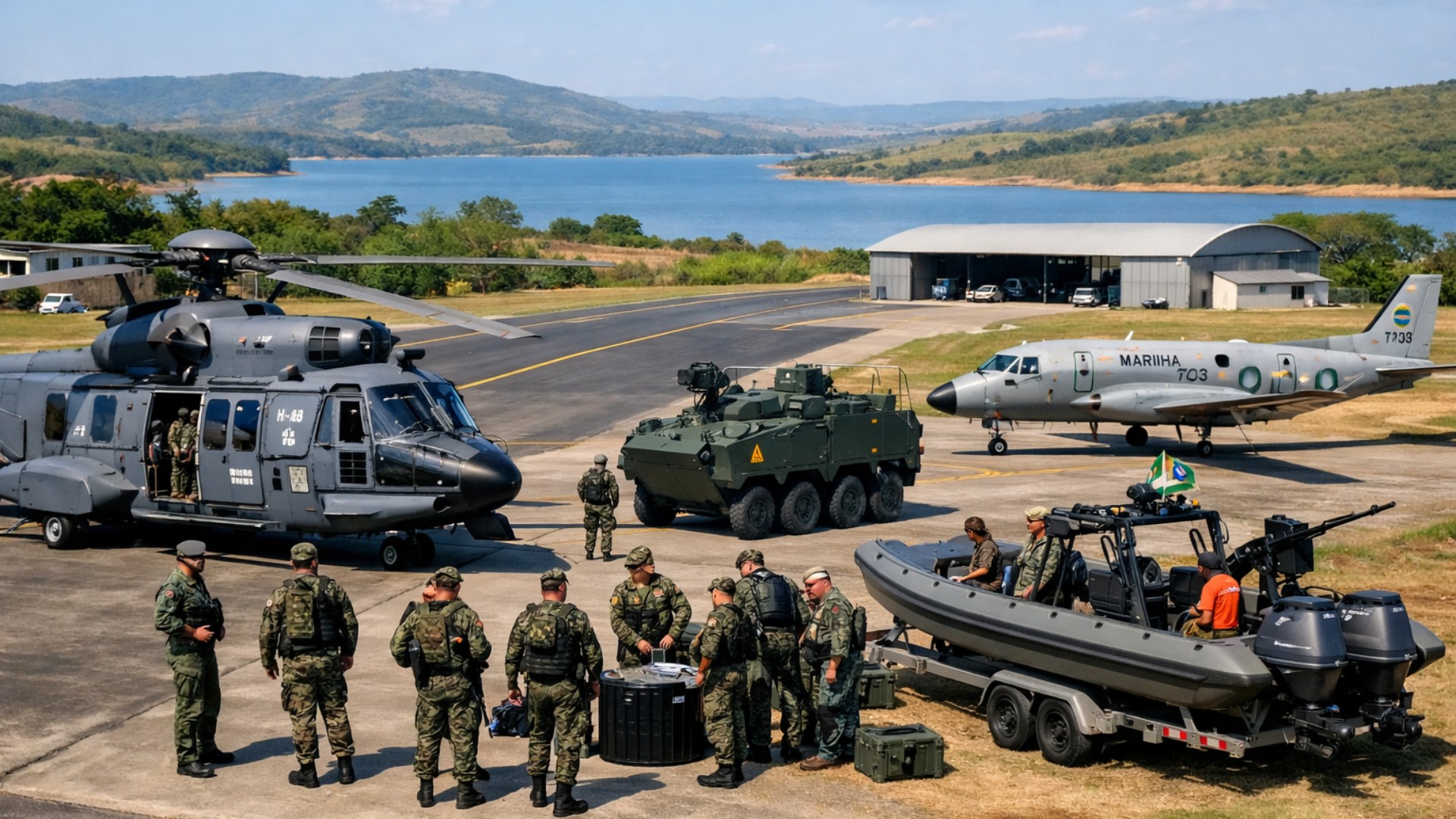
Brazilian Navy reaches a new level by taking over an airport with a 1,600-meter runway used by 1,800 military personnel and autonomous attack drone testing.
-
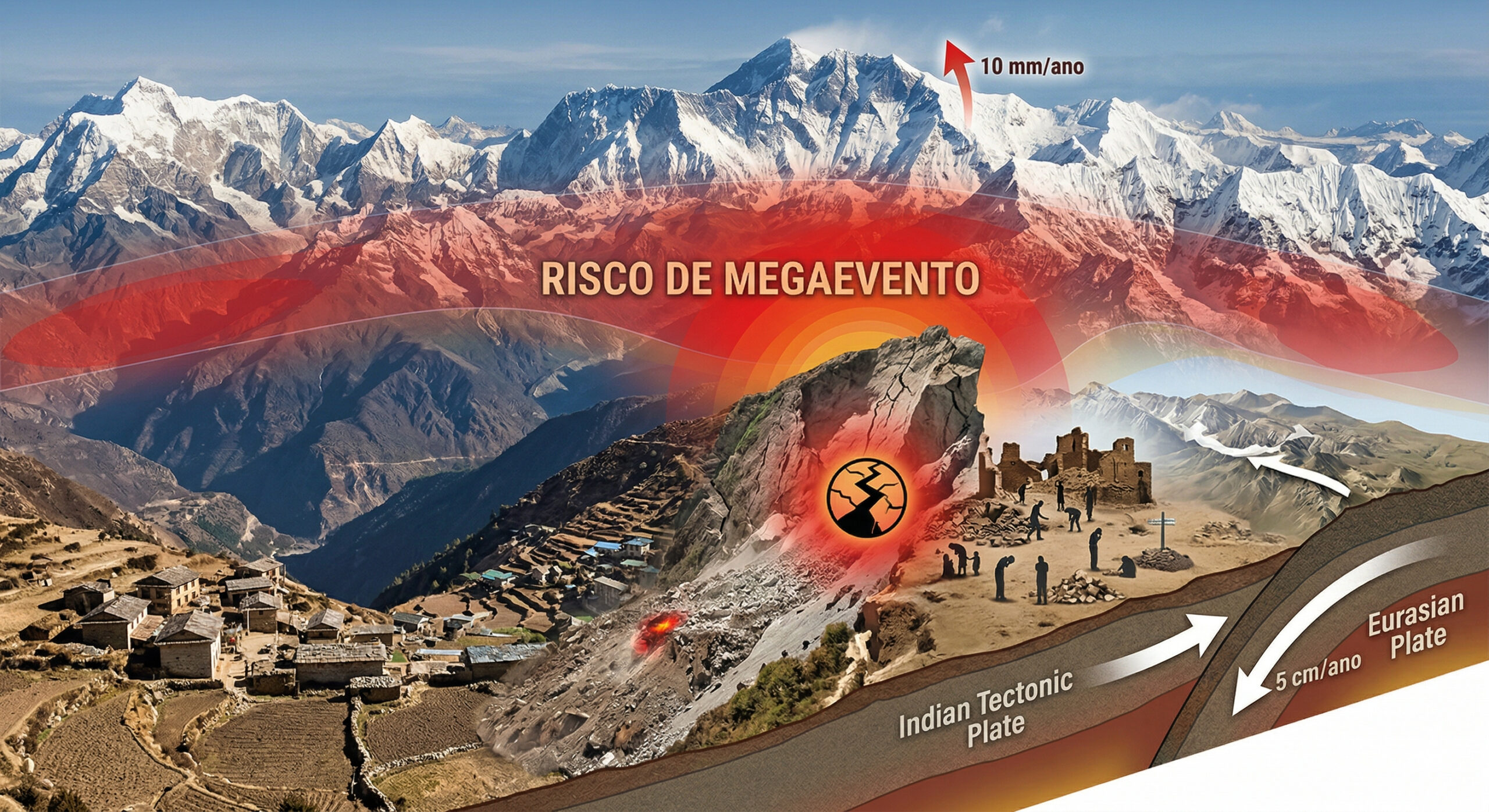
The Himalayas continue to grow to this day, with tectonic plates advancing 5 cm per year, mountains rising up to 10 mm annually, and the 2015 earthquake that killed 9,000 people may have increased the risk of an even larger seismic mega-event.
The weapon is about 10 meters in length, just over 1 meter in diameter, and weighs almost eight tons.
In comparison, the previous versions of the Tayfun were 6.5 meters long, had a diameter of 60 centimeters, and weighed 2.3 tons.
According to Roketsan, Block 4 sets a new record for the Turkish defense industry, potentially able to hit strategic targets such as command centers, air defense systems, and military hangars.
Range and Classification Still Undefined
Roketsan has not officially disclosed the maximum range of the new missile. Even so, its size indicates the possibility of it falling into the medium-range ballistic missile (MRBM) category, which has ranges between 1,000 and 3,000 kilometers.
The original Tayfun has a declared range of over 280 kilometers and, in tests, has already hit targets at 561 kilometers.
The use of the term “hypersonic” in relation to Tayfun Block 4 also raises questions.
Although ballistic missiles generally reach speeds above Mach 5 in their final stages, there are no indications that the new model has advanced hypersonic maneuverability, a typical feature of modern hypersonic weapons.
All versions of the Tayfun, including Block 4, use space-based location guidance (GOLIS).
This system, loaded before launch, allows for precise strikes on fixed targets within 10 meters. The warhead used is of the unitary type with explosive fragmentation.
Comparison with Other Turkish Programs
It is still unclear whether the Tayfun Block 4 will replace or complement the Cenk missile, another Roketsan project focused on the MRBM category.
The Cenk was unveiled after Turkish President Recep Tayyip Erdogan announced the desire to acquire missiles with ranges above 1,000 kilometers.
The Minister of Industry and Technology also recently stated that the country is working on missiles with ranges of up to 2,000 kilometers, although names were not mentioned.
The possibility of launching longer-range missiles from Somalia has also been considered due to the available space for long-range testing.
This movement suggests that Turkey seeks to expand its regional capability and face adversaries with greater strategic security.
A variant of the Tayfun with MRBM range could be useful if the Cenk does not progress as expected.
Missiles designed specifically as MRBM offer more room for improvements, such as countermeasures and more complex warheads. This would also facilitate the development of even more powerful versions in the future.
Geopolitical Interest and Messages to Adversaries
The motivation for Turkey to develop more advanced ballistic missiles is not only technological.
President Erdogan has explicitly mentioned rivalry with Greece when referring to the Tayfun. In 2022, he stated that the missile could reach Athens, in a clear demonstration of intimidation.
Furthermore, the use of Bora missiles against Kurdish targets in Iraq also shows that Turkey does not hesitate to use these weapons in regional conflicts.
A missile with greater range would expand the country’s operational capability in more distant areas.
Another important aspect is the international market. Roketsan already offers the Khan, an export version of Bora, and signed a contract with Indonesia in 2022.
However, Turkey is a member of the Missile Technology Control Regime (MTCR), which restricts the export of weapons with certain capabilities. This may limit international sales of Block 4, depending on its final configuration.
The Global Trend of Ballistic Missiles
The evolution of the Tayfun occurs at a time of renewed interest in ballistic missiles worldwide.
The United States, for example, is studying the development of a new missile with MRBM range. The U.S. Army has not had this capability since the retirement of the Pershing II in 1991.
Plans include the creation of a new version of the Precision Strike Missile (PrSM), which is already in development. This weapon could evolve to reach MRBM distances.
Australia, a close ally of the U.S., has already conducted a test with the PrSM on its territory during the Talisman Saber military exercise.
Final speeds reached by ballistic missiles, often hypersonic, make these weapons useful against high-value and hard-to-protect targets.
This characteristic also challenges air defense systems, as the weapons arrive quickly at their destination and with high energy.
Recent Conflicts and Active Use
The war between Russia and Ukraine has been a clear example of the usefulness of ballistic missiles.
In 2023, Russia used a new model called Oreshnik, with multiple warheads. Ukraine is also reportedly about to launch a new missile of its own, developed internally.
Another example occurred during the conflict between Iran and Israel.
The use of ballistic missiles by Iran has shown that even countries with advanced defenses, such as Israel, still face significant difficulties in protecting against this type of weapon.
Iran has also launched missiles against Syria, Iraq, and Pakistan.
The use of air-launched or sea-launched ballistic missiles has also been increasing.
China leads several of these projects, while Israel has used missiles of this type against Iran during the June conflict. Russia has done the same against Ukraine, further diversifying its options.








-

-

-

-

-

-

36 pessoas reagiram a isso.