





 English
  Francês
  Alemão
  Italiano
  Japonês
  Norueguês
  Portuguese
  Spanish
  5 min of reading
  0 comments


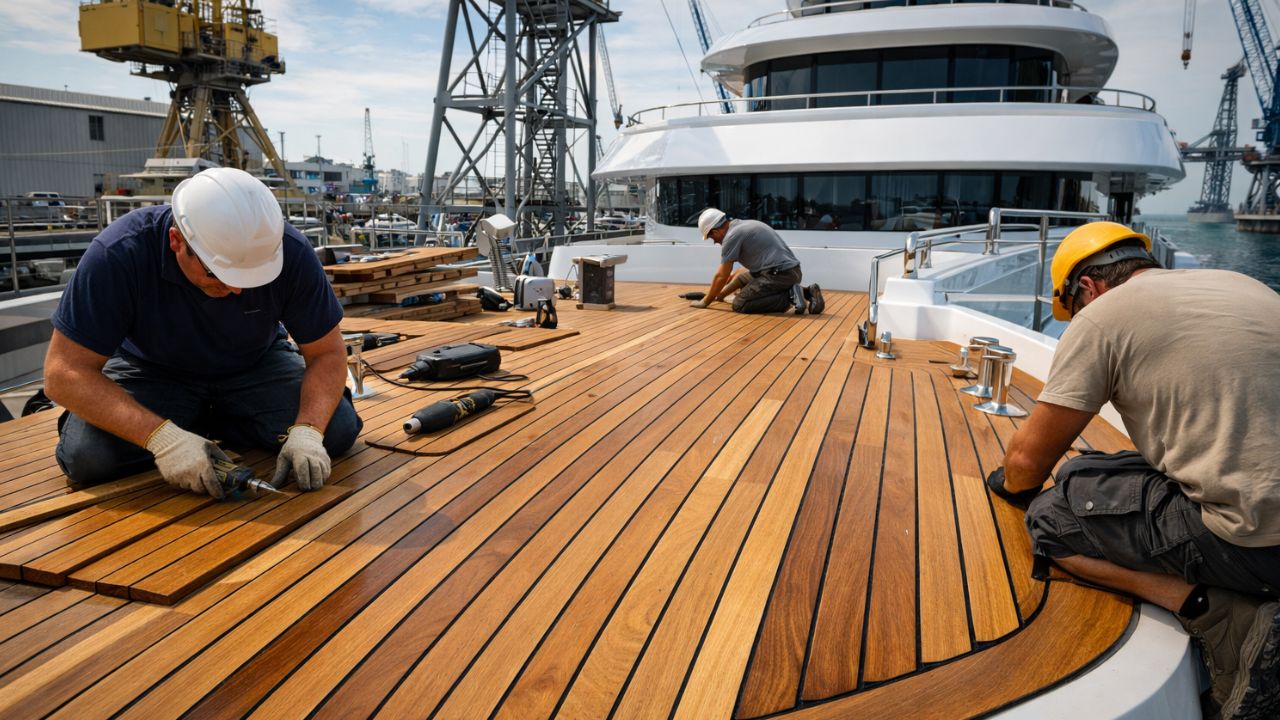
Shipbuilding Industry Accelerates Replacement of Teak in Ships and Vessels After Sanctions and Scarcity of Precious Wood in the Global Market.
The global shipbuilding industry is intensifying its search for alternatives to teak wood in the construction of luxury ships and vessels, especially after international sanctions and environmental pressures regarding the source of the material.
Shipyards, superyacht manufacturers, and wood suppliers have been adopting new composites, modified woods, and synthetic solutions in recent years, with acceleration of the movement between 2023 and 2025.
The change is mainly occurring in Europe and the United States, hubs of high-end nautical construction, driven by trade restrictions, raw material shortages, and demands for sustainability.
-
Neither the USA nor China: a small European nation has become one of the largest maritime powers on the planet, controlling one of the largest merchant fleets in the world with thousands of ships and dominating the global transportation of oil and strategic cargo.

-
Scotland and the United Kingdom have created a new anchoring system that floats in the water without touching the seabed, after discovering that the current from a conventional anchor destroys up to 50 m² of seagrass meadow per event and that ship-damaged reefs showed no signs of recovery even ten years later.

-
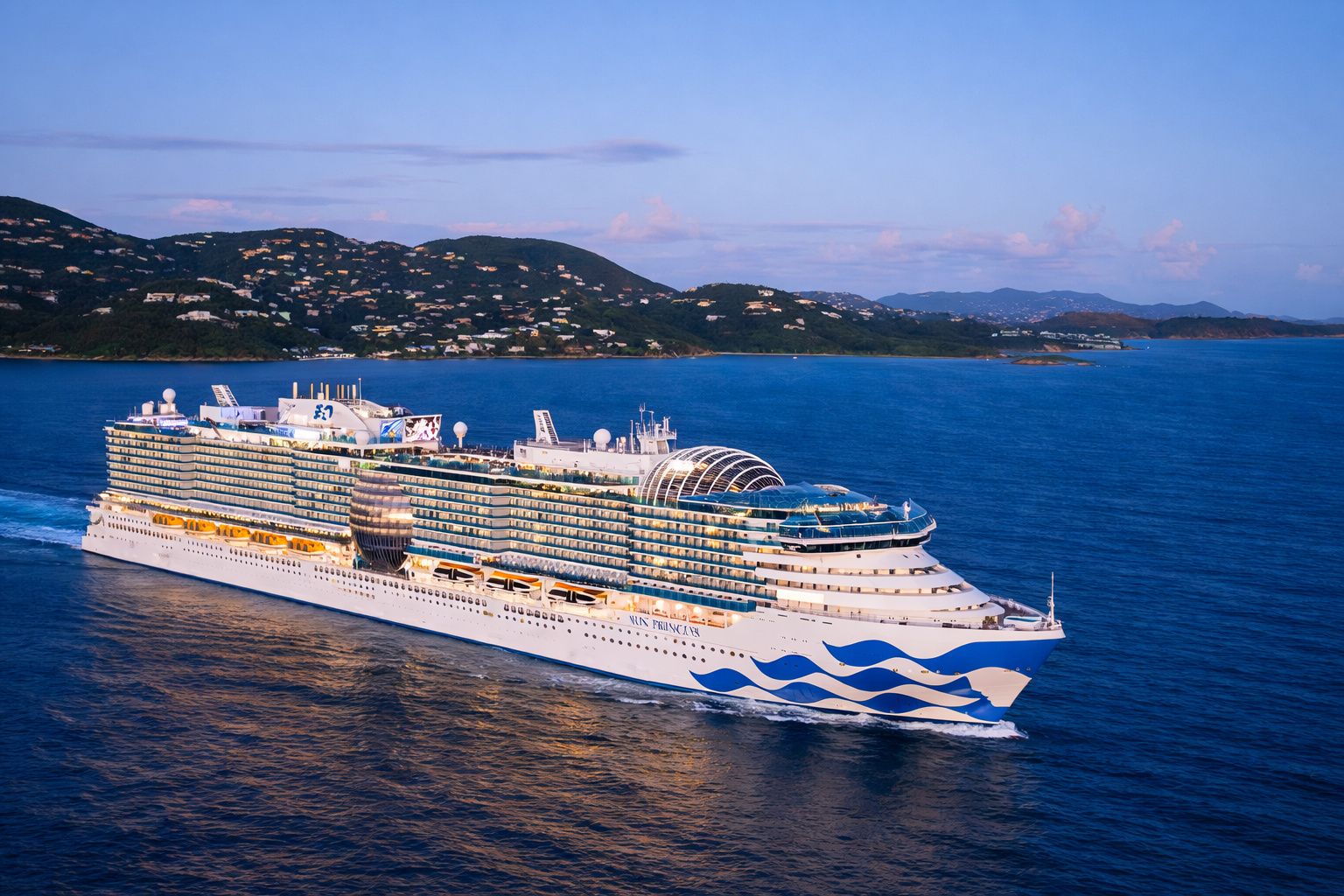
Weighing 175,500 Tons, Measuring 345 Meters Long, and With Capacity for Over 4,300 Passengers, the Sun Princess Becomes the Largest Ship Ever Built by Princess Cruises and Attracts Global Attention for Its Huge Glass Dome Inspired by Santorini’s Architecture Installed on Top of the Vessel
-
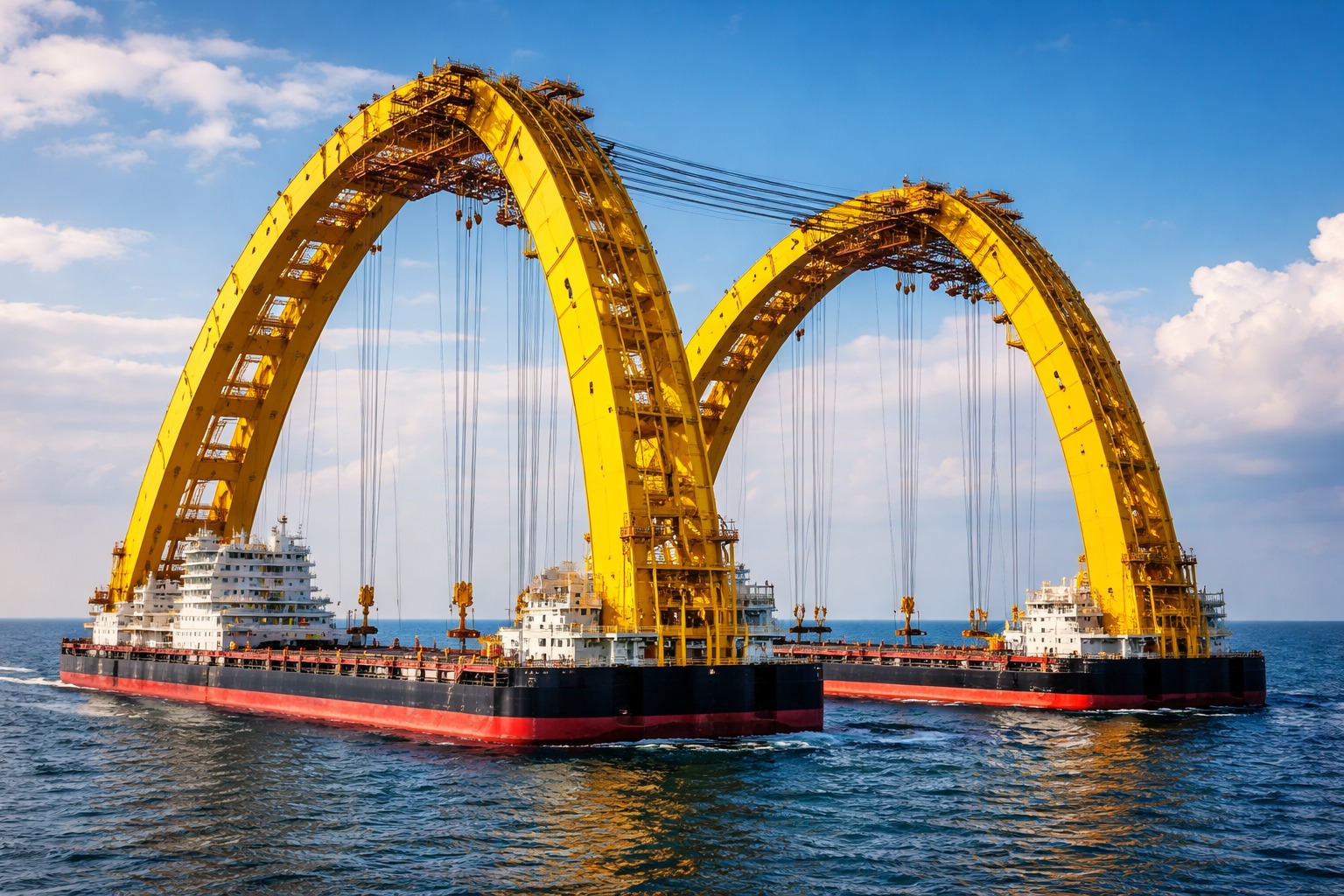
TX-10, The Colossus of The Sea: Largest Lifter Ship in The U.S., With Two Giant Barges, 73-Meter Tall Structure, and Strength to Raise 7,500 Tons of Sunken Oil Rigs

See More: Brazilian Industry Loses Momentum with High Interest Rates and Decline in Business Confidence
See More: End of Nuclear Treaty Between the U.S. and Russia Reignites Global Arms Race
Teak Has Always Been a Status Symbol in the Shipbuilding Industry
For decades, teak wood has been considered irreplaceable in the shipbuilding industry. Present in decks, interiors, and finishes of vessels, the material has become synonymous with luxury and prestige.
An emblematic example is the superyacht Koru, valued at US$ 500 million and delivered in 2023 to magnate Jeff Bezos. The vessel uses teak both on the deck and in internal areas, reinforcing the tradition of using wood in high-end ships.
Dense and heavy, teak is valued for its resistance to salt, moisture, and deterioration — essential characteristics for vessels exposed to extreme marine environments.
Sanctions and Illegal Practices Press Supply Chains
Much of the high-quality teak comes from natural forests in Myanmar, where ancient trees have been exploited for decades. However, the commercialization of the material has begun to face severe barriers.
The wood is sold by sectors linked to the military of the country, with low socio-environmental transparency. Therefore, its importation is considered illegal in the United Kingdom, European Union, and the United States.
Trade sanctions imposed in 2021, following the coup, further aggravated the existing restrictions — directly impacting the shipbuilding industry and the construction of luxury ships.
Fines Expose Irregular Use in Vessels
The issue gained attention after penalties were imposed on major shipyards.
The Dutch shipyard Oceanco, responsible for Koru, was fined in 2024 for using teak from Myanmar inside the yacht. Investigations in Germany are also examining the origin of the wood used on the deck.
The British company Sunseeker received a similar penalty for using the material. Both classified the infractions as unintentional, citing failures in due diligence and traceability processes.
Alternatives to Teak Gain Ground in the Shipbuilding Industry
With stocks of old wood declining, shipyards and suppliers have accelerated research for viable substitutes for ships and vessels.
Among the emerging solutions are:
Thermally modified woods;
Engineered teak laminates;
Recyclable synthetic materials;
High-performance composites.
Although some options have existed for years, recent innovations have elevated quality and acceptance in the nautical market.
Sustainability Drives the Replacement of Wood
According to experts, the change is not motivated solely by legal processes but by structural factors.
“Alternatives to natural teak are very welcome,” says Walter Kollert, forestry consultant and member of the TEAKNET steering committee.
“We risk losing ancient teak forests, which are part of a valuable ecosystem,” he adds.
Meanwhile, sectors like construction and furniture are able to substitute wood more easily — a more complex task in the shipbuilding industry due to technical requirements.
Shipyards Abandon Teak in Vessels
Some manufacturers have already taken definitive steps.
Sunreef Yachts announced that it has completely eliminated teak decks from its product line.
“Teak wood is no longer an option across our entire range of products… [and] I believe we are the only ones doing this,” says Nicolas Lapp.
According to him, in addition to the difficulty of obtaining quality wood, there is high waste in processing plantation material.
Modified Wood Emerges as a Viable Substitute
Among the most promising bets are thermally treated woods, which undergo controlled heating to gain properties similar to teak.
These materials offer:
Similar visual appearance;
Better thermal performance;
Ease of cleaning;
Greater comfort in the sun.
The Tesumo, launched in 2021 in Germany, is one of the recent examples. The product was born from a project involving the University of Göttingen and the Lürssen shipyard.
Synthetic Materials Evolve and Gain Space in Ships
In addition to wood, plastic compounds are also advancing.
Flexiteek, a synthetic teak substitute made from PVC, is considered a market leader. Its third generation, launched in 2024, features thermal improvements and greater color durability.
It is easier to maintain than natural wood, which tends to gray over time.
Traceability Remains a Challenge in the Shipbuilding Sector
Companies specialized in decks, such as Teakdecking Systems, report difficulties in obtaining raw materials.
The company produced the deck of the Koru and claims that all the teak used has documentary validation through independent audit.
Even so, the sector acknowledges that illegal wood still infiltrates global supply chains, often labeled as coming from plantations.
Why Is Teak So Durable in Vessels
The prestige of teak is not just aesthetic. Its chemical composition explains the historical preference in shipbuilding.
Three main elements ensure superior performance:
Tectonaquinone: a natural pesticide against fungi and termites;
Rubber: acts like latex, balancing moisture;
Silica: provides structural resistance.
These characteristics make the wood ideal for decks, outdoor furniture, and structures exposed to the sea.
Cultural Resistance Still Maintains the Use of Wood
Despite technological advances, part of the shipbuilding industry remains faithful to traditional teak.
The British builder Jeremy Rogers continues to use wood from ancient plantations in Java, considered sustainable.
“The problem with alternatives is that there is nothing like real teak wood,” says Jessie Rogers.
Future Indicates Gradual Transition in the Shipbuilding Industry
Experts believe that total replacement will be slow but inevitable.
Cultural changes, environmental pressure, and technological innovation are expected to redefine the use of wood in ships and vessels in the coming decades.
Meanwhile, teak remains a historical reference — but increasingly sharing space with sustainable and high-performance solutions within the global shipbuilding industry.











-

-

2 pessoas reagiram a isso.