





 Portuguese
  English
  Spanish
  3 min of reading
  4 comments


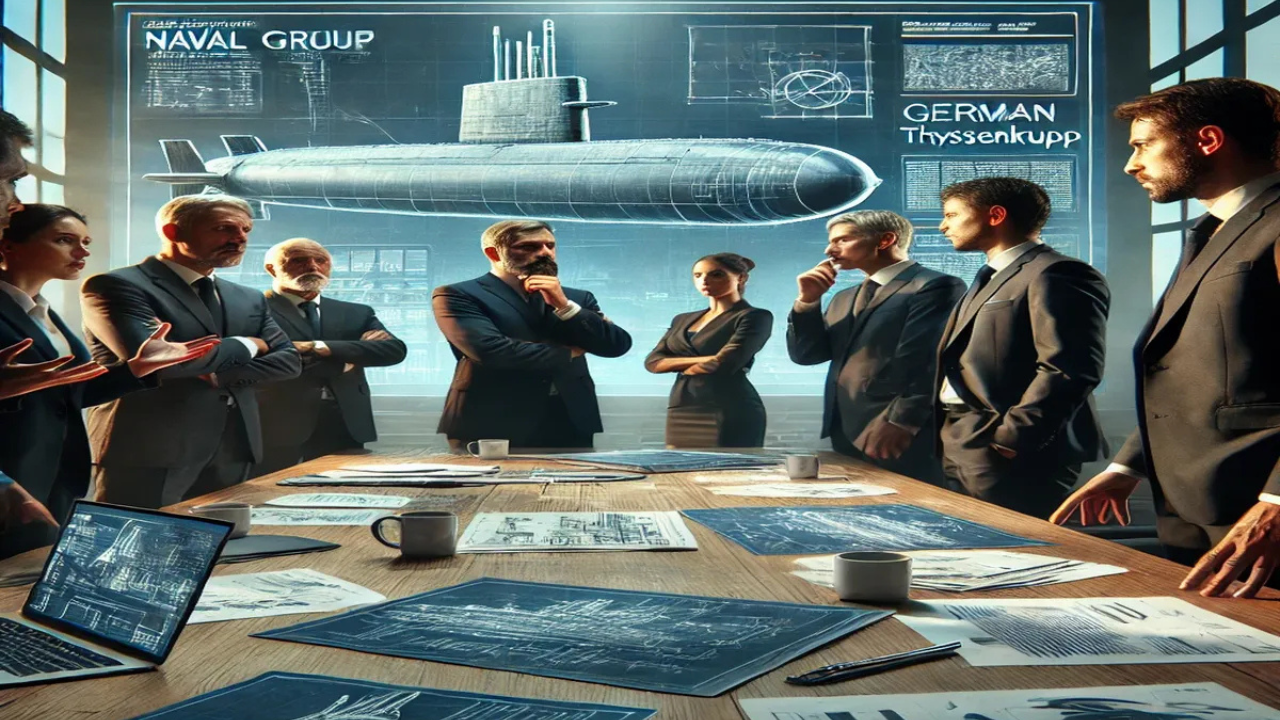


Naval Group Accuses ThyssenKrupp of Transferring Submarine Technology to Countries That Have Become Competitors in the Sector.
The dispute in the submarine market between Naval Group and ThyssenKrupp Marine Systems (TKMS) has taken new turns following the accusation from the French company. The Naval Group accuses TKMS of transferring submarine technology to countries that, after receiving this technology, became direct competitors in the submarine export market.
According to Guillaume Rochard, head of strategy at Naval Group, ThyssenKrupp’s actions facilitated the entry of countries such as Turkey and South Korea into this highly competitive market.
ThyssenKrupp Rejects Accusations of Improper Technology Transfer from Naval Group
In turn, ThyssenKrupp denied Naval Group’s accusations and defended its position regarding technology transfer.
-
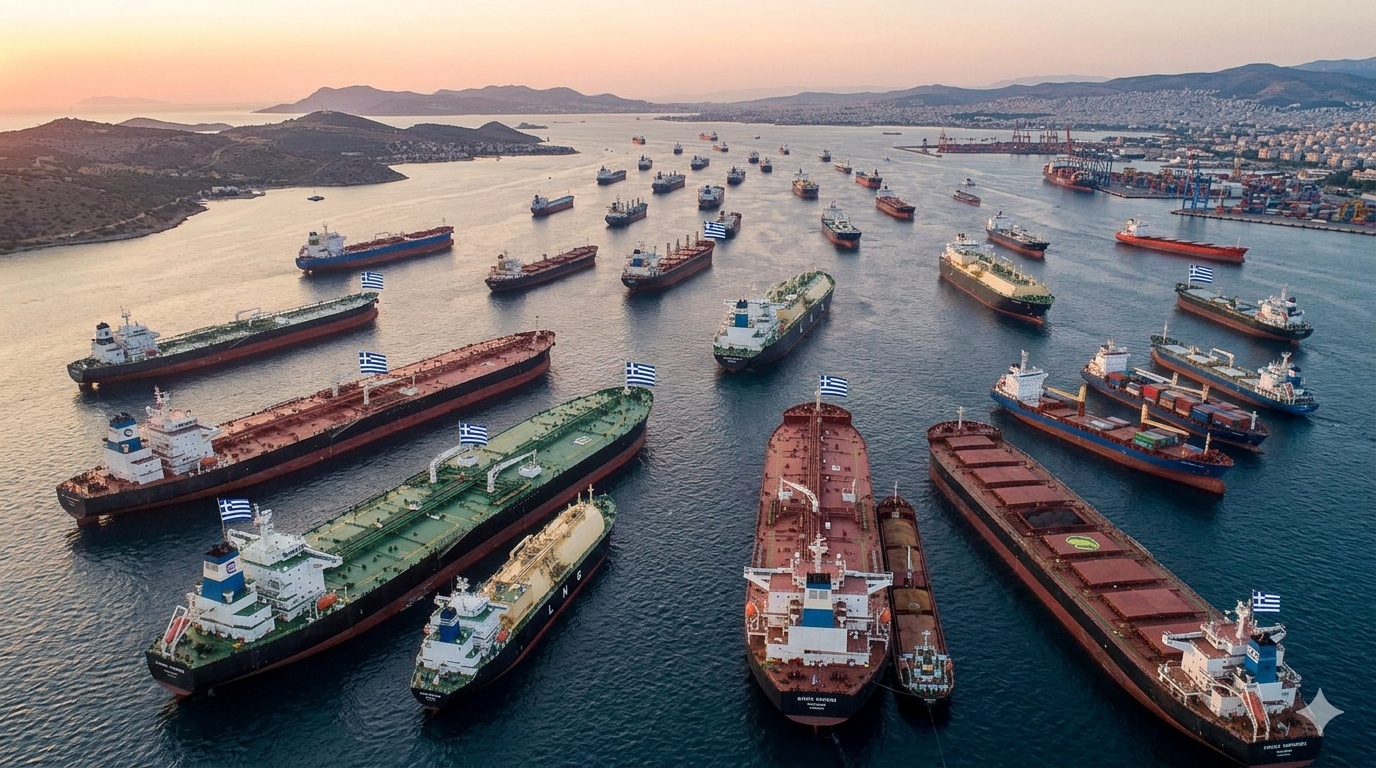
Neither the USA nor China: a small European nation has become one of the largest maritime powers on the planet, controlling one of the largest merchant fleets in the world with thousands of ships and dominating the global transportation of oil and strategic cargo.
-
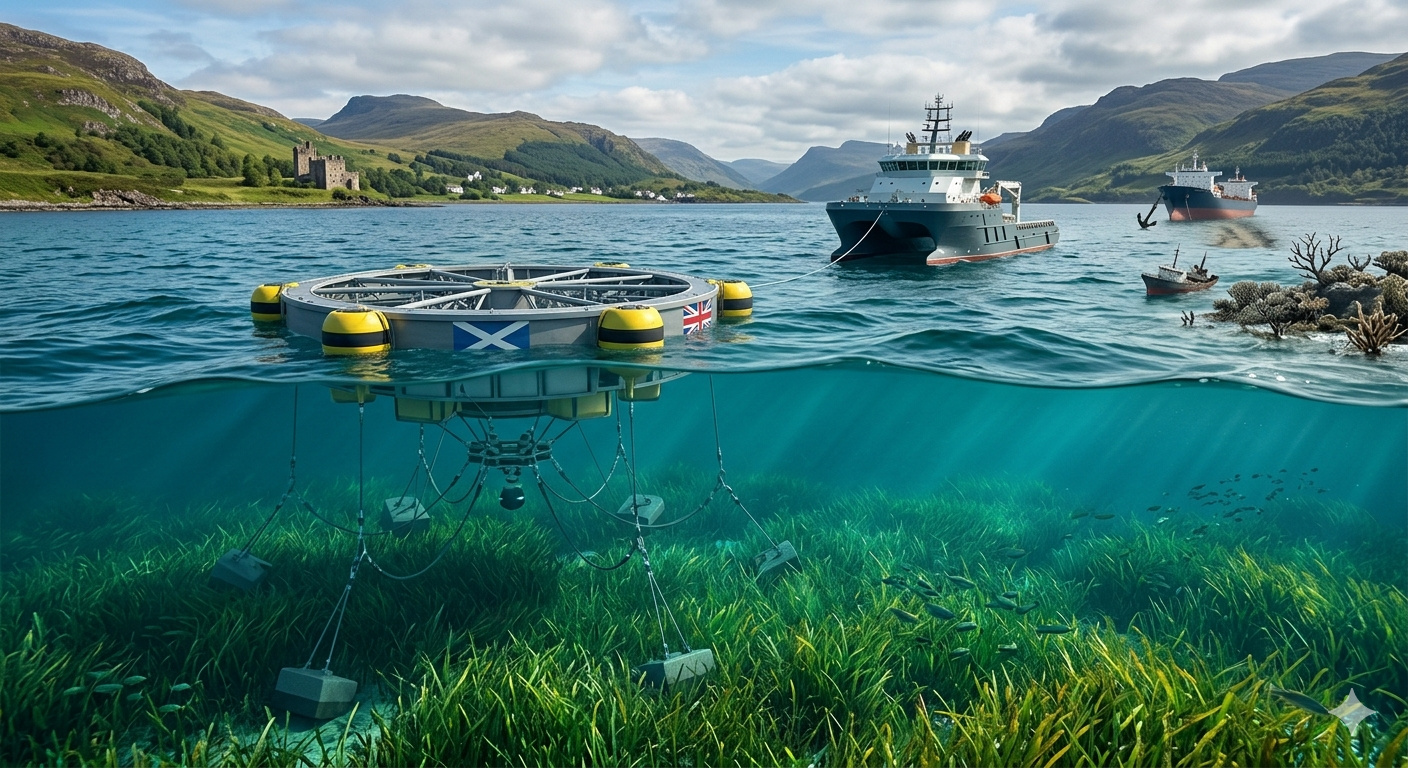
Scotland and the United Kingdom have created a new anchoring system that floats in the water without touching the seabed, after discovering that the current from a conventional anchor destroys up to 50 m² of seagrass meadow per event and that ship-damaged reefs showed no signs of recovery even ten years later.
-
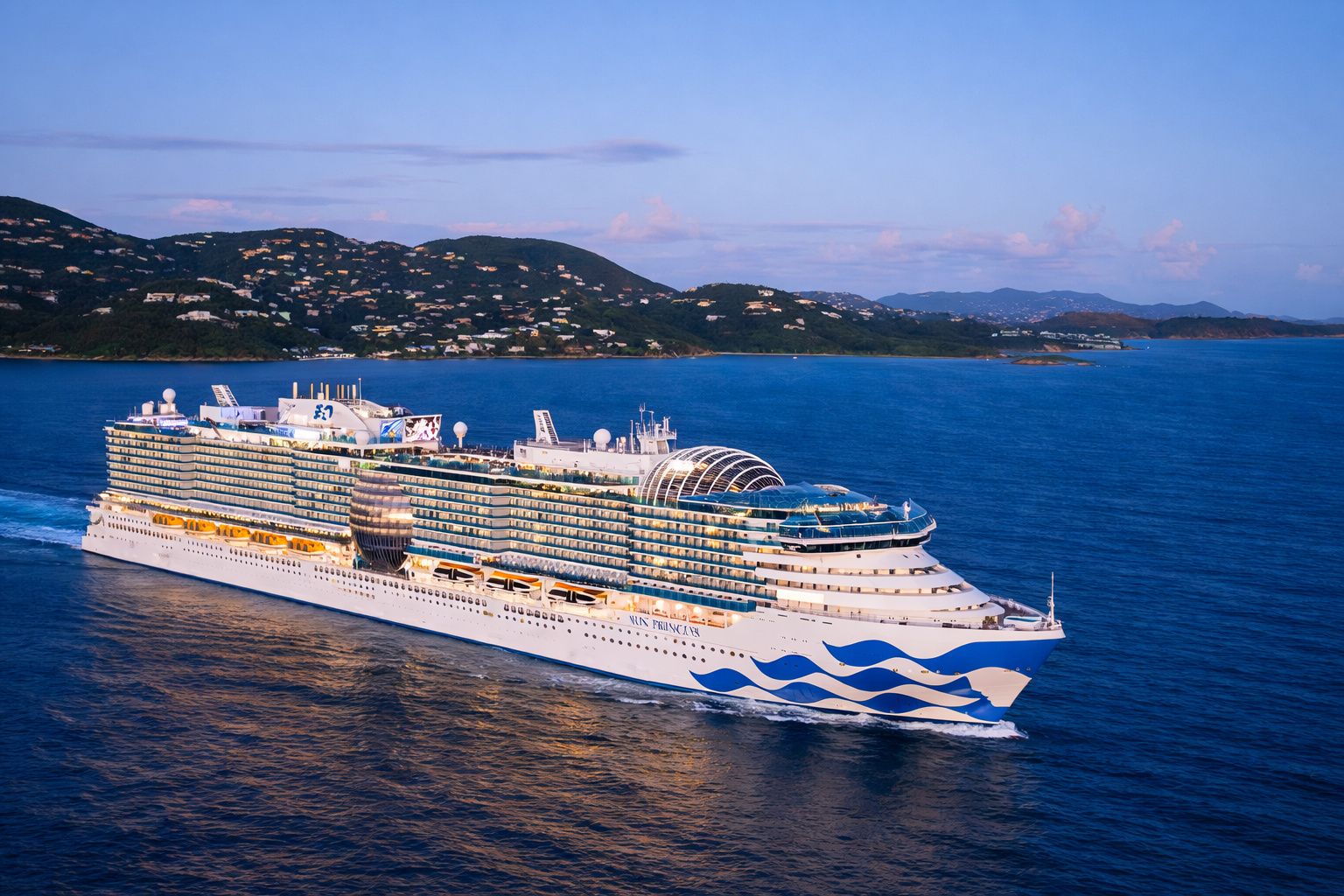
Weighing 175,500 Tons, Measuring 345 Meters Long, and With Capacity for Over 4,300 Passengers, the Sun Princess Becomes the Largest Ship Ever Built by Princess Cruises and Attracts Global Attention for Its Huge Glass Dome Inspired by Santorini’s Architecture Installed on Top of the Vessel
-
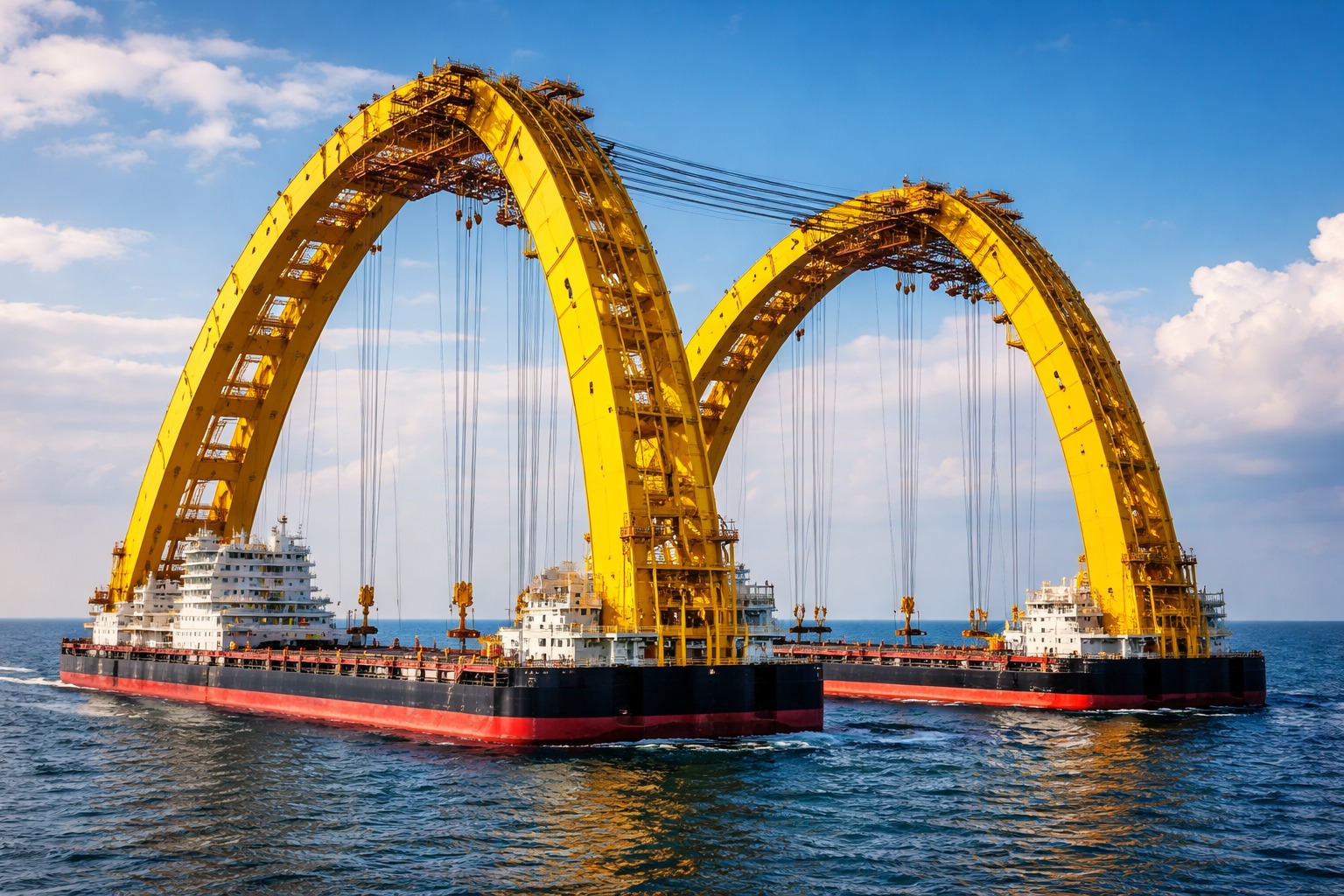
TX-10, The Colossus of The Sea: Largest Lifter Ship in The U.S., With Two Giant Barges, 73-Meter Tall Structure, and Strength to Raise 7,500 Tons of Sunken Oil Rigs

TKMS claims that it follows the most stringent reference standards for submarine technology transfer, ensuring that its contracts are made responsibly.
The German company insists it protects its intellectual property and ensures that its contracts include clauses that guarantee submarines are used exclusively for national defense purposes.
TKMS also highlighted that, due to security concerns, it cannot comment on specific projects or make detailed statements about its negotiations with other countries.
However, the company assured that it adheres to all international export regulations and works in compliance with the laws of each involved country. ThyssenKrupp’s position, according to the company, is based on transparency and respect for international norms.
Submarines from Turkey and South Korea as Examples of Technology Transfer
In 2009, Turkey ordered six submarines from ThyssenKrupp, which included an air-independent propulsion system.
These submarines were built locally at the Gölçük Shipyards and represent an example of the type of technology transfer that, according to Naval Group, has allowed countries like Turkey to become competitors in the global submarine market.
In August 2024, the first submarine of the Reis class entered service, marking a significant advancement for Turkey in terms of technological self-sufficiency.
Similarly, South Korea has also benefited from ThyssenKrupp’s technology transfer.
The German company provided the design and key components for the Class 214 submarines, which were locally built by Hyundai Heavy Industries and Hanwha Ocean.
The first two submarines of this class entered operation in 2008, and South Korea is also becoming increasingly independent in submarine production, raising concerns for Naval Group’s competitiveness in the global market.
The Role of the French General Directorate of Armaments in Protecting the National Industry
The French government has a critical position in this debate, as the General Directorate of Armaments (DGA) is concerned with protecting the skills and capabilities of the national defense industry.
Alexandre Lahousse, a representative of the DGA, stated that France needs to be cautious when dealing with export agreements, especially as other countries demand more compensations and technology sharing to secure contracts.
Lahousse highlighted that, in many cases, technology transfer could harm the national industry by creating new competitors and threatening France’s position in the naval defense market.
Lahousse also addressed the challenge of balancing the demands of international clients with France’s defense industrial strategy.
According to him, certain types of technology should be considered “red lines,” and the French government will need to intervene to ensure that certain knowledge and capabilities are not shared with countries that may become direct competitors to the national industry.
This demonstrates a growing concern with preserving France’s strategic autonomy, avoiding that its submarine industrial base becomes vulnerable to competition from new players.









Não Cesar, não tem a transferência suficiente para sermos autônomos no Projeto, Construção e Reparação de algum submarino.
Só para recordar tínhamos acordo com os alemães há décadas onde obtivemos algum avanço no desenvolvimento da classe Tupi e Tikuna baseados no design do IKL209, predecessor do 214 mencionado na reportagem. O Tikuna já possuía um grande nível de nacionalização, e foi desenvolvido o Arsenal de Marinha no RJ com base no mesmo tipo de acordo que a Turquia e Coreia fizeram, só que:
1) somos muito incompetentes em absorver novas tecnologias e preencher os gaps (pq os caras te dá a vara mas não ensinam a pescar)
2) um abençoado, vendeu a ideia de que com os Franceses poderíamos desenvolver um sub nuclear
O acordo com os alemães elevou até mesmo o nível de nossa siderurgia, pois não tínhamos capacidade, conhecimento ou máquinas para fazer o aço usado (parece absurdo, mas é). E mesmo depois de mais de décadas ainda não tinhamos e não temos capacidade de construir a parte onde ficam os tubos (vinham da Alemanha e agora não sei de onde vem).
Enfim, parecia mesmo que esse acordo com os Franceses não fazia sentido e tinha mesmo o objetivo de criar um novo investimento de infra para as construtoras (vc lembra do que aconteceu), desmantelar o pouco de conhecimento que tínhamos ganhado dos alemães (o ferramental para produzir essas máquinas é feito para fazer elas então tudo o que tínhamos feito foi para o lixo) e de fazer uma graça com os Franceses, porque eles são amissi
Perfeita análise , faço das suas as minhas palavras .Somos o PAÍS do “QUASE” ,com o que começamos , não terminamos NUNCA …TRISTE ISSO E ATÉ QUANDO !?!
Eu acho que os franceses sempre cumpriram o que prometeram a todos os seus clientes (paises), tanto que no caso da Guerra das Malvinas os ingleses queriam os códigos dos mísseis franceses Ecxocet que a Argentina tinha e os franceses não entregaram. Agora, entregar de bandeja tecnologia avançada para alguns Países que revendem as tecnologias.
Parece que estamos voltando aos tempos da ” Guerra Fria”.
Não entendi então o scorpene brasileiro não tem transferência de tecnologia e a propulsão sem necessidade de ar externo não faz parte dos modernos riachuelos . Temos que pedir informações mais detalhadas da Marinha brasileira.