





 Português
  Inglês
  Espanhol
  3 min de leitura


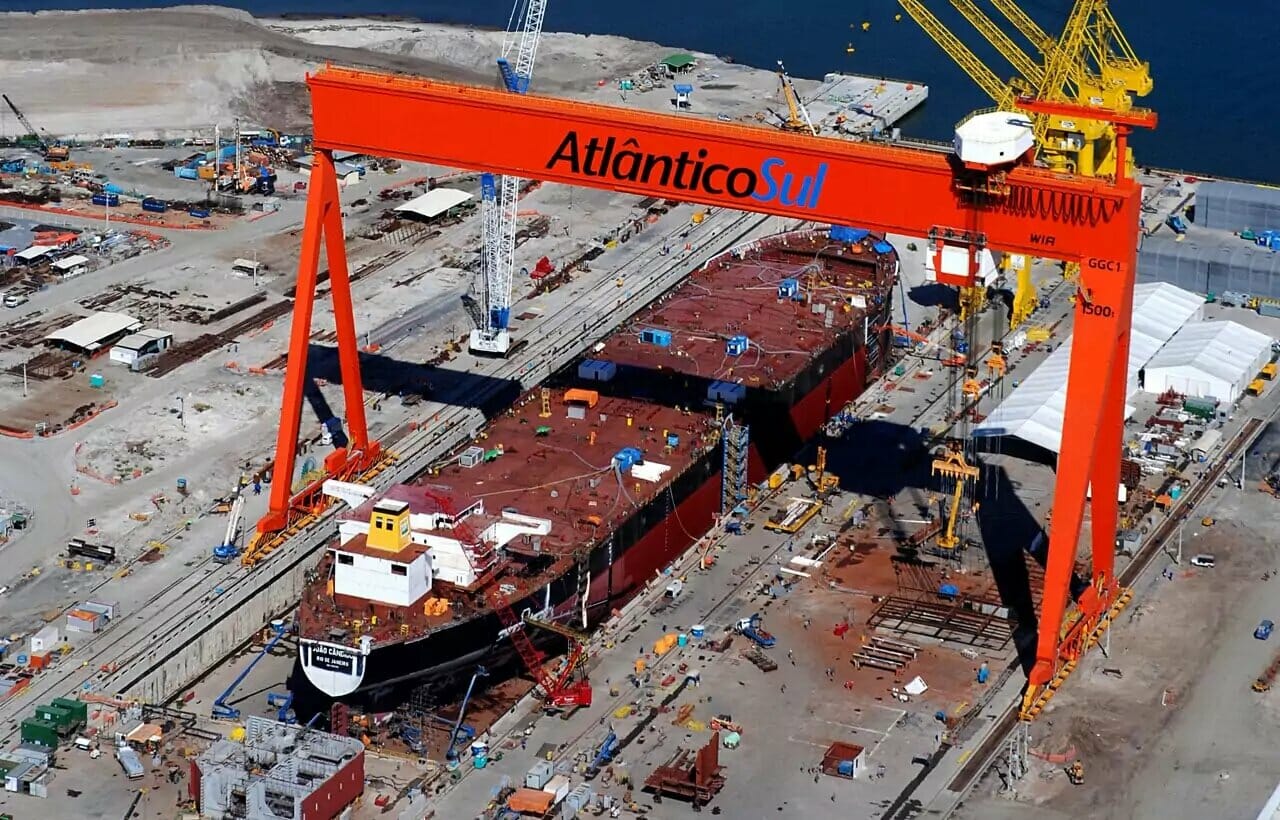
As The Brazilian Shipbuilding Industry Remembers The Glories And Failures Of The Past, Petrobras Aims To Balance Hope With Caution. The Resumption Of Shipyards And The Creation Of Quality Jobs Depend Not Only On The State-Owned Company’s Demand But Also On Avoiding The Mistakes That Shaped The Previous Crisis.
With the Launch of the Growth Acceleration Program (PAC 3) and Based on Its Strategic Plan (2023 – 2027), Petrobras Is Driving The Construction Of 25 Oil Tankers, While Simultaneously Decommissioning 26 Obsolete Platforms. This Initiative Brings Both Hope And Apprehension For The Shipyards And The Brazilian Shipbuilding Industry, Rekindling Memories Of The Challenges Faced In The Past While Creating New Jobs And Energizing The Economy.
Lula Announces Petrobras Investments To Revitalize The Shipbuilding Industry


Growth Acceleration Program (PAC 3) And Petrobras’ Ambition In Ship Construction
The History Of The Shipbuilding Industry In Brazil Is Marked By Ups And Downs, With Periods Of Flourishing And Difficulties.
The Current Ambitious Venture Revives Reminiscences Of A Decade Ago When Petrobras And The Federal Government Strived Vigorously To Revitalize The Sector.
-
Historic bankruptcy of Centauro shocks the market, and the century-old company puts more than 500,000 products, machines, and complete infrastructure up for online auction.

-
Future profession with immediate earnings: Specialist reveals how a solar energy technician earns R$ 8,000 per month by taking advantage of the explosion in demand across the entire country.

-
Work from 8:30 AM to 5:30 PM with a 1-hour break at Sicredi as a Customer Service Assistant and receive a salary + benefits such as life insurance, dental plan, partnerships, Gympass, and much more in job openings across various states.

-
Subsea7 has job openings: the company has offshore and onshore positions available in 2026 for operators, pilots, supervisors, engineers, and much more.

From 2000 To 2012, The National Bank For Economic And Social Development (BNDES) Saw The Allocation Of R$ 30 Billion In Financing For The Sector, Of Which R$ 10 Billion Were Effectively Disbursed.
This Capital Injection Boosted The Creation Of New Shipyards, Such As Atlântico Sul Heavy Industry Solutions In Pernambuco And Enseada Do Paraguaçu In Bahia, As Well As The Modernization Of Existing Naval Facilities.
The Initial Vision Was Ambitious: To Meet The Needs Of Petrobras And Transpetro, Which Commissioned An Impressive Fleet Of 26 Oil Tankers Through The Fleet Modernization And Expansion Program (Promef).
The Boom Resulted In The Creation Of 80,000 Direct Jobs In The Shipbuilding Industry, Bringing A New Economic Perspective To Regions Like Ipojuca, Pernambuco.
However, Similar To The Tragedy Of The Titanic, The Journey Was Filled With Obstacles.
The Brazilian Shipbuilding Industry Faced Design Errors And Poor Management, Highlighted By The Revelations Of Operation Lava-Jato And A Financial Crisis At Petrobras.
The Shipwreck Resulted In The Cancellation Of Several Orders And The Disappearance Of 60,000 Jobs, Negatively Impacting Not Only The Shipyards But Also The Regions That Had Grown As New Naval Hubs.
What Brazilian Shipyards Should Avoid To Ensure Success In The New PAC
Today, Brazilian Shipyards Find Themselves At A Crossroads.
The General Secretary Of The National Union Of The Shipbuilding And Offshore Construction Industry (Sinaval), Sérgio Leal, Highlights The Need To Meet Petrobras And Transpetro’s Demand As A Crucial Step To Revitalize The Sector And Create Quality Jobs.
However, He Also Warns About The Importance Of Avoiding The Mistakes Of The Past, Such As Imposing Unattainable Levels Of National Content.
The Requirement For High Percentage Of Nationalization, As Occurred With Promef, Is Seen As One Of The Main Factors That Contributed To The Previous Crisis.
Leal Emphasizes That, Although The New Nationalization Percentage Is Still Under Discussion, It Is Expected To Be More Realistic Than The Previous 65%, Allowing Greater Flexibility And Competitiveness.
Optimism Prevails Among Industry Experts, With The Belief That Past Experiences Will Serve As Valuable Lessons For A More Promising Future.
The Lessons Learned, Both The Successes And Failures, Are Essential Elements To Revitalize The Shipyards And Establish A Solid Foundation For Sustainable Growth.
Contacted By The Folha de Pernambuco To Comment On The New PAC 3, The Shipyards Atlântico Sul Heavy Industry Solutions And Vard Promar, Located In The Suape Complex, Did Not Wish To Comment At This Time.










Seja o primeiro a reagir!