





 Português
  Inglês
  Espanhol
 3 min de leitura
  0 comentários


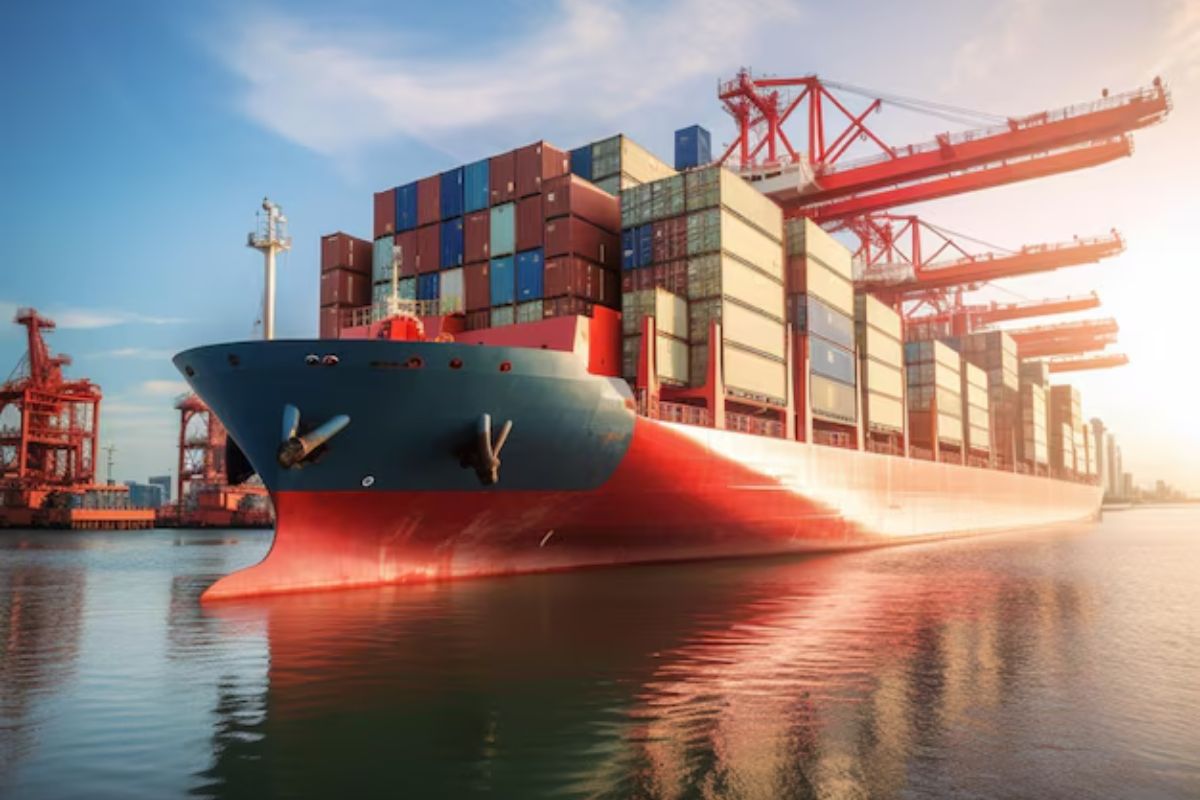
The Naval Industry in Brazil Will Have New Local Content Indices Approved by CNPE for Maritime Support Vessels, Measure That Stimulates Jobs, Innovation, and Sustainability in the Sector
The Naval Industry in Brazil received important news this week. The National Council for Energy Policy (CNPE) approved a resolution that sets minimum local content indices for maritime support vessels, according to a report published.
This means that, from now on, ships built in the country will need to follow specific rules to ensure that a significant portion of the inputs, equipment, and services used come from Brazilian companies.
In practice, shipyards will have to achieve at least 60% local content of the total for the vessel.
-
Historic bankruptcy of Centauro shocks the market, and the century-old company puts more than 500,000 products, machines, and complete infrastructure up for online auction.

-
With earth, bamboo, straw, and lime mortar, a specialist builds a house for just over $460 and draws attention for its cost being much lower than traditional construction.

-
Rodrigo de Freitas Lagoon advances in environmental recovery with sanitation, elimination of irregular sewage, and the resumption of water sports in Rio de Janeiro.

-
New shoe factory in Ceará is expected to create 400 jobs and strengthen the local economy.
In addition, it will be mandatory to reach 50% in at least two of the three defined groups: engineering; machinery, equipment, and materials; or construction and assembly.
These numbers clearly show an attempt to strengthen the national production chain, creating more job opportunities and increasing the competitiveness of the Naval Industry in the face of international challenges.
How Brazilian Shipyards Will Be Impacted
With this measure, the 19 large shipyards spread along the Brazilian coast and the Amazon River gain more relevance within the energy sector.
The local content requirement creates an environment where national engineering and materials supply companies can become more strategic.
The expected direct effect is an increase in job vacancies and a positive movement in different segments, from equipment production to assembly services.
Another highlight is the predictability: the rules allow shipyards and suppliers to plan more clearly to meet the established percentages.
Technological Innovation Within the Naval Industry
Not all vessels will need to follow the same numbers. The CNPE established exceptions for ships considered innovative, such as those with plug-in hybrid engines or equivalent sustainable technologies.
For these cases, the minimum local content indices have been set at 50% of the total and 40% in at least two of the three investment groups.
This detail shows the government’s concern in stimulating technological solutions linked to sustainability.
The Naval Industry now has a clear incentive to invest in vessels that align with global trends in energy transition, preparing Brazil to meet future demands more efficiently.
The Role of ANP in Supervision
The National Agency of Petroleum, Natural Gas, and Biofuels (ANP) has been designated to closely monitor compliance with the indices. It will be up to the ANP to measure and supervise each stage, ensuring transparency and good practices in the process.
In addition, all results will be communicated to the Ministry of Development, Industry, Commerce, and Services (MDIC), which reinforces the integration between public bodies and productive sectors.
This dynamic creates a network of trust among government, companies, and society, reinforcing the credibility of the Brazilian Naval Industry.
At the same time, it establishes a path for sustainable development in the long term, aligning national production with innovation and job creation.









Seja o primeiro a reagir!