





 English
  Francês
  Alemão
  Italiano
  Japonês
  Norueguês
  Portuguese
  Spanish
 4 min of reading
  0 comments


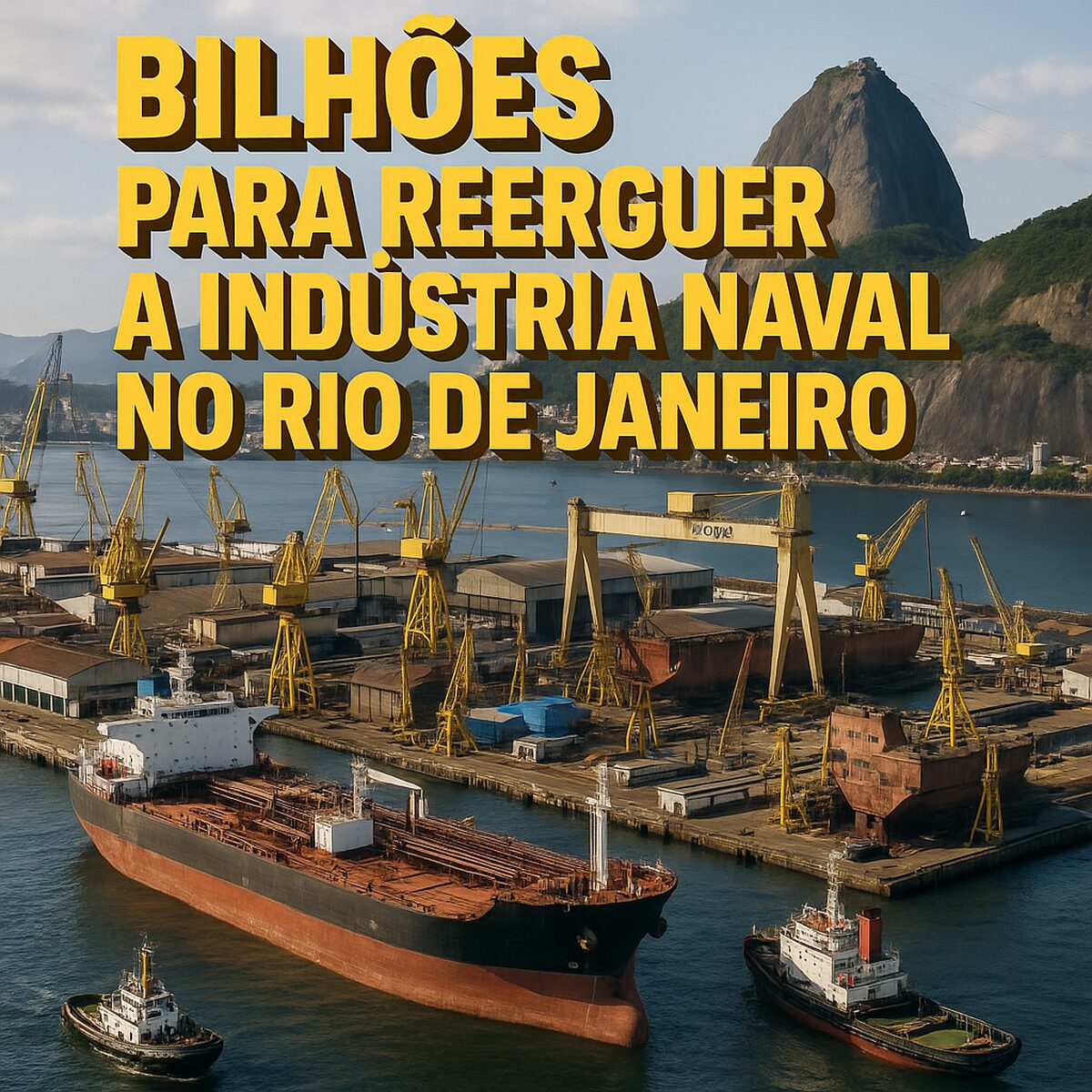
With Focus on Infrastructure, Sustainability and Jobs, Merchant Marine Fund Releases Largest Investment in Its History — and Rio is the Protagonist
Few people notice, but the Brazilian naval sector has been moving in an unprecedented way since May 2025.
While the world turns to energy transition and logistical security, Brazil bets on something it knows well — the strength of its coast and the talent of its shipyards.
More specifically, a plan of R$ 6.6 billion was authorized by the Merchant Marine Fund (FMM) and will have as its certain destination the reconstruction of the naval industry, as well as the restructuring of the port sector and, finally, placing the Merchant Marine at the center of the national strategy.
The starting point? The state of Rio de Janeiro, home to historic shipyards, iconic ships, and thousands of professionals who have been waiting for a concrete comeback for years.
-
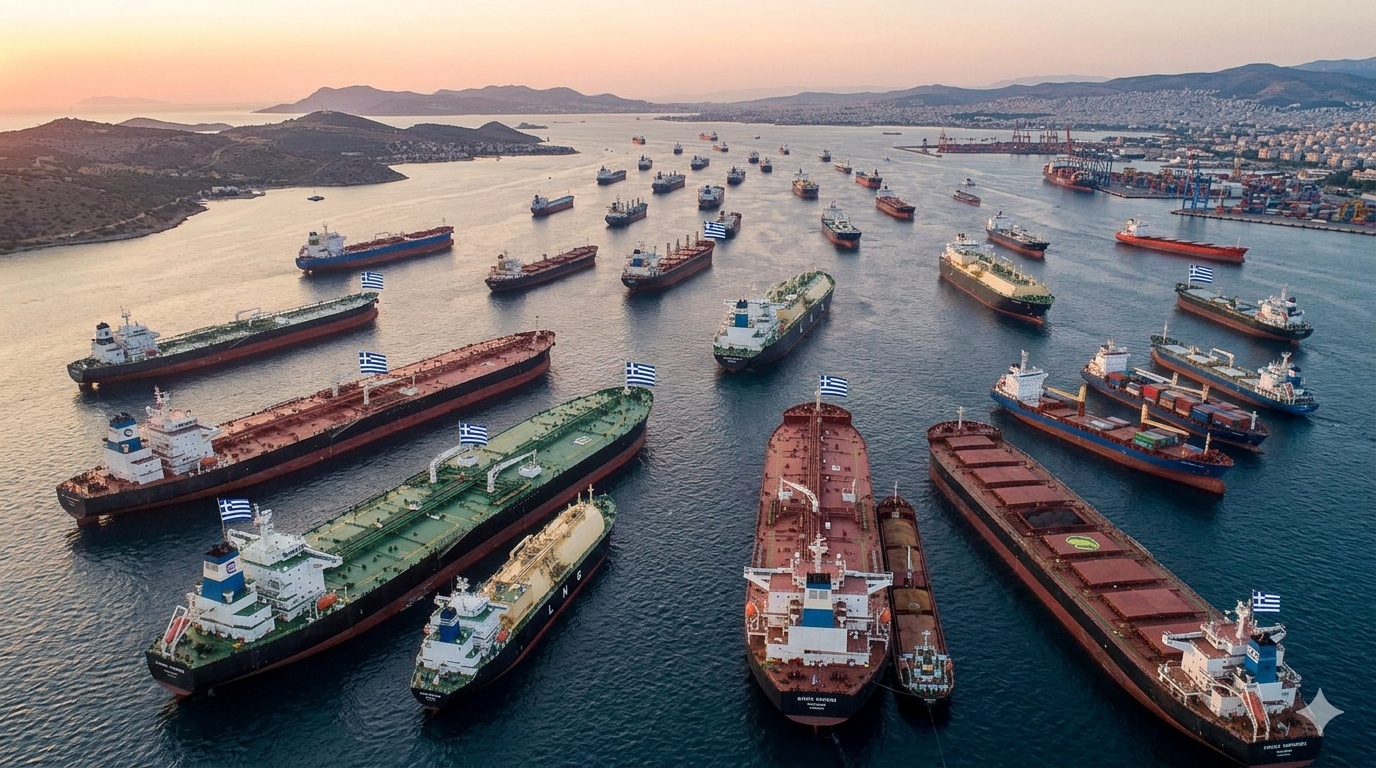
Neither the USA nor China: a small European nation has become one of the largest maritime powers on the planet, controlling one of the largest merchant fleets in the world with thousands of ships and dominating the global transportation of oil and strategic cargo.
-
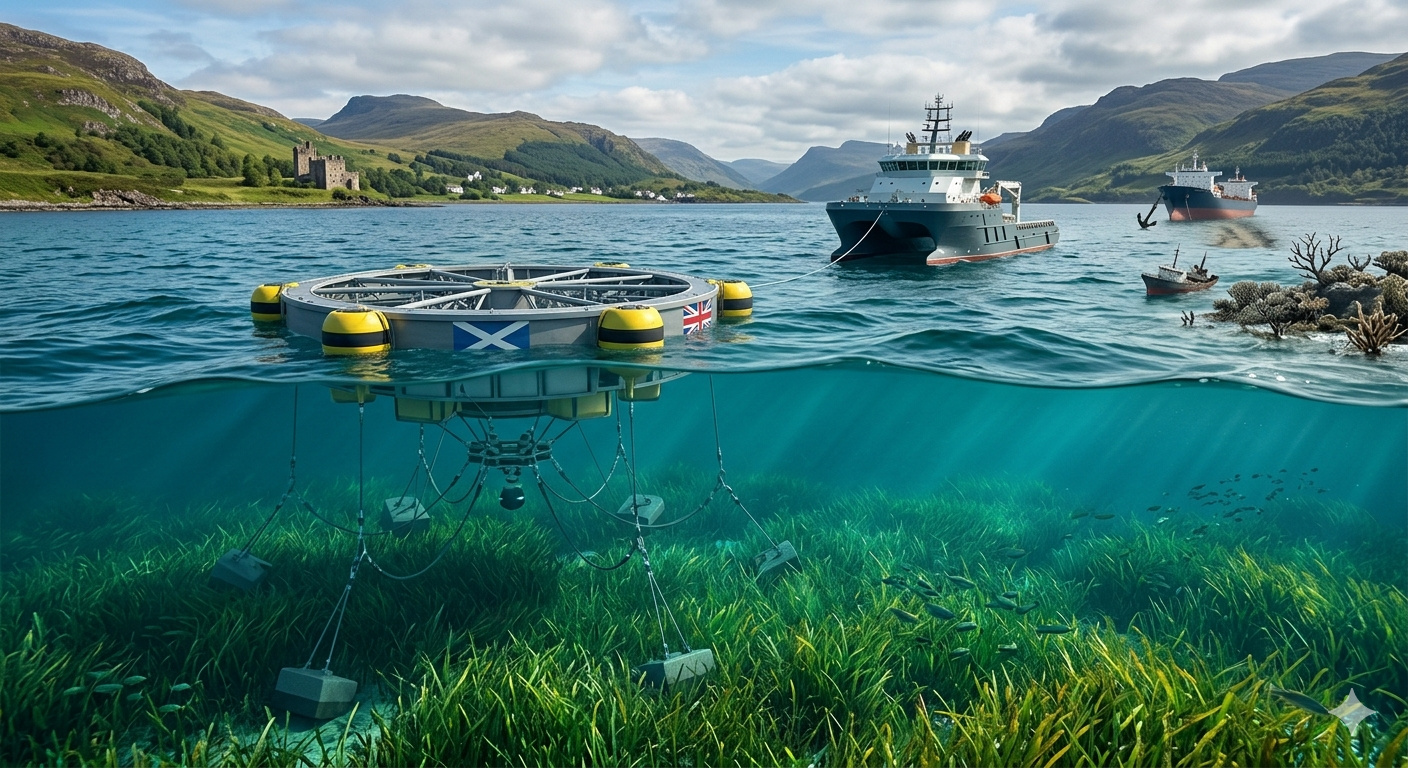
Scotland and the United Kingdom have created a new anchoring system that floats in the water without touching the seabed, after discovering that the current from a conventional anchor destroys up to 50 m² of seagrass meadow per event and that ship-damaged reefs showed no signs of recovery even ten years later.
-
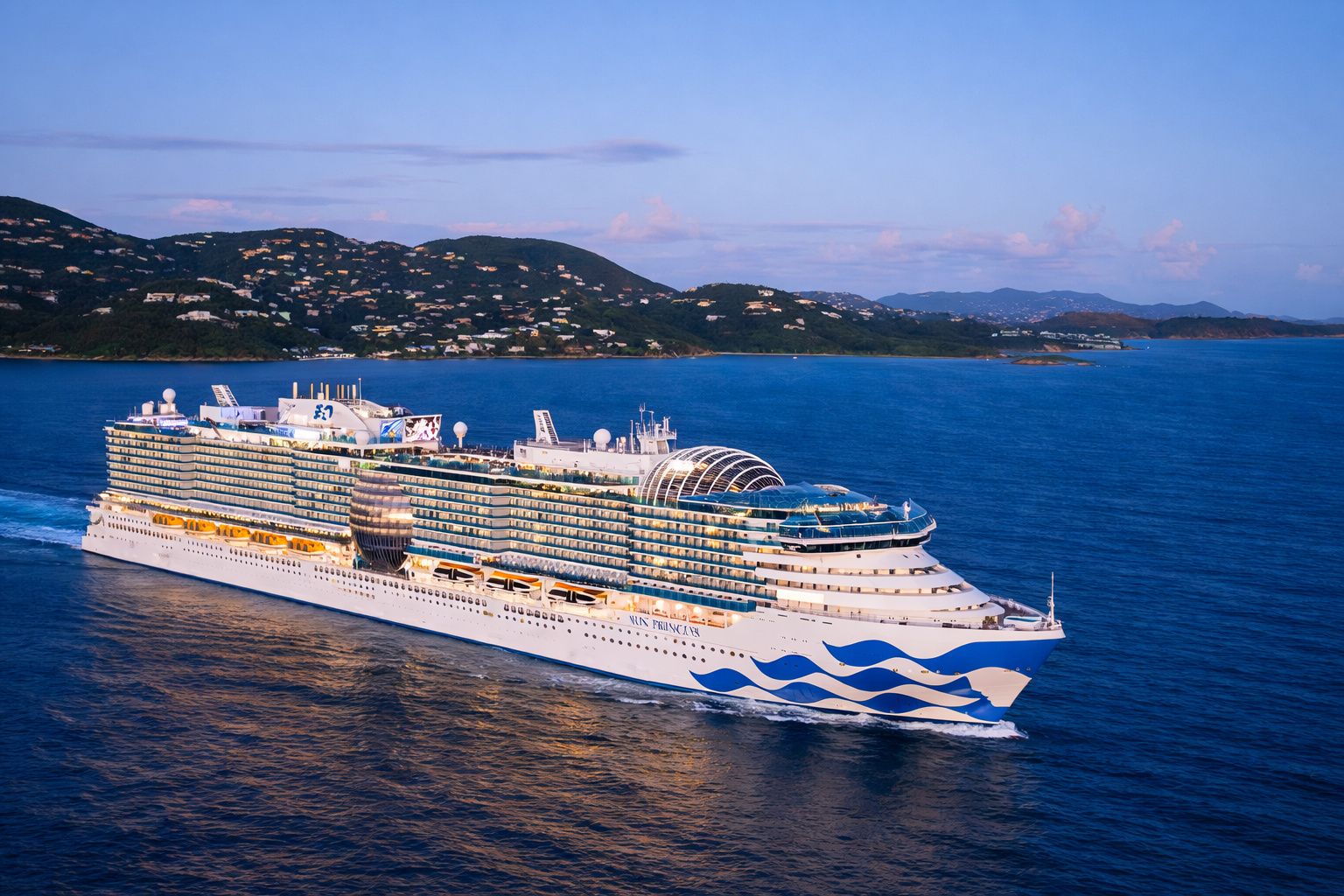
Weighing 175,500 Tons, Measuring 345 Meters Long, and With Capacity for Over 4,300 Passengers, the Sun Princess Becomes the Largest Ship Ever Built by Princess Cruises and Attracts Global Attention for Its Huge Glass Dome Inspired by Santorini’s Architecture Installed on Top of the Vessel
-
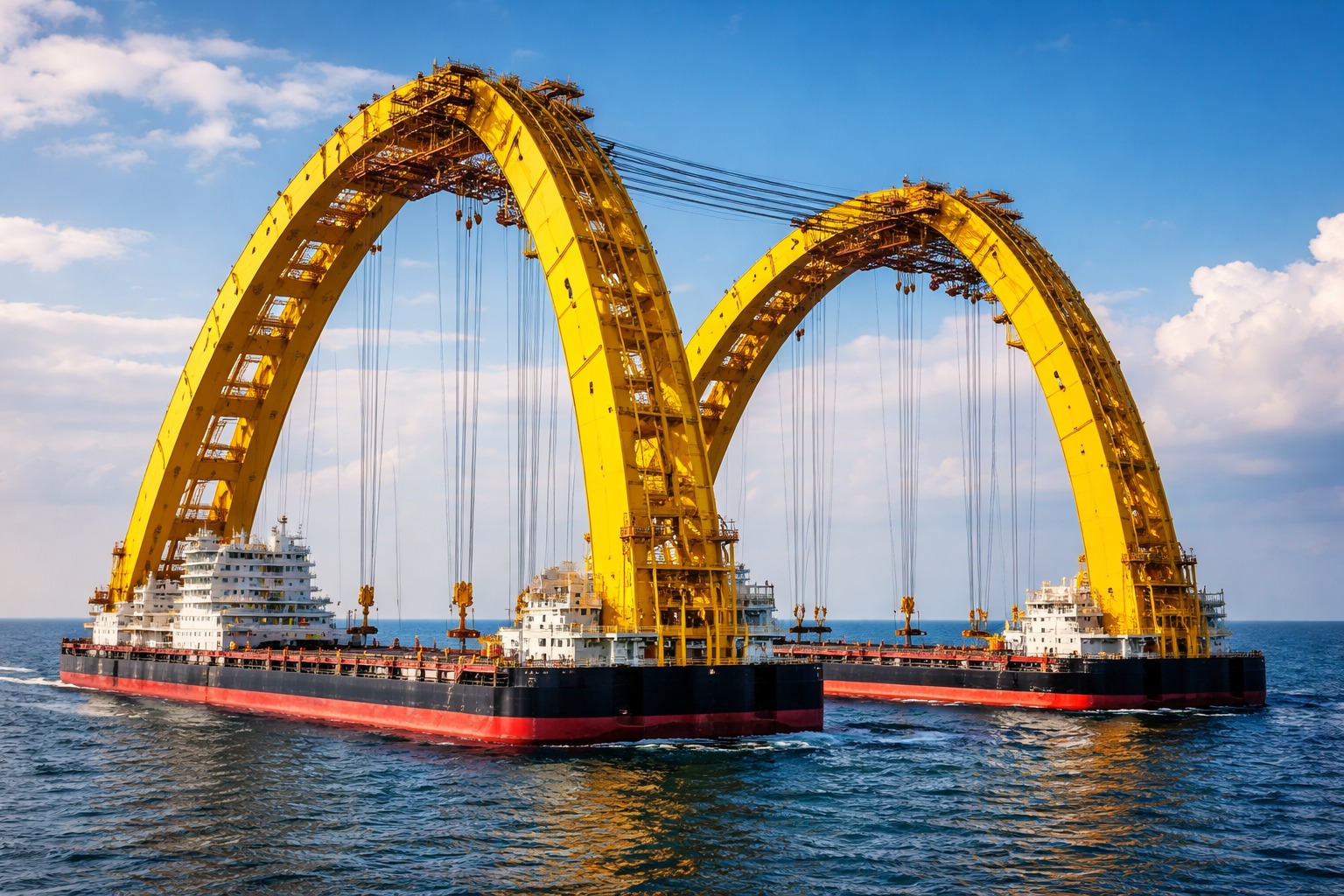
TX-10, The Colossus of The Sea: Largest Lifter Ship in The U.S., With Two Giant Barges, 73-Meter Tall Structure, and Strength to Raise 7,500 Tons of Sunken Oil Rigs

It All Started with a Decisive Meeting in May 2025
On May 9, 2025, the FMM council met in Brasília and, as a result, approved the largest resource package since the fund’s creation in 1958.
R$ 22 billion were released, of which R$ 6.6 billion will be directly invested in Rio de Janeiro.
In practice, this decision marks a turning point for the sector.
The plan includes the construction of ships for Petrobras, modernization of shipyards in Niterói, and the implementation of new port terminals focused on mining and export.
The promise now comes with a schedule, projections, and execution coordinated by institutions such as BNDES, Caixa Econômica Federal, Ministry of Ports and Airports, and ANTAQ.
Petrobras, Green Port, and Cedro Participações Lead Investments in the Sector
Among the confirmed projects, Petrobras will play a central role.
Four Handy ships will be built for transporting oil derivatives, with an investment of R$ 1.5 billion and expectation of 640 direct jobs.
Construction is expected to start in January 2026.
Green Port, which operates a shipyard on Ilha da Conceição in Niterói, will receive R$ 242.2 million to install a new floating dock and modernize its facilities.
The goal is clear: to reduce maintenance waiting times and expand the technical capacity of the unit.
Construction begins in November 2025.
The third project is by Cedro Participações, which will implement port terminal ITG 02, focused on the handling of iron ore.
With an investment of R$ 3.5 billion, the company will install the structure by 2028 and generate 2,847 direct jobs during execution.
The focus will be on logistical efficiency and environmental commitment.
Historical Recovery: Rio de Janeiro and Brazilian Naval Tradition
Rio de Janeiro was once the heart of the Brazilian naval industry.
Its shipyards built iconic ships and generated large-scale jobs.
In recent decades, disinvestment, international competition, and technological advances have progressively weakened the sector.
Industry experts see this FMM package as an attempt to reverse this negative trend — based on solid projects, real data, and coordinated execution.
According to the Ministry of Ports and Airports, all enterprises are supported by technical studies and financial feasibility.
Sinaval (National Union of the Naval and Offshore Industry) estimates that Brazil will create up to 10,000 direct and indirect jobs.
More than that, the sector may reactivate technical courses, supply chains, and research centers related to shipbuilding.
Sustainability and Innovation in Port and Naval Infrastructure
It’s not just about building ships or expanding ports.
According to ANTAQ, the projects include energy efficiency technologies, water reuse, and emissions monitoring.
For example, Cedro’s terminal will have automated conveyor belts, telemetry, and real-time digital management panels.
In addition, there will be periodic inspections, audited environmental reports, and compliance with ANTAQ’s technical standards, as required by all projects with public resources.
Can Brazil Become a Protagonist in the Naval Sector Again?
This is the question looming over the naval sector.
For many, this is the best chance since the peak of the industry in the 2000s.
For others, it’s a test: Is it possible to reindustrialize responsibly, with planning and transparency?
For now, what there is are concrete plans, scheduled works, and mobilized institutions.
Execution will tell how ready Brazil is to navigate again with autonomy.
But if current efforts are any indication, the future of the naval industry, the Merchant Marine, and the Brazilian port sector may finally be promising again.









Seja o primeiro a reagir!