





 English
  Francês
  Alemão
  Italiano
  Japonês
  Norueguês
  Portuguese
  Spanish
  6 min of reading
  0 comments


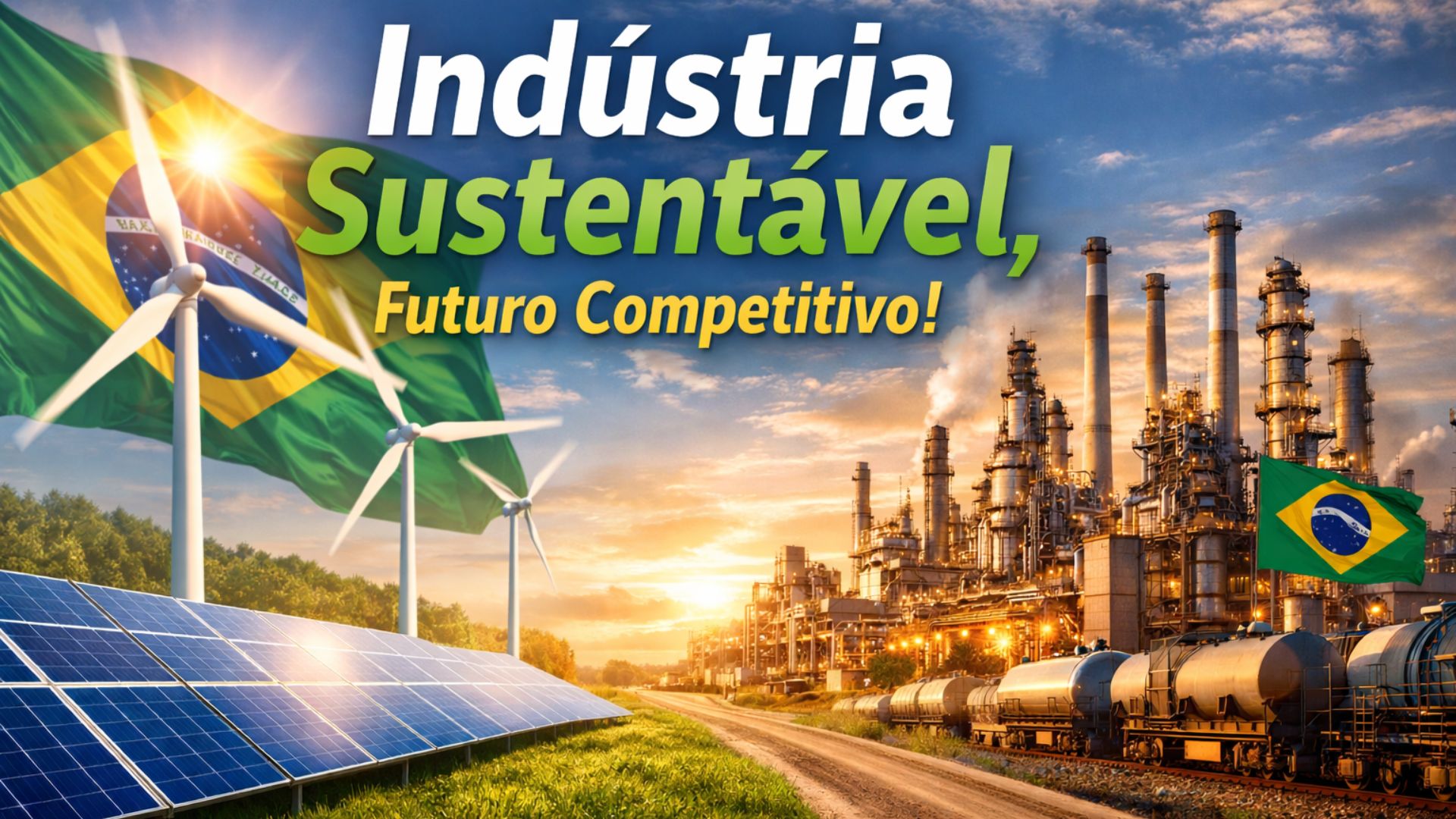
Industries in Brazil Expand Investments in Clean Energy and Productivity Efficiency to Reduce Environmental Impact. Advances in Emission Reductions, Sustainability, and Technological Innovation Show How the Brazilian Industrial Sector is Adapting Its Processes to Compete in the Low-Carbon Economy
The global race for decarbonization is reshaping the world economy and pressuring companies to rethink their production models. In Brazil, this movement is already visible. Increasingly, Brazilian industries are incorporating emission reductions as a central part of their corporate strategies, combining sustainability and technological innovation to reduce environmental impacts and gain competitiveness in a global market that values responsible practices.
According to a publication from the Além da Energia portal by Engie, on March 12, this process is driven by various factors. Regulatory pressures, international climate commitments, and the increasing value of sustainable supply chains have been encouraging companies to accelerate investments in energy efficiency and renewable energy. At the same time, economic instruments like the carbon market emerge as tools capable of stimulating new decarbonization initiatives.
Carbon Credits Market Nears US$ 1 Trillion per Year
Globally, experts estimate that the carbon credits market is already moving values close to US$ 1 trillion per year, with projections for significant growth in the coming years. According to analyses from BloombergNEF, this volume could double by 2028, reflecting the rising demand for mechanisms that encourage emission reductions across different sectors of the economy.
-
With earth, bamboo, straw, and lime mortar, a specialist builds a house for just over $460 and draws attention for its cost being much lower than traditional construction.

-
Rodrigo de Freitas Lagoon advances in environmental recovery with sanitation, elimination of irregular sewage, and the resumption of water sports in Rio de Janeiro.

-
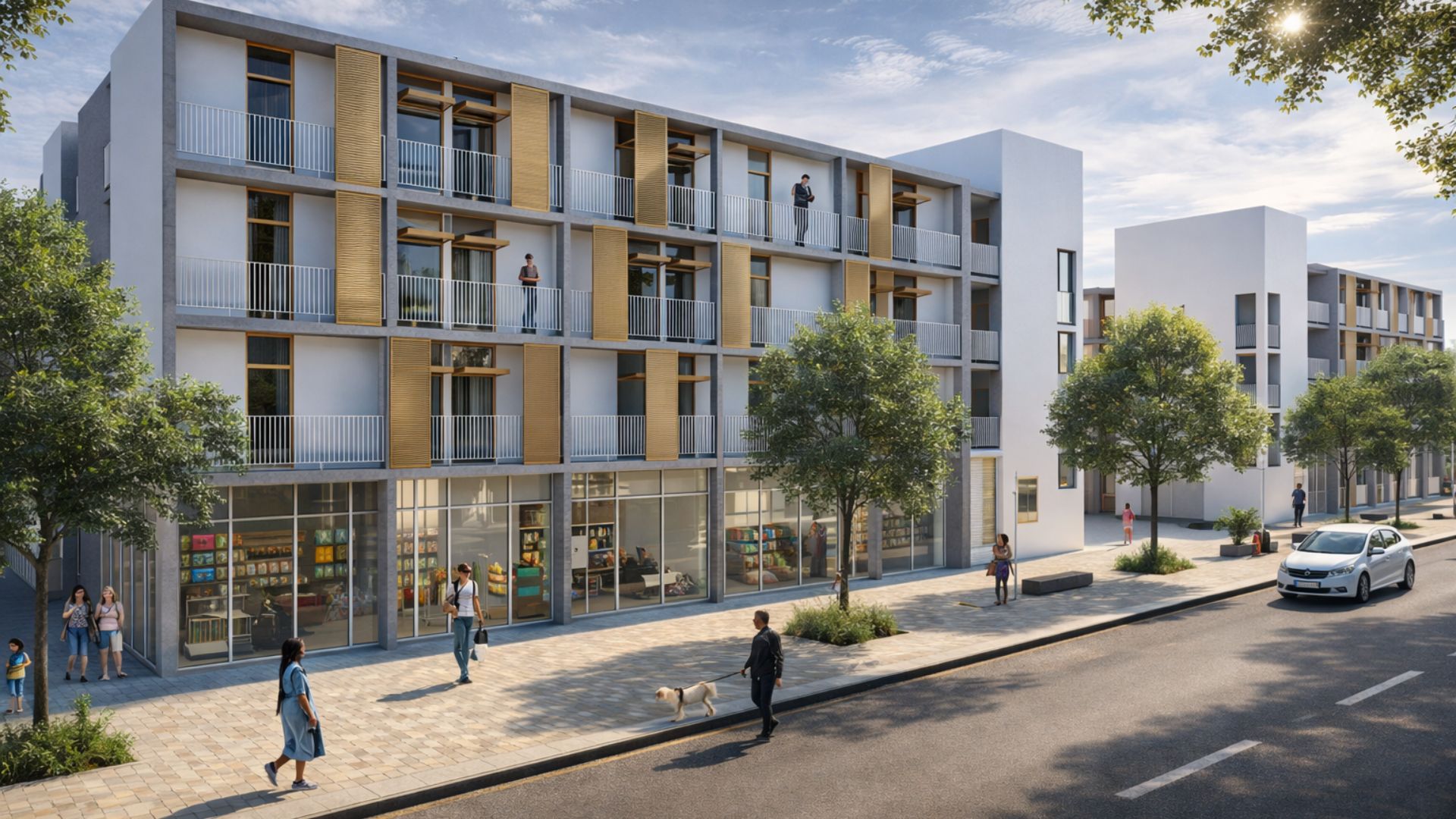
Sustainable housing gains strength with a nationally awarded project in Campo Grande, highlighting innovative solutions that combine sustainability, urban integration, and efficiency in the use of natural resources.
-
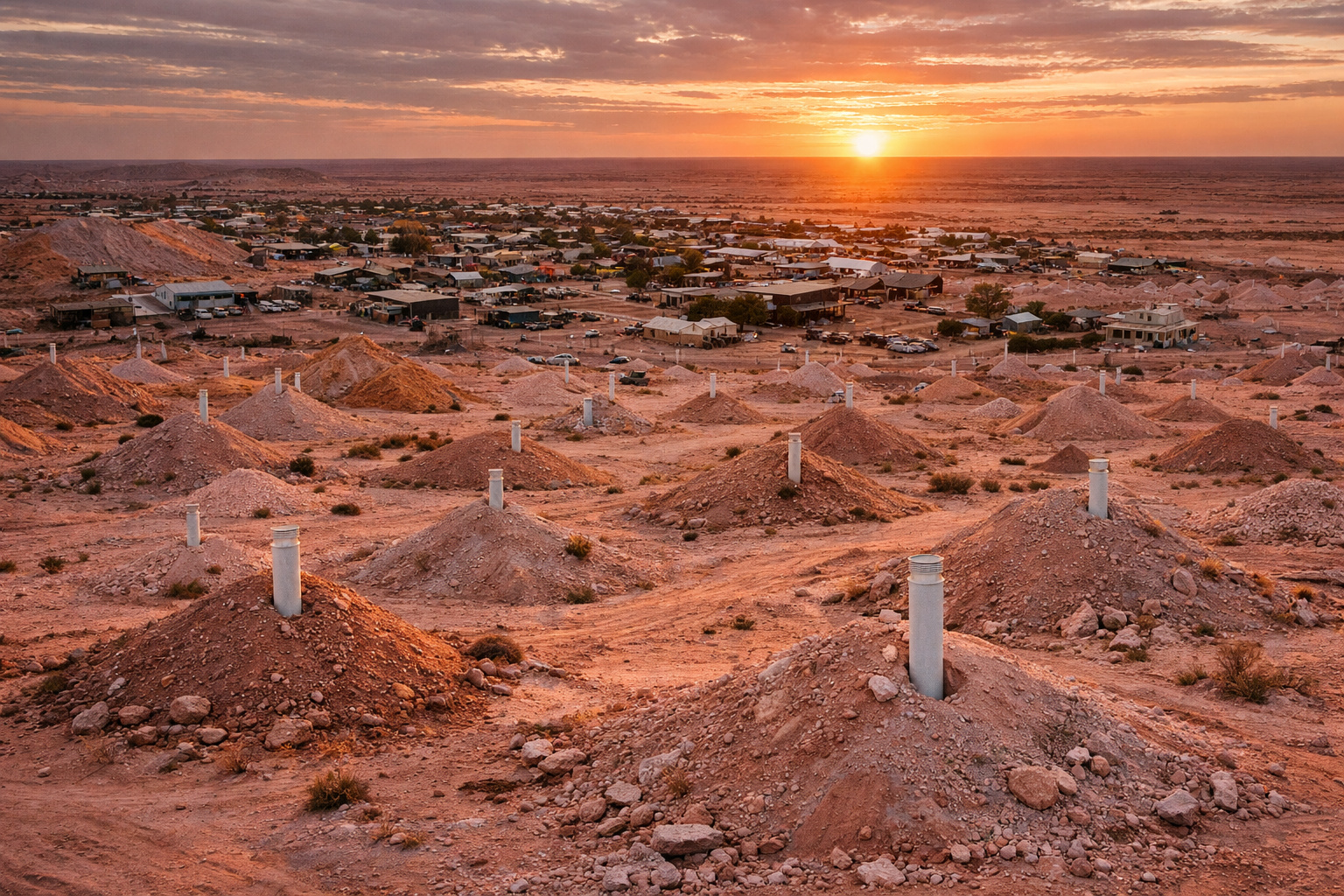
City Where Residents Live Underground to Escape 52°C May Be a Picture of the Future on an Increasingly Hot Planet

In Brazil, this scenario gained new momentum with the creation of a regulated carbon market. The Law No. 15.042/2024 established the Brazilian Emissions Trading System (SBCE), allowing companies that reduce their emissions to trade credits with organizations that exceed established limits. For many companies, this change represents a strategic opportunity to align sustainability with profitability.
In this context, Brazilian industries are taking a significant role in the transition to a low-carbon economy. By combining technological innovation, energy efficiency, and new environmental management models, the industrial sector is beginning to consolidate a path that can transform climate challenges into economic opportunities.
Brazilian Industries Expand Emission Reductions with Clean Energy and Productivity Efficiency
The adoption of renewable sources has consolidated as one of the main strategies to reduce environmental impacts in the industrial sector. Data from the National Energy Balance (BEN) 2025, prepared by the Ministry of Mines and Energy (MME) and the Energy Research Company (EPE), indicates that the Brazilian industry used 64.4% renewable energy in 2024.
This number places the country in a relatively favorable position in the global climate agenda. The use of electricity from clean sources, combined with the utilization of bioenergy, has contributed to reducing the carbon intensity of industrial activities.
Within this context, electricity accounted for about 22% of the total energy consumption in the industry, with 88.2% of this electricity originating from renewable sources. The presence of sources such as hydropower, wind, and solar, as well as the use of biomass like sugarcane bagasse and black liquor, reinforces the clean energy base of the sector.
This context favors emission reductions and creates conditions for Brazilian industries to expand sustainability initiatives without compromising productivity competitiveness.

Corporate Sustainability Gains Strength with Investments in Technological Innovation
The transformation of the Brazilian industrial sector can also be observed in the increase of investments in environmental projects. A survey commissioned by the National Confederation of Industry (CNI) reveals that 48% of industrial companies are already investing in actions aimed at the use of renewable energy.
This number represents a significant advance compared to 2023, when only 34% of companies reported similar initiatives. The evolution demonstrates that sustainability practices are moving from being mere reputational differentiators to becoming strategic components of corporate management.
Additionally, 25% of industries state that the use of renewable energy is one of the main strategies to reduce greenhouse gas emissions. This change reflects a broader trend of integration between environmental goals and corporate planning.
In this process, technological innovation plays a crucial role. Solutions such as industrial automation, process digitization, smart energy management systems, and new clean generation technologies have allowed for significant efficiency gains.
Together, these tools help Brazilian industries accelerate emission reductions, broaden their sustainability agenda, and strengthen their position in increasingly demanding markets regarding environmental performance.
Carbon Market Creates New Opportunities for Emission Reductions in the Industry
The development of a regulated carbon market represents one of the most relevant changes in recent Brazilian climate policy. The Brazilian Emissions Trading System establishes trading mechanisms for credits between companies, creating economic incentives for the effective reduction of greenhouse gases.
According to studies by PwC, Brazil has the potential to generate up to 370 million carbon credits by 2030. This volume is considered to exceed the forecasted domestic demand, which could open up space for exporting these environmental assets and attract new international investments.
For Brazilian industries, this framework creates new business opportunities. Companies that adopt technological innovation to reduce emissions can not only lower operational costs but also generate tradeable credits in the market.
In this context, emission reductions become not only an environmental commitment but also a competitive advantage. By integrating sustainability strategies with market instruments, the Brazilian industrial sector is beginning to develop new growth models aligned with global climate demands.
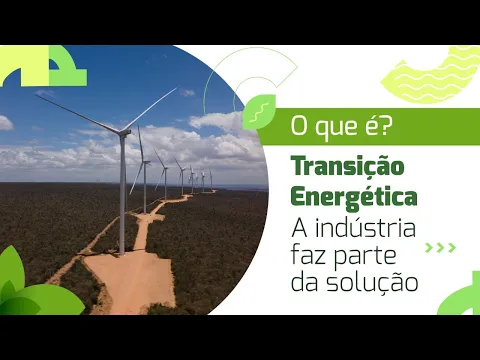
Examples of Sustainability and Technological Innovation in the Industrial Sector
Several companies operating in Brazil are already demonstrating in practice how emission reductions can be integrated into corporate strategies. The mining company Vale announced that it achieved 100% renewable electricity in its operations in Brazil in 2023, two years ahead of the originally planned target for 2025. This result was achieved through supply contracts with hydropower, wind, and solar plants.
Localiza also advanced in this process by adopting 100% renewable energy in all its service units since 2022. The company installed solar systems and formed partnerships with solar energy farms located in Minas Gerais, Rio de Janeiro, and Pernambuco.
Another relevant example comes from the consumer goods industry. Unilever implemented thermal and electric generation systems based on certified biomass and biodigesters in Brazilian factories. At a plant located in Indaiatuba (SP), the company recorded a reduction of up to 96% in CO₂ emissions associated with energy consumption.
In the petrochemical industry, Braskem entered into contracts for renewable energy purchases that include the construction of a 152 MWp solar plant in Minas Gerais, estimating a reduction of 130,000 tons of CO₂ over two decades. Another wind energy agreement has the potential to avoid 700,000 tons of CO₂ in 20 years.
These initiatives demonstrate how technological innovation, sustainability, and emission reductions are being increasingly incorporated by Brazilian industries.
Management of Indirect Emissions Expands Challenges and Opportunities for Sustainability
Although direct emissions represent a significant portion of the industrial carbon footprint, one of the biggest current challenges lies in the so-called Scope 3. This category encompasses indirect emissions throughout the entire value chain, including suppliers, transportation, use, and disposal of products.
Studies indicate that these emissions can be up to 11 times greater than the direct emissions generated by companies’ operations. For this reason, measuring and monitoring Scope 3 has become priorities on the corporate climate agenda.
To tackle this challenge, tools based on technological innovation are being developed to help companies map their emissions and identify reduction opportunities. Internationally recognized methodologies, such as the GHG Protocol, have also been used to standardize greenhouse gas inventories.
With greater transparency and efficient management of supply chains, Brazilian industries can advance in their emission reduction goals, strengthen sustainability practices, and improve the environmental performance of their products.
The Path That Can Consolidate Brazilian Industries in the Low-Carbon Economy
The industrial transformation towards a low-carbon economy is already underway and is expected to intensify in the coming years. The increasing global demand for sustainable products, combined with new climate regulations, is likely to heighten the pressure for companies to reduce their emissions.
In this scenario, Brazilian industries have significant advantages. The predominantly renewable energy matrix, the availability of natural resources, and the potential for generating carbon credits place the country in a strategic position in the decarbonization process.
By investing in technological innovation, energy efficiency, and new sustainable production models, the industrial sector can turn environmental challenges into growth opportunities. The emission reductions thus become not just a regulatory obligation but also a fundamental element for strengthening the country’s economic and environmental sustainability.
If it maintains this pace of transformation, the Brazilian industry could play a decisive role in building a cleaner, more resilient production model aligned with the climate demands of the 21st century.









Seja o primeiro a reagir!