





 English
  Francês
  Alemão
  Italiano
  Japonês
  Norueguês
  Portuguese
  Spanish
  4 min of reading


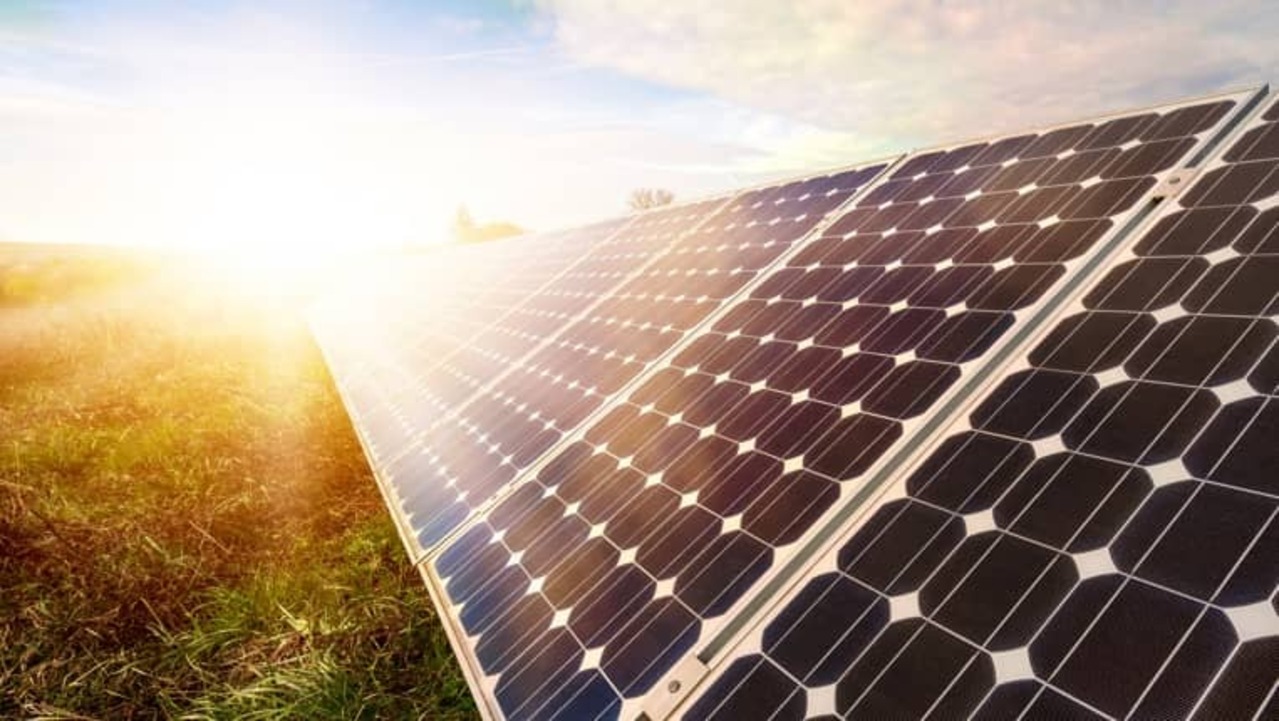
Expert Explains Main Advantages of the New Solar Energy Bill That Proposes a “Sun Tax” on Distributed Generation
Federal deputy Lafayette de Andrada, rapporteur of the Bill that seeks to tax the distributed generation of solar energy in Brazil, stated that the proposed amendments are “fair and balanced.” The 2019 Bill proposing the sun tax states that people can generate their own energy at home through solar panels, provided there is a fee charged on Distributed Generation (DG), or a “sun tax,” as dubbed by President Jair Bolsonaro.
Also Read
The President of the Solar Free Movement, Hewerton Martins, claims that the sun taxation initiative, even with the likelihood of making solar energy more expensive, means that Brazil would become underdeveloped in photovoltaic solar energy. Furthermore, the Bill proposing the sun tax should not have an environmental impact, considering that the panels would be installed on houses and buildings, taking advantage of urban spaces.
The mission is to use subsidy money to install solar panels for everyone. “Whether using or not, everyone pays the minimum fee. This project eliminates this fee to enable socially vulnerable people to have access to solar energy,” he concluded.
-
With 160,000 m² of collectors, an area larger than 20 football fields, Silkeborg, in Denmark, hosts a solar thermal plant that heats 19,500 homes and could become the largest solar heating plant in the world.

-
A study reveals the expansion of renewable energy procurement in Brazil and shows how companies are taking advantage of opportunities to reduce expenses, ensure energy efficiency, and strengthen strategic environmental commitments.

-
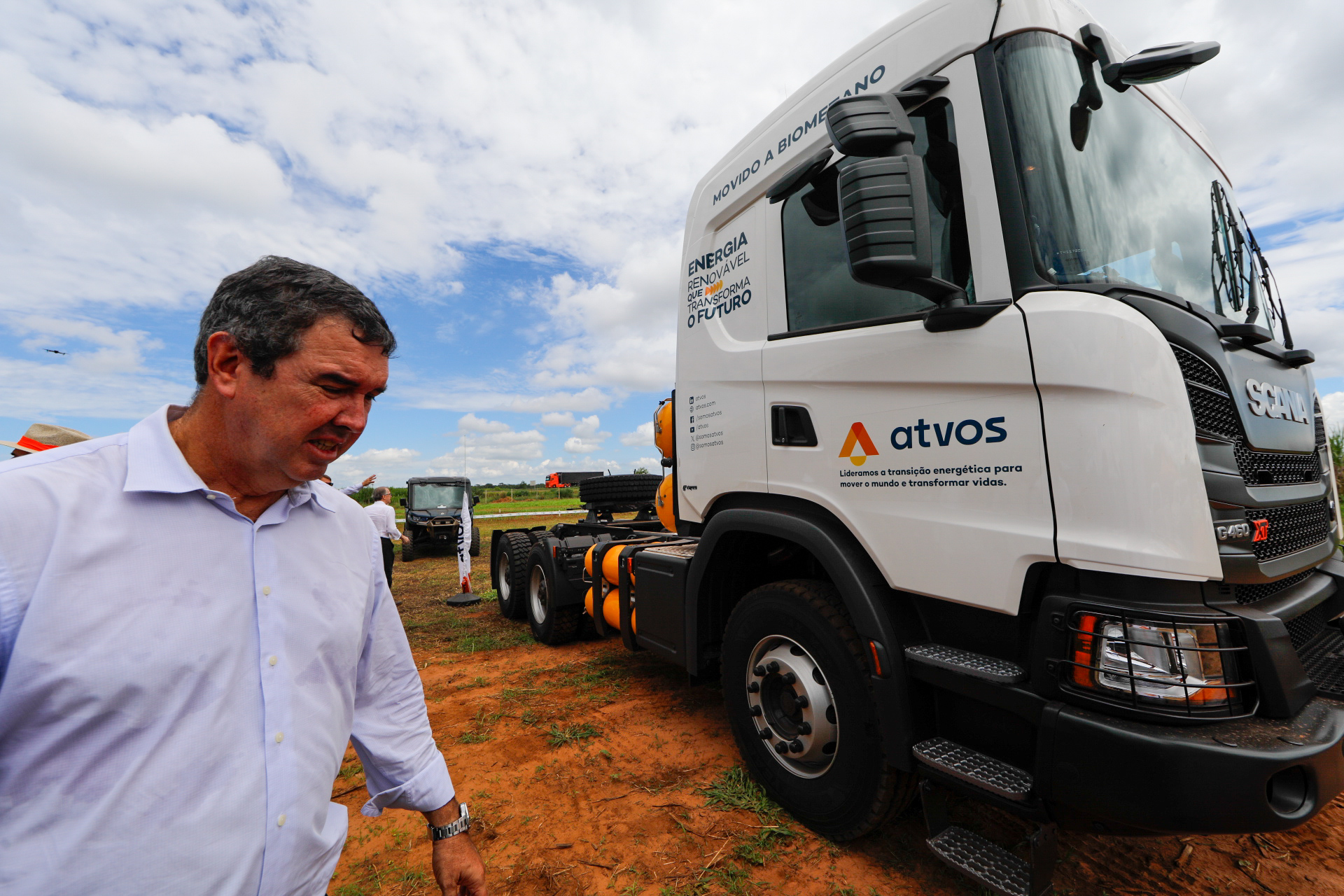
Mato Grosso do Sul excels in the sugar-energy sector: the state reaches a milestone of 22 operating mills and accelerates the production of clean energy in MS with a focus on sustainability.
-
National energy dilemma: Brazilians support clean energy but reject increases in tariff costs to finance the sustainable transition.
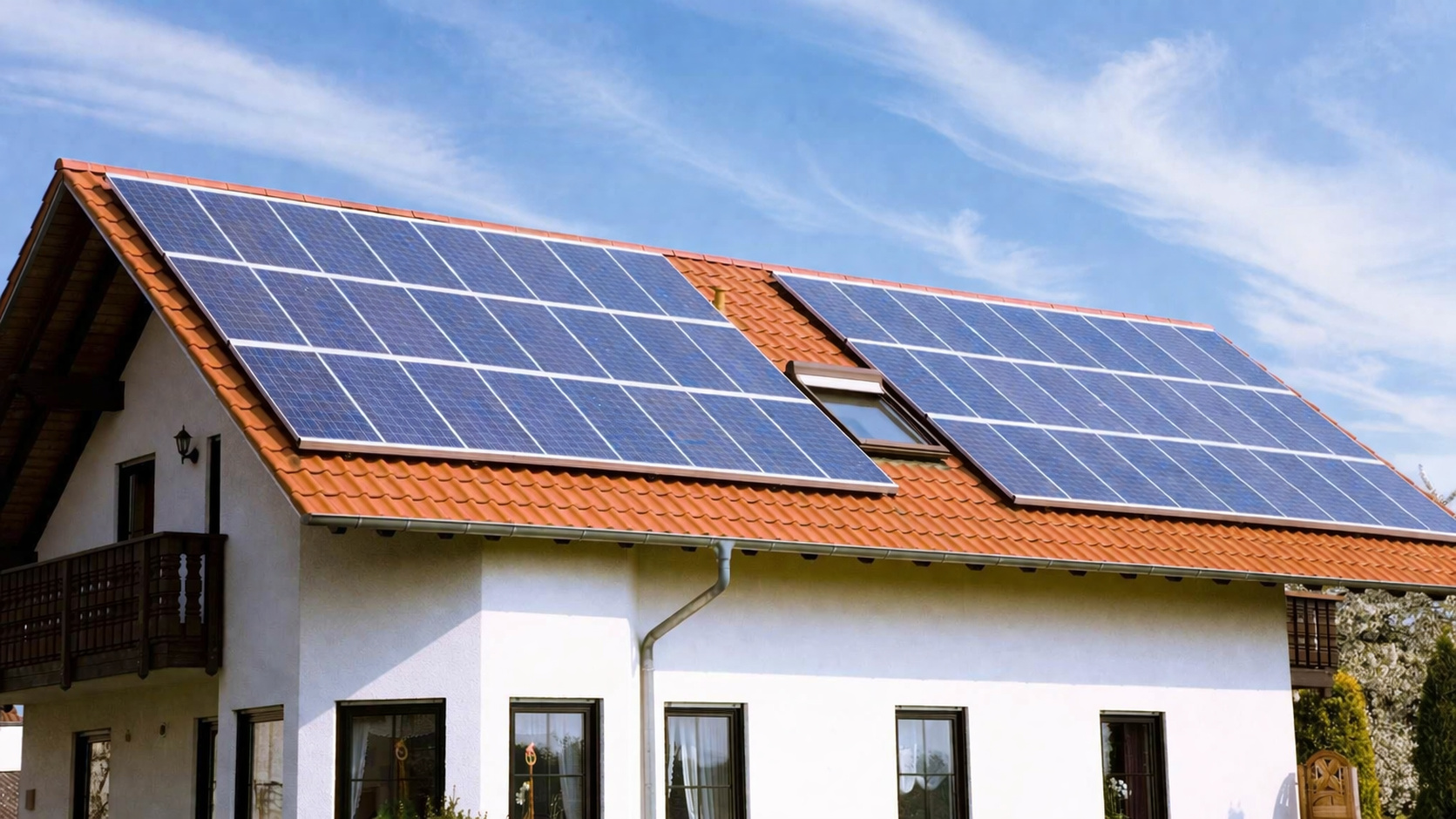

The Benefits of Solar Distributed Generation in Brazil Are Numerous. Some of Them Are:
Reduction of Losses During Distribution: Whenever energy is generated centrally, it travels for miles until it reaches the appropriate distribution centers, meaning energy is sent to various points before arriving at its destination, leading to high expenses in building distribution lines and also causing losses during the transmission process. Distributed generation helps significantly reduce these losses since most of what is generated is consumed on-site.
More Stability for the System: In times when it cannot meet demand alone, such as at night and during cloudy days, the surplus generated previously can be used, making the system more reliable with distributed generation, thereby avoiding power shortages at the consuming unit.
Reduction of Electricity Costs: It is worth noting that, just in November of last year, consumers who generated their own energy helped the sector save over 400 million with thermal power plants, due to distributed generation.
The Growth of Solar Energy in Recent Years
The distribution of solar energy systems worldwide has grown exponentially in recent years. According to the IEA, by 2022, solar energy usage may reach 30% in countries like China, Germany, Japan, and the USA, which have a higher installed generation capacity.
In Brazil, there is a predominantly renewable energy matrix that stands out among many leading production countries. Our country has solar irradiation levels superior to those of countries where solar energy utilization projects are extensively explored, such as Germany, France, and Spain.
It is estimated that the installed capacity of solar generation will reach 13 GW in 2026, with 9.6 GW of centralized generation and 3.4 GW of distributed generation, according to the Ten-Year Energy Expansion Plan.
About INEL Brazil
The National Institute of Clean and Sustainable Energy (INEL Brazil) is a center of intelligence to support efforts in favor of clean and sustainable energy sources. INEL Brazil aims to promote the democratization of society’s access to clean and cheaper energy.
INEL Brazil’s goal is to accelerate the innovation cycle to achieve net-zero emissions by 2050. According to INEL Brazil, humans have been innovating for thousands of years, from wood to coal and oil, and their technology has become increasingly efficient.
The collaboration of the Secretary of Regulatory Affairs at INEL Brazil, Lucas Cortez Pimentel was crucial for the development of this content.
NOTE: This content is part of an exclusive interview between INEL and CPG; any duplication for publication elsewhere must credit the author and website appropriately.









Seja o primeiro a reagir!