





 English
  Francês
  Alemão
  Italiano
  Japonês
  Norueguês
  Portuguese
  Spanish
  2 min of reading


Oil and Gas Climate Initiative Sets First Collective Methane Target for Member Companies
The Oil and Gas Climate Initiative (OGCI) announced a target to reduce by 2025 the collective average intensity of methane from its aggregated oil and gas operations by one-fifth to below 0.25%, with the ambition of reaching 0.20%, corresponding to a one-third reduction. Methane intensity refers to what is lost to the atmosphere during oil and gas production and the percentage of gas sold. This effort represents a significant milestone in addressing a key issue in the fight against climate change and emphasizes OGCI’s position to work together to support the objectives of the Paris Agreement.
Achieving the agreed intensity target of 0.25% by the end of 2025 would reduce collective emissions by 350,000 tons of methane per year, compared to the baseline of 0.32% in 2017. The OGCI aims to go beyond this target to achieve the maximum one-third reduction in the same timeframe. “Our goal is to work towards near-zero methane emissions across the entire gas value chain in support of achieving the objectives of the Paris Agreement. We have been working to make our ambition concrete, actionable, and measurable, helping to ensure that natural gas can fulfill its potential in a low-emission future,” said the leaders of the OGCI member companies.
-
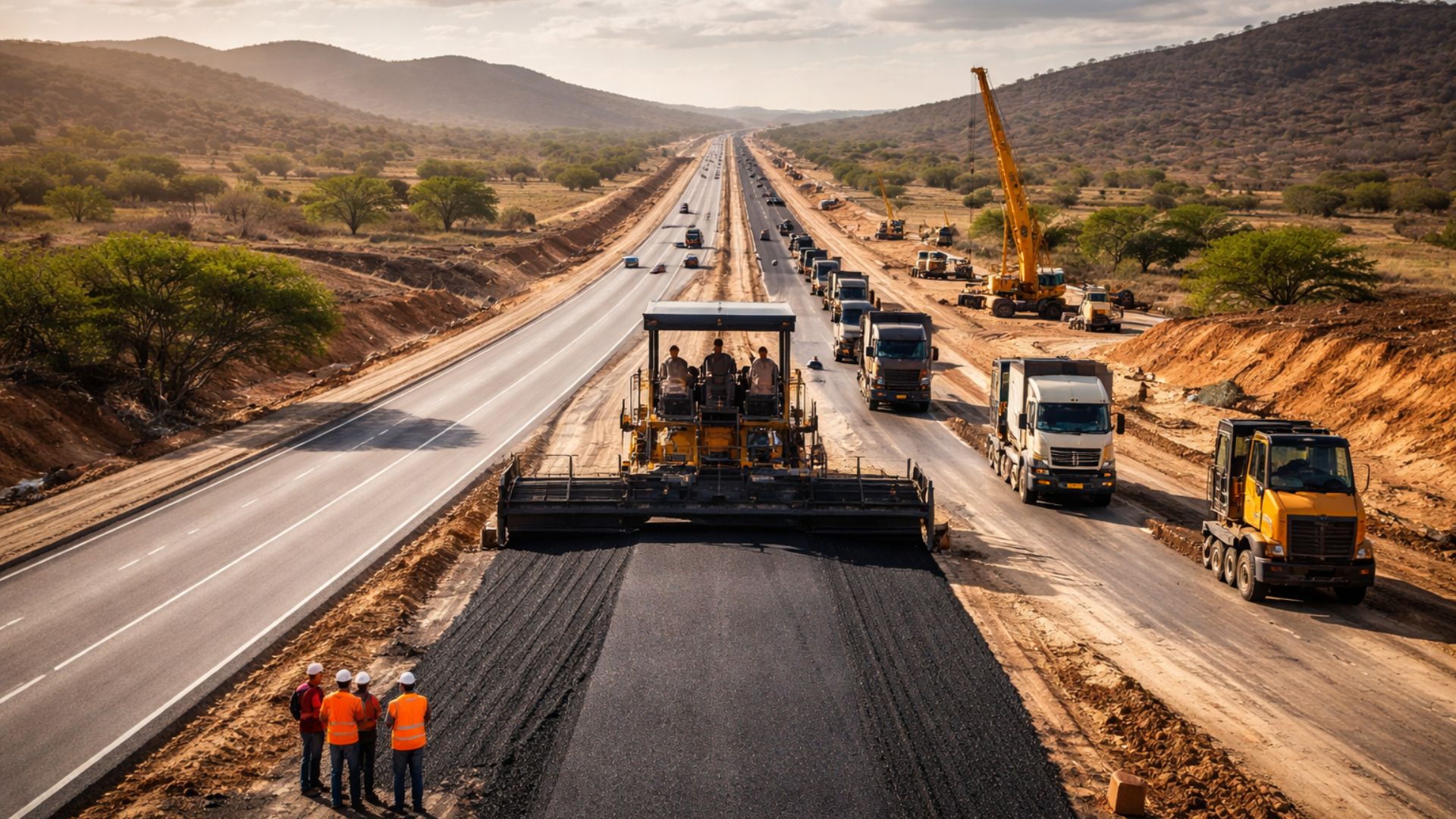
Government unlocks R$ 554 million for a highway that has been requested for decades and accelerates the duplication of BR.
-
Without bricks, without cement, and without endless construction: the cardboard house that is assembled in modules and can be moved.

-
Billions of barrels on the equatorial margin could lead Amapá to double its oil production in Brazil — the state aims to enter the route of companies in the Campos Basin, attract investments, and boost jobs and businesses in the oil and gas sector.
-
Without bricks, without cement, and without endless construction: the cardboard house that is assembled in modules and can be moved.
The Oil and Gas Climate Initiative aims to increase the ambition, speed, and scale of initiatives undertaken by its member companies to help reduce greenhouse gas emissions, particularly from oil and gas production and use in energy, heating, industry, and transportation. Its $1 billion investment arm supports the development, deployment, and scaling of low-emission technologies and business models. Launched in 2014, the OGCI currently comprises 13 oil and gas companies: BP, Chevron, CNPC, Eni, Equinor, ExxonMobil, Occidental, Pemex, Petrobras, Repsol, Saudi Aramco, Shell, and Total.









Seja o primeiro a reagir!