





 Portuguese
  English
  Spanish
  2 min of reading
  0 comments


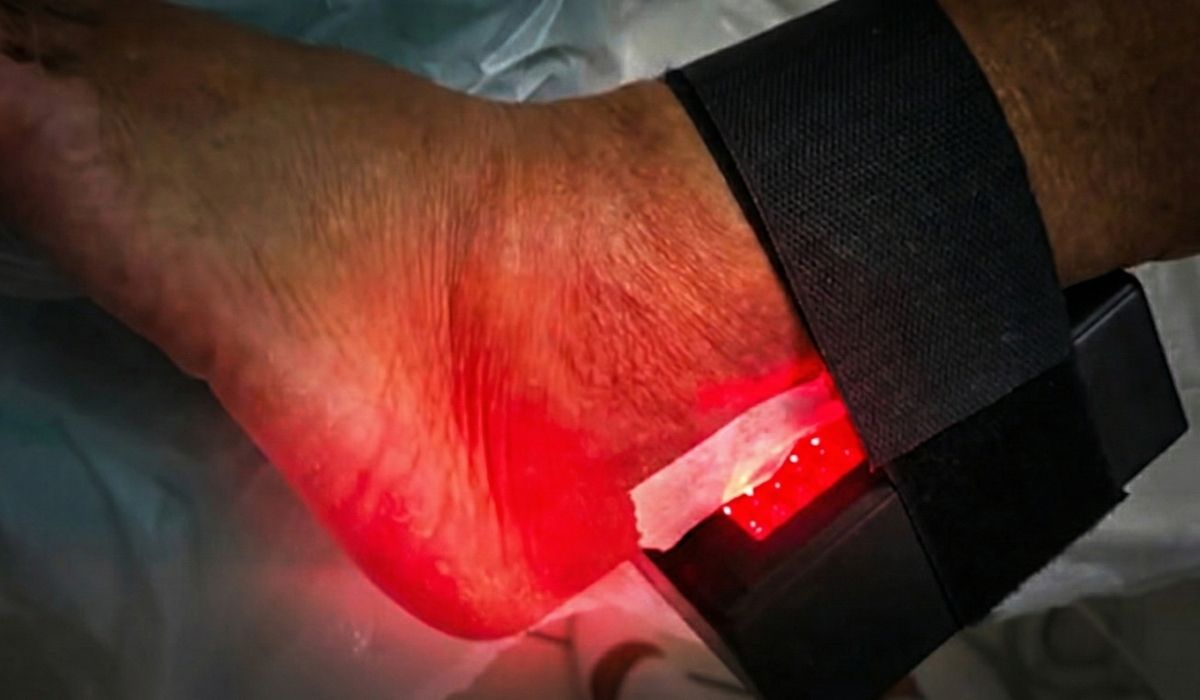
Named ‘Rapha’, Device Combines Natural Latex Dressing with LED Lights to Accelerate Healing of ‘Diabetic Foot’ and Awaits Approval to Reach the SUS.
A new technology developed in Brazil may become a crucial ally in tackling one of the most severe complications of diabetes. Researchers from the University of Brasília (UnB) have created a device that promises to reduce the number of amputations caused by the disease in the country by 50%.
Currently, complications associated with the so-called “diabetic foot” are responsible for about 50,000 amputations annually in Brazil. The new invention, named “Rapha,” aims to change this scenario by accelerating the healing process of complex wounds.
How the Technology Works
The UnB innovation relies on a combined approach. The device combines a dressing made of natural latex with a system of LED lights.
-
They spent up to 5 hours a day underwater, and their bodies changed because of it: discover how human populations developed impressive biological adaptations to survive in the most extreme environments on Earth.

-
The tallest wind turbine in the world is rising where there was coal: 360 meters in Schipkau, Germany, it ascends with a telescopic system, captures winds above 300 m, and aims to connect to the grid by 2026.

-
Shenzhen showcases high technology in China: deliveries by drones and autonomous robots, driverless taxis with sensors, smart hotel with AI, humanoid and surgical robots, automated café, and mega station “Shenzhen Eye.”

-
Cambridge University creates a solar reactor that transforms hard-to-recycle plastic and battery acid into clean hydrogen, operating for over 260 hours and paving the way to add industrial value to two waste materials that currently lead to disposal and environmental costs.
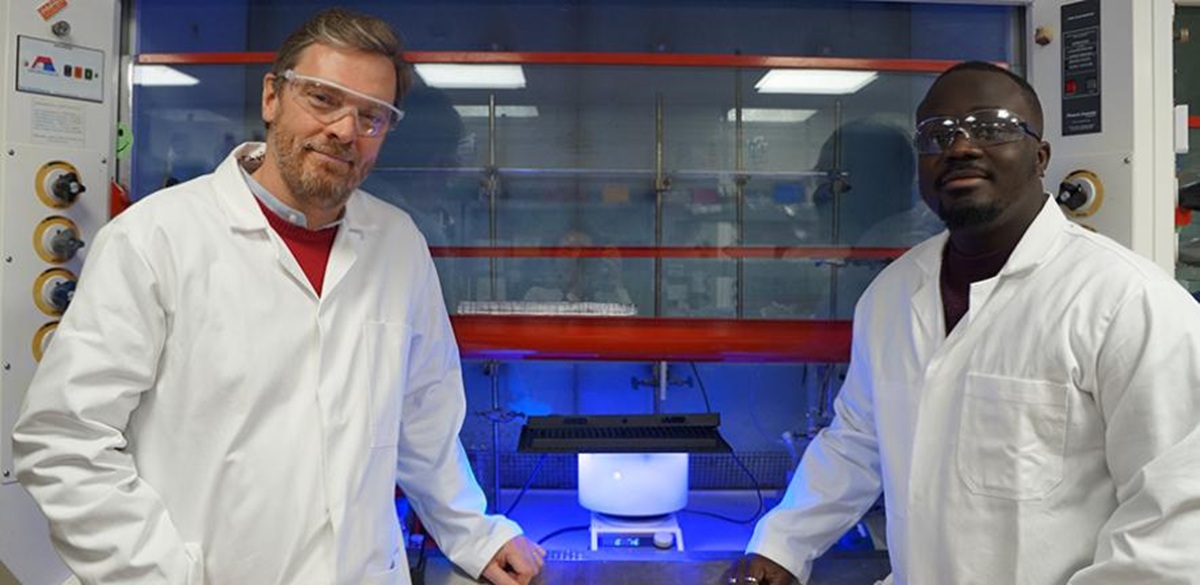
According to the project leaders, each component has a specific function in tissue regeneration: the latex stimulates the formation of new blood vessels, while the emission of LED lights activates skin cells. This combined action promotes and accelerates the regeneration of the injured areas.
Social Impact and Long Development
The diabetic foot problem affects the low-income population more severely, who often have less access to information and adequate medical care. Researcher Suélia Fleury Rosa, a professor at UnB and Cornell University, emphasizes that the high incidence of amputations is a global challenge, also affecting countries in Europe, Africa, and the United States.
The journey to transform research into a viable product was long. The development of Rapha technology took nearly two decades, overcoming the critical phase known as the “valley of death” of innovation, which is the challenging transition period between a laboratory prototype and a commercial product.


Next Steps: Reaching the SUS
For the treatment to reach the population that needs it most, the technology must overcome the final regulatory steps. The Rapha device has already obtained safety approval from Inmetro.
Currently, the team is awaiting the final approval from the Brazilian Health Regulatory Agency (Anvisa). Researchers expect that, after this release, the technology can be distributed and incorporated into the Unified Health System (SUS), expanding access to treatment and preventing thousands of amputations.






Seja o primeiro a reagir!