





 Portuguese
  English
  Spanish
  6 min of reading
  0 comments


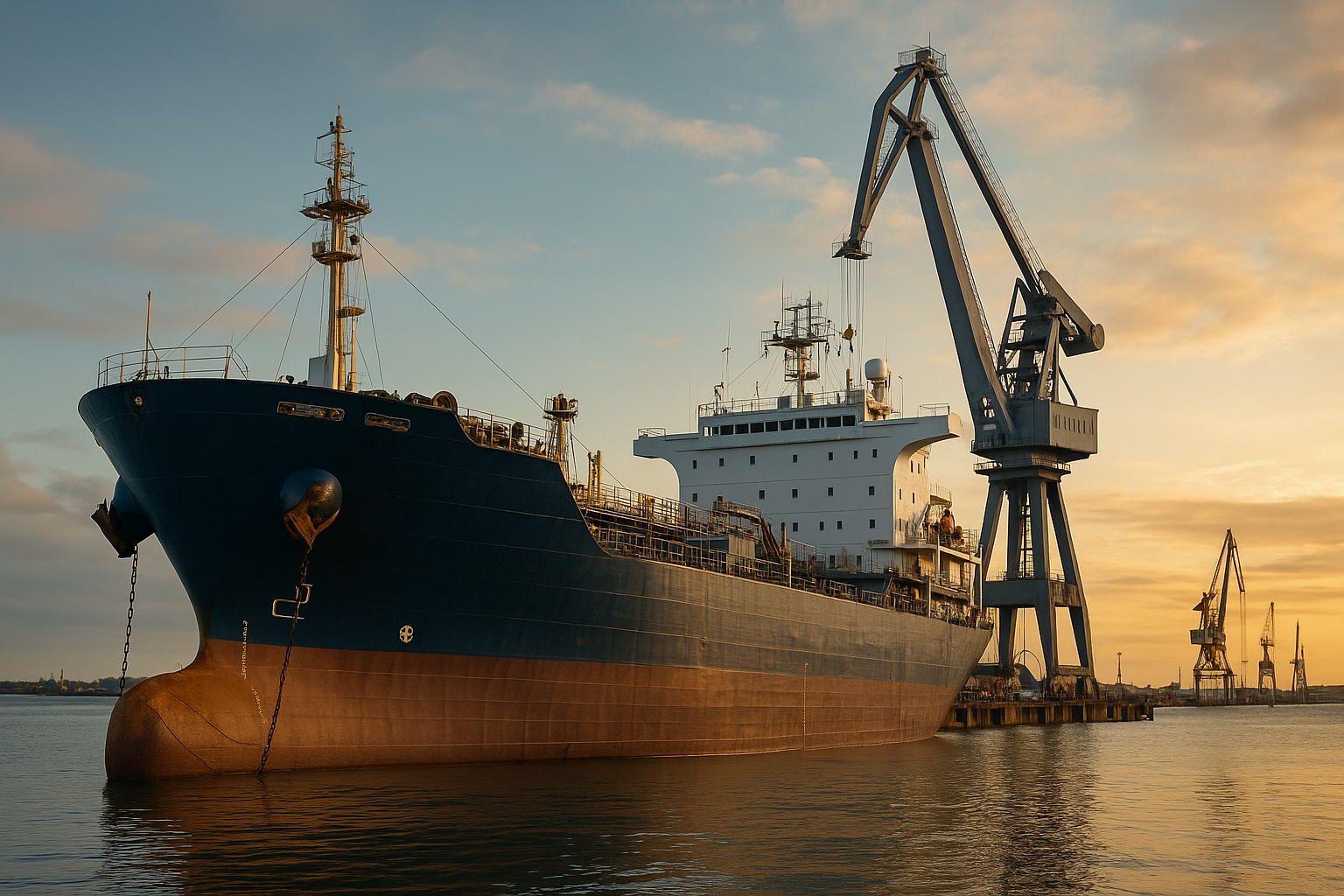
Understand How Innovation in the Shipbuilding Industry Transformed Navigation Throughout History and Which Technologies Are Shaping the Future of the Seas.
The shipbuilding industry has always played a fundamental role in human development.
From the first rudimentary boats used by ancient civilizations to the modern ships that traverse oceans transporting people and goods, navigation evolved alongside the history of humanity.
For this reason, innovation in the shipbuilding industry is not something new.
-
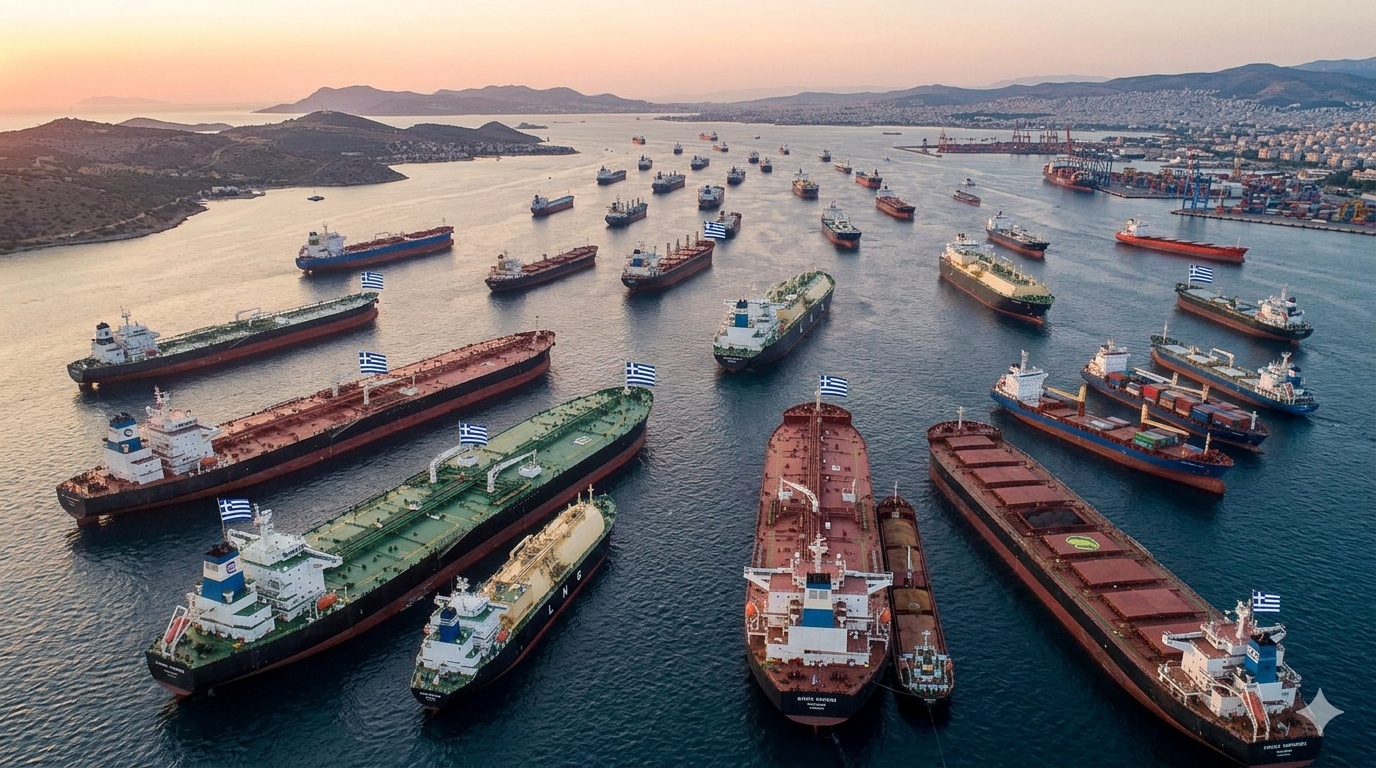
Neither the USA nor China: a small European nation has become one of the largest maritime powers on the planet, controlling one of the largest merchant fleets in the world with thousands of ships and dominating the global transportation of oil and strategic cargo.
-
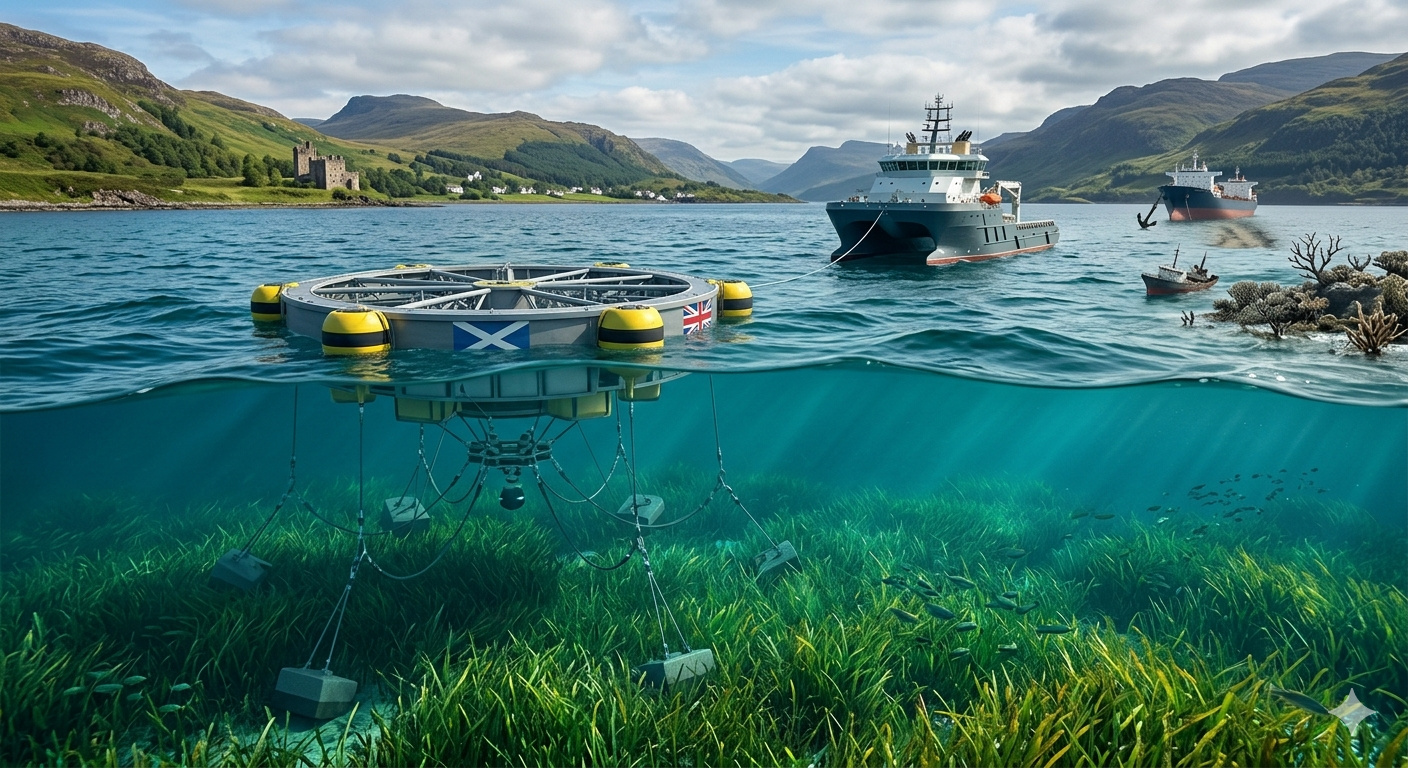
Scotland and the United Kingdom have created a new anchoring system that floats in the water without touching the seabed, after discovering that the current from a conventional anchor destroys up to 50 m² of seagrass meadow per event and that ship-damaged reefs showed no signs of recovery even ten years later.
-
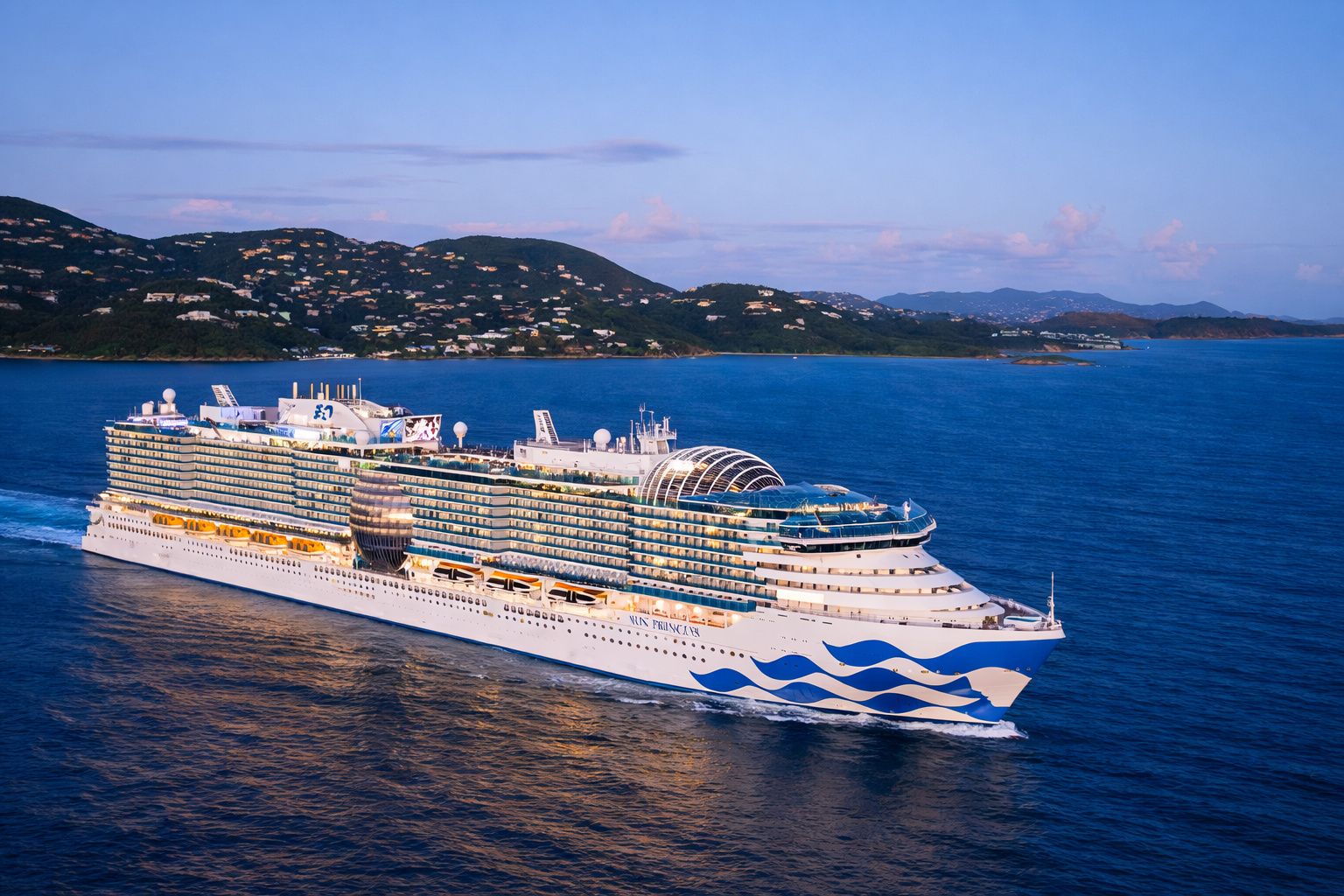
Weighing 175,500 Tons, Measuring 345 Meters Long, and With Capacity for Over 4,300 Passengers, the Sun Princess Becomes the Largest Ship Ever Built by Princess Cruises and Attracts Global Attention for Its Huge Glass Dome Inspired by Santorini’s Architecture Installed on Top of the Vessel
-
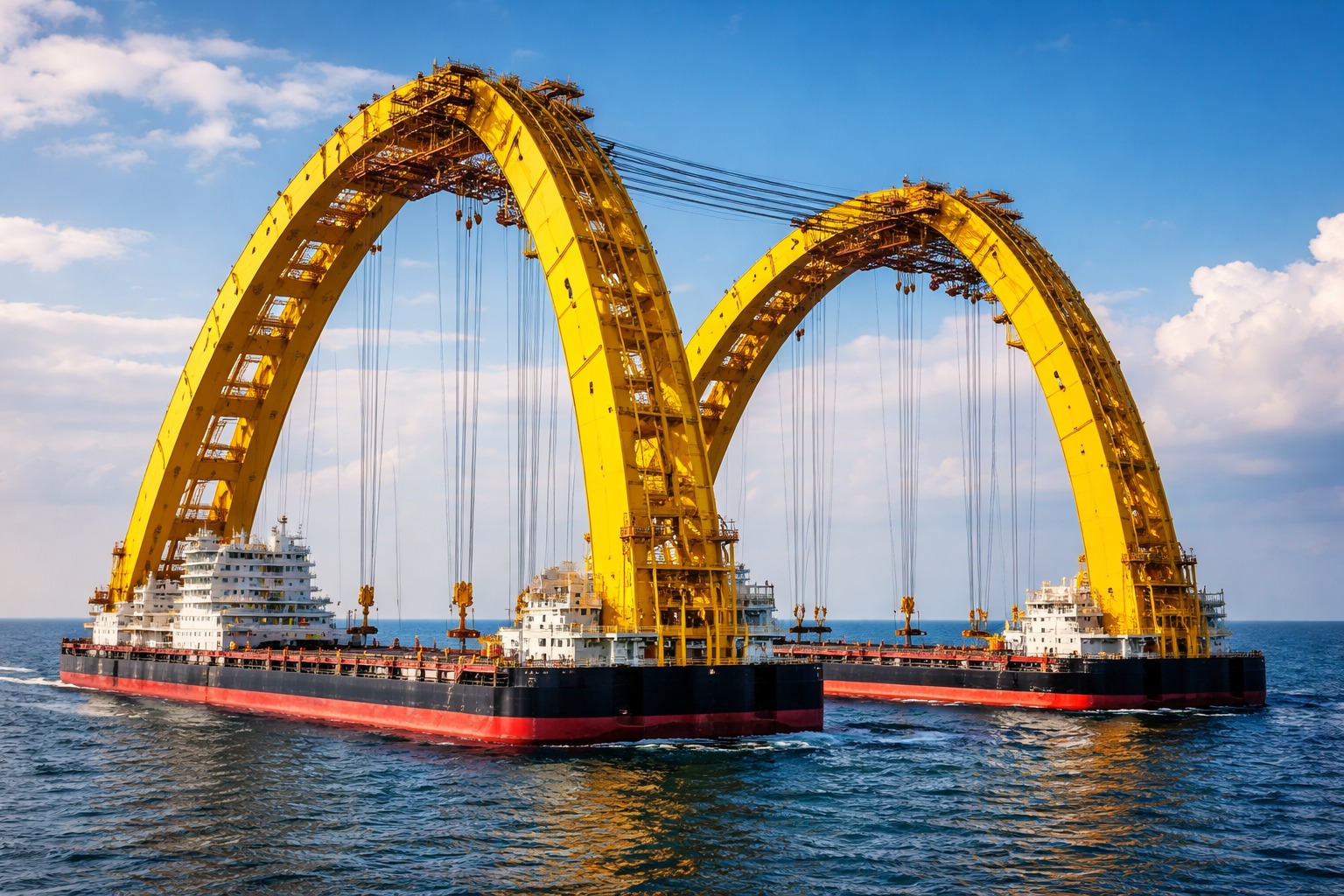
TX-10, The Colossus of The Sea: Largest Lifter Ship in The U.S., With Two Giant Barges, 73-Meter Tall Structure, and Strength to Raise 7,500 Tons of Sunken Oil Rigs

According to the International Maritime Organization (IMO), maritime navigation has existed for over 7,000 years, being essential for commerce and the connection between peoples since ancient times.
The IMO highlights that this industry is deeply intertwined with the technological, social, and economic advancements that have shaped the world as we know it today.
In addition to enabling trade and exploration, advances in shipbuilding brought distant peoples closer together, fostering cultural exchange and the growth of civilizations.
Thus, it becomes clear how the shipbuilding industry has been and continues to be one of the main engines of globalization since its inception.
First Steps: From Primitive Vessels to Great Navigators
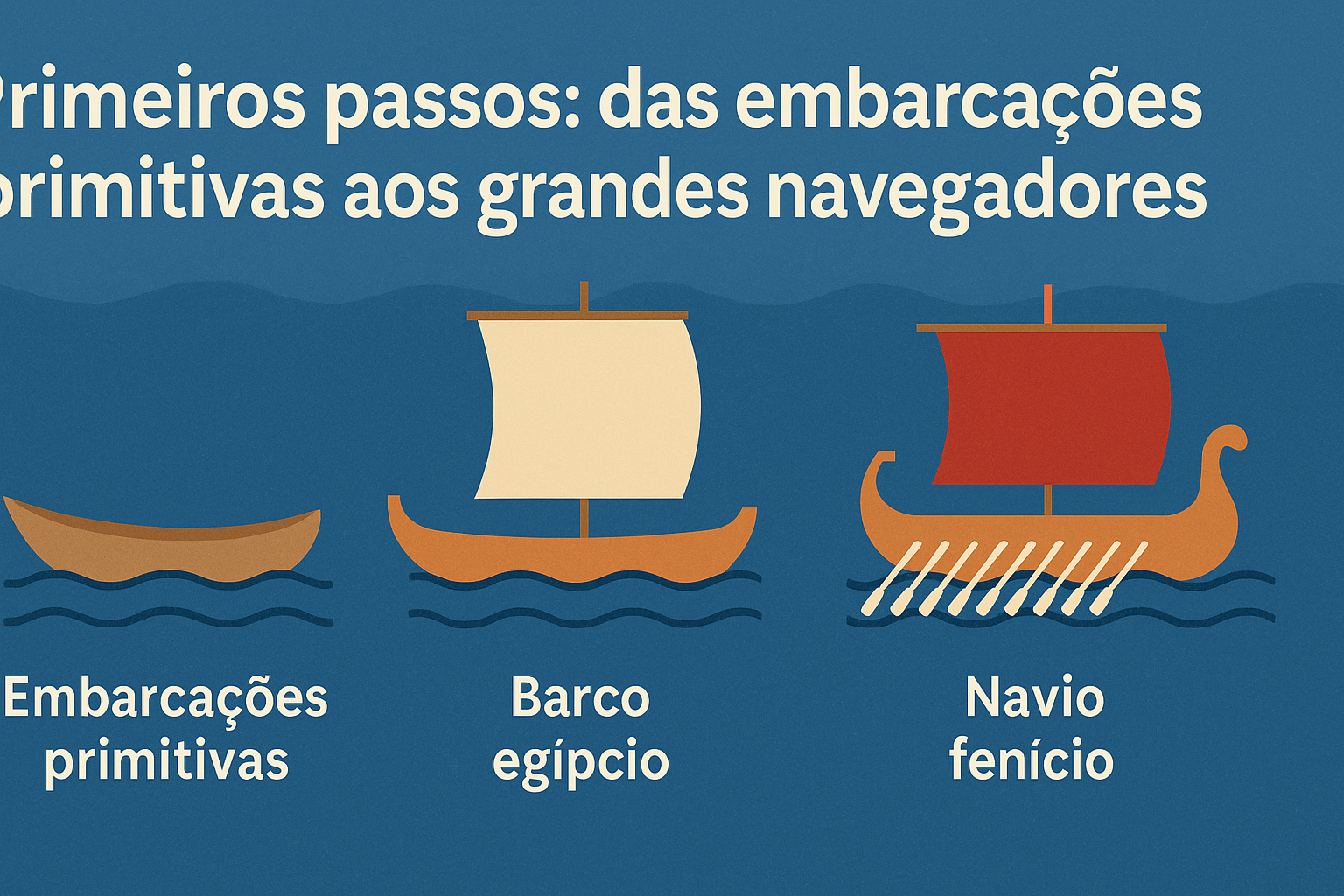
To begin with, shipbuilding emerged simply, with vessels made of logs or animal skins.
For example, the British Museum reports that the Egyptians, around 5,000 years ago, already used boats on the Nile River for transportation and trade.
The Phoenicians, who lived between 1500 and 300 BC, became masters in building commercial and war ships, as recorded by scholars at Harvard University.
In Greece and Rome, from around 800 BC to 476 AD, navigation gained even more strategic and commercial importance.
Builders began to apply more technical knowledge, using measuring and planning tools, which marked the beginning of a long trajectory of innovation.
During the Middle Ages, between the 5th and 15th centuries, the Vikings stood out with their fast and sturdy ships, capable of crossing turbulent seas, according to the Norsk Maritimt Historisk Institutt.
Moreover, the invention of the compass, around the 12th century in China, and the improvement of sails and the study of ocean currents allowed for great explorations.
The National Institute for Educational Studies and Research Anísio Teixeira (INEP) emphasizes that it was from these innovations that the Portuguese and Spanish explorers ventured into unknown routes during the Age of Exploration in the 15th and 16th centuries.
These early innovations propelled the progress of nautical science. Cartography techniques, the study of stars for navigation, and the development of instruments like the astrolabe expanded the range and safety of maritime travel.
The shipbuilding industry became a field of constant experimentation and technical improvement.
The Industrial Revolution and the Birth of Modern Ships
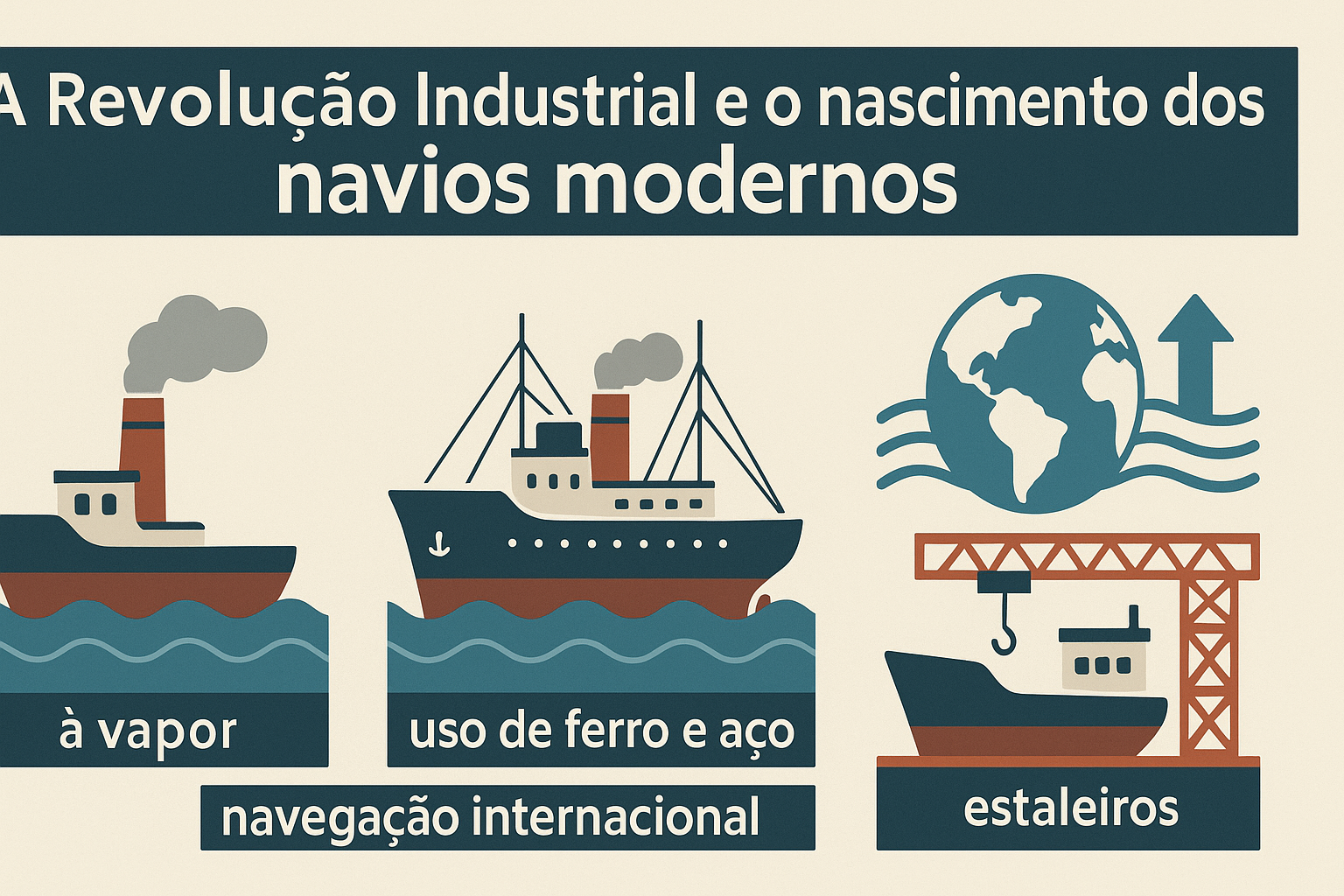
However, the real turning point in innovation in the shipbuilding industry occurred with the Industrial Revolution, which began in the late 18th century.
The National Museum of Science and Technology in England states that the emergence of new energy sources, such as coal, and the invention of steam engines allowed for the construction of the first motor-powered ships.
In the 19th century, large sailing ships were gradually replaced by steamships, which traveled at greater speed and independence from the wind, according to the same museum.
The use of iron and, later, steel in shipbuilding provided more robust and safer vessels, expanding commercial travel and the growth of the merchant navy.
Consequently, international navigation became essential for global trade, turning ports into centers of urban and economic development.
Furthermore, the shipbuilding industry established itself as a strategic sector for nations. Ships began to perform functions in military forces, gaining technologies focused on defense and warfare.
Finally, the development of shipyards gained prominence. Large industrial complexes emerged to meet the growing demand, incorporating assembly lines and standardized systems, as reported by the Brazilian Association of Naval and Offshore Industry (ABIN).
This increased productivity and reduced costs. Thus, with technological progress, the shipbuilding industry became one of the most important fields of civil engineering.
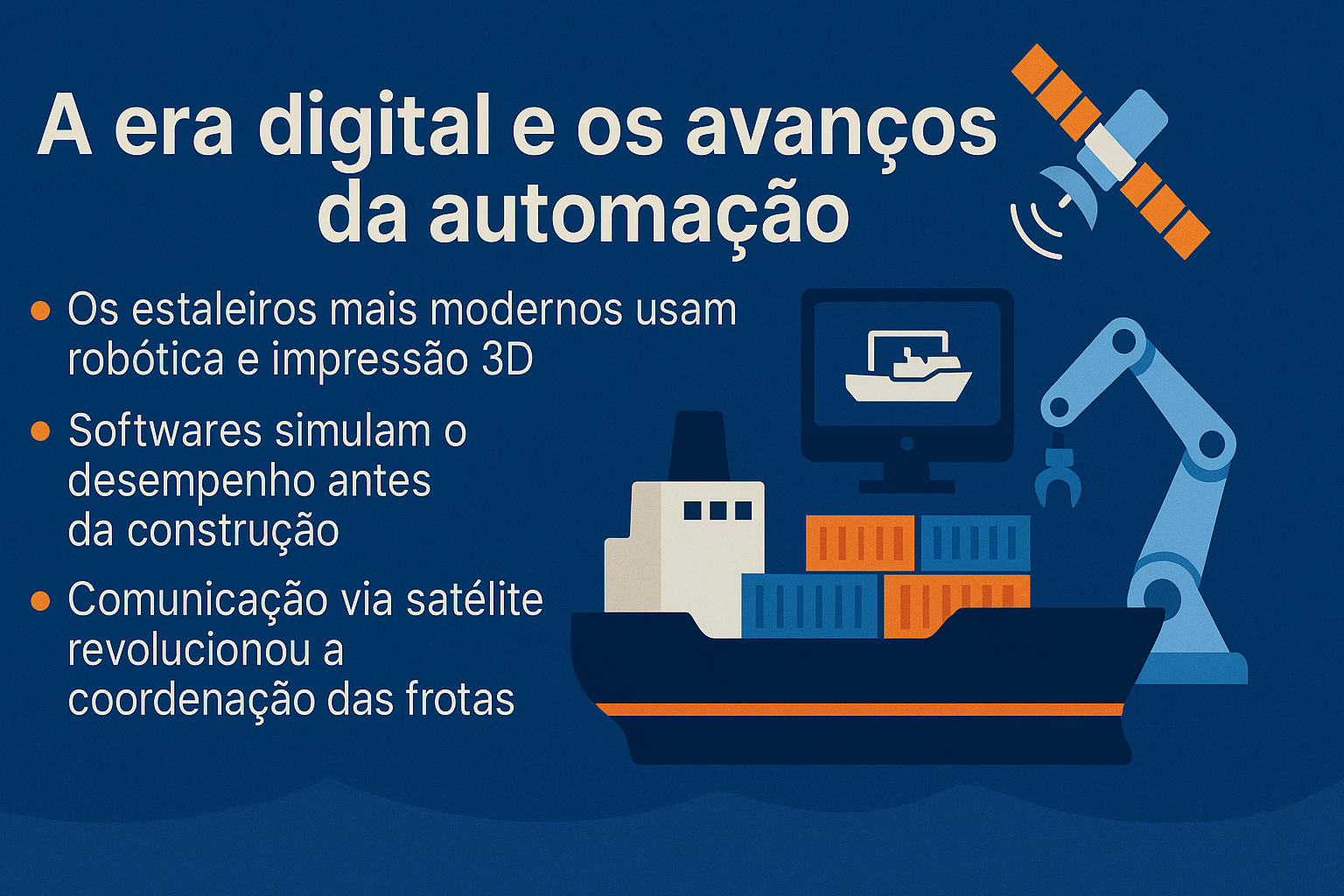
The Digital Age and Advances in Automation
With the advancement of technology in the 20th century, the shipbuilding industry experienced new moments of reinvention. The introduction of diesel propulsion, electronic navigation systems, and more recently, automation and artificial intelligence, transformed how ships are designed, built, and operated.
Today, innovation in the shipbuilding industry is focused on sustainability, energy efficiency, digitalization, and safety.
The European Maritime Safety Agency (EMSA) reports that the most modern shipyards use robotics and 3D printing to manufacture parts with precision.
Advanced software simulates a vessel’s performance before construction, reducing costs and errors.
Moreover, satellite communication revolutionized fleet coordination, vessel safety, and maritime traffic control.
Real-time monitoring allows for quick responses to emergencies and optimizes fuel consumption, directly reflecting in savings and sustainability.
The search for cleaner energy sources also drives innovations. Many cruise ships and cargo vessels now use liquefied natural gas (LNG), which emits fewer pollutants than traditional fossil fuels.
Furthermore, projects to use wind and solar energy as complementary sources in maritime propulsion systems are underway, according to data from the United Nations Environment Programme (UNEP).
The Brazilian Shipbuilding Industry and Its Challenges

In Brazil, the shipbuilding industry was one of the most promising in Latin America, especially during the 1970s.
According to the Brazilian Association of Naval and Offshore Industry (ABIN), state investments boosted the construction of large ships during that period.
Since then, the sector has gone through ups and downs, but Brazilian shipyards remain vital to the maritime economy.
Even facing challenges such as a lack of continuous investment in research and development, initiatives in partnership with universities, research centers, and startups seek to promote creative and technological solutions.
The construction of smaller vessels, offshore support ships, and platforms for the oil industry offers fertile ground for innovation in the country.
The export market for specialized vessels has been growing, requiring innovation in design and functionality to meet the specific demands of international clients.
Therefore, the Brazilian shipbuilding industry is trying to position itself as a reference in sustainable, high-tech solutions, seeking to regain the space it once held in regional leadership.
The Future of Navigation and Sustainability in the Seas
The future of the shipbuilding industry is being shaped by global trends that demand quick and efficient responses.
The International Maritime Organization (IMO) highlights the pressure to reduce greenhouse gas emissions, high operational costs, and demands for safety and traceability, which force the sector to prepare technologically.
One of the major bets is on automation and autonomous ships.
Major companies are already testing vessels that operate without crew, using sensors, radars, and artificial intelligence to navigate safely.
Additionally, the Internet of Things (IoT) allows for real-time monitoring of every part of the ship, identifying failures before they occur.
Cybersecurity has become a crucial topic. With digitized systems, protecting vessels against cyberattacks has become a priority for companies and governments.
Sustainability is also a highlight. The global shipbuilding industry is adapting to stricter IMO regulations that impose limits on emissions and encourage the use of cleaner technologies.
Investments in technologies such as hybrid propulsion, green hydrogen, and new sustainable materials accelerate this transformation.
Moreover, the circular economy is gaining ground, with projects that aim to reuse materials and reduce environmental impact in the construction and maintenance of ships.
Lastly, the shipbuilding industry will continue to reinvent itself, guided by challenges and opportunities. This capacity for adaptation ensures its role as a protagonist in the history of innovation.











Seja o primeiro a reagir!