





 Portuguese
  English
  Spanish
  3 min of reading
  2 comments


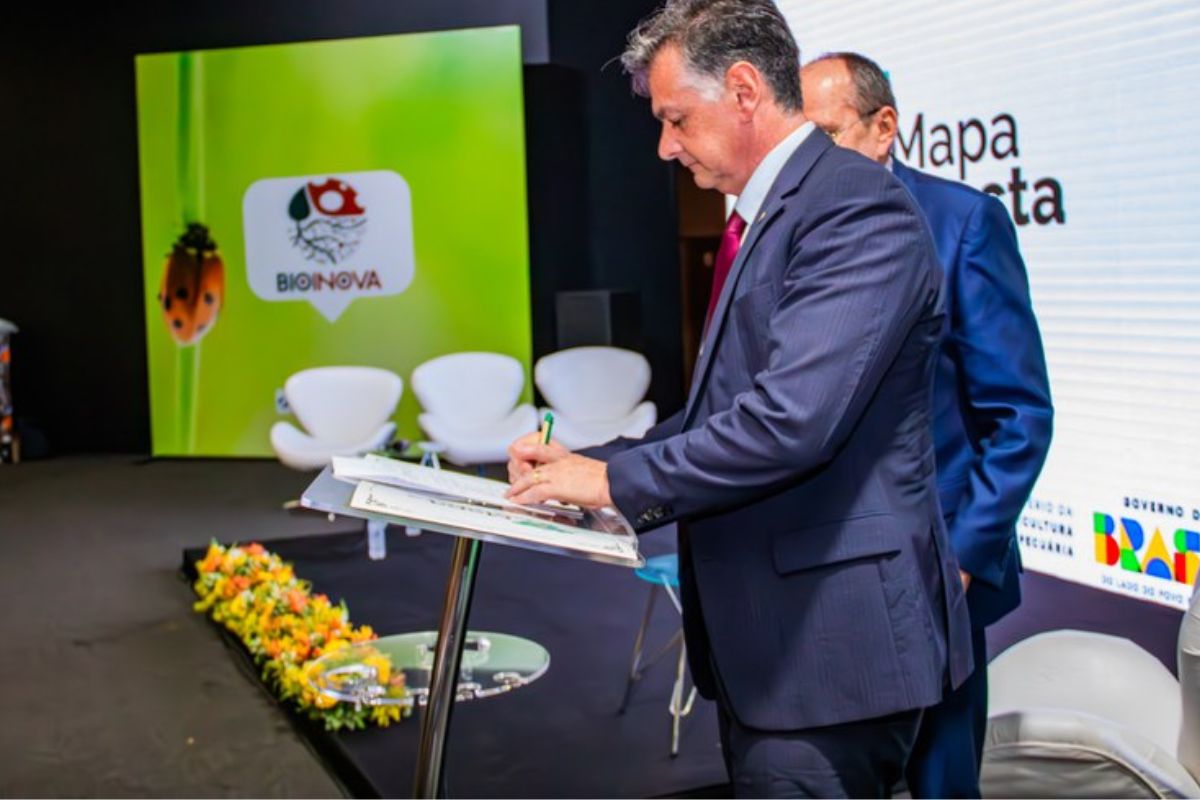

The National Open Innovation Program Strengthens Agriculture by Connecting Startups, Researchers and Producers in an Integrated Innovation Network in Agriculture
The innovation in agriculture has gained a new chapter with the creation of the National Open Innovation Program in Agriculture, Mapa Conecta, launched on October 21 by the Ministry of Agriculture and Livestock (Mapa), according to a news article published.
The initiative, formalized by the Ordinance No. 839, aims to boost technological development in the field, strengthen agriculture, and increase the competitiveness of state innovation ecosystems.
The program replaces the previous AgroHub from 2022 and represents a strategic update in the Federal Government’s innovation policy.
-
While Russia dominates the global wheat market, Brazil emerges as an unexpected competitor in the Cerrado, offering grain available in July and August when stocks in the Northern Hemisphere are at their lowest point of the year.

-
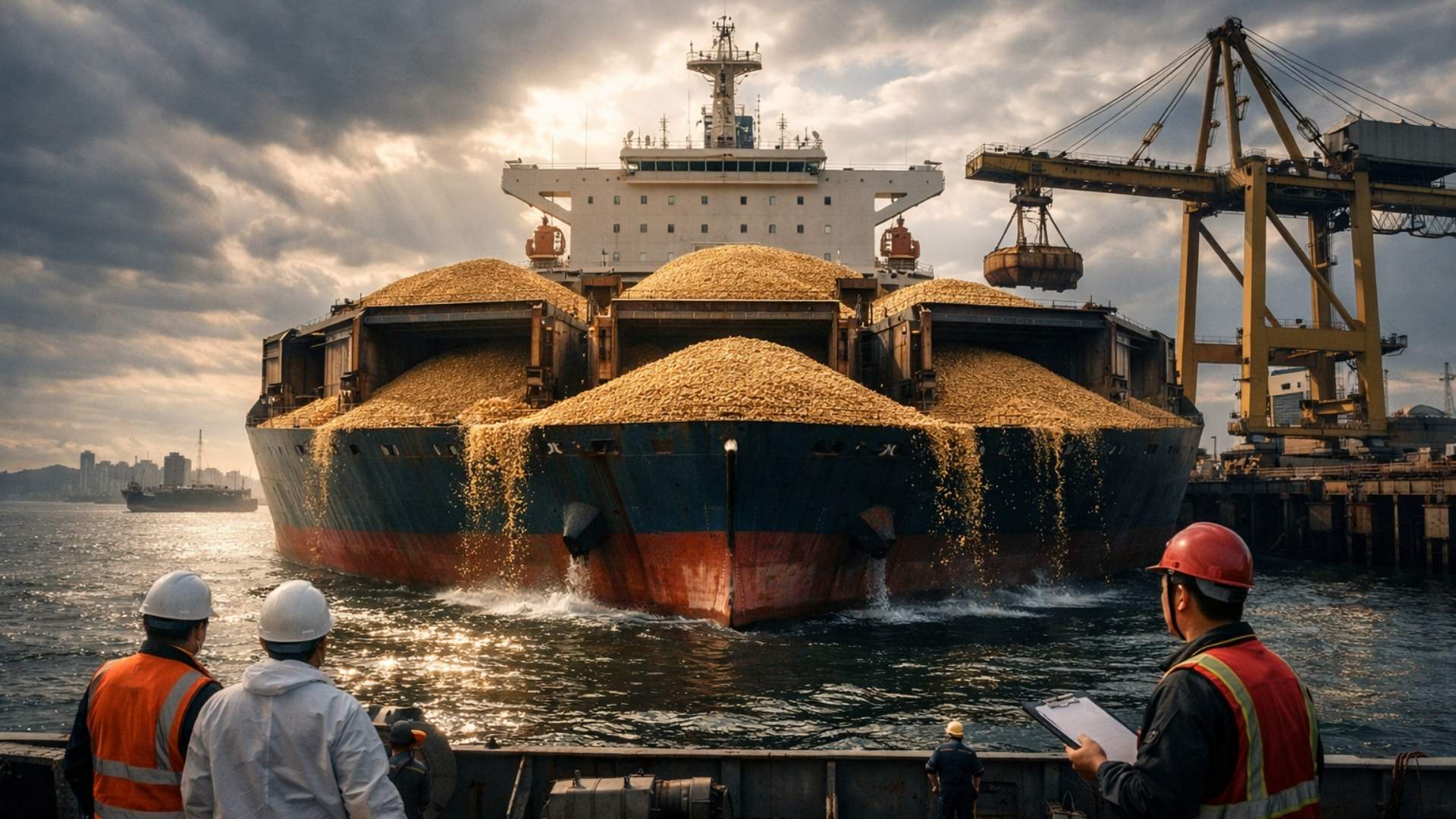
China returned almost 20 Brazilian ships with soybeans, but now everything could change: the country that buys 80% of the grain is considering relaxing regulations after impurities held up shipments of thousands of tons and caused million-dollar losses.
-
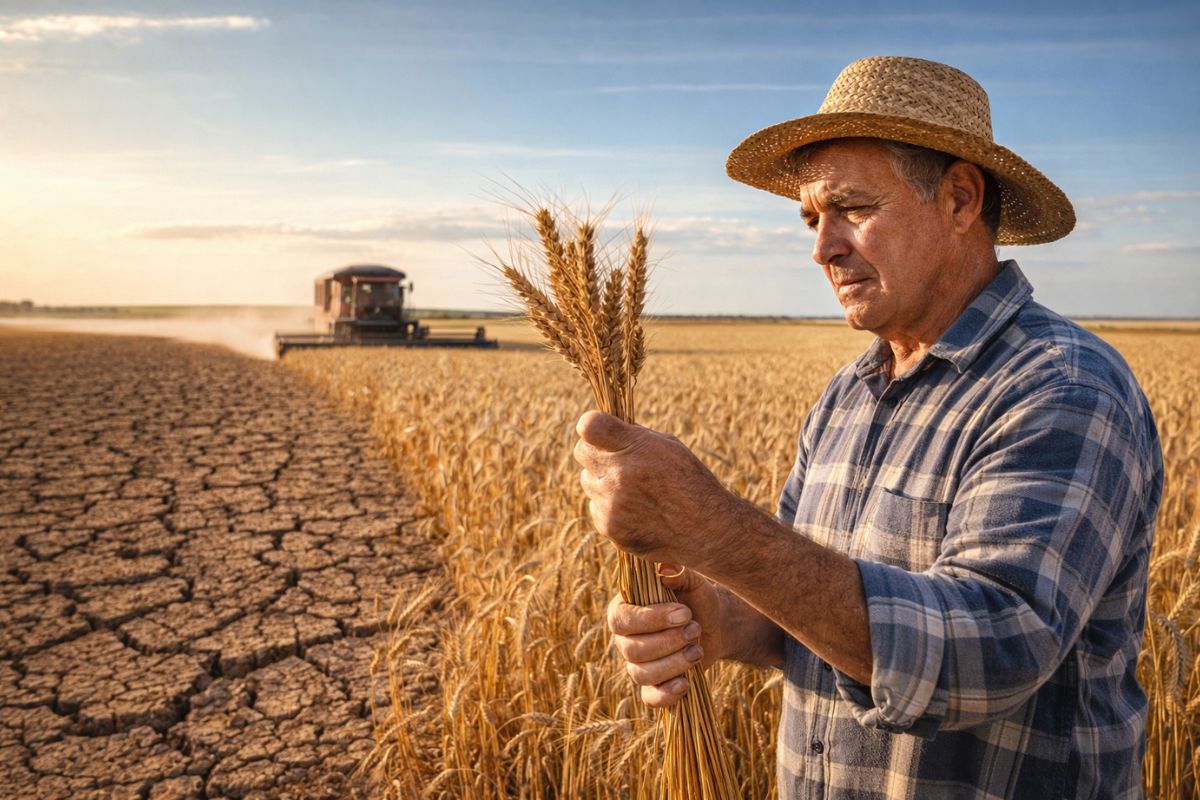
The drought of the cerrado was considered an enemy of wheat, but Brazilian scientists turned the lack of rain into a competitive advantage by creating a grain with quality that is already attracting the attention of international mills around the world.
-
THE OWNER of Brazil: a farmer who came from laundries, created an ’empire’ and today runs a company valued at R$ 42 billion after tripling its value in less than a year and receiving a billion-dollar investment from the USA.


According to Mapa, Mapa Conecta focuses on articulating partnerships between the public sector, private companies, startups, rural producers, and international organizations, creating a collaborative environment aimed at generating sustainable solutions.
The coordination will be under the responsibility of the Secretariat for Innovation, Sustainable Development, Irrigation and Cooperativism (SDI), which is responsible for structuring technical groups, cooperation networks, and advisory committees.
Innovation in Agriculture: Rural Startups and Agricultural Technology Ecosystems
One of the pillars of Mapa Conecta is the encouragement of digital entrepreneurship in the field, especially through rural startups and agricultural technology ecosystems.
The proposal is to bring together researchers, developers, and producers to accelerate the cycle of innovation in Brazilian agriculture.
According to the Secretary of Innovation at Mapa, Marcelo Fiadeiro, the program has the potential to generate solutions that increase productivity, reduce costs, and promote greater sustainability in the use of natural resources.
To achieve this, the Federal Superintendencies of Agriculture and Livestock (SFAs) will act as state support points, facilitating the implementation and monitoring of actions.
This decentralized structure strengthens innovation in agriculture, allowing research and technology results to reach rural properties more quickly.
Sustainability of Agriculture and Integrated Digital Agriculture
Sustainability in agriculture and integrated digital agriculture are among the three priority themes defined by the Ordinance No. 839.
The action plan encompasses initiatives focused on bioeconomy, digital agriculture, and contemporary foods.
This strategic approach aims to consolidate innovation in agriculture as a central axis of green economic development, aligned with global demands for cleaner and more efficient production practices.
Additionally, the program launched the Electronic Platform for Agricultural Innovation, developed in partnership with the Federal Data Processing Service (Serpro).
The digital tool connects producers, researchers, and investors, allowing for the sharing of information, technologies, and business opportunities in real time.
Public-Private Partnerships and Investments in Agricultural Technology
Public-private partnerships and investments in agricultural technology are seen by Mapa as a driving force for digital transformation in the field.
The joint action between government, universities, and the productive sector is expected to amplify the impact of public policies on research and development.
This integration reinforces innovation in agriculture as a vector for sustainable and competitive growth, capable of positioning Brazil among the global leaders in rural technology.








Great article! I really appreciate the clear insights you shared – it shows true expertise. As someone working in this field, I see the importance of strong web presence every day. That’s exactly what I do at https://webdesignfreelancerhamburg.de/ where I help businesses in Hamburg with modern, conversion-focused web design. Thanks for the valuable content!
thanks