





 Portuguese
  English
  Spanish
  4 min of reading
  0 comments



Food Industry Grows with Technology, Higher Revenue, Supply Chain Control, and the Use of Innovation to Minimize Waste and Optimize Production.
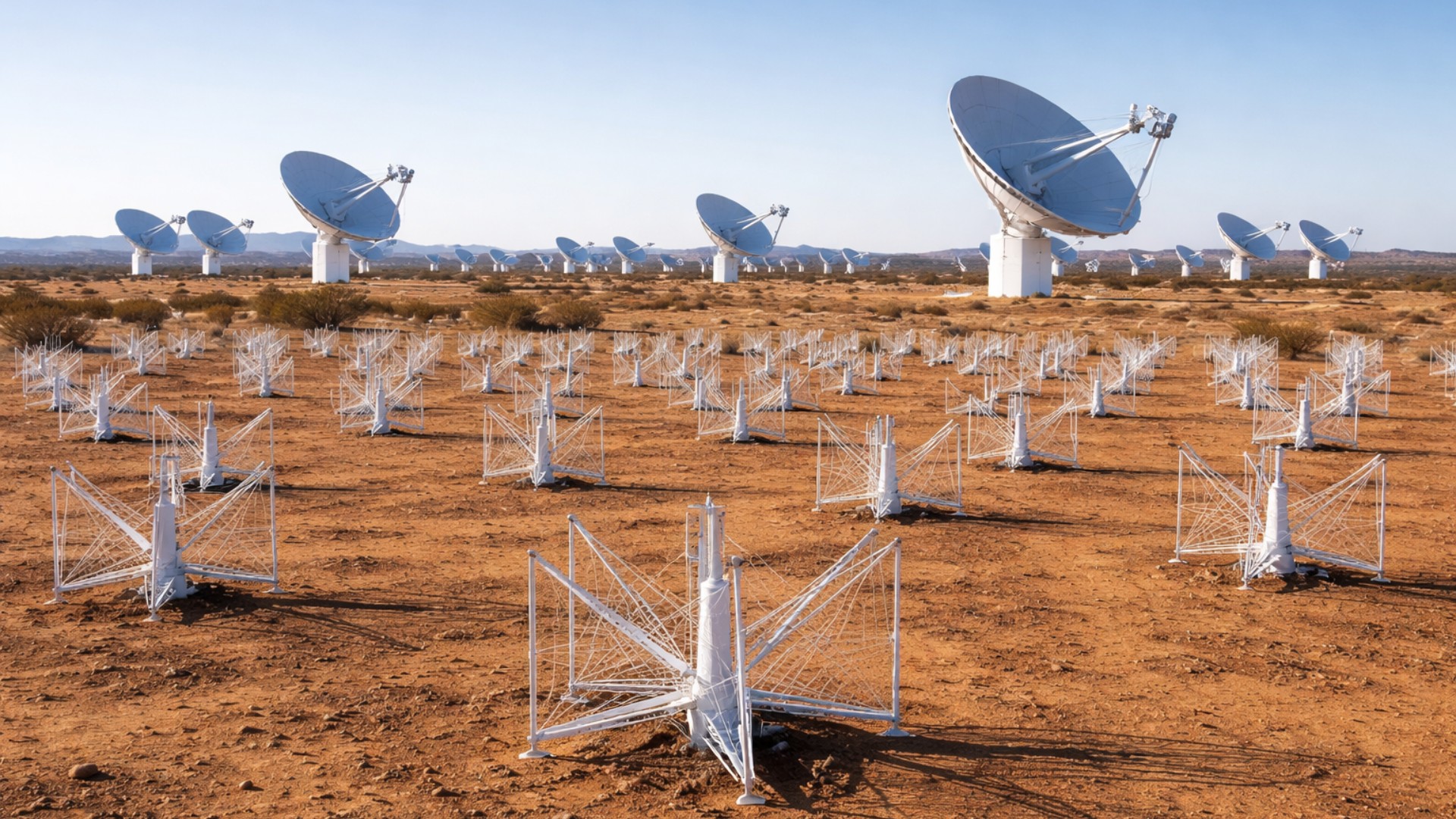
Mining is about to undergo a significant transformation driven by technology and digital innovation. With the advancement of new technological tools, the industry is moving toward a future where automation and energy transition play crucial roles. From the launch of artificial intelligence systems to the use of drones for monitoring exploration areas, mining is adapting to an increasingly technological world. By 2025, these technological advancements are expected to result in considerable growth, benefiting both environmental sustainability and sector productivity.
It is evident that the extractive industry is experiencing these advancements. With the growing global demand for natural resources, the incorporation of digital innovation has become indispensable. In the last decade, especially after 2020, globally renowned mining companies like Vale and Rio Tinto have adopted more innovative practices. The focus is on operational efficiency and waste reduction, paving the way for an increasingly sustainable and conscious mining sector. Digital transformation is undoubtedly the engine for this much-needed change.
Impact of Technological Innovation on Mining
The year 2023 marks a turning point, where technologies such as blockchain and IoT are being integrated into the daily operations of mining. According to the International Energy Agency (IEA), mining is responsible for providing essential materials for the manufacture of new technologies, such as batteries for electric cars. This symbiosis between industry and innovation represents not only an economic advancement but also significant progress in terms of environmental responsibility. The old paradigm of mineral exploration is being broken through the efficiency provided by these new technologies.
-
Historic bankruptcy of Centauro shocks the market, and the century-old company puts more than 500,000 products, machines, and complete infrastructure up for online auction.

-
New shoe factory in Ceará is expected to create 400 jobs and strengthen the local economy.

-
No one imagined it, but a mixture of sawdust with a mineral that fights fires surprises scientists with a result that changes the course of fire-resistant construction.

-
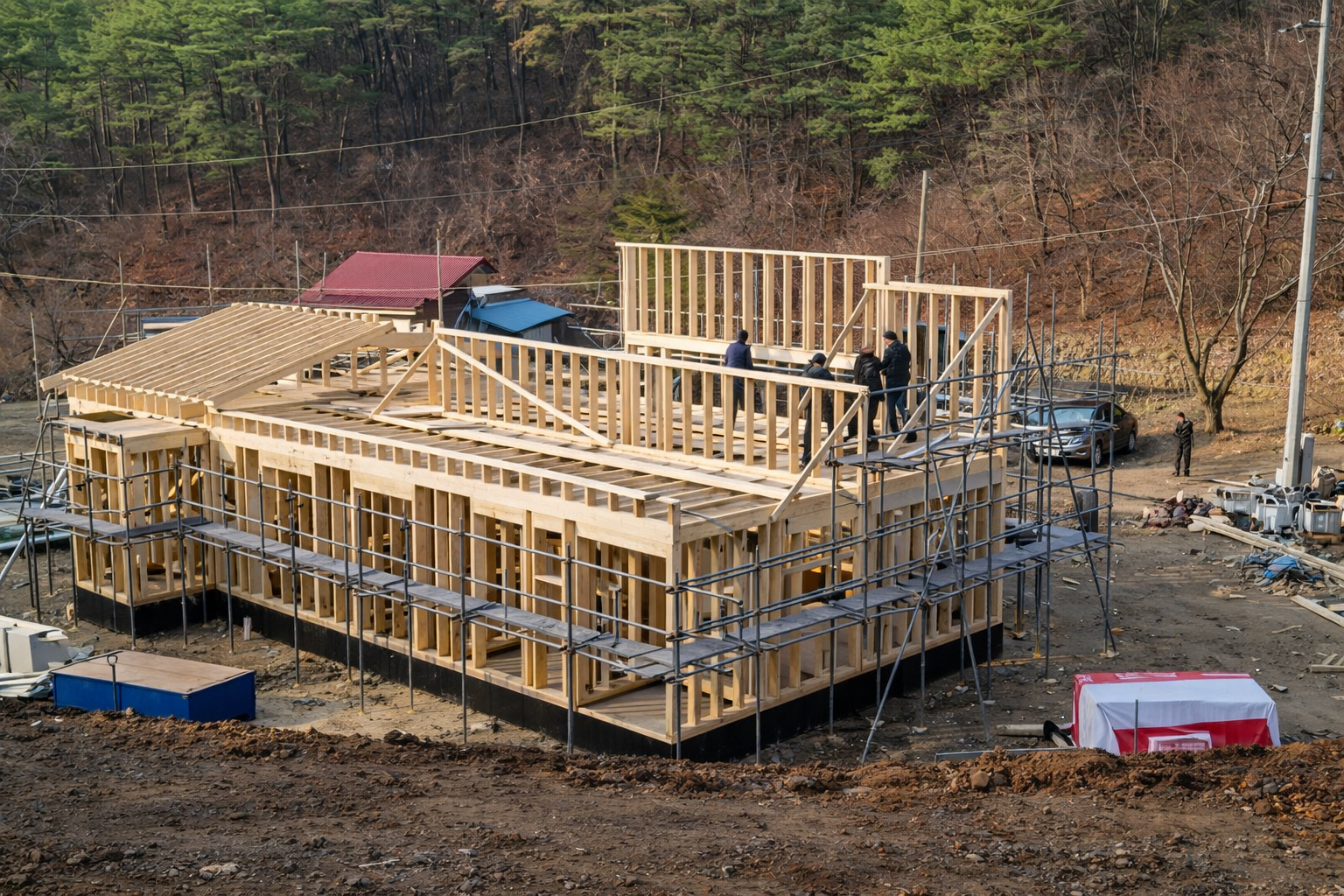
From empty land to a high-end house, wooden construction uses a lightweight system, metal structure for the foundation, ventilated ceramic cladding, and special windows to create an efficient and comfortable living space throughout the year.

Furthermore, the role of ESG (Environmental, Social and Governance) has been intensified with targets set for 2025. According to the 2023 report from the World Economic Forum, companies that adopt sustainability practices tend to see an increase in investment. The energy transition in the mining sector is not just an ethical imperative; it materializes as a competitive advantage in the global market.
Considering these advancements, investor and society confidence in the mining industry is consolidating. Large companies are using telemetry and data analysis to optimize resources, which is crucial for maintaining competitiveness. According to data from the World Bank in 2022, these innovations have the potential to increase productivity by 20% to 30%. Mineral exploration is diving into a new era of efficiency and responsibility through the strategic use of technology.
Investments in the Food Industry
The Brazilian Association of Food Industry (Abia) plans to invest R$ 120 billion in the sector by 2026. Projections for 2024 indicate a favorable scenario for the Food Industry, with the opening of new businesses and product launches resulting in higher revenue. According to Abia data, the first half saw the sector reach US$ 32.2 billion in exports of processed foods, representing an 8.4% growth compared to the same period last year.
However, despite these positive prospects, logistical and operational challenges persist, especially regarding waste reduction. Many companies still face difficulties in identifying critical points and maintaining efficient control of the supply chain and shop floor. The lack of visibility in the production line hinders effective assertiveness, as production is driven by sales planning and, if this is not based on accurate data, waste accumulates, from labor to raw materials and equipment.
Digital Transformation in the Food Industry
Digital evolution is an unavoidable reality, but there still prevails a market culture that is driven by sentiment rather than concrete information. Many still avoid relying on systems based on robust data, such as Data Driven, which would identify the ideal turnover and allow marketing according to demographic and regional profiles. However, the use of technology stands as a strategic ally in the Food Industry to combat waste. With technological support, it is possible to identify hidden costs that contribute to inefficiencies, visualize financial leaks, integrate information, increase productivity, among other factors.
The effective use of technology enables improved and transparent management, benefiting not only organizational performance but also compliance with sustainability norms and guidelines. With the centralization of information, obtaining metrics becomes practical, facilitating the analysis of consumer habits and behaviors by region, which allows for more precise market orientation. Still, technology represents only the means to achieve results.
Strategies for Improvements in the Industry
To ensure real improvement indicators, it is imperative to revisit processes and establish new practices, cultivating a new organizational culture. In this context, relying on specialized consulting in the sector can be a valuable strategy. With the expertise of a qualified team, it is feasible to chart the best course, eliminate bottlenecks, and seize opportunities that drive the business forward. The expectation is that the Food Industry will continue its expansion in the coming year.
Factors such as the longevity of the population, which raises demand, and the performance of agribusiness, which provides the raw materials for the industry, are determinants in this growth. However, increased production may translate into higher levels of waste. Thus, it is vital for the sector to incorporate the use of technology as an ally in strategic and operational decisions, enabling real-time monitoring. These initiatives can result in a significant leap in the sector’s performance, which is well-positioned to advance even further. Alan Gomes, business director at SPS Minas, reinforces this optimistic outlook for the future of the Food Industry.
Source: ABIA Press





Seja o primeiro a reagir!