





 Portuguese
  English
  Spanish
  2 min of reading


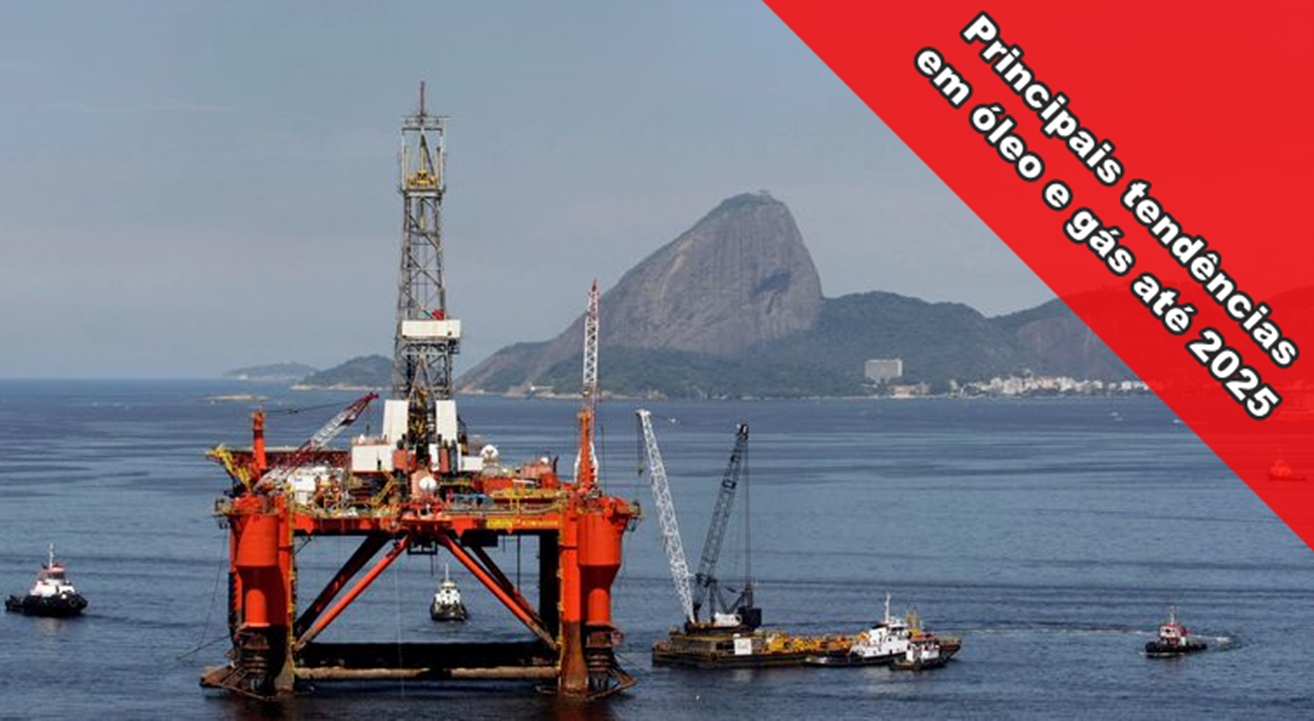
A Dive Into The Future Of The Oil And Gas Industry In Brazil
According to recent studies by the Brazilian Association of Oil Service Companies (Abespetro) and Deloitte, the oil and gas sector in Brazil is preparing for a colossal investment of R$ 102 billion by 2025.
However, this investment is not just financial. It carries the responsibility of implementing strategies that reduce environmental impact and optimize the use of financial resources.
Three Main Trends Will Define The Sector’s Direction In The Coming Years.
Energy Transition: The Renewable Revolution – The shift to renewable energy sources is reshaping our concept of energy production and consumption. The demand for clean energy, such as solar and wind, is growing rapidly worldwide. This shift is challenging the fossil fuel sector, including oil and natural gas, to compete for resources and adopt measures that effectively reduce carbon emissions.
-
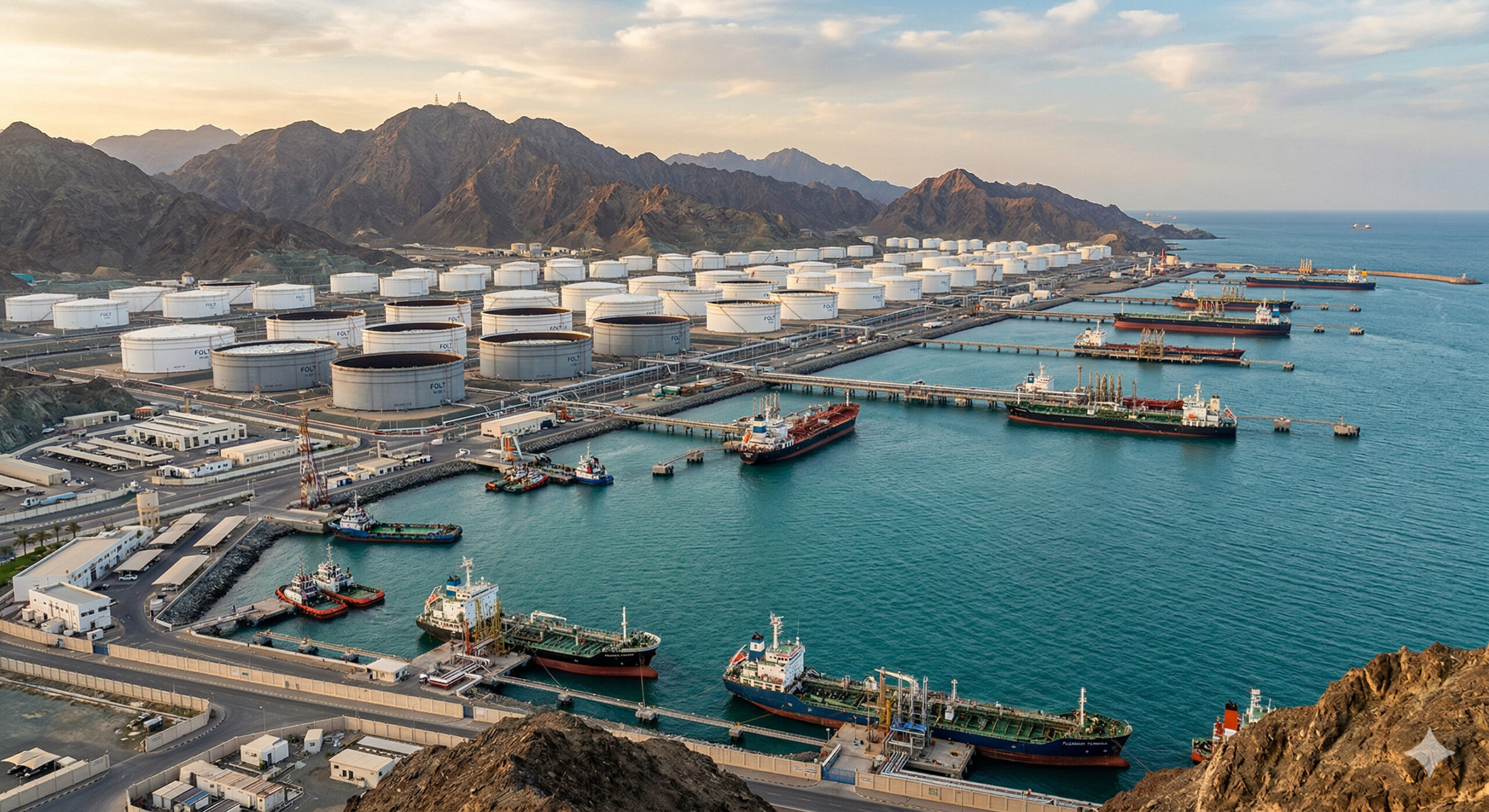
Giant reservoirs with a capacity of 18 million cubic meters have turned Fujairah into one of the largest energy vaults on the planet. This facility, located outside the Strait of Hormuz, stores oil on a colossal scale and has become a silent piece that supports the global flow of fuels.
-
The next exploration auction in the pre-salt will offer 23 blocks in the Campos and Santos basins and may change the interest of oil companies in Brazil.

-
The next exploration auction in the pre-salt will offer 23 blocks in the Campos and Santos basins and could change the interest of oil companies in Brazil.

-
Red Sea, from biblical site to oil hope: South Korea reveals ambitious plan to create new oil routes through the Red Sea with the dispatch of 5 ships, agreements with 3 countries, and a focus on the strategic port of Yanbu.

Technology: The Tool For Efficiency And Safety – Technology plays a crucial role in optimizing efficiency and reducing operational costs in the oil and gas industry. However, the vast amount of data and the integration of workers with technology are present challenges. Companies are investing in strategies to integrate all data into a single platform, as well as improving the quality of the information collected.
The Decarbonization Of Oil: The Future Of The Energy Sector – The process of decarbonizing oil is a crucial trend in the energy industry. With the growing demand for renewable sources, companies are seeking ways to reduce carbon emissions associated with oil production. One approach is Carbon Capture and Storage (CCS), which involves capturing the CO2 generated during production and securely storing it in underground reservoirs.
As we look to the future, it is crucial that industry leaders effectively and sustainably apply the concept of innovation, exploring all technological and engineering potential to promote environmental sustainability, social inclusion, and better governance.
By Augusto Borella, Chief Technology Officer at Viasat, INTELIE









Seja o primeiro a reagir!