





 Portuguese
  English
  Spanish
 4 min of reading
  0 comments


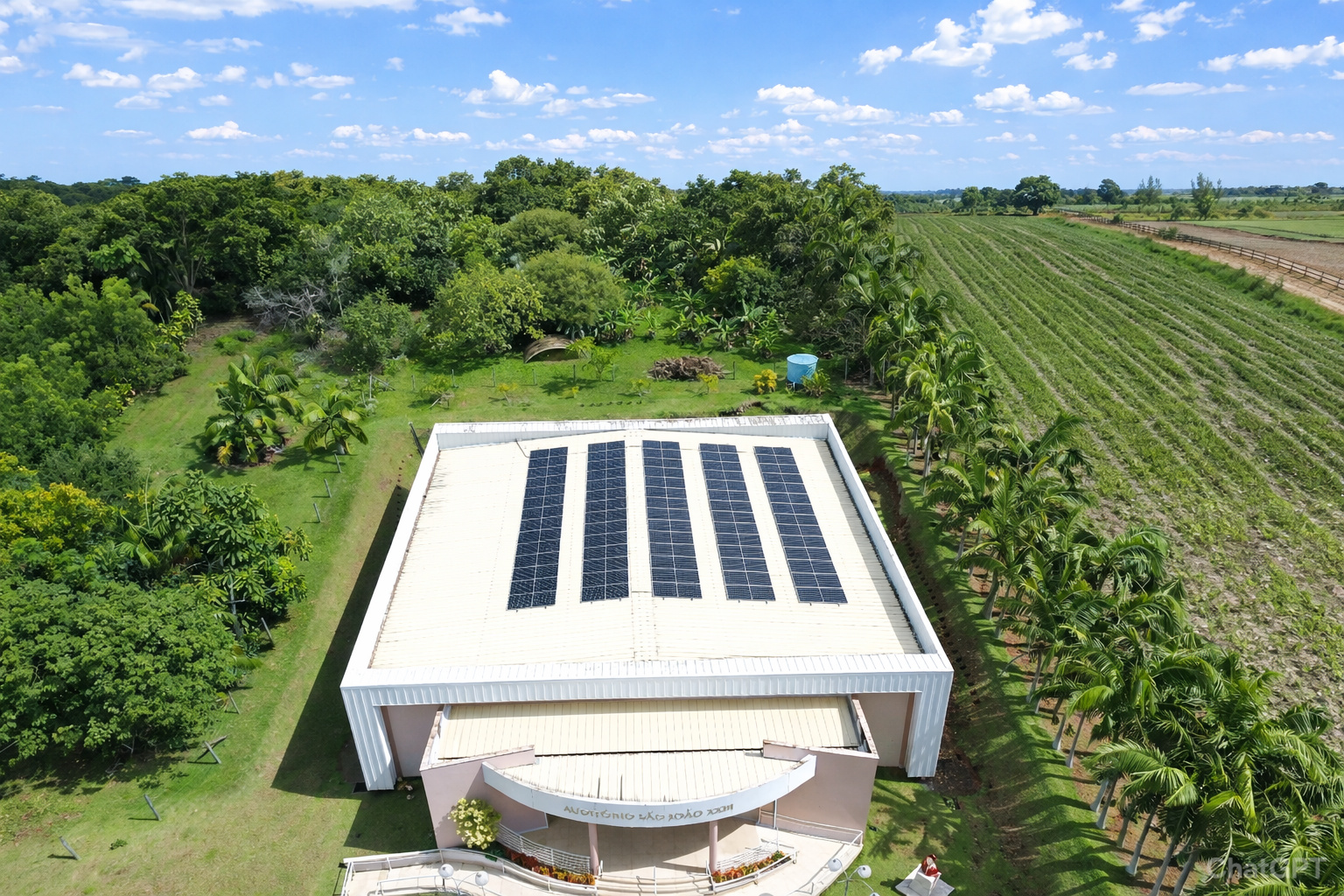
Installation of Solar Energy in Churches Reaches 72% and Transforms Energy Management of Parishes of the Diocese of Criciúma
The installation of solar energy in churches of the Diocese of Criciúma has already reached 72% completion and consolidates a structural change in the way parishes manage their electricity costs. The project integrates self-generation through photovoltaic systems installed on the roofs of churches and administrative buildings, reduces monthly expenses, and strengthens the institution’s environmental commitment.
The Diocese structured the initiative with technical and financial planning, prioritizing units with higher energy consumption. As a result, dozens of parishes already produce a significant portion of the energy they use daily, decreasing reliance on the conventional power grid and creating greater budgetary predictability throughout the year.
How The Installation of Solar Energy in Churches Works
The installation of solar energy in churches uses photovoltaic panels that capture solar radiation and convert it into electrical energy through inverters connected to the utility’s system. This model allows for immediate consumption of the generated energy, and when there is a surplus, compensation in the form of energy credits.
-
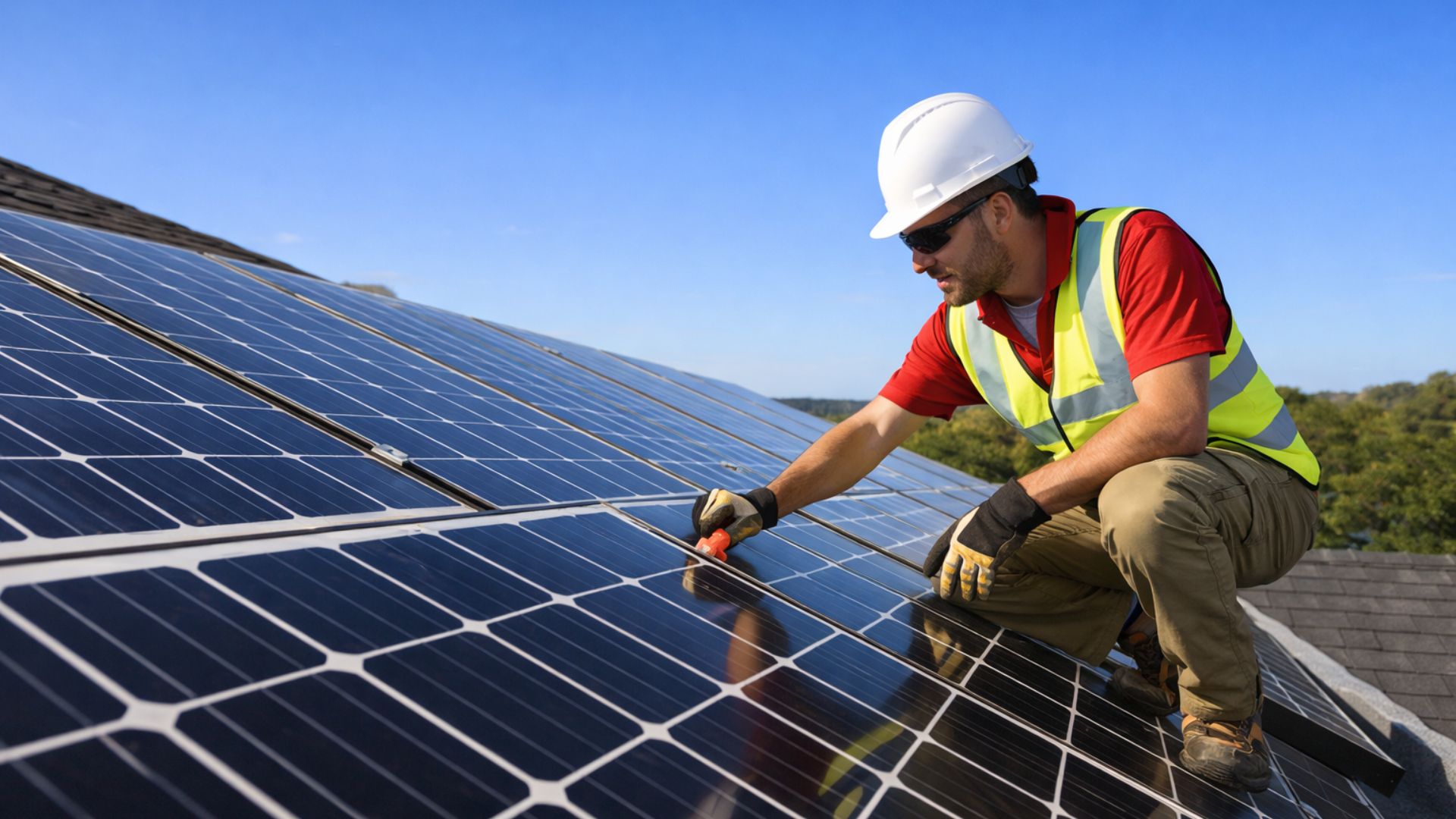
Seagri’s headquarters invests in solar energy with Neoenergia Coelba and promises to cut electricity costs, highlighting a strategic advance in sustainability and energy efficiency within state public administration.
-
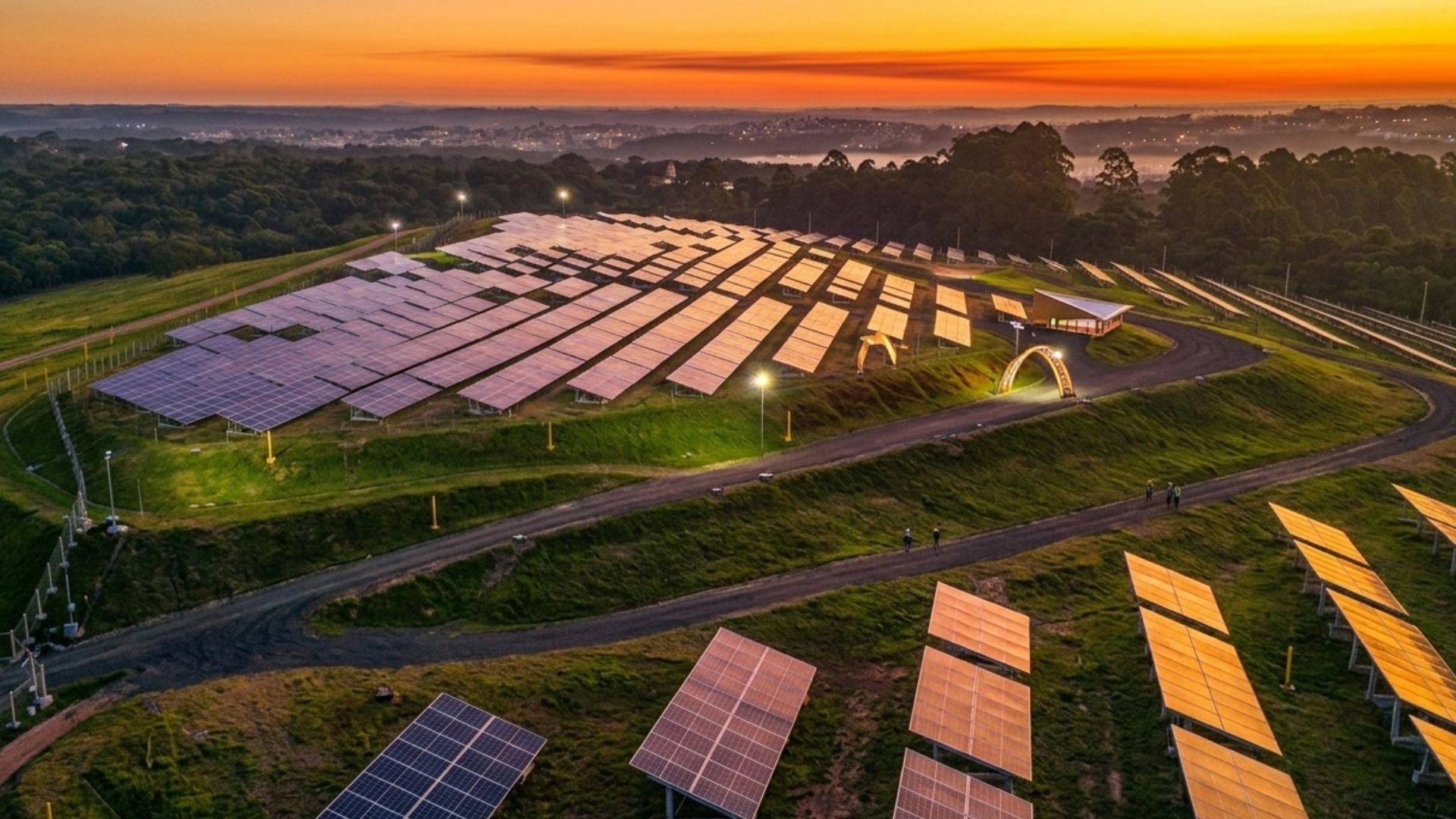
Solar Pyramid draws attention by converting solar energy into million-dollar savings and repositioning the City Hall of Curitiba as an example of innovation, sustainability, and intelligent use of public resources.
-
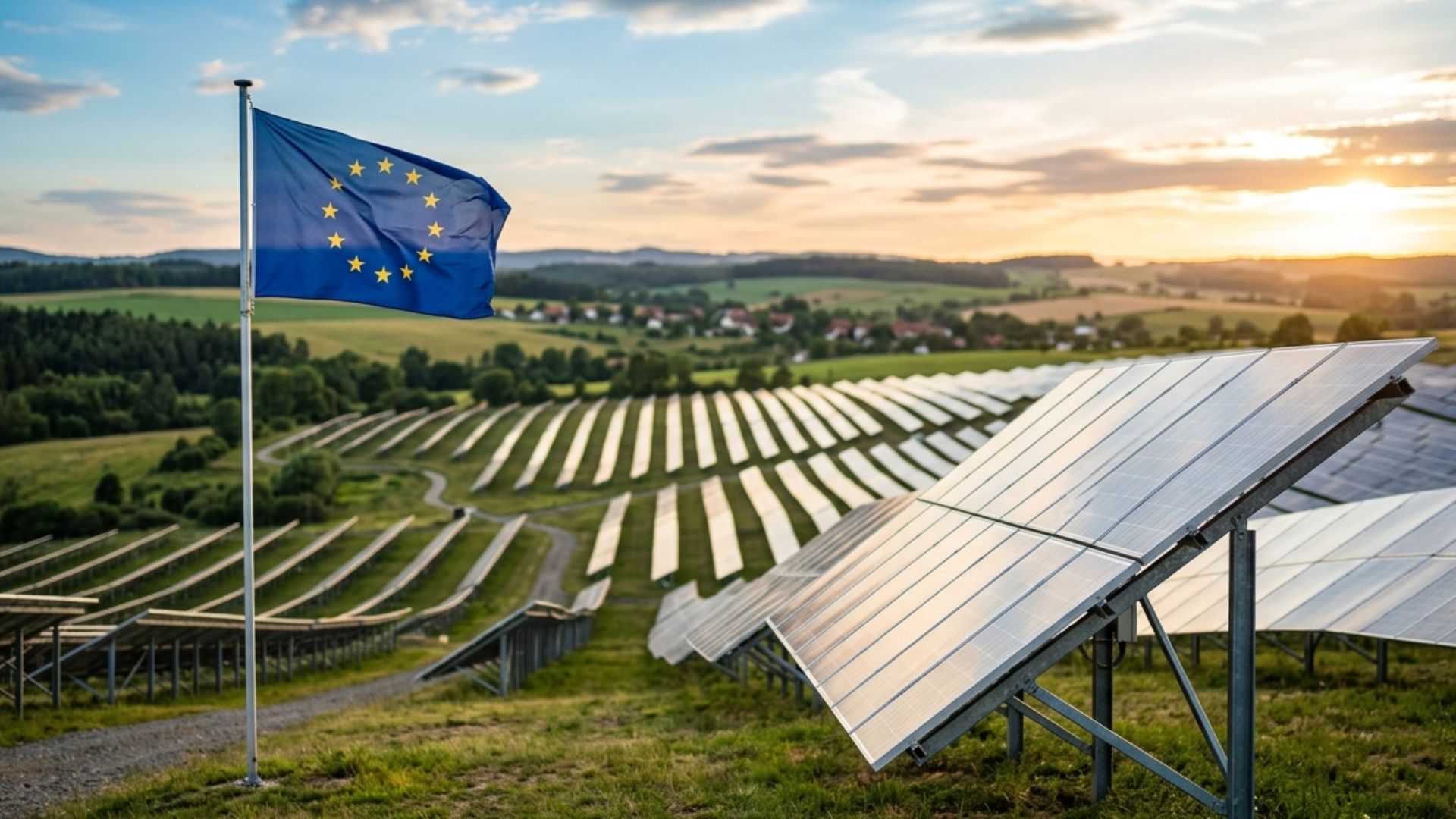
Europe records strong euro economy with solar energy in March and sparks curiosity about which country leads growth that redefines the energy market and reduces costs.
-
Piauí reaches a historic milestone in energy transition: State records nearly 160,000 households powered by solar energy and leads growth in the Northeast.
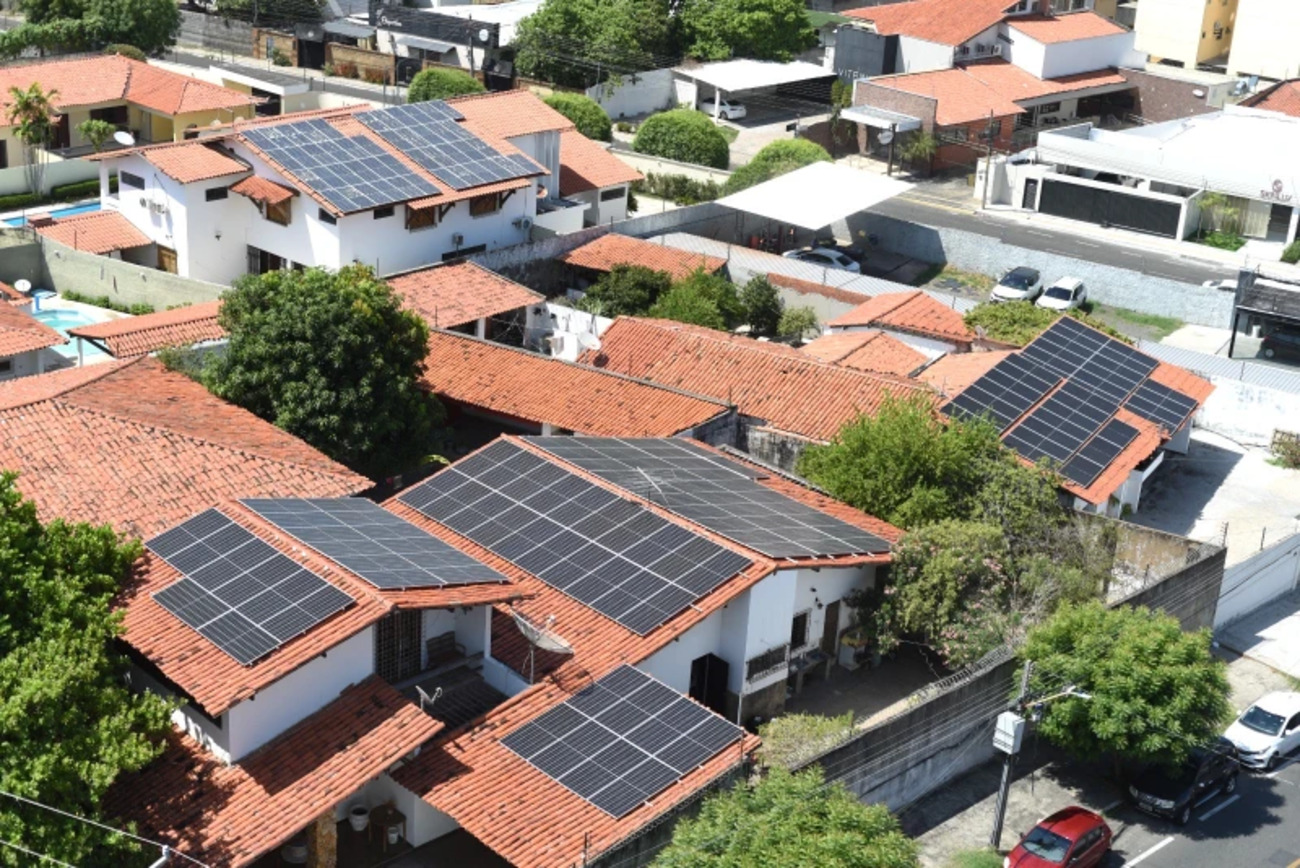

This system ensures stability in supply and reduces impacts from tariff adjustments. Additionally, the Diocese monitors generation through digital tracking, which ensures operational efficiency and quick identification of any technical adjustments.
Cost Reduction and Financial Strengthening of Parishes
Churches maintain fixed expenses with internal and external lighting, sound equipment, climate control, administrative offices, and the holding of religious events. By reducing the electricity bill, the installation of solar energy in churches frees up resources that can finance social actions, structural renovations, and community projects.
This model creates accumulated savings in the medium and long term, as photovoltaic systems have a useful life of over two decades. Thus, the initial investment tends to be amortized over the years, enhancing the financial sustainability of the parishes.
Sustainability and Environmental Commitment in Practice
Solar generation does not emit pollutants during energy production and reduces the need for fossil fuel sources. Thus, the installation of solar energy in churches directly contributes to the reduction of greenhouse gas emissions.
The Diocese integrates this action into an institutional stance focused on environmental care. Furthermore, the project aligns with principles of social responsibility and preservation of natural resources, enhancing the coherence between discourse and practice.
Technical Planning and Structured Execution
The Diocese assessed the structural conditions of each unit prior to installing the systems. Technicians analyzed roofs, inclinations, shading, and electrical capacity, ensuring safety and adequate performance.
With 72% of construction completed, the project progresses according to the defined schedule. Standardization of equipment facilitates maintenance and parts replacement, while technical oversight ensures stability in energy generation.
Direct Environmental Impact in the Region of Criciúma
The partial substitution of conventional energy with solar generation reduces demand on the traditional electrical matrix. This movement contributes to lower indirect carbon emissions and reinforces the importance of distributed generation.
The installation of solar energy in churches amplifies the positive impact in the region, as the parishes serve thousands of people weekly. Thus, the initiative goes beyond the institutional aspect and reaches a community dimension.
Engagement of the Faithful and Environmental Awareness
The systems installed on the roofs generate interest in the community and stimulate conversations about sustainability during meetings and celebrations. The Diocese uses the project as a practical example of environmental responsibility applied to daily life.
This engagement strengthens the culture of preservation and encourages families to consider adopting solar energy in their own homes. Thus, the installation of solar energy in churches expands its impact beyond the physical boundaries of the parishes.
Solar Energy in Brazil Continues to Expand
Brazil has recorded continuous growth in distributed solar generation, driven by the search for cost savings and sustainability. Public institutions, businesses, and households are adopting photovoltaic systems as a strategic alternative in the face of rising energy tariffs.
In this context, the Diocese of Criciúma aligns with a national trend and demonstrates that religious organizations can also lead energy innovation initiatives.
Return on Investment and Budgetary Predictability
Although the implementation requires an initial investment, the return occurs over the years through savings on monthly bills. Financial predictability facilitates long-term planning and reduces exposure to tariff fluctuations.
Moreover, the maintenance of the systems presents a relatively low cost, which contributes to operational stability. Therefore, the installation of solar energy in churches combines economic viability with environmental responsibility.
Expansion Possibility and Conclusion of the Solar Energy Installation Project in Churches
With 72% of the units already served, the Diocese is moving forward to conclude implementation in the remaining churches. The planning foresees gradual expansion until total coverage is achieved.
This expansion could solidify the project as a permanent policy of the institution, integrating renewable generation into the administrative management of the parishes permanently.
The installation of solar energy in the churches of the Diocese of Criciúma reaches 72% completion and transforms energy management of the parishes by reducing costs, strengthening sustainability, and enhancing financial predictability. The project combines technology, planning, and environmental commitment, in addition to encouraging community awareness.
With the continuation of the implementation, the Diocese reinforces its regional leadership in adopting renewable energy and demonstrates that religious institutions can effectively integrate economic efficiency and socio-environmental responsibility in a practical and structured way.









Seja o primeiro a reagir!