





 English
  Francês
  Alemão
  Italiano
  Japonês
  Norueguês
  Portuguese
  Spanish
  4 min of reading


Studies Will Show That Hydrogen Can Be A Pathway to Natural Gas in the Energy Transition and Will Provide Perspectives for the Production of Three Colors of Hydrogen in Brazil: Gray, Blue, and Turquoise
According to the EPBR agency, the studies that the Energy Research Company (EPE) is expected to release in the coming days will explore the possibility of installing blue hydrogen production plants on existing offshore oil and gas platforms in the pre-salt region of the Santos Basin.
Read Also
- Faetec opens 30,000 vacancies in over 50 free professional training courses in the areas of Industrial Maintenance, Technology, Education, Languages, and Culture at various units in Rio de Janeiro
- Vix Logistics calls for drivers, mechanics, technicians, helpers, carpenters, doormen, and many more professionals in Macaé and Rio de Janeiro; there are job openings for candidates with and without experience
- After 77 days without increases, Petrobras is pressured to raise the price of gasoline and diesel starting tomorrow (12/01) to ensure that the market continues to be supplied on economic bases and without risks of shortages
- Awarded by the trade winds, Ceará may become the Saudi Arabia of Green Hydrogen at the lowest global cost
In the interview, it is reported that the CO2 emitted in the process would be captured and injected into reservoirs, just as is done today with natural gas.
“Studies are still being conducted for CO2 injection, because we already have the technology in place to inject natural gas into the reservoirs. It is a more acidic gas than natural gas, but studies indicate this possibility,” explains analyst Claudia Bonelli, who participated in the preparation of the EPBR agency’s note.
-
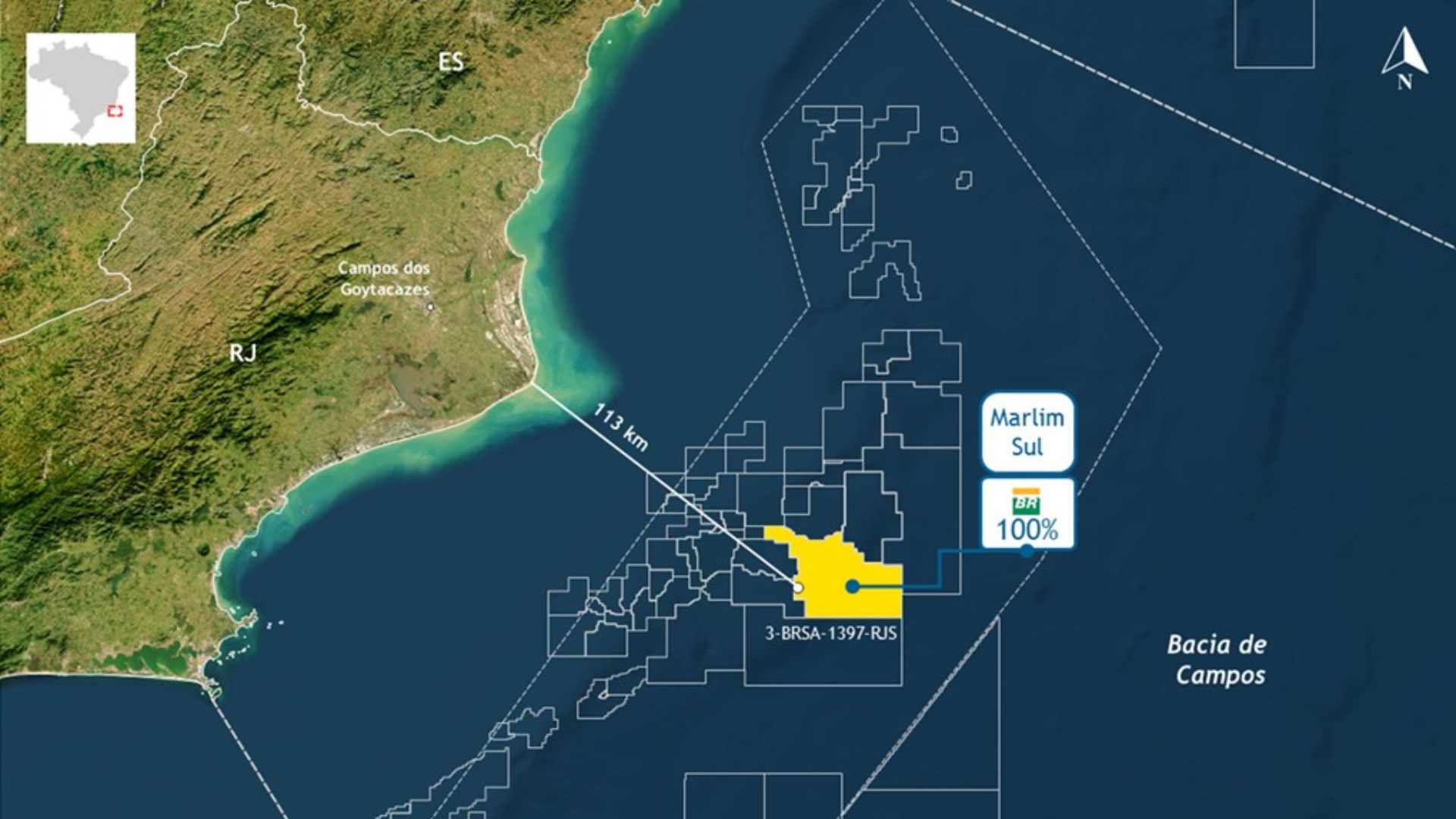
Petrobras finds high-quality oil in the pre-salt at 113 km from RJ and reignites expectations about strategic reserves in the Campos Basin.

-
Ocyan opens registrations for startups focused on innovation in the oil and gas sector and will select projects for Innovation Day with the support of Nexio.

-
Petrobras announces new oil discovery in the pre-salt of the Campos Basin and reinforces Brazil’s prominence with high-quality reserves that can increase production and energy revenues.
-
Alert in the fuel market: Analysts and a former director of ANP warn that oil prices may worsen in the coming months due to global instability.


The EPE, responsible for the studies, led by the Director of Oil and Gas Studies, Heloisa Borges, informed the EPBR agency that the studies will show that Hydrogen can be a pathway to natural gas in the energy transition and will provide perspectives for the production of three colors of hydrogen in Brazil:
- Gray – produced from the steam reforming of natural gas with carbon emissions into the atmosphere
- Blue – the same process, but with CO2 capture and storage (CCS) of the emitted CO2
- Turquoise – obtained from the pyrolysis of natural gas, generating solid carbon, a type of coke that can be repurposed in industrial processes.
Another case study will demonstrate the production of blue hydrogen onshore, where the captured CO2 would be transported to the pre-salt region for injection into reservoirs.
EDP States That Offshore Wind Energy Production Will Grow This Decade
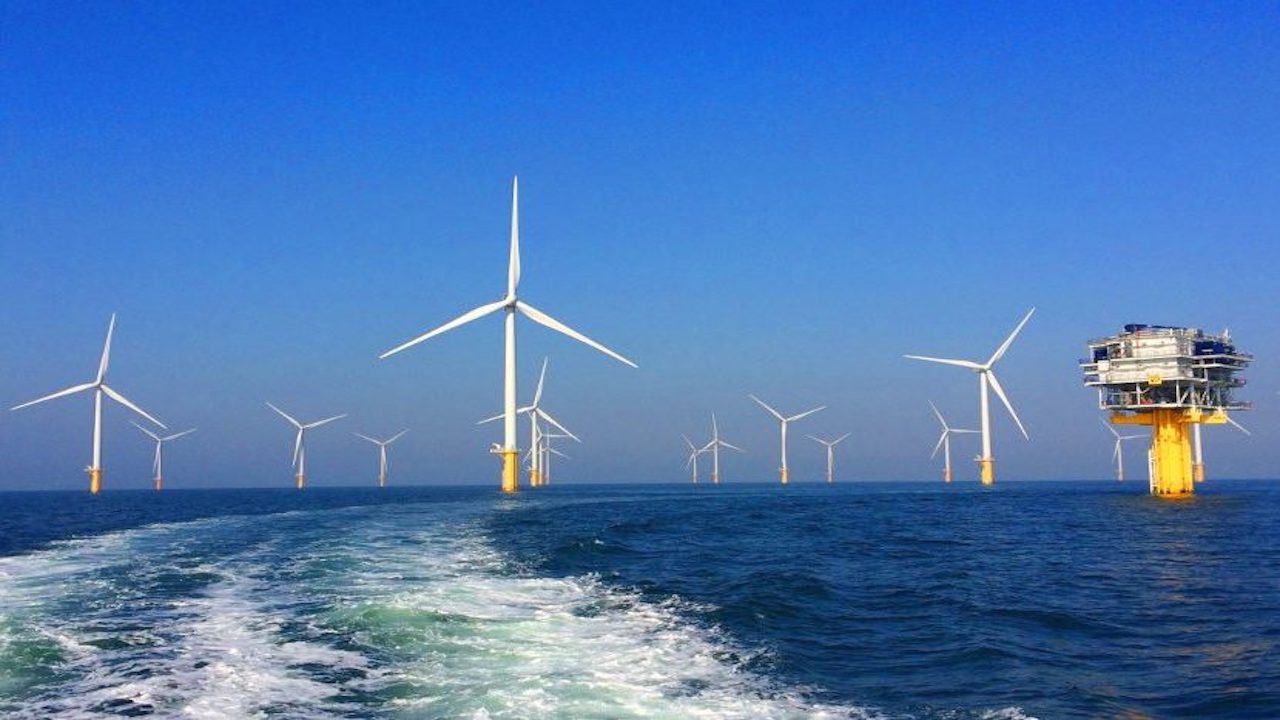
EDP has already completed the feasibility analyses of its BEHYOND project, which aims to produce green hydrogen from offshore wind energy. Can you imagine producing green hydrogen in the open sea using offshore wind energy? It’s possible! This was the conclusion of the first phase of the BEHYOND project led by EDP, in consortium with TechnipFMC, WavEC, CEiiA, and the Norwegian University USN.
After approximately six months, EDP’s BEHYOND project has finalized the technical-economic feasibility analyses for the generation of green hydrogen from offshore wind energy, meaning in the open sea, where wind resources are greater, according to a statement by the company.
In this phase, which had European funds supporting the innovative nature of the investigation, an analysis of various configurations for an offshore green hydrogen generation module was created, where electrolysis is performed using electricity generated by offshore wind farms, according to those responsible for the EDP project.
According to the company, offshore wind energy production is expected to grow significantly by 2030, and the BEHYOND project demonstrates that there is great potential for dual renewable energy production in the same location, creating synergies in infrastructures, grid points, and energy transport cables to “the mainland”.
EDP Project Will Be Feasible With Investments From Other Companies
According to EDP, the configuration studied in the project can be installed worldwide, generating and transferring green hydrogen on a large scale. This technological development is pioneering in the growth of the fuel’s value chain in the context of a blue economy and could be the solution for expanding the competitiveness of offshore wind energy parks.
The first phase of the company’s project concluded that economic viability will be achieved with advancements in the value chain and the green hydrogen industry, and, in addition, through investments from companies positioning themselves in the market, complemented by innovation support funds.
Increase in Demand for Renewable Energies Will Enable the Project
According to EDP, another way to enable the project will be to promote the industry to accelerate the transition process to renewable energies, expanding the demand for projects like this.
The company coordinated the project through EDP NEW R&D and EDP Innovation, and was also responsible for the strategic assessment of the offshore wind energy and green hydrogen market, the definition of business cases, and the technological innovation required to make the entry of these solutions into the market possible.
The project brings together the company and TechnipFMC, a leading firm in creating offshore engineering projects and solutions, the research centers CEiiA, the University of South-Eastern Norway, and WavEC-Offshore Renewables. Read the full article here.









Seja o primeiro a reagir!