





 Português
  Inglês
  Espanhol
  3 min de leitura
  0 comentários


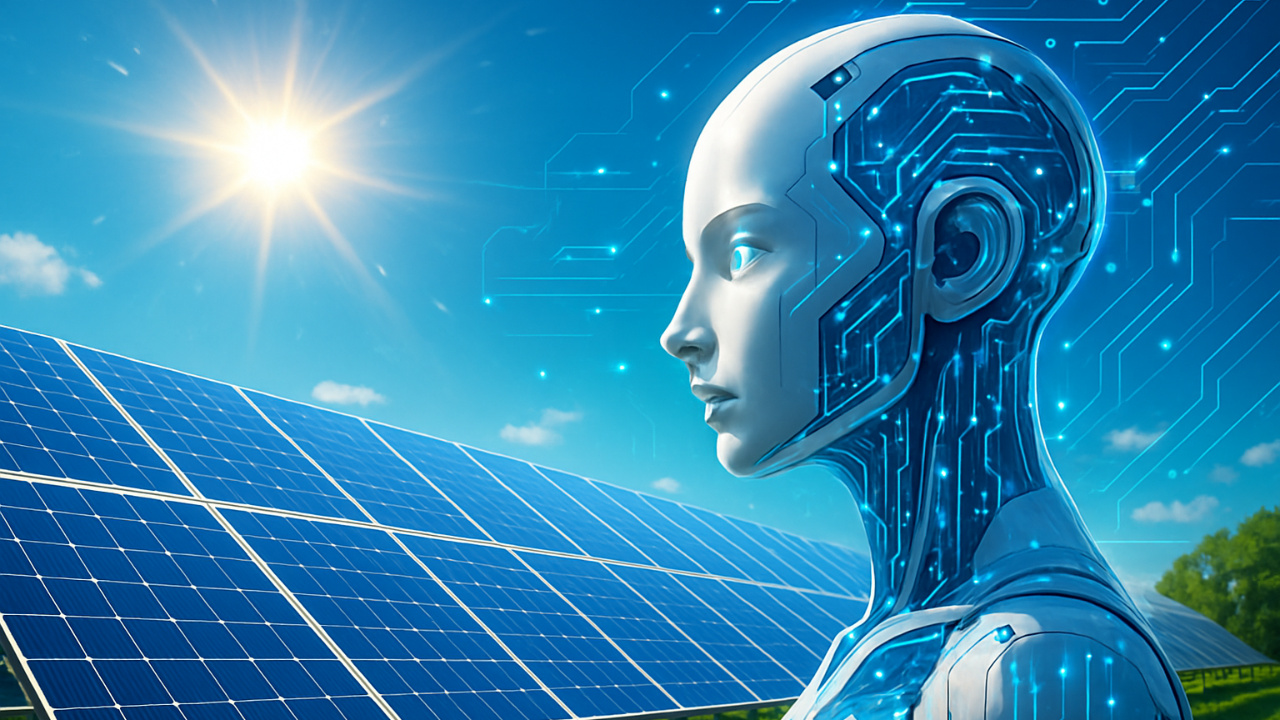
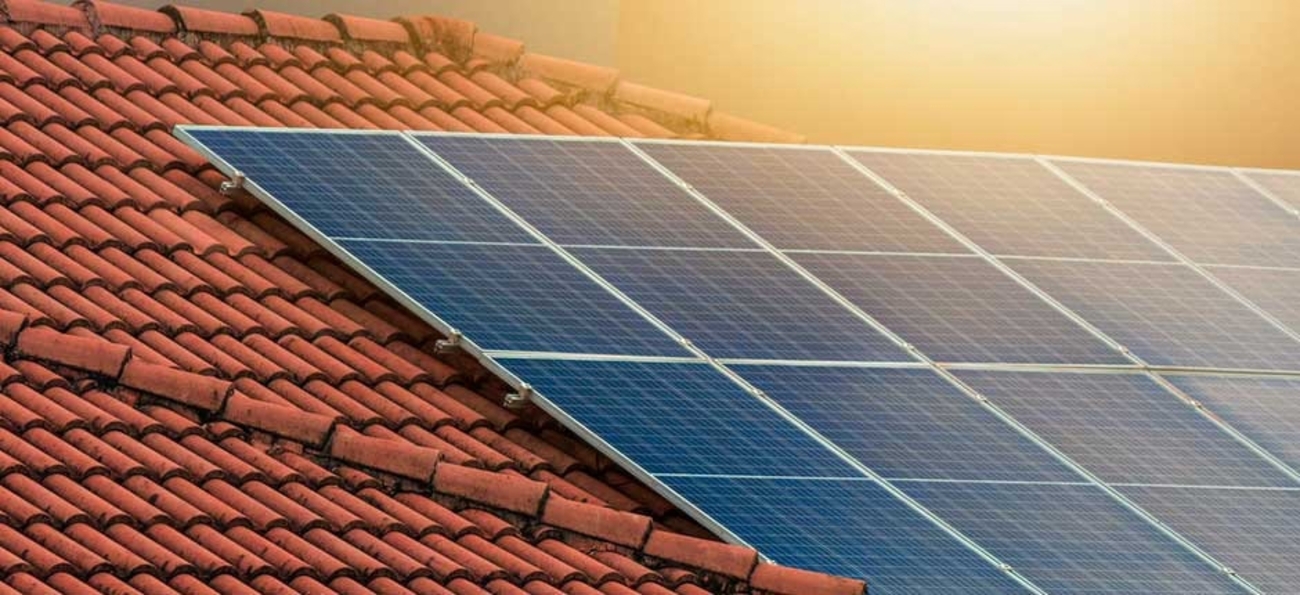
The Use of Artificial Intelligence in Solar Plants Has Already Become a Reality in Brazil and Can Change the Way Solar Parks Operate, According to the CEO of Solan Group, Siqueira Neto.
Brazilian solar plants are entering a new phase. More and more, technology has stopped being just a support and has started to lead the way solar parks generate energy.
Moreover, artificial intelligence is no longer a promise: it has become a daily tool to ensure efficiency, reduce failures, and increase production.
This movement became evident during Energyear Brazil 2026, held in São Paulo. At the event, industry experts discussed how digitalization is changing the operation of solar plants.
-
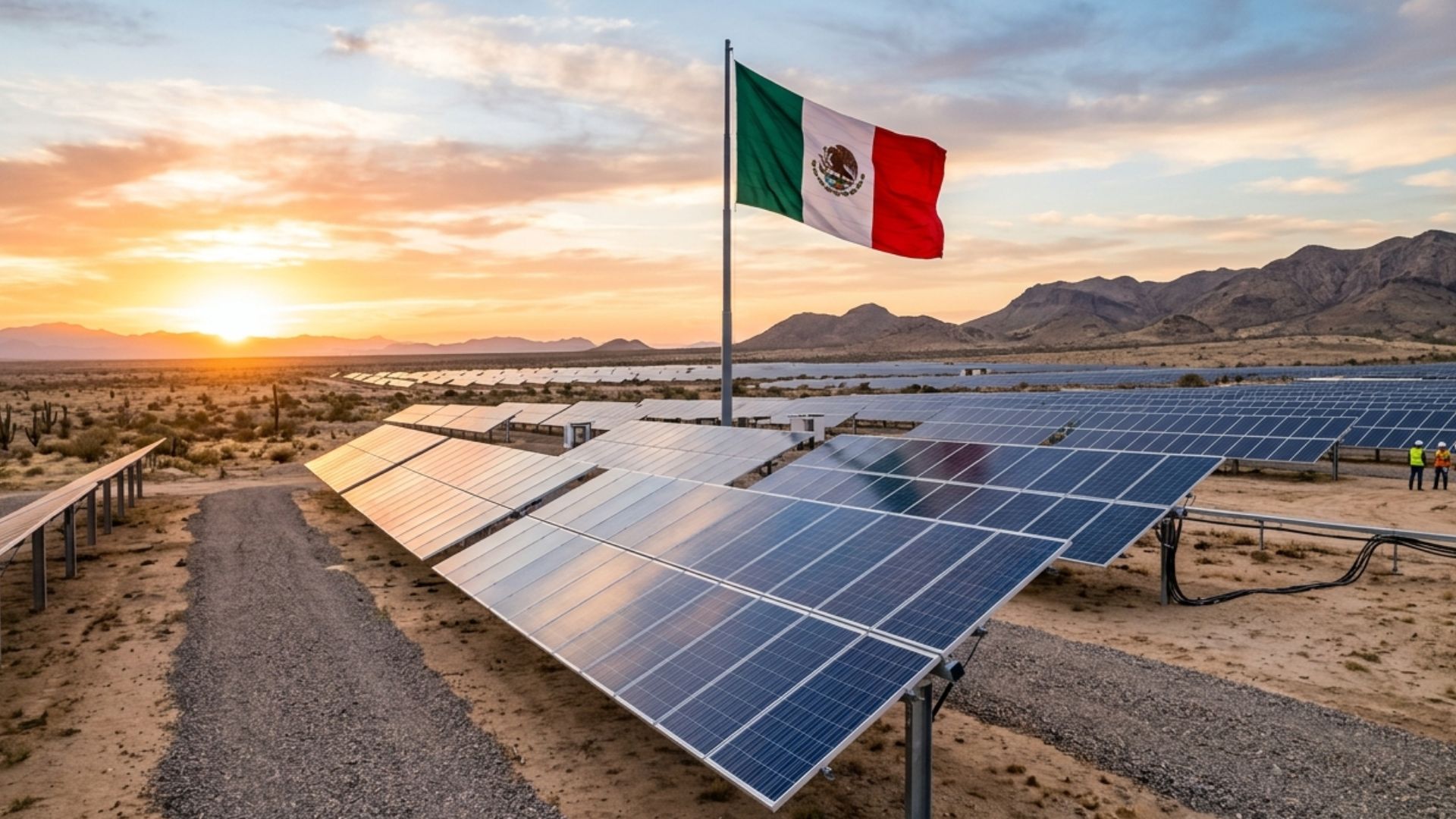
Mexico surprises the world by building the future largest solar plant in Latin America, advancing with planned expansion to over 1 GW, and boosting solar energy in the country.
-
Solar cells have just achieved the “impossible” with this 130% breakthrough.

-
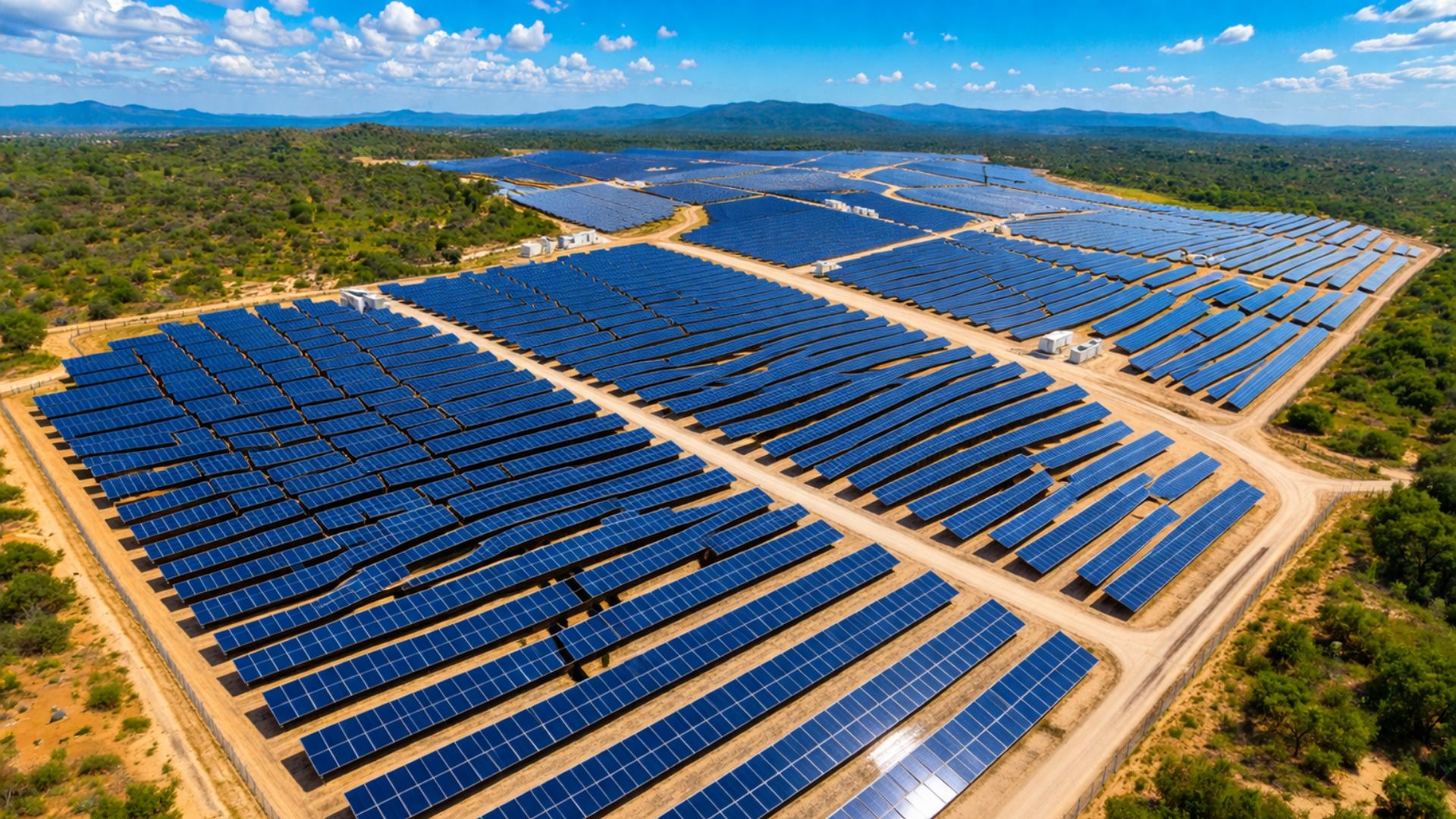
The Sol do Agreste Photovoltaic Complex begins operations in Pernambuco and accelerates the expansion of solar energy in Brazil, directly impacting the reduction of emissions and strengthening the sustainable energy matrix.
-
The Sol do Agreste Photovoltaic Complex begins operations in Pernambuco and accelerates the expansion of solar energy in Brazil, directly impacting the reduction of emissions and strengthening the sustainable energy matrix.

Among them, the CEO of Solan Group, Siqueira Neto, issued a direct warning to managers. “Artificial intelligence is a revolution, a new moment that changes everything.”
According to him, ignoring this change can be costly. “I believe that those who do not pay attention to this, the asset managers who do not apply digitalization and AI intensively, will have less competitiveness and less productivity,” said the executive.
Pressure for Efficiency Forces Change in Solar Plants
At the same time that the sector is growing, challenges are also increasing. Solar plants need to produce more, spend less, and avoid losses. Therefore, automation and intelligent systems have become essential.
According to Siqueira Neto, clients themselves started to pressure for more comprehensive solutions. Many faced difficulties in organizing data, understanding failures, and planning maintenance.
“We heard from clients that they needed to integrate data into a spreadsheet, that they could not transform SCADA data into operational activities for maintenance team management, and that integration with a performance analysis system was complex.”


In other words, the information existed. However, it was scattered and difficult to use. This delayed decisions and harmed the performance of the plants.
Intelligent Systems Change the Control of Solar Plants
In light of this scenario, Solan Group decided to create its own platform to meet the new market demands. The proposal was to integrate everything into a single system.
“It was with this type of question in mind that we created a new system that integrates these functionalities.”
According to the CEO, the system connects SCADA, which reads the plant’s data, with maintenance control and performance analysis. In addition, it also includes information about batteries and energy storage.
“The SCADA handles all the telemetry, including the battery, where performance is evaluated and integrated with the maintenance system and the entire management of the plant’s ecosystem.”
This way, the operator of the solar plant can see what is happening in real time. At the same time, they can act faster when a problem arises.
Artificial Intelligence Accelerates Responses and Reduces Losses
Another highlighted point is speed. Previously, failures could take time to be identified. Now, artificial intelligence constantly analyzes data and indicates deviations almost the instant they occur.
“For the client, it is important not only to identify the problem in real time but to act quickly and manage maintenance appropriately.”
This means less equipment downtime, less generation loss, and more financial return. In an increasingly competitive market, every detail matters.
Furthermore, digitalization allows managers to plan better. With organized data, it is possible to predict failures, optimize teams, and extend the life of assets.
Do you think that solar plants without artificial intelligence will be able to compete in the coming years or will they fall behind?






-

Uma pessoa reagiu a isso.