





 Portuguese
  English
  Spanish
  4 min of reading
  0 comments


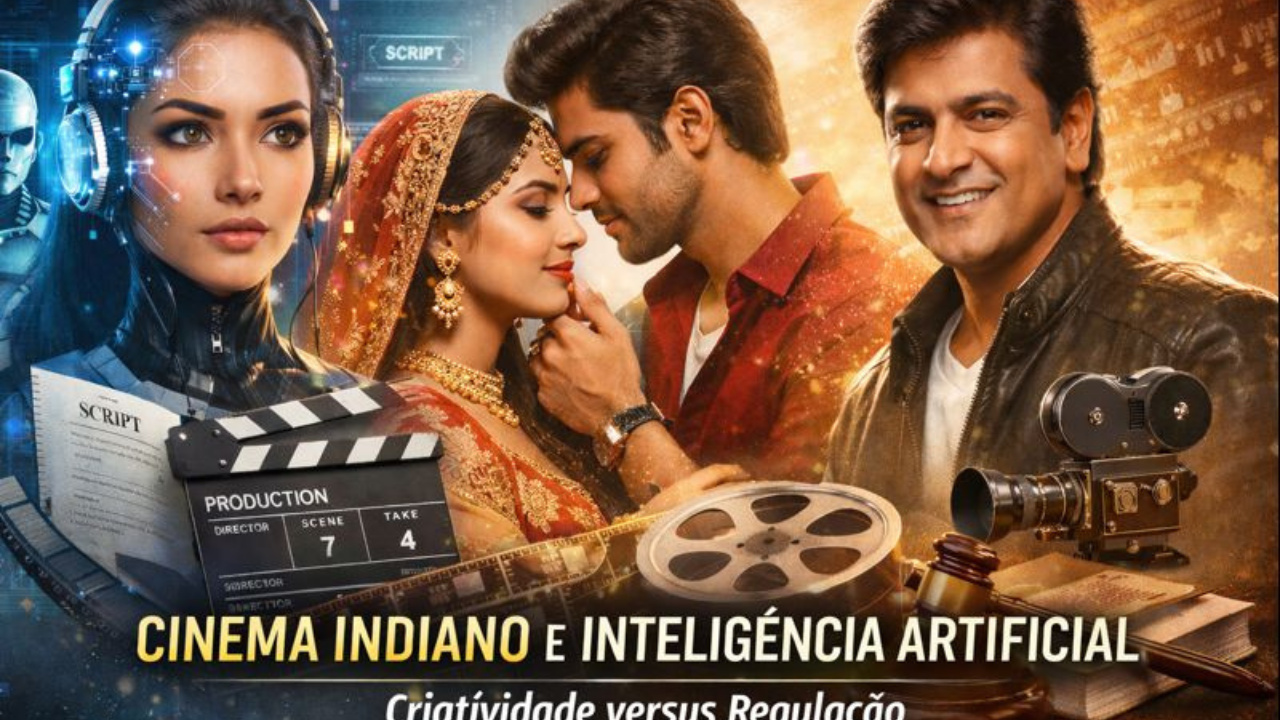
From Creative Use to Controversy, Artificial Intelligence in Cinema Changes Indian Filmmaking and Reignites the Ethical Debate.
The artificial intelligence in cinema is revolutionizing filmmaking in India by allowing independent filmmakers and large studios to create movies with reduced costs, shorter deadlines, and new creative possibilities.
Directors, screenwriters, and technicians have adopted AI tools to generate images, voices, and complete scenes, radically changing how Indian cinema is conceived, produced, and distributed.
This transformation is happening now, in different regions of the country, driven by filmmakers seeking creative autonomy, efficiency, and access to technologies previously reserved for large productions.
-
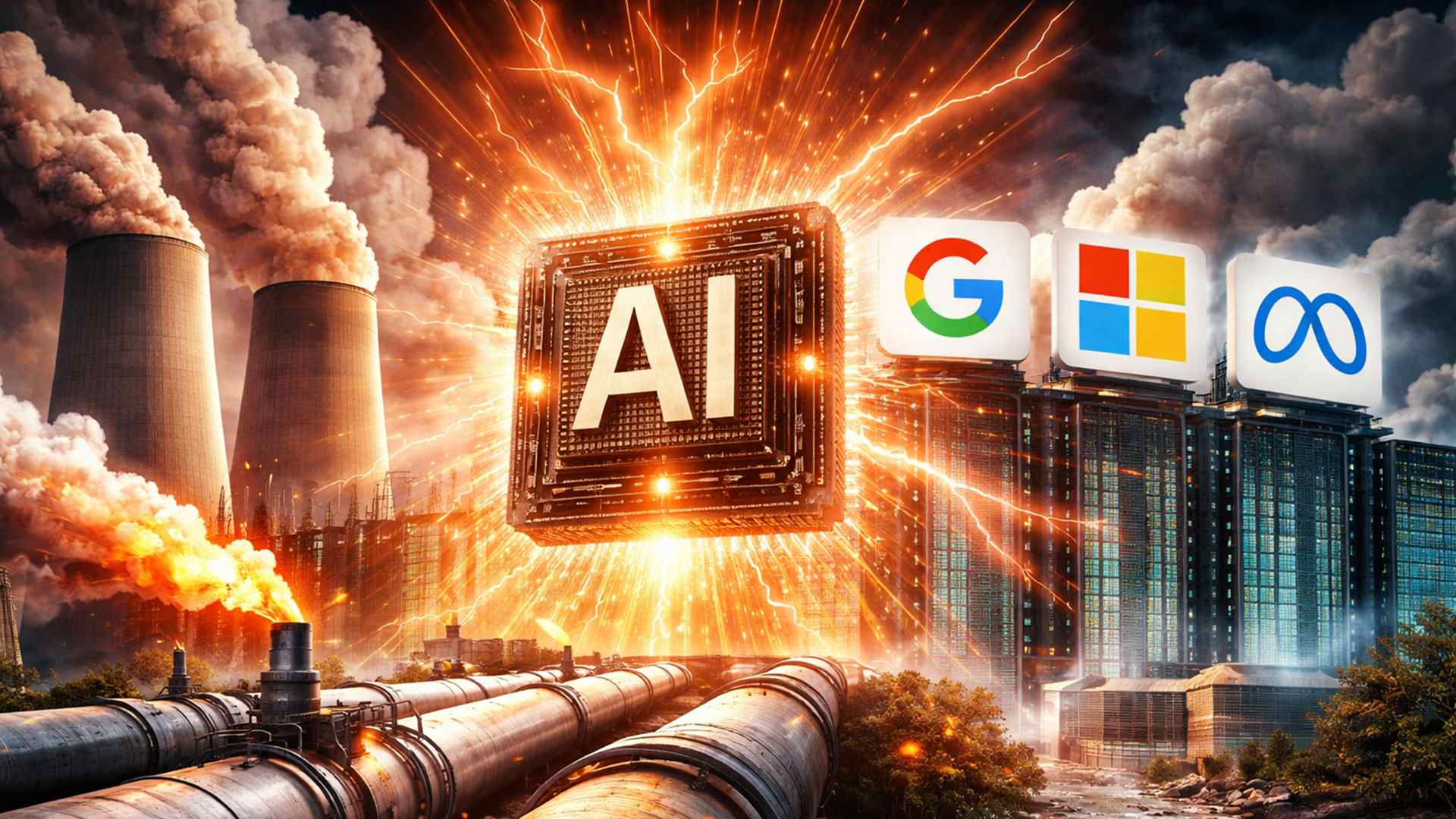
Artificial intelligence is skyrocketing energy consumption, raising emissions from tech giants and pushing Google, Microsoft, and Meta closer to natural gas.
-
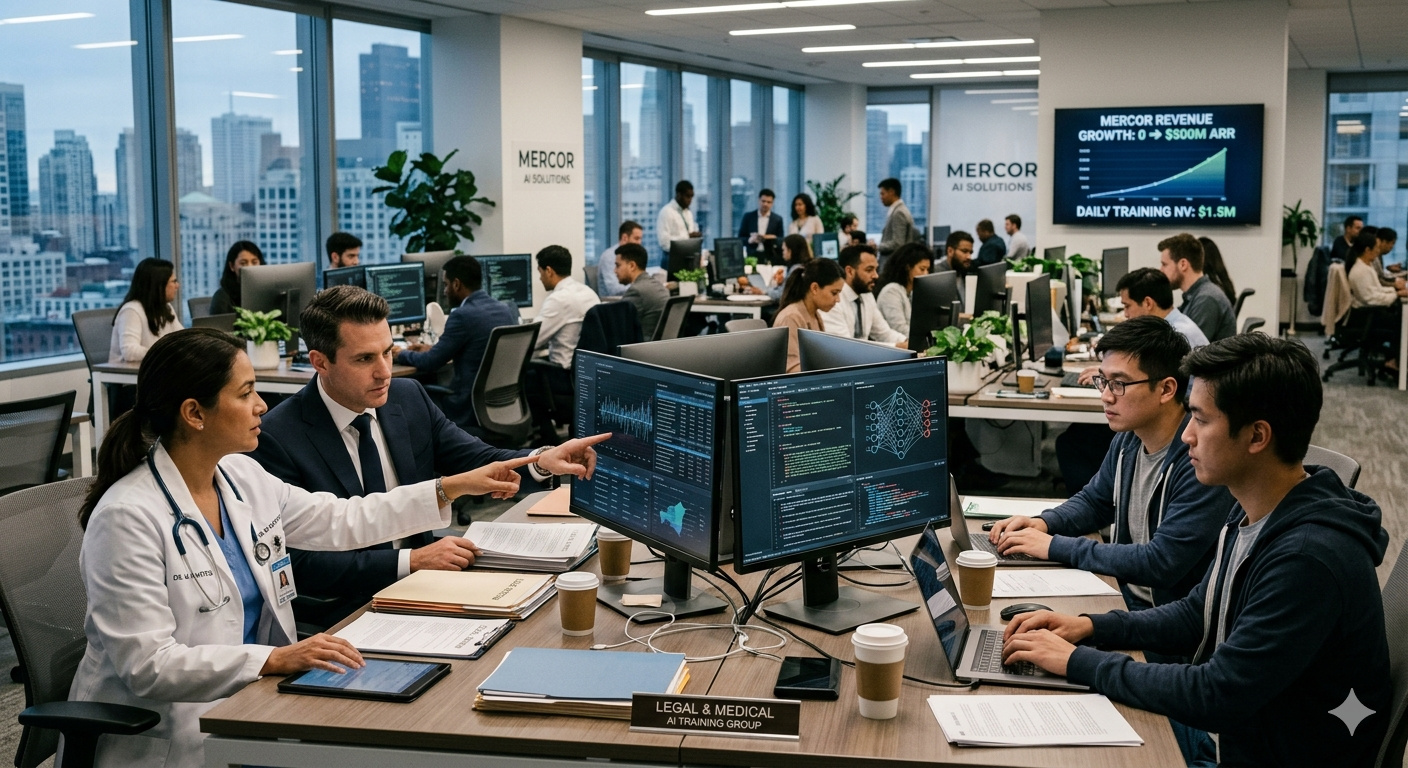
Mercor paid $1.5 million per day for doctors, lawyers, and former Goldman Sachs bankers to teach artificial intelligence to do their jobs, and in 17 months, it went from zero to $500 million in annual revenue while its own contractors accelerated the replacement of their own work.
-
Casio Unveils Moflin, Robotic Pet With Artificial Intelligence Designed To Provide Emotional Comfort And Simulate A Permanent Affectionate Bond

-
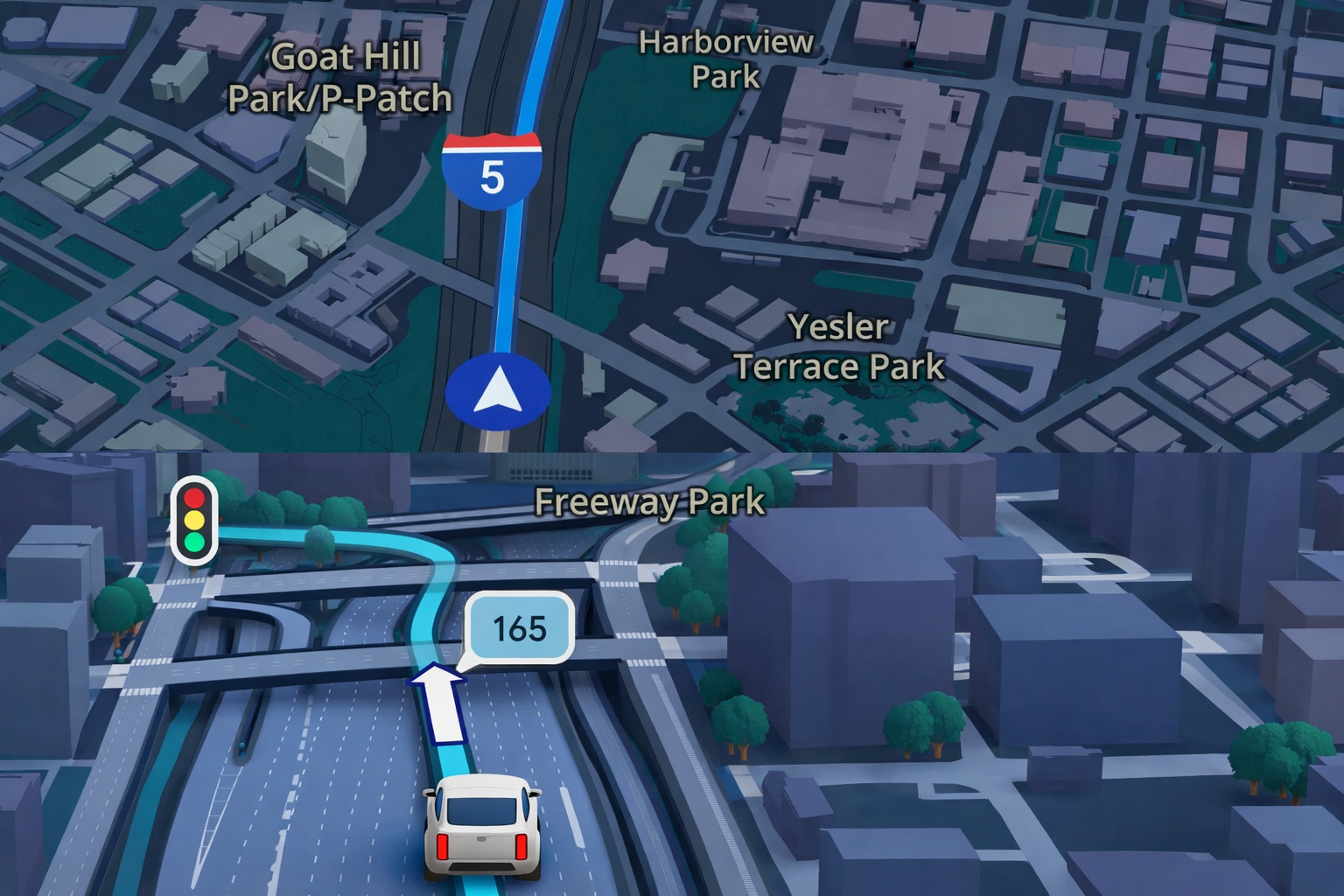
Google Maps Revolutionizes GPS Navigation With Gemini Artificial Intelligence, Ask Maps Feature, and Advanced 3D Visualization for Route and Travel Planning

This movement also reignites discussions about human creativity, cultural identity, and AI ethics and regulation.
Indian Cinema Bets on AI to Reduce Costs and Expand Creative Autonomy
One of the most emblematic examples of this change is the work of director and screenwriter Vivek Anchalia.
After having his project ignored by traditional producers, he decided to produce his film almost alone, using artificial intelligence tools in cinema like ChatGPT and Midjourney.
With these technologies, Anchalia created the romantic feature film Naisha, in which about 95% of the scenes were generated by AI.
The budget was below 15% of a conventional Bollywood production, reinforcing the impact of AI on the democratization of filmmaking.
“Why wait for studio approval if AI allows me to produce the film as I wish?” questions the filmmaker.
According to him, the process required numerous iterations to achieve the ideal look, but was still less stressful than coordinating a large team.
Artificial Intelligence in Cinema Is Already Part of Large Productions
In addition to independent projects, artificial intelligence in cinema is also present in big-budget productions.
Director Jithin Laal used AI in the pre-visualization phase of the hit Ajayante Randam Moshanam (ARM), in Malayalam.
The technology helped to transform complex concepts into clear images for the technical team.
“For my next film, we are testing scenes before committing financial resources to large-scale production,” explains Laal.
This strategic use reinforces how AI has become an essential support tool in Indian cinema, mainly to reduce financial risks and optimize creative decisions.
Digital Rejuvenation Divides Opinions, But Captivates the Audience
The rejuvenation of veteran actors is another area where artificial intelligence in cinema has gained prominence.
In the film Rekhachithram (2025), actor Mammootty, 73 years old, appears looking slightly over 30, thanks to AI.
The process was led by Andrew Jacob D’Crus of Mindstein Studios, who trained models with restored images of the actor.
While Hollywood faces resistance to this kind of technology, Indian cinema has reacted more positively, seeing AI as an ally for storytelling and economic viability.
Human Creativity Is Still Irreplaceable, Filmmakers Warn
Despite advancements, many directors warn that artificial intelligence in cinema does not replace human creativity.
According to Laal, AI lacks emotional depth and cultural understanding sufficient to create great screenplays.
Director Shekhar Kapur reinforced this view by stating that technology “cannot create mystery, feel fear or love.”
This limitation becomes even more evident in a country with such cultural and linguistic diversity as India.
Lack of Cultural Diversity Exposes AI Limits
“Try putting prompts like ‘demigod’ and it will provide unrecognizable results,” reports the filmmaker.
Therefore, in culturally complex scenes, he still relies on human artists to create storyboards and guide the narrative.
Ethics and Regulation of AI Concern the Film Industry
Thus, the rapid advance of artificial intelligence in cinema also exposes gaps in AI ethics and regulation.
According to lawyer Anamika Jha, India does not have a comprehensive statute that protects actors and professionals against the misuse of AI-generated images and voices.
“The absence of explicit legislative reforms shows that laws are not keeping up with the speed of AI,” she warns.
Coexistence Between Technology and Human Creativity Is the Challenge
For filmmaker Arun Chandu, who teaches AI applied to cinema, the future lies in coexistence between technology and human talent.
So in his classes, he proposes producing two films — one with AI and another traditional — to compare authenticity and emotional impact.
“It is faster to create films with AI,” he concludes. “But the more refined version is always the human one.”









-

Uma pessoa reagiu a isso.