





 Portuguese
  English
  Spanish
  5 min of reading
  0 comments


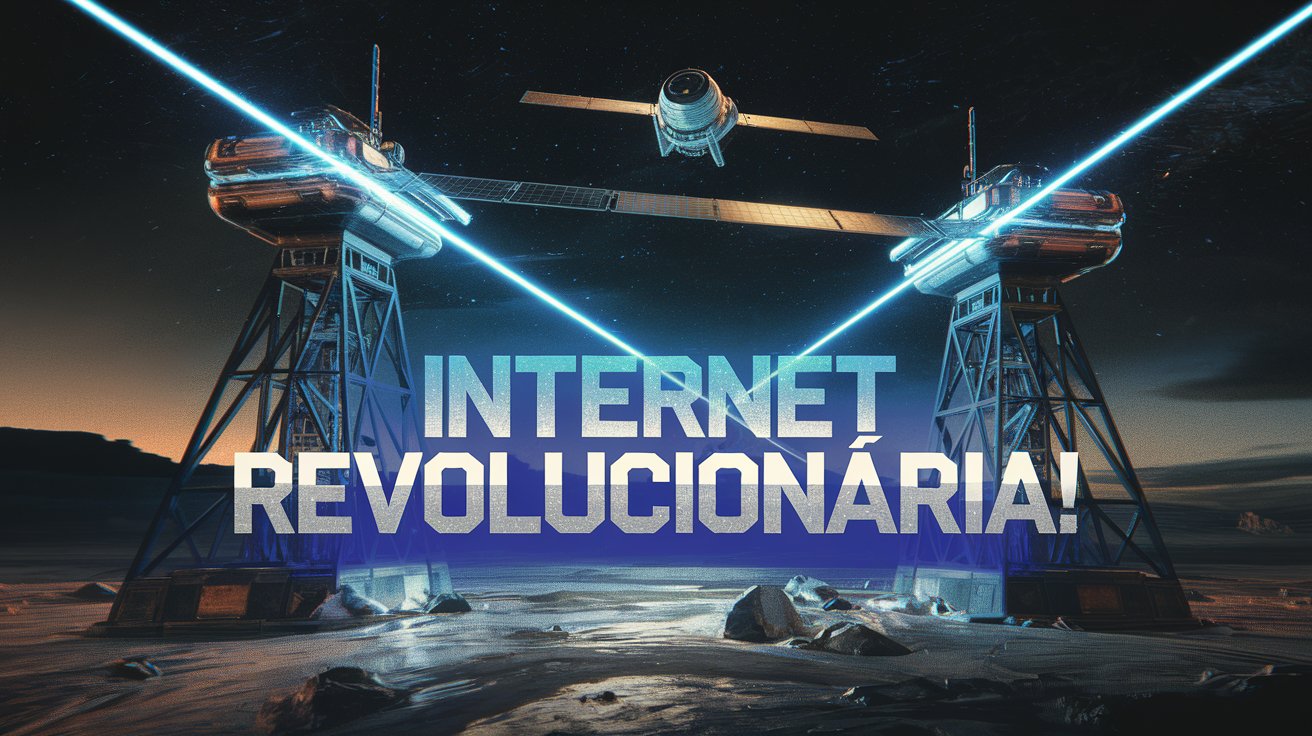
The Internet Revolution Has Begun! Taara, Alphabet’s Project, Leaves the Incubator and Promises to Challenge Elon Musk’s Starlink with Laser Technology. With Impressive Speeds and Reduced Costs, This Innovation Could Change the Future of Global Connectivity. Will This Be the End of SpaceX’s Hegemony in the Sector?
In a strategic move that promises to change the way we access the internet, the laser internet project, known as Taara, has just become an independent company, separating from Alphabet’s X incubator, which owns Google.
The move brings with it the ambition to transform the way data connections are transmitted, directly challenging major market players like Elon Musk’s Starlink.
With the goal of providing high-speed internet to isolated regions, Taara seeks to expand the boundaries of what is possible in terms of global connectivity.
-
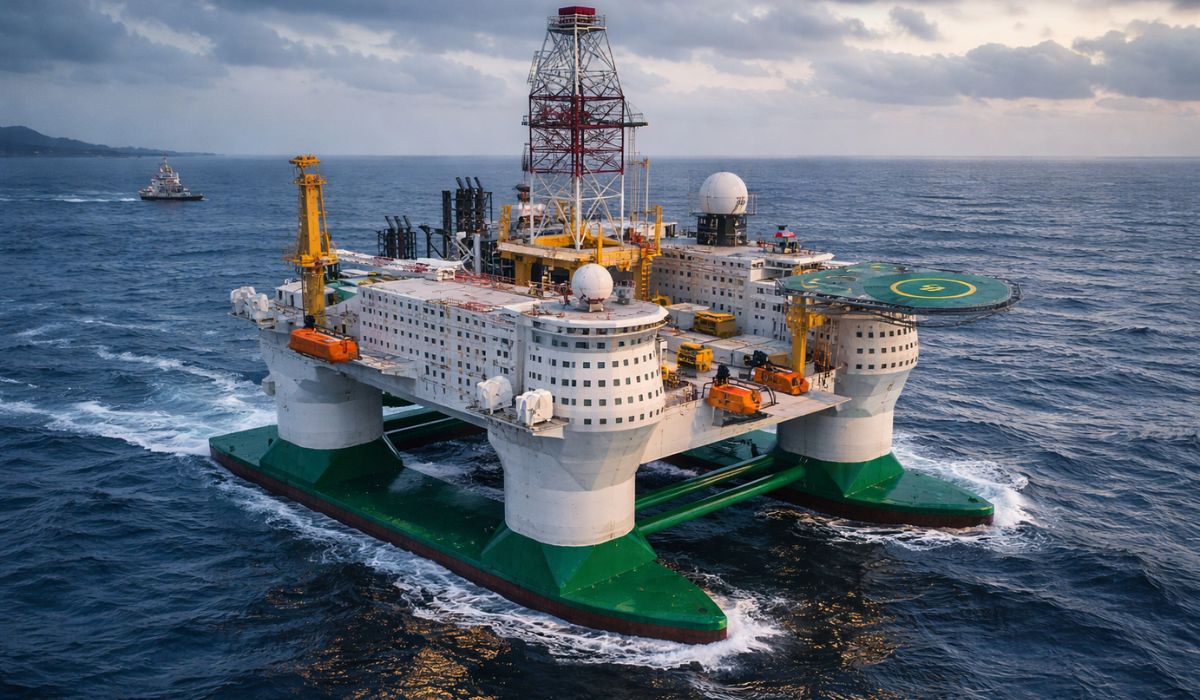
China has launched the world’s first floating artificial island, a scientific structure designed to face open seas, test equipment weighing hundreds of tons, and reach depths of 10,000 meters.
-
A forgotten cord on the floor of a basement in Vienna leads a plumber to a box containing 30 kilograms of gold with Mozart’s face, hidden before World War II. The treasure, worth 2.3 million euros, was just centimeters away from a worker who ignored the sign a day earlier.

-
China accelerates global science and may surpass the United States in 2 years with increased public investment, continuous growth, and direct impact on the global technological competition.

-
Scientific studies indicate that drought may be strengthening a much greater silent threat: more resistant superbugs.


While Starlink, one of Musk’s best-known initiatives, offers satellite internet, Taara bets on an unprecedented approach, using lasers to transmit data.
And these are not just promises of innovation – the technology has shown impressive results, with speeds of up to 20 gigabits per second, distances of 20 km, and costs much lower than traditional alternatives such as fiber optics.
Laser Technology: A Revolution in Global Connectivity
Unlike traditional fiber optic networks that require underground cable infrastructure, Taara uses compact terminals, roughly the size of a traffic light.
These terminals shoot precise and narrow laser beams at each other, allowing communication in areas where conventional internet infrastructure is difficult to install.
This means that remote places, such as islands, regions with large rivers, or even mountainous areas, can now be connected to the internet more effectively and affordably.
Tough Competition with Elon Musk’s Starlink
Starlink, Elon Musk’s famous satellite internet network, has been gaining attention for its ability to provide connectivity in remote and hard-to-reach locations.
However, satellite internet has its challenges, such as latency and high costs.
Therefore, the arrival of Taara in the market comes as a promising alternative.
With laser transmission, latency can be significantly reduced, and the capacity to transmit large volumes of data over long distances makes Taara a more efficient and economical solution, especially in comparison to satellite alternatives.
According to industry experts, the competition between the two technologies has the potential to drastically change the landscape of global connectivity.
While Starlink stands out for global coverage using orbiting satellites, Taara offers a more agile and accessible solution for regions that have previously been left behind in the face of expensive and complex infrastructure installation challenges.
Robust Investments and Expansion Plans
After leaving the X incubator, Taara has secured a new round of investments, with Series X Capital taking a prominent role in the company’s financial boost.
According to the Financial Times, Alphabet, although distanced from the project, still holds a minority stake in Taara.
This continued support from the tech giant ensures a solid foundation for the project to expand its operations and reach more markets.
Currently, Taara is operating in 12 countries, mainly in regions that present logistical challenges for internet infrastructure deployment.
The company has focused on areas in Africa, Asia, and Latin America, regions that often lag behind technological advancements due to the lack of adequate infrastructure.
In Brazil, for example, the solution could be a revolution, especially in states farther from major urban centers, where connectivity is still a challenge.
The Next Step: Chips and Miniaturization of Technology
The big news for the coming years is the reduction of Taara’s laser technology into an even more compact format.
With miniaturization, the company plans to launch a chip with reduced physical dimensions but superior performance, expected in 2026.
This innovation will not only facilitate the implementation of the system in more challenging areas but will also enable an even lower cost, making the solution even more accessible.
The chips will be developed to easily integrate into smaller devices, making them adaptable for different types of terminals and even for urban environments.
This allows laser internet, previously associated with remote and hard-to-reach areas, to also reach large cities, where the demand for fast and efficient connections is increasingly high.
The Future of Connectivity: A Technological War Between Laser and Satellite
As investments continue to grow and new partnerships are formed, the future of Taara looks promising.
The challenge of providing fast and affordable internet to millions of people living in disconnected regions may be the decisive factor for the company to gain even more space in the market.
Moreover, the search for miniaturization of technology and the integration of chips that can be easily installed promises to open doors for new connectivity applications that go beyond simply providing internet in remote areas.
The global internet market is in constant evolution, and the emergence of alternatives like Taara promises to further intensify competition with companies like Starlink.
Changing Taara’s business model by becoming an independent company may just be the beginning of a series of innovations that will place the country at the forefront of digital connectivity.
The Battle for Accessible and High-Quality Internet
In an increasingly digital world, the competition for offering high-quality and affordable internet has become one of the greatest challenges of the 21st century.
Taara, with its laser technology, promises to dethrone established alternatives like Starlink, providing a more cost-effective solution with better performance in many areas.
With ambitious expansion plans and innovative technology, Taara is ready to become a significant name in the global connectivity market.
Its entry into the market could mean a revolution in internet access in remote areas, allowing more people around the world to connect and participate in the digital age.






-

Uma pessoa reagiu a isso.