





 English
  Francês
  Alemão
  Italiano
  Japonês
  Norueguês
  Portuguese
  Spanish
  3 min of reading


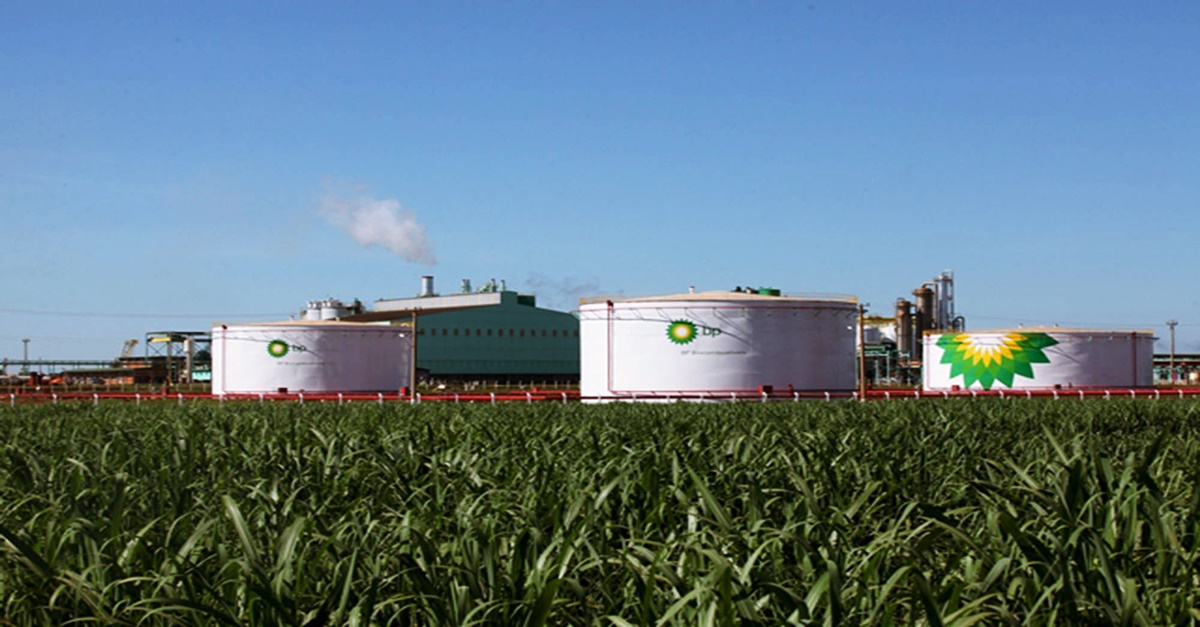
Sugar Mills Can Allocate More or Less Sugarcane to Make Sugar or Ethanol, Depending on Which Product Offers Better Returns, Says CEO of BP Bunge Bioenergia
The British BP announced that it aims to significantly increase energy production from renewable sources. Although the company is focusing on ethanol in Brazil, due to the pandemic, it is sugar production that has been paying the bills for the oil company. Are you looking for a job? Contracts in Macaé, RJ and SP from the oil multinational Baker Hughes demand many job vacancies today, October 14
Read Also
- 200 thousand jobs in Brazil generated through the implementation of photovoltaic solar energy
- ANP aims to facilitate the direct sale of ethanol by relaxing the restrictions on the commercialization of biofuel in Brazil
- Petrobras breaks the high price of fuels; despite the adjustment, gasoline and diesel at refineries represent less than half of the final price to the consumer
With the crisis caused by the new coronavirus, where the population had to comply with a quarantine, car circulation drastically reduced and consequently the demand for ethanol, making sugar yield a better return than the biofuel, which is expected to drop by 10% this year in Brazil.
In Brazil, the second largest ethanol producer in the world after the USA, the sector was also affected by the limitation of gasoline prices for seven years, which harmed demand.
-
While Russia dominates the global wheat market, Brazil emerges as an unexpected competitor in the Cerrado, offering grain available in July and August when stocks in the Northern Hemisphere are at their lowest point of the year.

-
China returned almost 20 Brazilian ships with soybeans, but now everything could change: the country that buys 80% of the grain is considering relaxing regulations after impurities held up shipments of thousands of tons and caused million-dollar losses.
-
Chinese giant worth nearly R$ 4 billion that manufactures cables for electric cars, solar energy, and robotics wants to open a factory in SC.

-
Many employers do not know, but the law guarantees domestic workers a 25% increase in salary during trips, 50% for overtime, 20% for night shifts, and 17 additional benefits that can lead to labor lawsuits if not paid.


According to Mario Lyndenhayn, responsible for BP’s operations in Brazil, the British company currently manages 11 sugar and ethanol mills in the country together with the American agribusiness giant Bunge. This means that the joint venture was forced to convert more sugarcane into sugar at the expense of biofuel production — and that was right in the first year of operation.
In September, the company promised to reduce oil and gas production by 40% over the next decade and multiply renewable energy production by 20. Brazilian ethanol is essential to reach this goal.
“Sugar prices in reais soared to a very attractive level for the mills in Brazil,” said Geovane Dilkin Consul, CEO of the joint venture, in an interview with Bloomberg. This move allowed the industry to “not suffer too much.”
Sugar mills can allocate more or less sugarcane to make sugar or ethanol, depending on which product offers better returns. While most sugar is exported, ethanol fuels the domestic fleet of flex cars.
BP Ensures Profit with Sugar
To ensure profit with sugar, the oil company BP made hedge contracts for the entire current crop at nearly record prices in reais. For next year’s crop, the guaranteed contracts were at a price 10% higher.
When they purchased sugar and ethanol mills, the multinationals focused too much on industrial assets instead of the quality of sugarcane fields, “Our learning curve was painful,” added Lyndenhayn, who also serves as CEO of BP Bunge Bioenergia.
Still, BP is eyeing Brazilian ethanol. The joint venture plans to spend more than R$ 1 billion on sugarcane fields and an additional R$ 200 million on industrial assets. The joint venture aims to save about R$ 1 billion over three years from capturing synergies.








Seja o primeiro a reagir!