





 Portuguese
  English
  Spanish
 5 min of reading
  0 comments


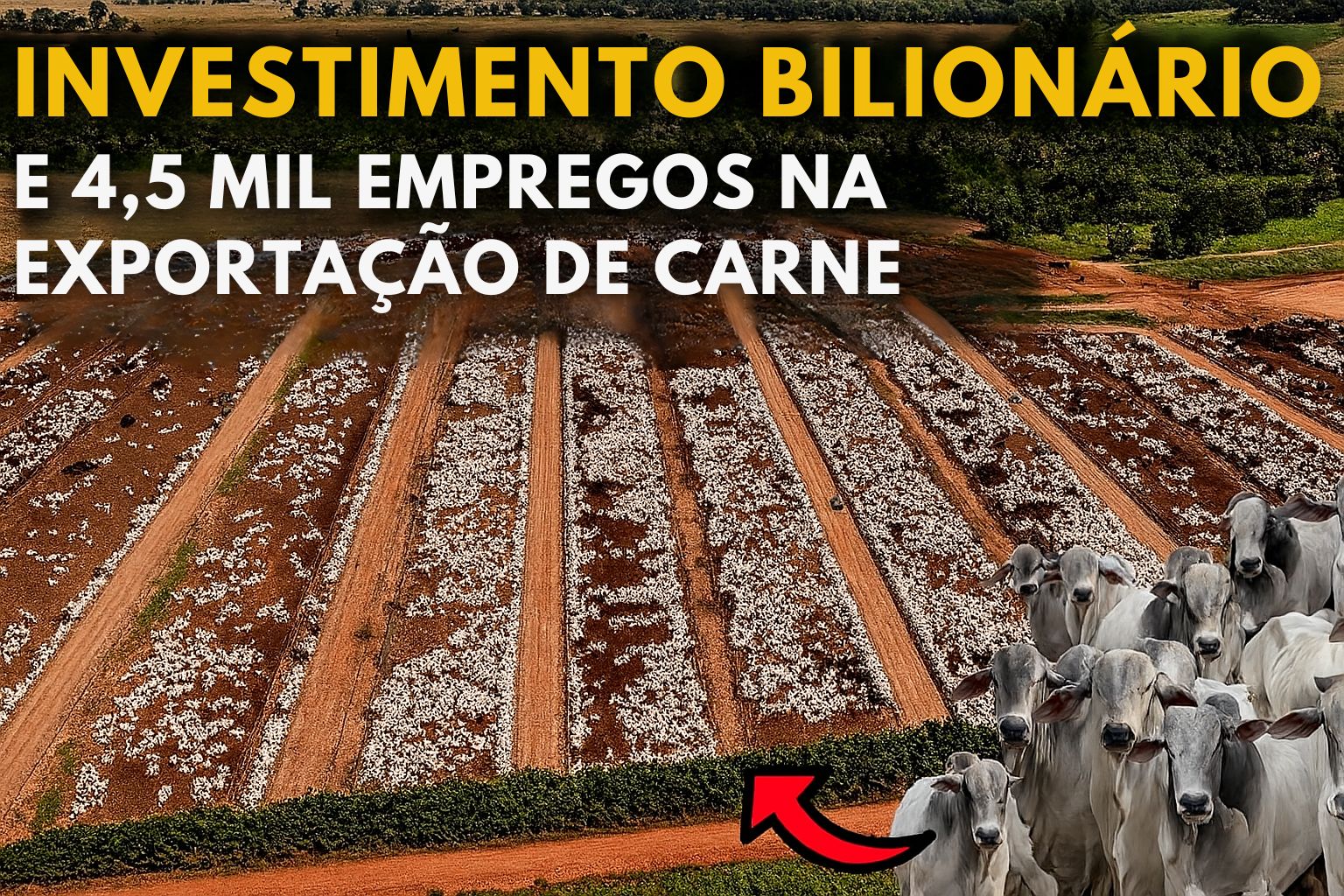
With R$ 1.2 Billion in Investments, Captar Agrobusiness Prepares the Largest Slaughterhouse in the Northeast, Integrated with a Feeding Facility with Capacity for 130 Thousand Cattle. The Project Is Expected to Generate 4,600 Jobs and Aims at Exporting Premium Meat.
15 kilometers from the city of Luís Eduardo Magalhães (BA), in the heart of Matopiba, a silent revolution is underway. Captar Agrobusiness, a holding company led by engineer and cattle rancher Almir Moraes Filho, is behind the largest cattle feeding facility in the Northeast, with a current static capacity of 65,000 head and plans to double this number by 2030.
More than just a beef fattening center, the 220-hectare area is the basis for a mega agro-industrial complex that will receive R$ 1.2 billion in investments over the next five years and is set to turn Bahia into a powerhouse in beef exports.
In-House Slaughterhouse Focused on Export
The project includes the construction of an integrated slaughterhouse adjacent to the feeding facility, following the model already implemented by the Mexican group SuKarne. The proposal is clear: reduce transportation losses, animal stress, and logistical costs, allowing cattle to walk to the slaughter plant, which will be built next to the feeding area.
-
Historic bankruptcy of Centauro shocks the market, and the century-old company puts more than 500,000 products, machines, and complete infrastructure up for online auction.

-
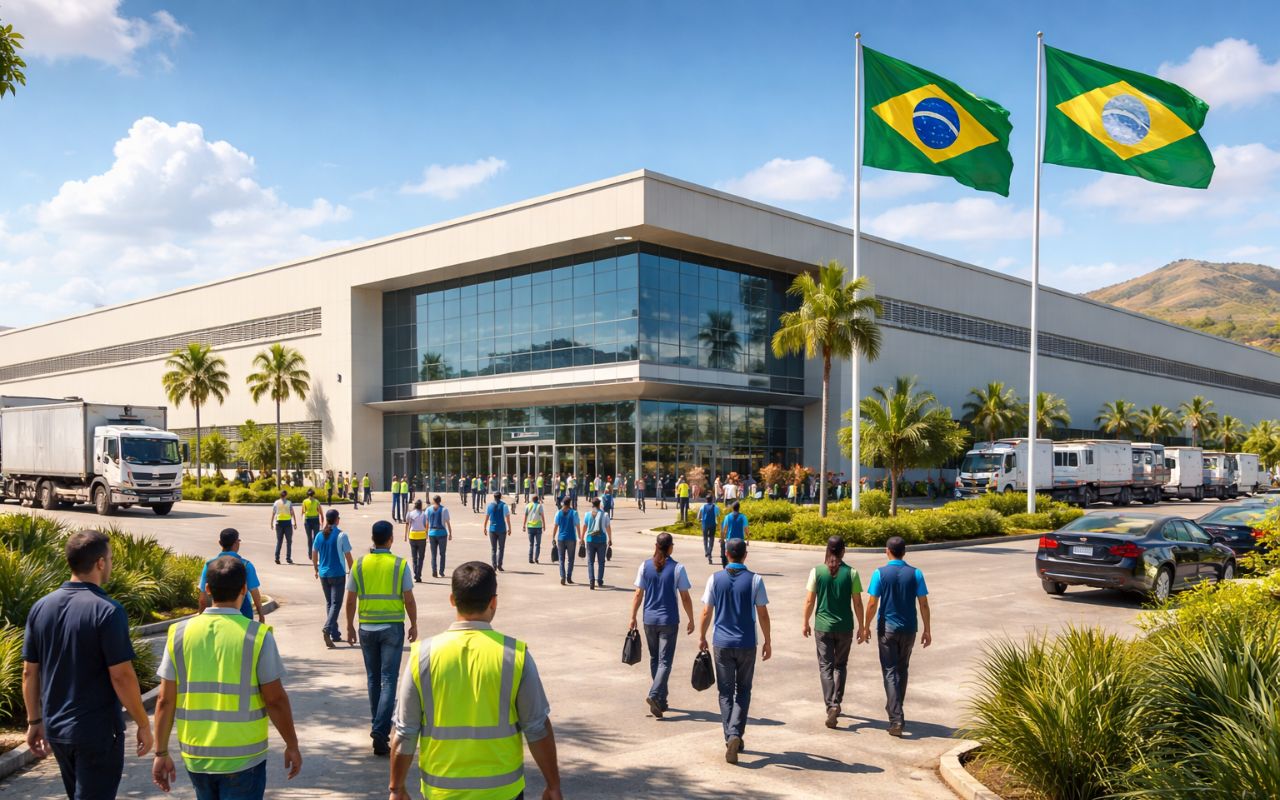
New shoe factory in Ceará is expected to create 400 jobs and strengthen the local economy.
-
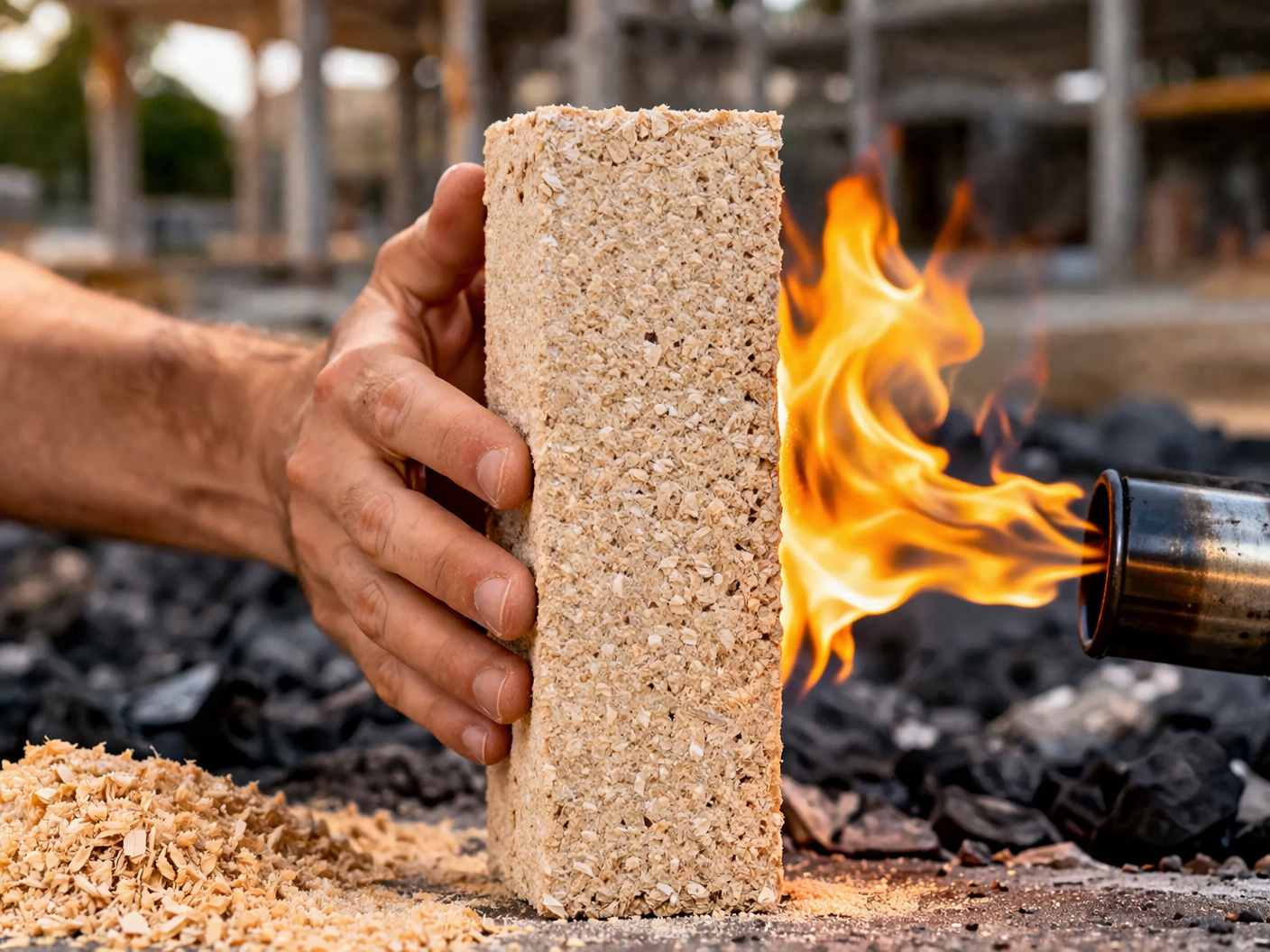
No one imagined it, but a mixture of sawdust with a mineral that fights fires surprises scientists with a result that changes the course of fire-resistant construction.
-
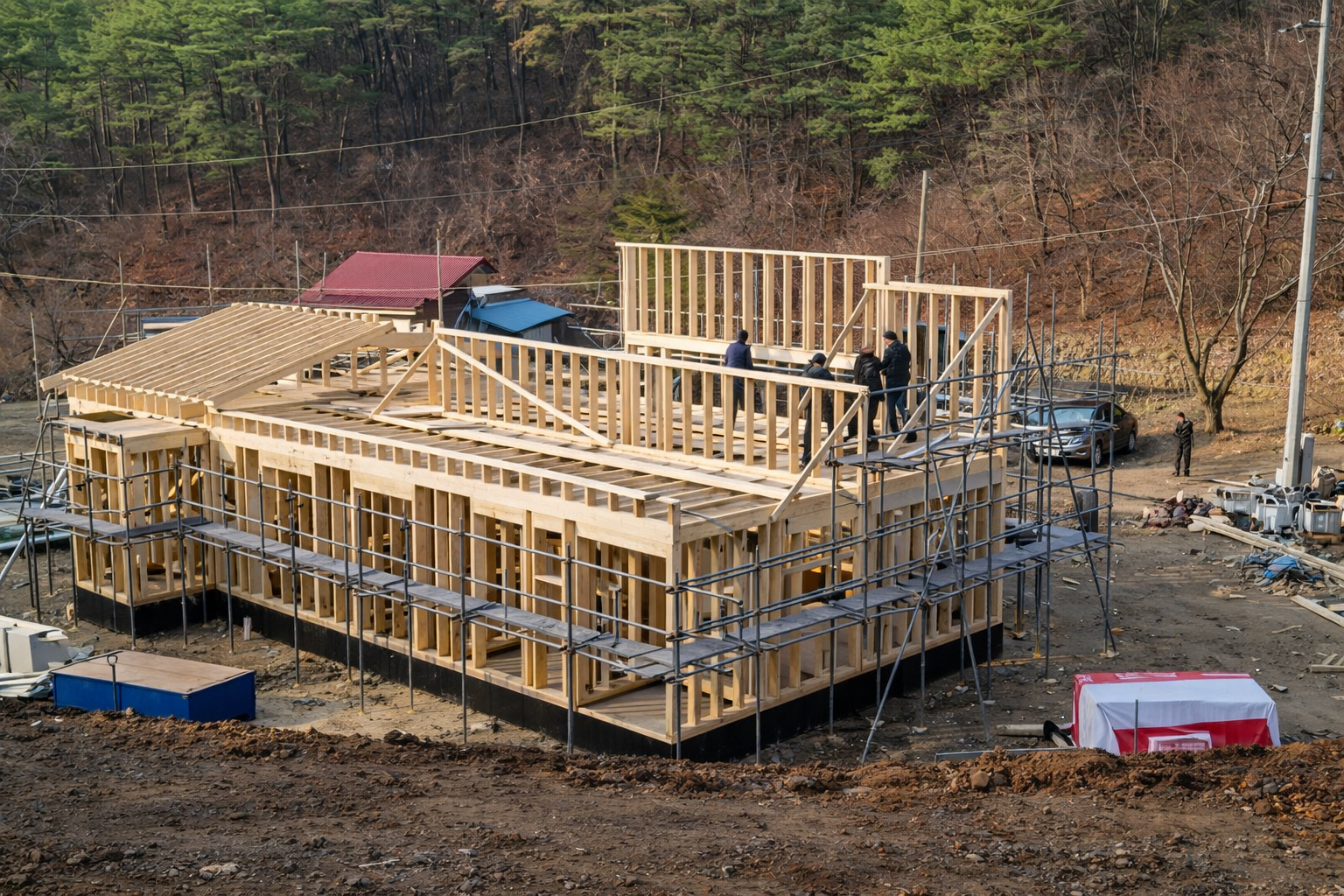
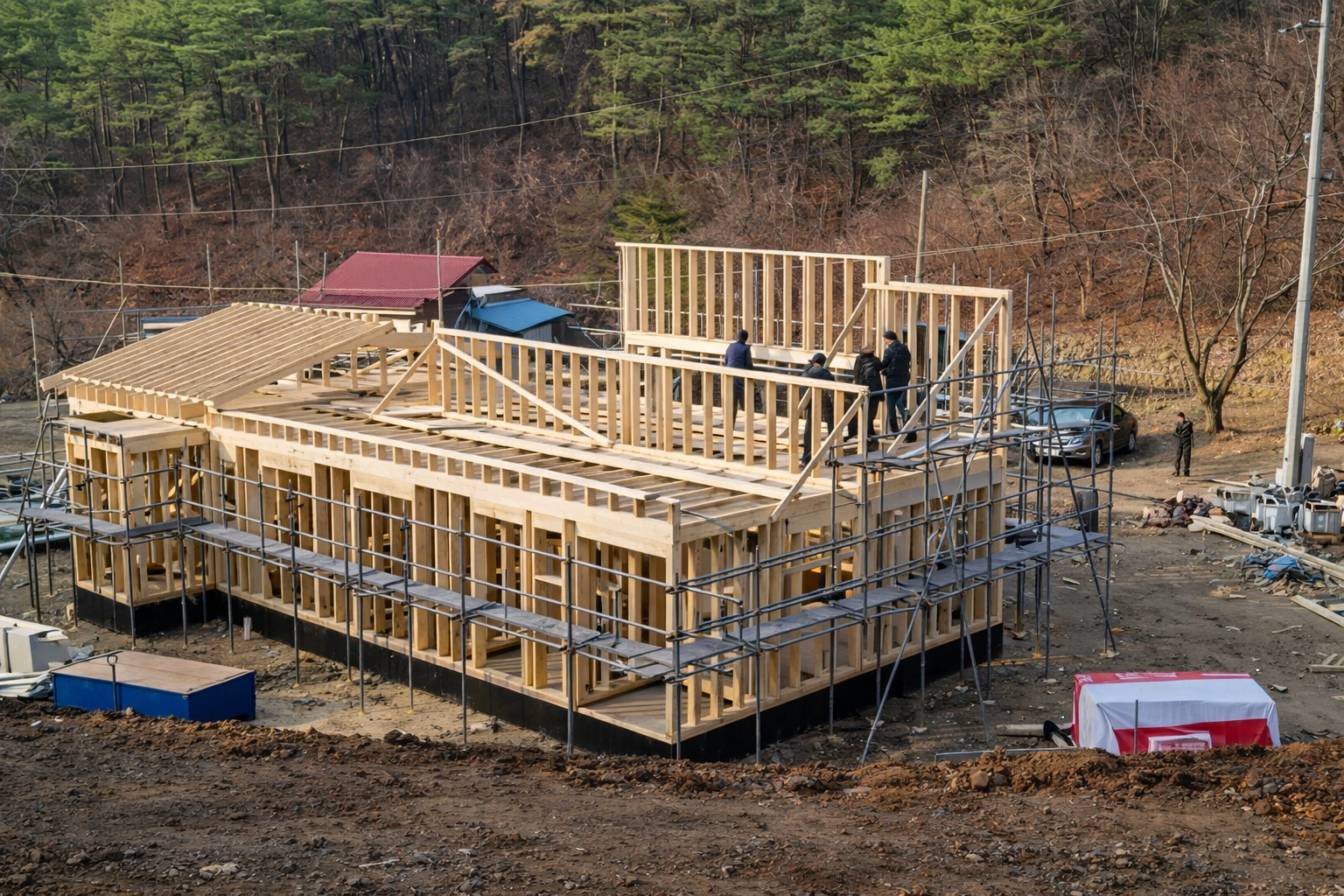
From empty land to a high-end house, wooden construction uses a lightweight system, metal structure for the foundation, ventilated ceramic cladding, and special windows to create an efficient and comfortable living space throughout the year.

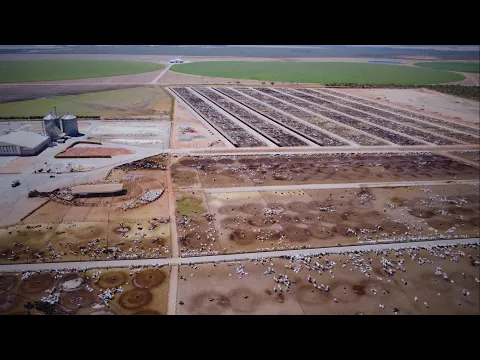

Today, 95% of the cattle finished by Captar must travel over 1,100 kilometers to the JBS unit in Ituiutaba (MG), the closest licensed for export. With the new slaughterhouse, estimated to cost R$ 500 million, the production of “China beef” — of high standard — will have a direct destination in the international market.
From 150 Thousand to 400 Thousand Cattle Per Year
In 2024, Captar estimates to deliver about 150 thousand cattle for slaughter, with a revenue of approximately R$ 750 million. When the industrial plant is operational, the company expects to slaughter 1,500 animals per day, which represents over 400 thousand head per year. A growth of nearly 170% compared to current production. In addition to the slaughterhouse, the business plan includes:
- R$ 200 million to expand the feeding facility (currently with 394 automated pens)
- R$ 150 million to increase the feed factory, which will double its capacity to 1,500 tons per day
- R$ 100 million in logistics, renewing the fleet of 60 trucks
- R$ 165 million in Captar Energy, including solar panels, biodigesters, and fertilizer production from animal waste
A Chain That Starts with Feed and Ends with Export
According to José Roberto Bischofe Filho, executive director of Captar, the project is inspired by integrated vertical systems and aims to create an “agricultural cluster” with complete control of the production chain.
The feed factory already produces 750 tons daily, and the expansion is in the final phase. A new silo with capacity for 2.5 million bags (150 thousand tons) of grains will also be ready by the end of the year.
The integration with agricultural production is complete: grains produced in Western Bahia feed the cattle, which fertilize the soil with the waste from the biodigesters. An efficient, circular, and sustainable system.
Captar is also investing in energy. The company will have its own solar farm and a biodigester system to generate biogas from cattle manure. The residues from biodigestion will also be used in the production of organic fertilizers, completing the sustainability cycle of the operation.
Job Creation and Regional Impact
Captar estimates that the mega project will generate 4,600 direct and indirect jobs. Negotiations with the Bahia government for incentives are already underway, and the project will be officially presented at the Captar Conecta event on July 19.
Bahia, which has the third largest cattle herd in Brazil, with over 13 million head, has great potential for increasing livestock productivity. However, 95% of properties have fewer than 100 animals and low technological levels.
Captar wants to change this scenario with a modern, technological, and high productivity model.
Strategic Partners and Integration Model
In addition to the feeding facility, Captar operates in six rearing farms (four in Bahia and two in Tocantins), totaling 5,000 hectares. As it does not operate in the breeding stage, the company acquires young cattle from seven states: Bahia, Tocantins, Maranhão, Piauí, Pará, Goiás, and Minas Gerais.
Currently, 350 producers supply animals to Captar, but the company is developing integration programs focused on nutrition, technical assistance (in partnership with Cargill), and improving genetic quality.
The goal is clear: to reach 20 arrobas before 24 months of age, something that, in the traditional pasture system, would take up to five years.
Traceability and Environmental Responsibility
All cattle entering Captar’s system undergo socio-environmental checks, even without legal requirement in Bahia. The company maintains traceability from the feeding facility and, with some partners, already from the animal’s birth.
The goal is to meet the most demanding export markets, especially in Asia and Europe, where transparency in the production chain is mandatory.
ILP and New Horizons
Another differentiating factor of the project is the encouragement of integrated crop-livestock systems (ILP). In areas of Western Bahia where soy alternates with pastures and cattle, productivity has risen from 55 to 75 bags per hectare. This practice also aids in soil recovery and increases grain supply.
With the arrival of corn ethanol industries, such as the Inpasa plant, expected in 2026 in Luís Eduardo Magalhães, there will be even more availability of DDG, a byproduct rich in protein for animal feed.
So far, Almir Moraes has single-handedly financed Captar’s advancement, but the new expansion cycle requires strategic partnerships. The company is already in talks with national and international investors, and the participation model will still be defined based on the profile of interested parties.
According to Bischofe, the goal is to bring in partners for the Captar Agrobusiness holding, ensuring resources for the slaughterhouse, feeding facility, nutrition, energy, and logistics — the pillars of the mega complex.






Seja o primeiro a reagir!