





 Portuguese
  English
  Spanish
 4 min of reading
  0 comments


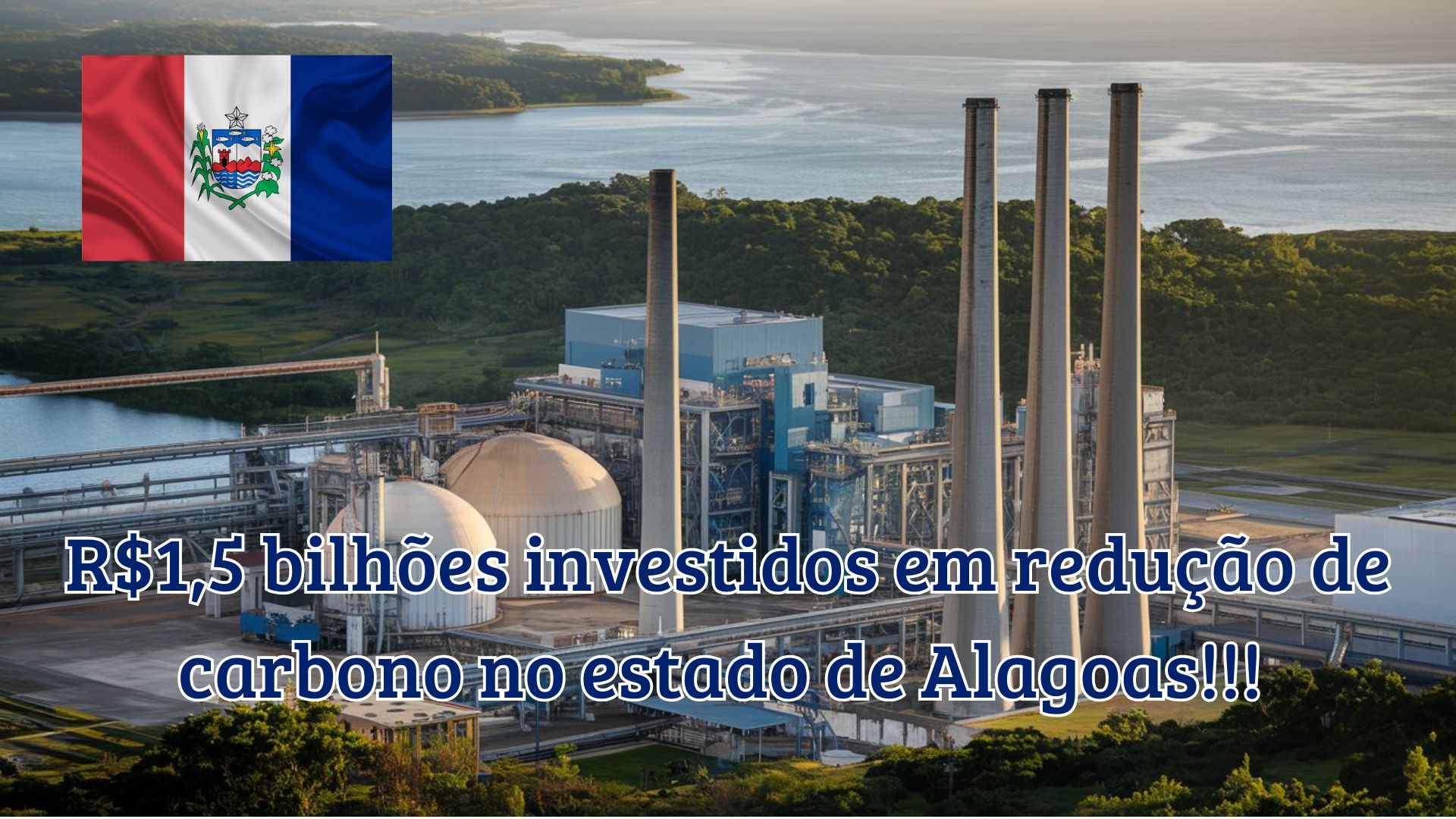
Learn How the State of Alagoas Is Leading the Energy Transition with the Construction of an Innovative Complex That Promises to Revolutionize the Renewable Fuels Market.
Alagoas has just entered the global sustainability map with the launch of the Exygen I biorefinery on January 27, 2025. The investment of R$ 1.5 billion, announced at an official ceremony, promises to revolutionize the production of renewable fuels. Additionally, the project directly contributes to decarbonization and the future of clean energy in Brazil. With an annual capacity of 160 million liters of ethanol, the full operation of the complex is expected to start in 2026. The project will also include the production of 50 million m³ of biomethane. Everything will be made from sugarcane waste. Even more importantly, this initiative reinforces Brazil’s commitment to the use of renewable energy sources.
What Makes Exygen I So Special?
Firstly, the difference of Exygen I lies in its sustainable production. Furthermore, it stands out for the following factors:
- Sustainable Production: The biorefinery uses vinasse, a byproduct of sugarcane fermentation, as its main source for biomethane. Consequently, this solution significantly reduces environmental impacts.
- Strategic Partnerships: The project results from a collaboration established in 2023 between GranBio, Caeté Mill, Santo Antônio Mill, and Impacto Bioenergia. Thus, it brings together expertise from various sectors to maximize results. Additionally, it strengthens Brazil’s role in the green economy.
- Advanced Infrastructure: With the capacity to produce 600 m³ daily of ethanol, the complex will also optimize the distribution of biogas and by-products through an efficient storage network. Therefore, logistics will be facilitated and made more sustainable.
Environmental Impacts and Benefits for the Region
As a result of the establishment of this complex, the region of São Miguel dos Campos will gain more than just an industrial hub. Moreover, thanks to the production of low-carbon impact fuels, the project promises:
-
Brazil accelerates hydrogen and biofuel projects to consolidate the fuel of the future and reduce dependence on oil by 2026.
-
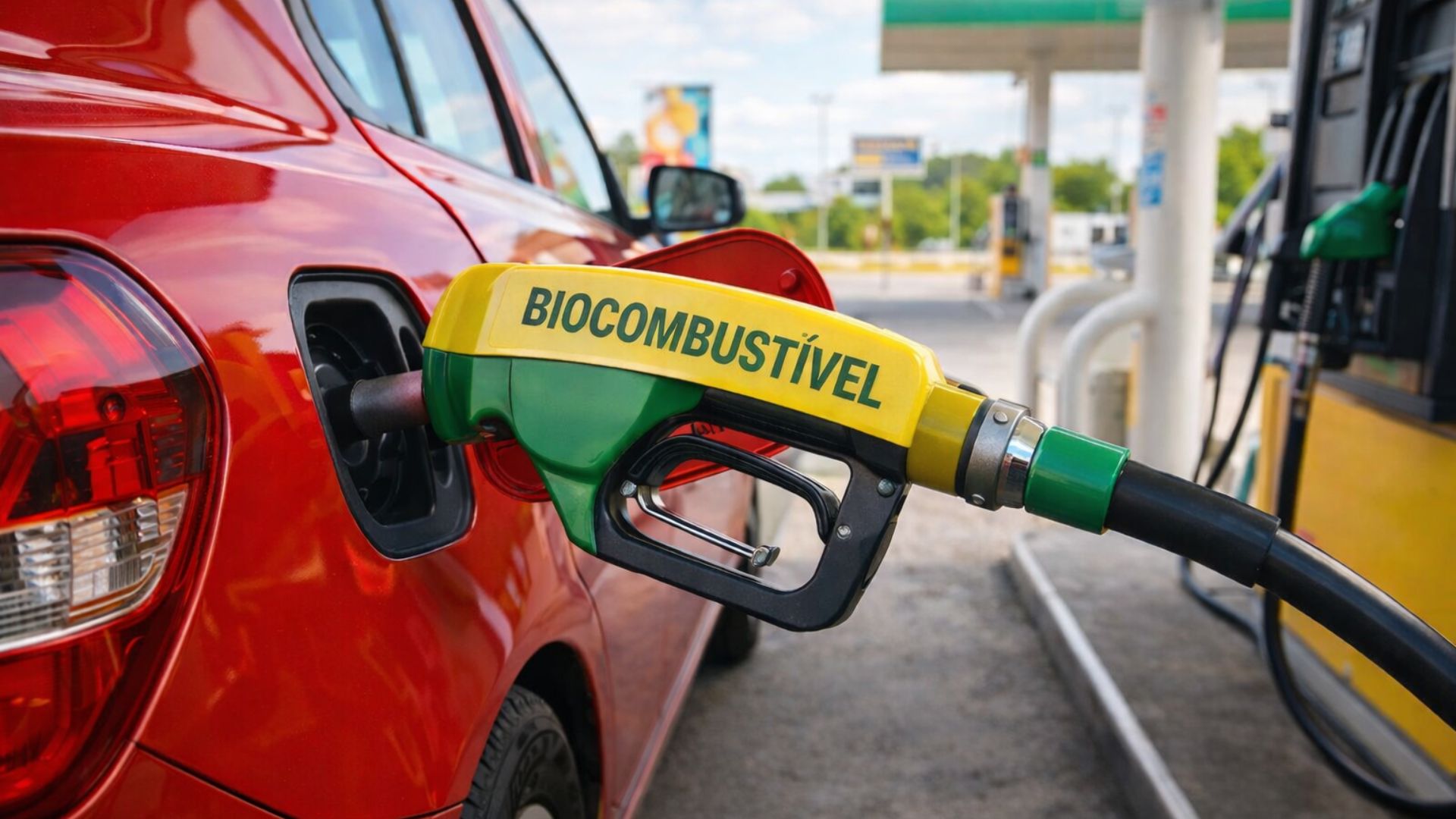
CNPE strengthens policy and prevents imported biodiesel from being mixed with diesel, aiming to strengthen the Brazilian industry and protect jobs by reducing external dependence amid tensions in the global market.
-
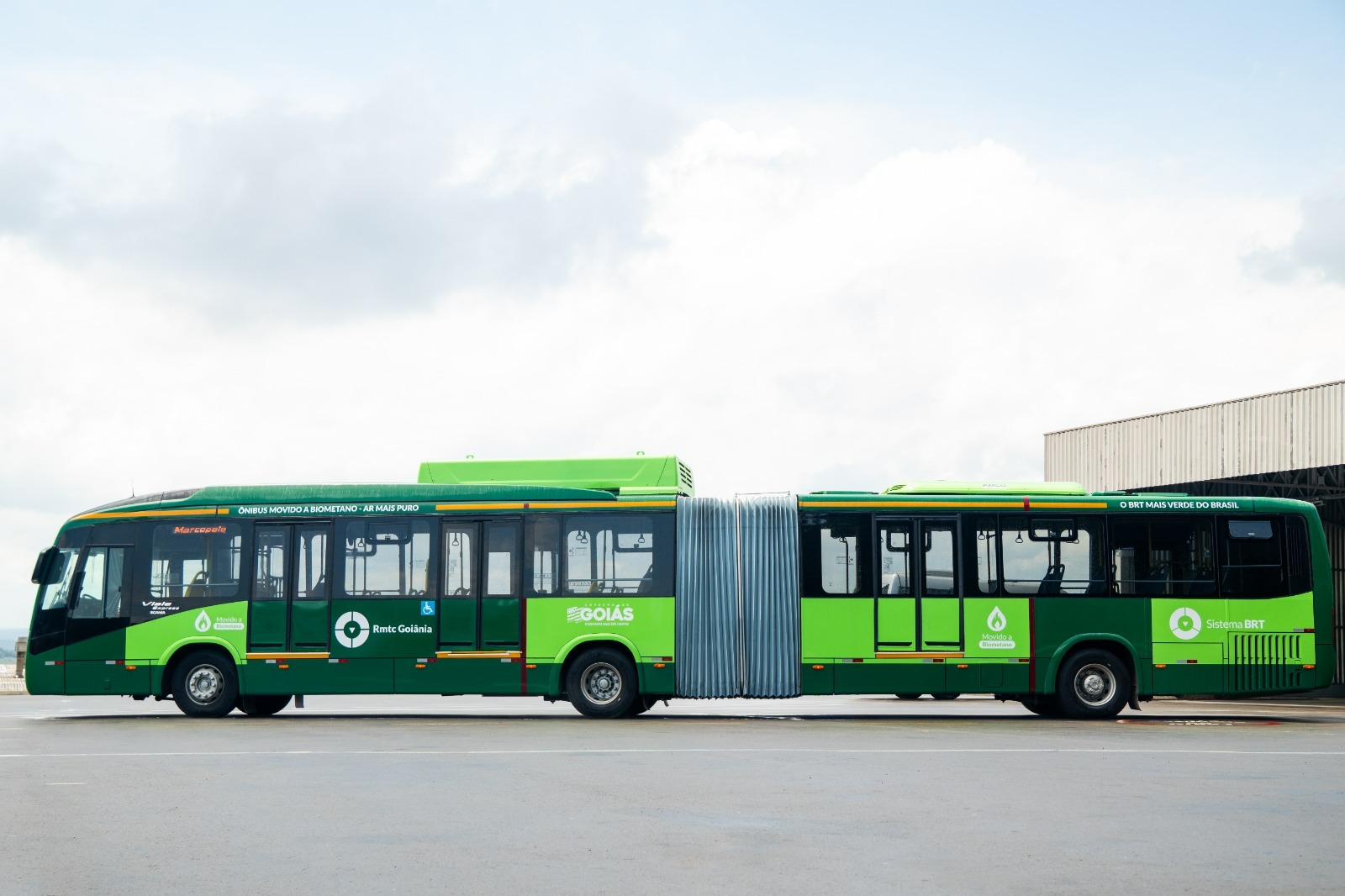
Revolution in public transport: Goiânia puts into circulation the first articulated buses powered by biomethane in Brazil and promises to drastically reduce pollution on the Anhanguera Corridor.
-
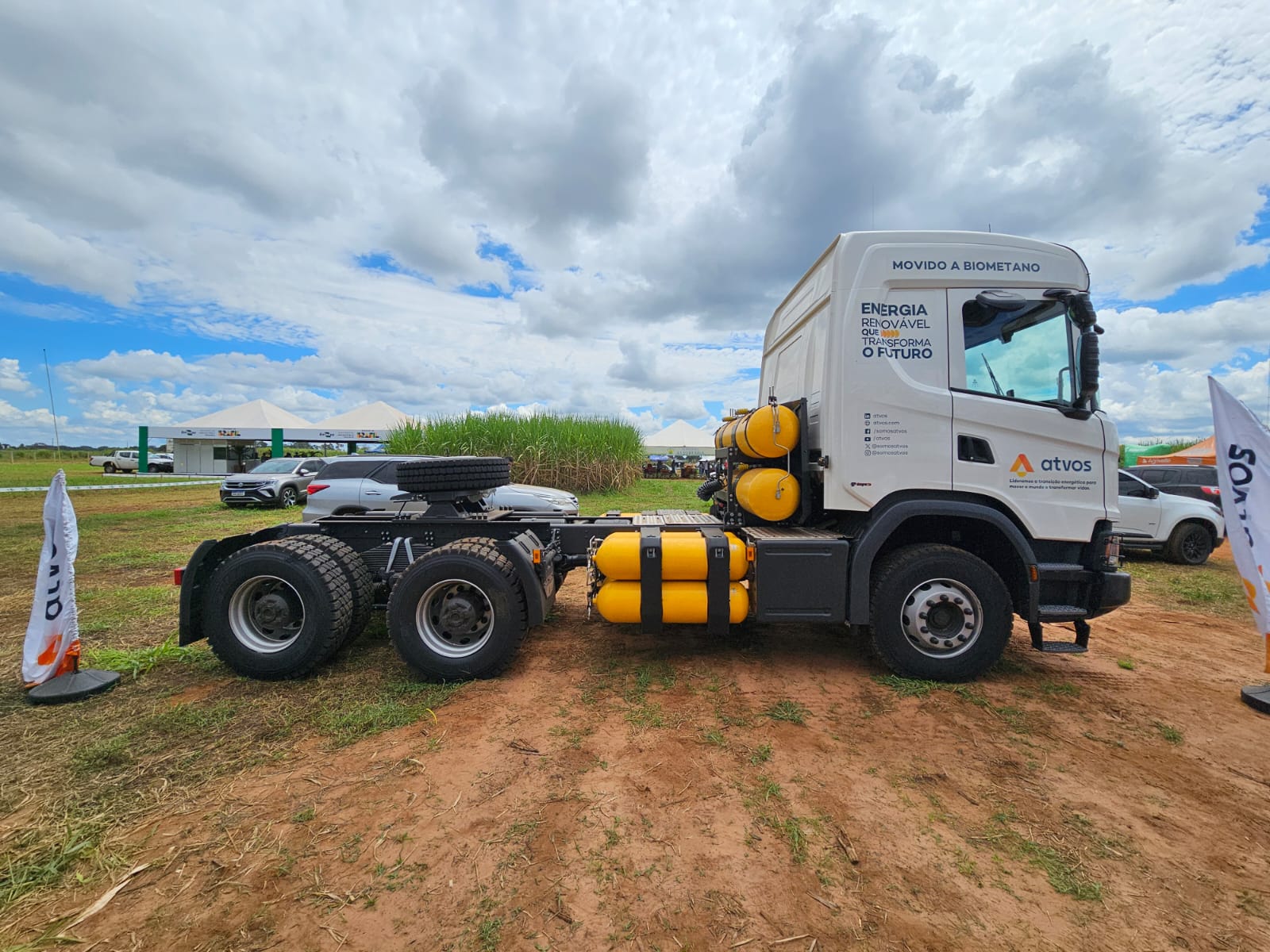
From the field to the pipelines: Mato Grosso do Sul accelerates the energy transition and consolidates a new axis in renewable energy with the arrival of a giant biogas plant.

- Reduce Greenhouse Gas Emissions: Fuels such as biomethane are essential for mitigating the effects of global warming. Additionally, they aid in meeting Brazil’s environmental targets set in the 2015 Paris Agreement.
- Increase Local Job Generation: With thousands of direct and indirect job vacancies expected, the enterprise will strengthen the regional economy starting in 2025. Additionally, it will energize the local market and attract new investments to the region.
- Promote Waste Recycling: The transformation of byproducts into energy is an example of circular economy. Therefore, it significantly reduces waste, promoting more efficient and sustainable practices.
Ambitious Goals for the Future
However, Exygen I will not stop there. On the contrary, the project’s expansion includes goals such as:
- Production of Biogenic CO2: This byproduct will be captured and reused, contributing to sustainability. As a consequence, it opens new possibilities for use in industry and promotes greater efficiency. Implementation is scheduled for 2027.
- Advanced Biofertilizers: New inputs will be introduced to the market to promote clean agriculture starting in 2026. Thus, it promotes greater efficiency in the agricultural sector and contributes to more sustainable and economical practices.
- E-Methanol: With an expected production of 110 million liters annually, e-methanol will mark a milestone in the transition to more sustainable fuels. Therefore, its implementation is planned for 2028, generating new innovative business models.
A Statement of Alert and Hope
During the groundbreaking ceremony for the project in January 2025, Geraldo Alckmin, Vice President and Minister of Development, Industry, Commerce, and Services (MDIC), emphasized the urgency of decarbonization. He stated: “The excess carbon warms the planet, causing droughts, floods, and climate disasters. We need immediate action to save lives and ensure a more sustainable future.” Moreover, he reinforced that initiatives like this are crucial for Brazil to achieve its environmental targets. Therefore, he emphasized the need for us to advance with speed and responsibility. Additionally, he highlighted how the project serves as an example of innovation.
How Can Alagoas Lead the Energy Transition?
Thanks to massive investment and the use of cutting-edge technologies, the Alagoas energy complex has the potential to become a model for other regions. Additionally, by integrating sustainability and innovation, Alagoas stands out as an example of progress aligned with the Sustainable Development Goals (SDGs) defined by the UN in 2015. This project also puts Brazil in the global spotlight for the production of renewable fuels, strengthening the sustainability agenda. Consequently, it inspires other regions to follow the same path. Furthermore, it demonstrates how Brazil can lead the energy transition in Latin America.
The Future Is Now
Therefore, the Exygen I project is not just another investment; it symbolizes a necessary and urgent transition to clean energy sources. In addition to reducing emissions and generating jobs, the initiative inspires new ways of conducting industry with environmental responsibility. Finally, if the future of the planet depends on sustainable choices, Alagoas is showing that these choices can already be made today. Furthermore, it reaffirms Brazil’s role as a protagonist in the fight against climate change, offering a model of sustainable economic development to the world. Sources such as the Ministry of Development, Industry, Commerce, and Services (MDIC) and GranBio confirm the information released.









Seja o primeiro a reagir!