





 Portuguese
  English
  Spanish
  3 min of reading
  0 comments


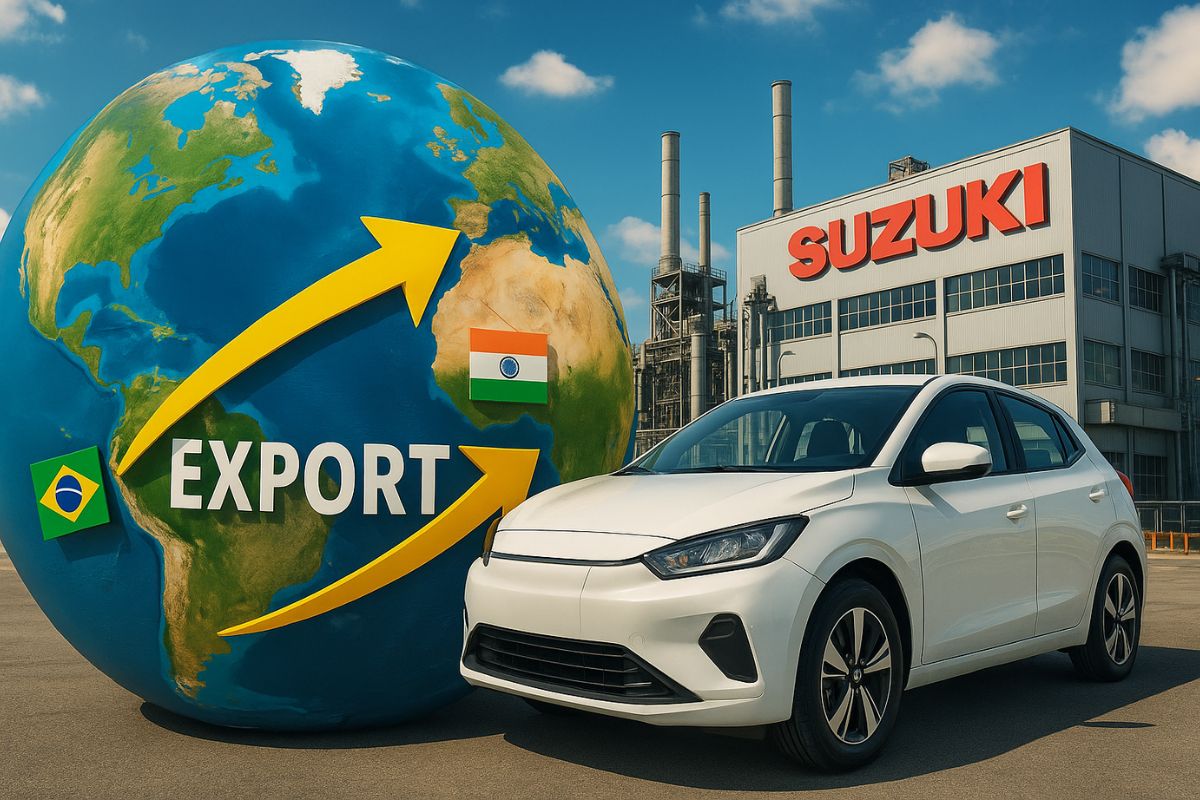
Suzuki Will Invest US$ 8 Billion in the Country Over Six Years, Transforming India Into a Global Hub for Electric Vehicle Exports.
The confirmation that Suzuki will invest US$ 8 billion in the country places India at the center of the Japanese automaker’s global strategy. The announcement was made by CEO Toshihiro Suzuki during an event in Gujarat, where the new generation of electric SUVs eVitara will be produced.
The plan envisions that the factory will reach a capacity of 1 million vehicles per year, with exports to more than 100 countries, including Japan and Europe. For analysts, this move shows how India has become not only the largest market for Suzuki in revenue but also a strategic hub for the electric transition.
Why Suzuki Chose India
The decision that Suzuki will invest US$ 8 billion in the country is not only a bet on local growth but also a response to declining demand in Europe and Japan. India offers more affordable labor, government incentives, and an expanding consumer base—factors that make the country fertile ground for long-term projects.
-
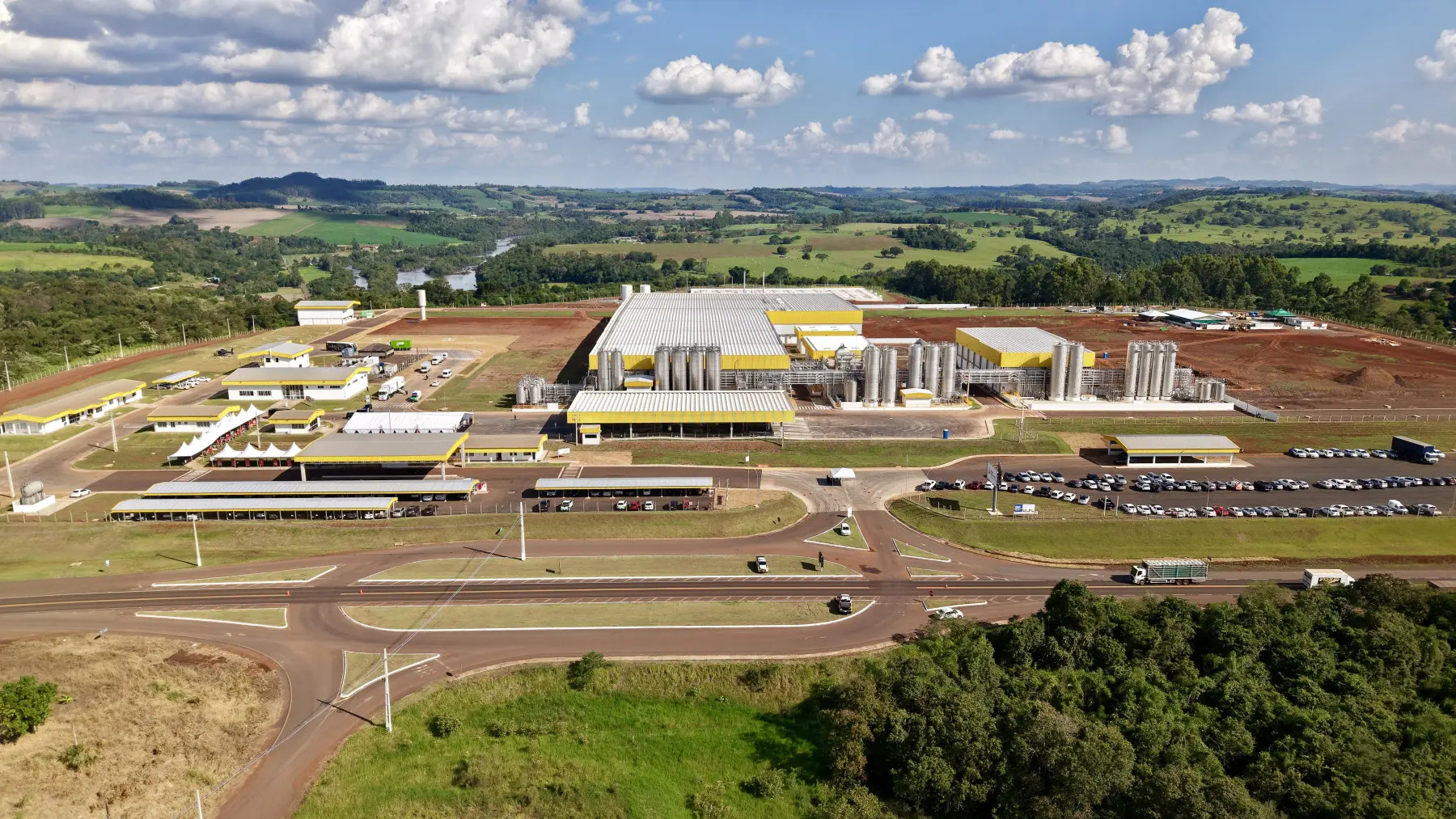
With an investment of R$ 612 million, a capacity to process 1.2 million liters of milk per day, Piracanjuba inaugurates a mega cheese factory that increases national production, reduces dependence on imports, and repositions Brazil on the global dairy map.
-
Brazilian city gains industrial hub for 85 companies that is equivalent to 55 football fields.

-
Peugeot and Citroën factory in Argentina cuts production by half and opens a layoff program for more than 2,000 employees after Brazil drastically reduced purchases of Argentine vehicles.

-
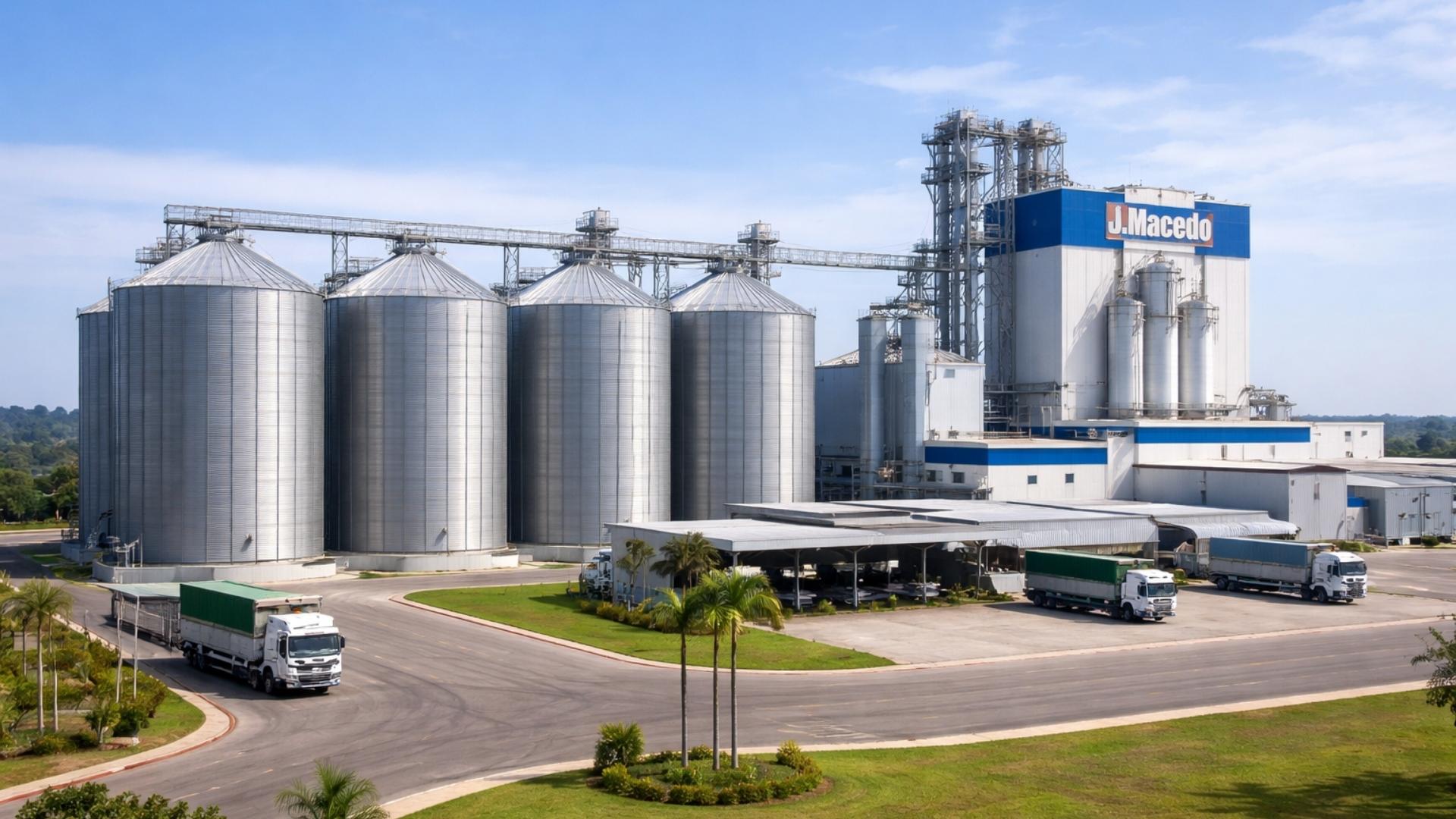
A Brazilian city gains a factory worth R$ 300 million with the capacity to process 200 thousand tons of wheat per year, a mill of 660 tons/day, silos for 42 thousand tons, and an industrial area of 276 thousand m².
According to Toshihiro Suzuki, the facility is expected to become “one of the largest automotive manufacturing hubs in the world.” Additionally, the brand’s partnership with Maruti Suzuki will allow production to double to 4 million units by the end of the decade, consolidating its leadership in the Indian market.
Focus on Electrification and Batteries
Another central point is the local production of lithium-ion batteries. In partnership with Toshiba and Denso, Suzuki aims to reduce external dependencies amid global trade tensions. This ensures greater control over the supply chain, which is essential for the advancement of electric and hybrid vehicles.
The investment will also be diversified into technologies to reduce emissions, including hybrid engines, electric ones, and even solutions using compressed biogas. The strategy shows that the brand is not betting on a single path but on multiple solutions to adapt to different markets.
Challenges of Mass Adoption
Despite the scale of the project, experts remind us that India faces challenges of average income and infrastructure. The president of Maruti Suzuki, R.C. Bhargava, stated that “mass adoption of electric vehicles requires mass accessibility.” In other words, the prices of the models will play a decisive role in the success of the strategy.
Even so, with the announcement that Suzuki will invest US$ 8 billion in the country, the Indian market is now viewed as a global export platform and a direct competitor in the race for automotive electrification.
The move by Suzuki confirms that India will be a key player in the future of electric vehicles. The billion-dollar investment could reposition the automaker in an increasingly competitive market and set global trends.
And you, do you believe that Suzuki will invest US$ 8 billion in the country will be able to transform India into a new global center for electric cars? Or could internal challenges hinder this ambition? Leave your opinion in the comments—your view helps broaden the debate.










-

-

3 pessoas reagiram a isso.