





 English
  Francês
  Alemão
  Italiano
  Japonês
  Norueguês
  Portuguese
  Spanish
  3 min of reading


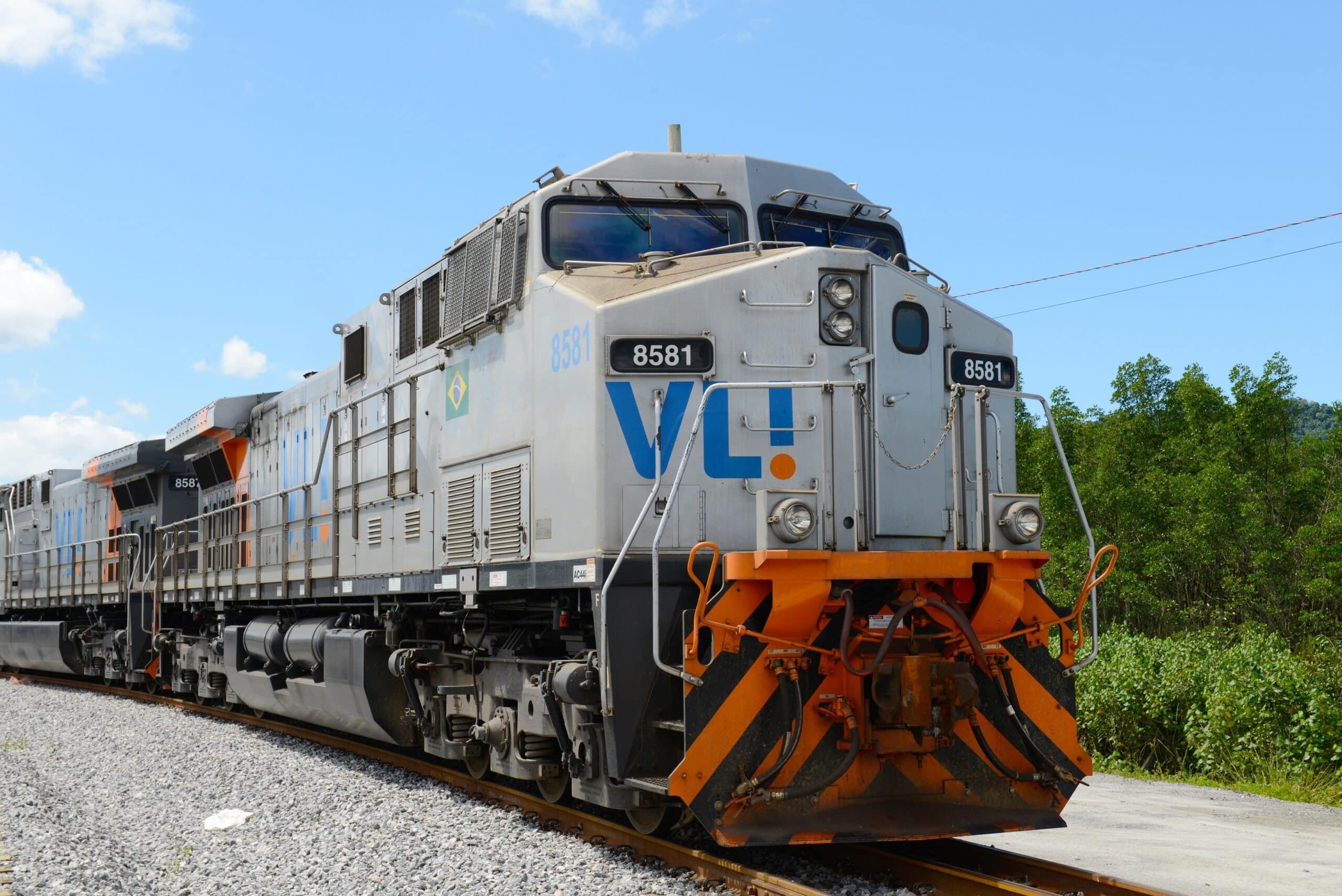
VLI Logistics Operations in the Center-North Corridor Will Feature Sustainability and Energy Efficiency Technology. The Trains Will Be Able to Use a Semiautonomous Operation System, Thus Reducing Fuel Consumption.
Investments in new solutions for minimizing environmental impacts linked to operational efficiency are increasing in the national industry. VLI Logistics is employing semiautonomous operation technology in 50 trains that operate in the Center-North Corridor region. This system reduces fuel consumption in locomotives, thereby ensuring greater energy efficiency and, consequently, sustainability in operations, as well as allowing for better train control.
VLI Logistics Invests in Sustainability and Energy Efficiency Technology for Its Center-North Corridor Train Fleet
The fleet of 50 locomotives from VLI Logistics currently operating in the Brazilian Center-North Corridor features semiautonomous operation technology that promises to bring a number of benefits to the trains.
The system allows the train driver to enable semiautonomous driving upon reaching speeds exceeding 8 km/h.
-
São Paulo surprises the world with a colossal railway network project that promises over 1,000 km of tracks, R$ 194 billion in investments, and 40 projects connecting the capital to the interior with fast and sustainable trains.

-
The world’s largest escalator, measuring 905 meters in China, reduces urban travel time from 1 hour to about 20 minutes and transforms mobility in mountainous regions with an engineering solution adapted to the terrain.

-
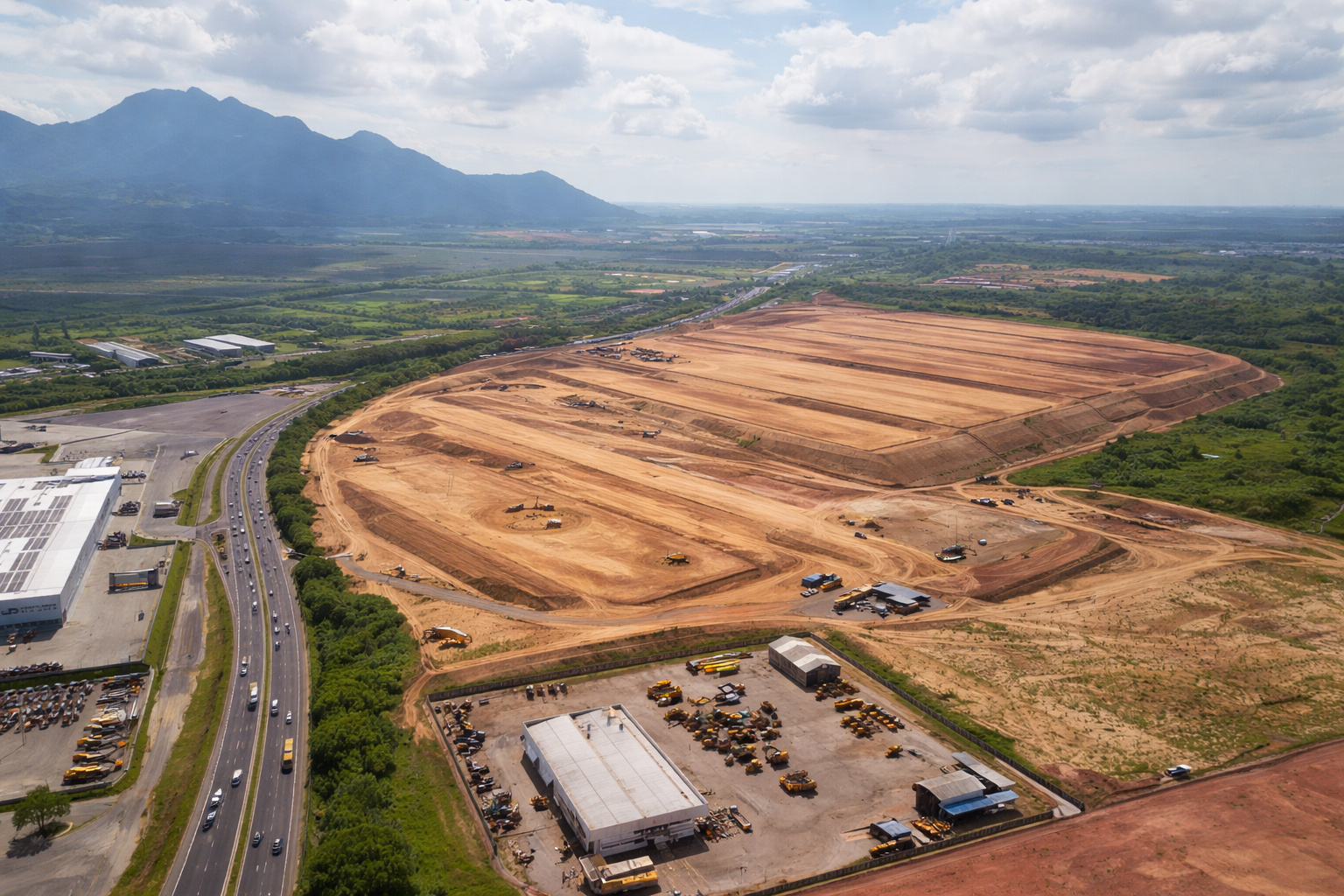
A R$ 300 million logistics giant is taking shape in Serra with over 100,000 m² and raises a question: how can this transform e-commerce and distribution in the state?
-
Could Uber Rides Lose Minimum Fare? Understand What’s Happening!


Its aim is to achieve the best performance in energy efficiency and, indirectly, it also helps in reducing CO2 emissions.
Known as the Driver Assistant, the sustainability and energy efficiency technology will also result in cost reductions in operations, as it decreases fuel consumption.
To operate on the national railways of the Center-North Corridor, VLI Logistics needed to make some alterations and adjustments to the technology, as stated by the Manager of Rolling Stock Engineering at VLI, Julio Bicalho.
“We conducted various field tests before releasing it for operation. And we continuously make improvements to the system, to further enhance it. Initially, it controlled 20% of the stretch, and today that percentage is between 70% and 80%,” said the executive.
Although the semiautonomous operation technology modernizes train control in operations, VLI Logistics emphasizes that the role of the driver remains essential in logistics.
This is because they continue to be the eyes of train supervision, responsible for overseeing and ensuring safety during vehicle movement.
Semiautonomous Operation Technology in Trains Developed in Partnership with Progress Rail
To develop the technology used in its train fleet in the Brazilian Center-North Corridor, VLI Logistics partnered with Progress Rail, a subsidiary owned by Caterpillar since 2006, which provides products and services for railway systems.
The Leader system, responsible for optimizing driver control in trains, as well as the majority of the company’s current fleet, are products of the partnership with Progress Rail, according to VLI Logistics.
The agreement between the companies also enabled both to become pioneers in AC technology locomotives of meter gauge in Brazil.
Among the main benefits of this system is the increased tractive effort that allows for a greater number of wagons in the train compared to a train formed by DC technology locomotives.
“Moreover, our line profile is very winding and has many gradients, requiring more effort from the locomotives. With the use of AC technology locomotives, we achieved a reduction in the impacts on the circulation and maintenance of the trains,” highlighted Julio Bicalho.
Now, with the semiautonomous operation system on the company’s trains, VLI Logistics’ operations in the Center-North Corridor will become even more committed to energy efficiency and sustainability.
The company’s goal is to further expand the use of this technology over the coming years.








Seja o primeiro a reagir!