





 English
  Francês
  Alemão
  Italiano
  Japonês
  Norueguês
  Portuguese
  Spanish
  3 min of reading


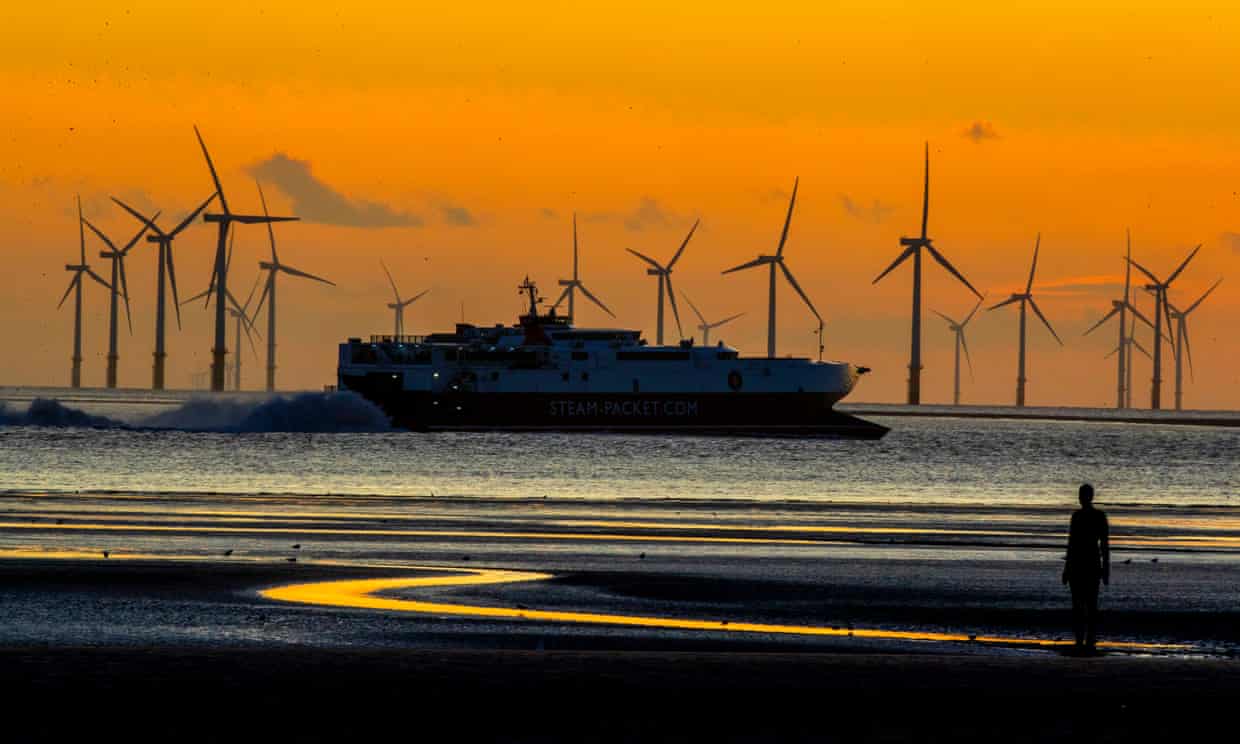
Investors Greenlight US$ 35 Billion in Wind Energy Projects Worldwide in First Half of 2020
Investment in global offshore wind energy more than quadrupled in the first half of the year, even as the coronavirus pandemic triggered an unprecedented economic shock.
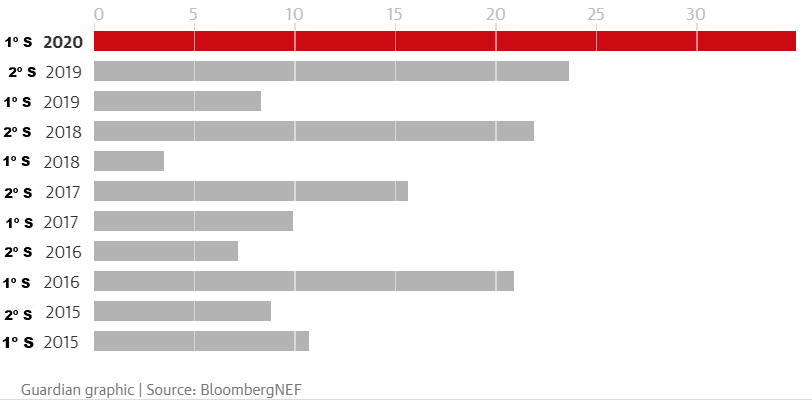
A report found that investors greenlighted 28 new offshore wind farms worth a total of US$ 35 billion this year, four times more than in the first half of 2019 and well above last year’s total.
The largest semiannual total for offshore wind investment more than offset the slowdown in investment in onshore wind and solar projects following the Covid-19 outbreak, according to the Bloomberg NEF (BNEF) report.
-
A study reveals the expansion of renewable energy procurement in Brazil and shows how companies are taking advantage of opportunities to reduce expenses, ensure energy efficiency, and strengthen strategic environmental commitments.

-
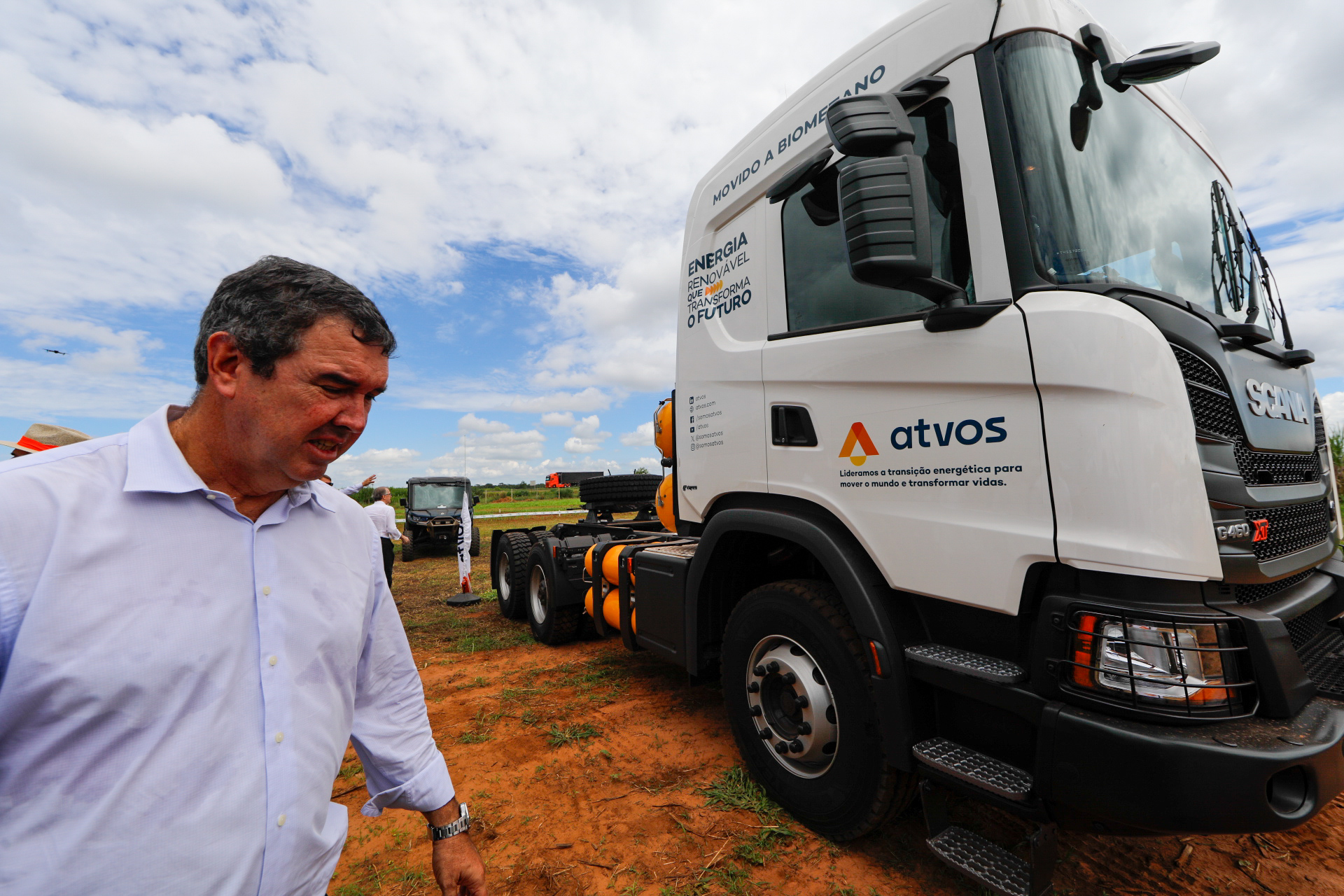
Mato Grosso do Sul excels in the sugar-energy sector: the state reaches a milestone of 22 operating mills and accelerates the production of clean energy in MS with a focus on sustainability.
-
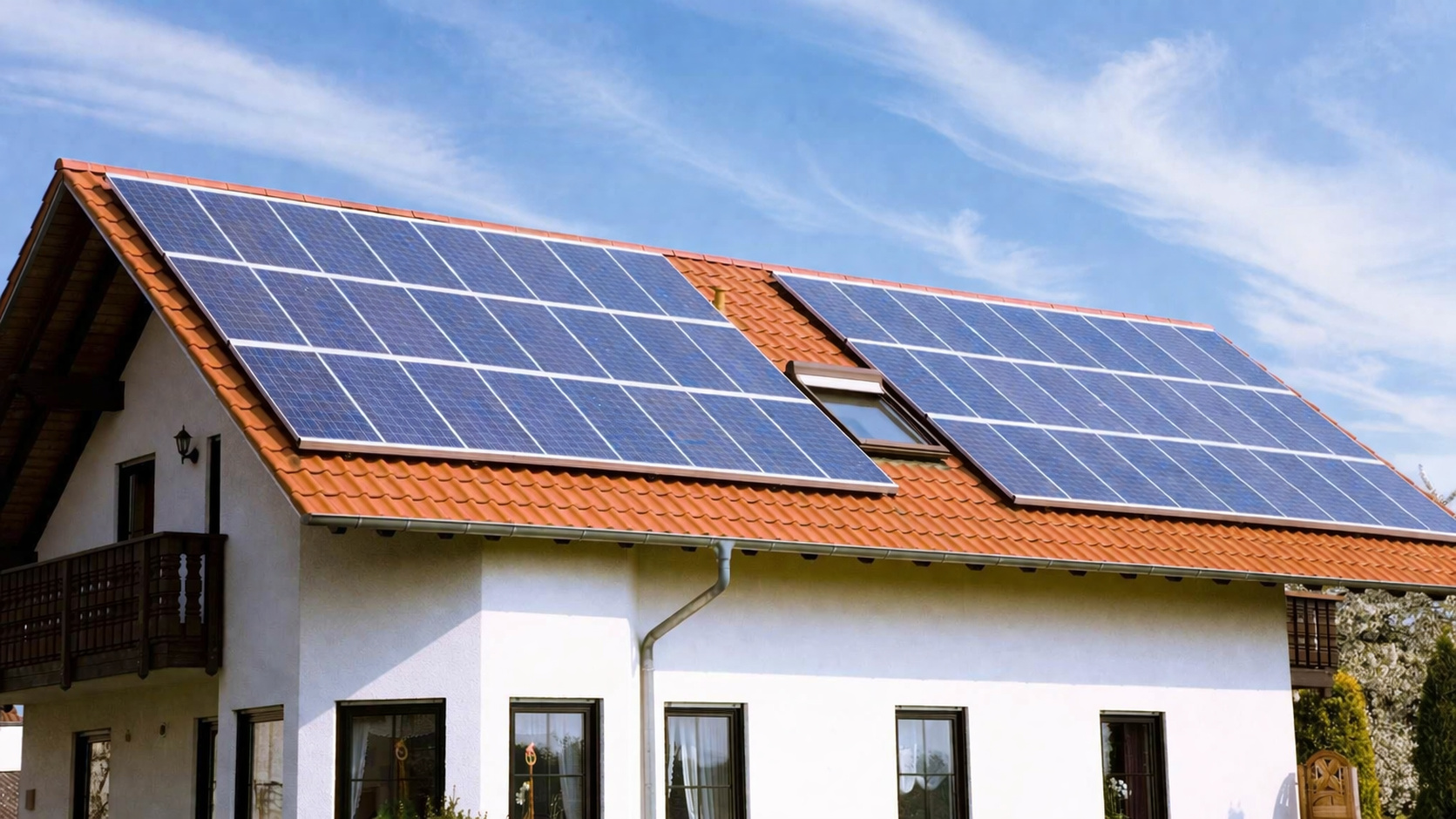
National energy dilemma: Brazilians support clean energy but reject increases in tariff costs to finance the sustainable transition.
-
Research indicates that Brazilians support clean energy and wish to advance in the energy transition, but reject paying more on their electricity bill, showing a direct conflict between cost and sustainability.


Albert Cheung, head of analysis at BNEF, said: “We expected Covid-19 to affect renewable energy investment in the first half, through delays in the financing process and in some auction programs. There are signs of this in both solar and onshore wind, but the global figure has proven remarkably resilient – thanks to offshore wind.”
Offshore wind farms include some of the largest investments ever made in offshore wind energy. The Hollandse Kust Zuid array off the coast of the Netherlands will cost Swedish energy giant Vattenfall US$ 3.9 billion, and SSE’s Seagreen project in the Firth of Forth, Scotland, is valued at US$ 3.8 billion.
The number of offshore wind projects that received the green light in China rose to 17 in the first half of the year, led by Guangdong Yudean Group’s US$ 1.8 billion plans to build the Yangjiang Yangxi Shapaat wind power project.
BNEF believes offshore wind projects are taking off despite the global economic downturn, partly due to a two-thirds drop in cost since 2012 and a rush in China to finance and build offshore wind projects before the government’s subsidy regime expires at the end of 2021.
Offshore wind growth generated a 5% jump in total renewable energy investment, to US$ 132.4 billion, despite the fall in onshore wind and solar projects. Onshore wind investment in the first half of the year fell by a fifth, to US$ 37.5 billion, while solar investment dropped 12% to US$ 54.7 billion.
China continued to be the world’s largest renewable energy market, with total investment of US$ 41.6 billion in the first half of the year, more than a 40% increase from the same period last year, thanks to its offshore wind boom.
In Europe, renewable energy investment reached US$ 36.5 billion, a 50% increase, while the UK renewable energy investment rose to US$ 5.7 billion, three and a half times higher than the total investment at the beginning of 2019.
Renewable energy investment fell 30% in the US to US$ 17.8 billion, while India and Brazil recorded investments that were about 50% and 25% lower, respectively, at US$ 2.7 billion and US$ 2.5 billion.










Seja o primeiro a reagir!