





 English
  Francês
  Alemão
  Italiano
  Japonês
  Norueguês
  Portuguese
  Spanish
  4 min of reading


Contracts for Oil Exploration in Ultra Deep Water in the Pre-Salt Will Generate USD 285 Billion for Brazil in 10 Years
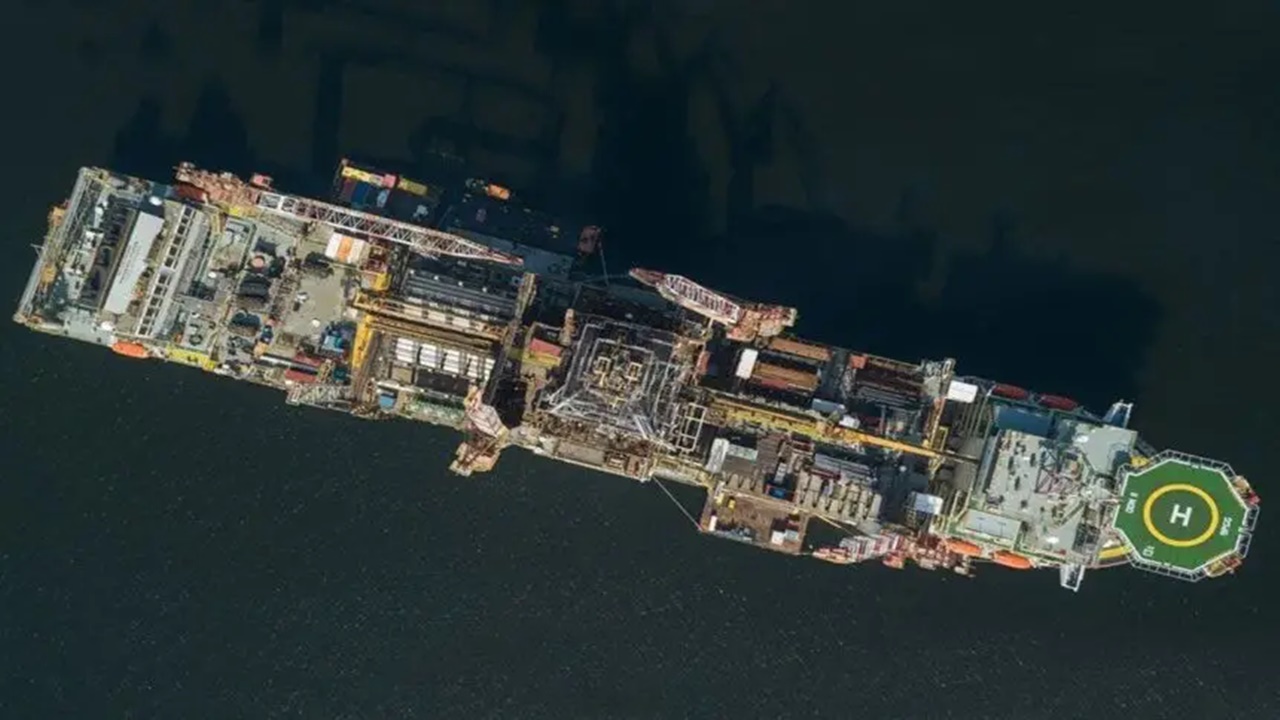
Brazil will need 27 FPSOs between 2022 and 2031 to develop its offshore hydrocarbon reserves under the production sharing regime, according to a study published yesterday, November 25, by the state-owned Pré-Sal Petróleo (PPSA).
Read Also
- LPG Distributor Ultragaz Opened Job Vacancies for Operator, Technician, Analyst and Others in SP, GO, PR, AL and More
- Another Record from the Brazilian Oil Giant: With 104 Operations in November, Petrobras’ LNG Regasification Terminals Set the Annual Transshipment Record
- Petrobras Needs to Increase the Gasoline Price by 6% to Eliminate the Gap Between Fuel Prices in the Country and Its International Quotation
- Siemens Secures Major Order for the Construction of the GNA II Thermoelectric Plant at the Port of Açu; The Largest LNG Complex in Latin America Has Investments of R$ 6 Billion and Will Supply Power to 14 Million Households
- PetroRio, Brazil’s Largest Independent Oil and Gas Company, Started Yesterday (11/22) The Enrollment for Job Vacancies in Rio de Janeiro; Unexperienced Candidates Are Called for Internship Opportunities
- Canada Is Calling for Brazilian Labor to Fill Job Vacancies in Technical Areas, Engineering, Mechanics, Technology, Health and More
About USD 33 billion will be needed to hire and deploy the platforms over a period of 10 years, while another USD 29 billion will need to be invested in underwater systems plus USD 37 billion in 416 offshore wells, according to the report.
Production Sharing Contracts Include Exploratory Blocks, Oil and Gas Fields in Ultra Deep Water of the Pre-Salt
The production sharing contracts include exploratory blocks and oil and gas fields located within the pre-salt polygon, an area of 150,000 km2 located off the southeastern coast of the country.
-
Brazilian giant expands borders in the Southeast: Petrobras confirms new oil discovery in ultra-deep waters in the pre-salt of the Campos Basin.

-
Alert in the global energy market: Severe tropical cyclone hits the coast and disrupts gas production at major plants in Australia, threatening global supply.

-
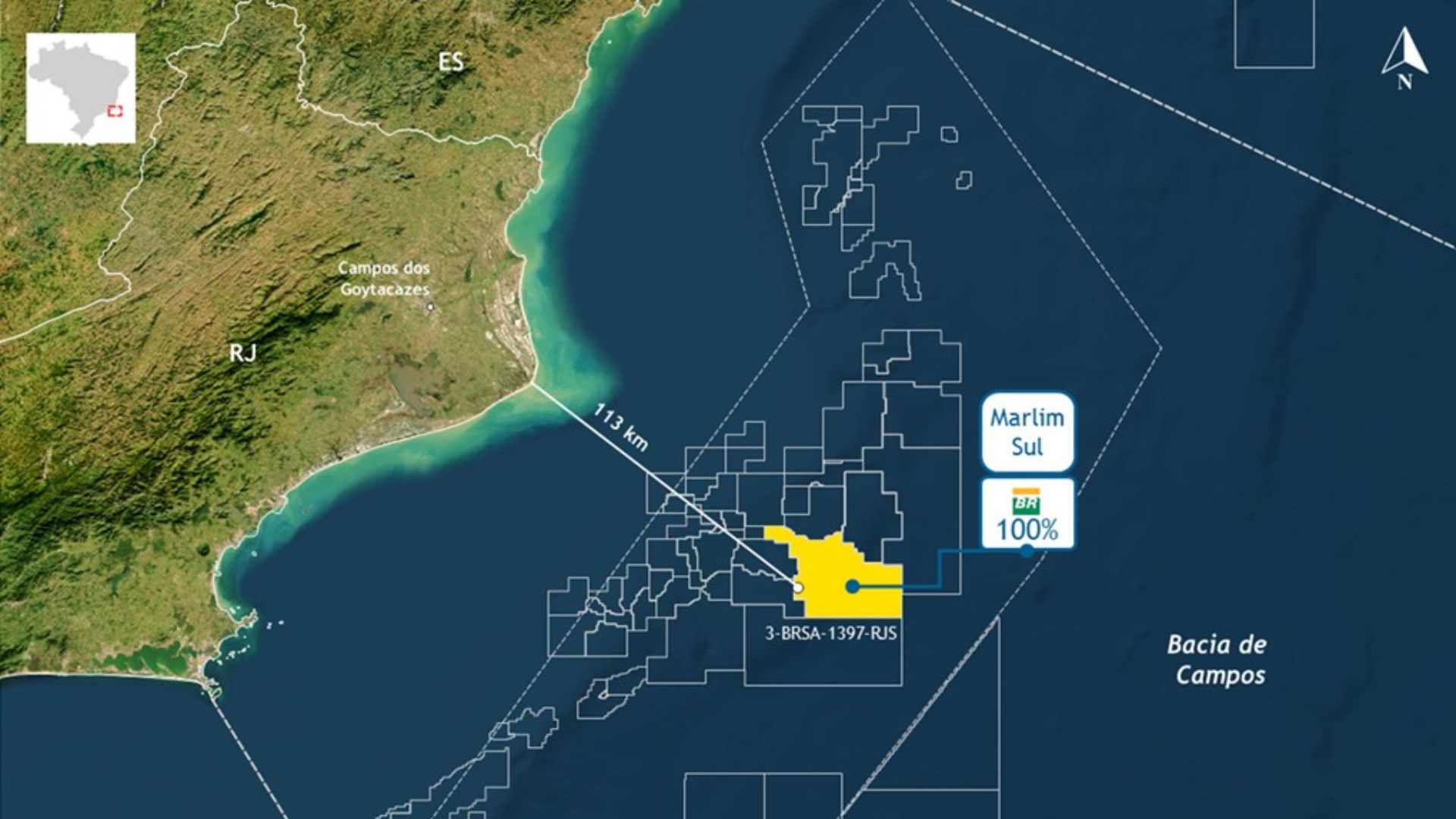
Petrobras finds high-quality oil in the pre-salt at 113 km from RJ and reignites expectations about strategic reserves in the Campos Basin.

-
Ocyan opens registrations for startups focused on innovation in the oil and gas sector and will select projects for Innovation Day with the support of Nexio.


Created in November 2013, PPSA is responsible for managing production sharing contracts, marketing oil and natural gas, and representing the country in unification agreements (necessary when a hydrocarbon field exceeds the limits of a production sharing contract and overlaps with a concession or transfer of rights contract).
There are currently 20 areas contracted under the production sharing regime: Búzios (excess volumes), Itapu, Libra, Mero, South of Gato do Mato, Northeast of Sapinhoá, Northwest of Sapinhoá, Southwest of Sapinhoá, North of Carcará, Bacalhau Norte, Peroba, Alto de Cabo Frio Oeste, Uirapuru, Dois Irmãos, Três Marias, Saturno, Titã, Pau-Brasil, Southwest of Tartaruga Verde and Aram.
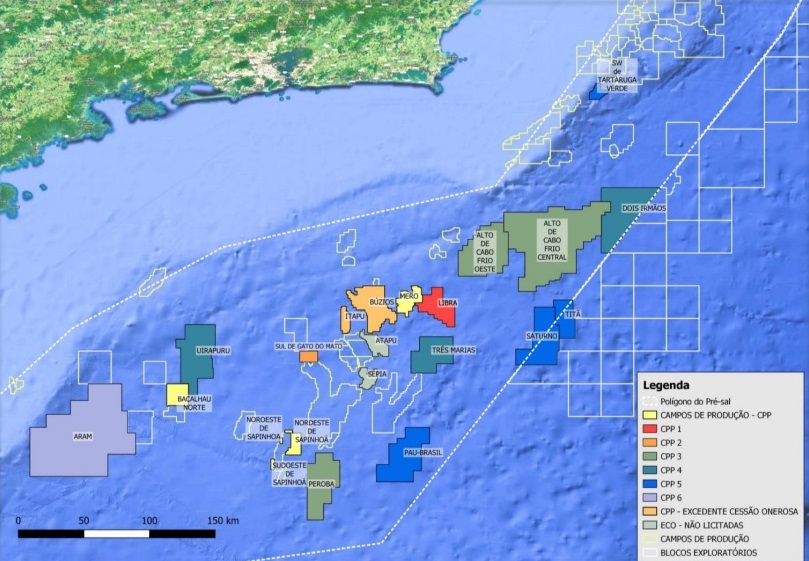
According to the latest data from the ANP regulator, active production sharing fields (Búzios, Northeast of Sapinhoá, Northwest of Sapinhoá, Southwest of Sapinhoá and Mero) produced 440,000 bep/d in October, equivalent to 17% of the total volume of Brazilian pre-salt, which reaches 2.64 million barrels of oil equivalent per day (Mbep/d).
PPSA estimates that production from production sharing contracts will reach 3.48 Mbep/d in 2031, with 70% of this volume corresponding to projects with a formalized commerciality declaration. These include, for example, the four final production systems from Petrobras’ Mero field (FPSO Guanabara, Sepetiba, Marechal Duque de Caxias, and Alexandre de Gusmão), which are expected to go into operation between 2022 and 2025.
In the next 10 years, the accumulated production from the contracts is estimated at 8.2 billion barrels (Mb) of oil. Of this total, the accumulated share of the Federal Government will be approximately 1,500 Mb, which would represent USD 116 billion in revenue, according to the report.
By 2031, the Daily Average Production of All Contracts Will Be Approximately 3.5 Million Barrels per Day (bpd), Equivalent to Two-Thirds of Brazil’s Oil Production
By 2031, the daily average production of all contracts will be approximately 3.5 million barrels per day (bpd), equivalent to two-thirds of the national production estimated by the Energy Research Company (EPE) for that year. In 2022, the first year of the period analyzed in this edition of the study, the Union’s oil share will be 24,000 bpd. By 2031, production is estimated to be around 1 million barrels per day.
“Today, there are four contracts in production, and as of September, our latest data indicates that the Union’s share was 11,000 barrels of oil per day. We are talking about having 1 million barrels per day in ten years. And the most important thing: the study predicts that 70% of the accumulated production by 2031 will come from areas that already have a commerciality declaration. The outlook is very promising,” says Gerk.
The study also projects that by 2031, the production sharing contracts will generate revenue of USD 92 billion in royalties and USD 77 billion in Corporate Income Tax (IRPJ) and Social Contribution on Net Profit (CSLL). Adding the projected revenue of USD 116 billion from the commercialization of the Union’s oil share, the total estimated revenue for public coffers is USD 285 billion in 10 years.
A Total of 27 FPSOs (Floating Production Storage and Offloading Units) and 416 Wells Are Expected to Be Contracted.
For the development of activities in the Pre-Salt Polygon, investments of USD 99 billion are planned until 2031. Of this total, USD 33 billion should be invested in production platforms; USD 37 billion in wells; and USD 29 billion in underwater systems.
A total of 27 FPSOs (floating production storage and offloading units) and 416 wells are expected to be contracted.
Access the Study Estimates of Results in Production Sharing Contracts







Seja o primeiro a reagir!