





 Portuguese
  English
  Spanish
  4 min of reading


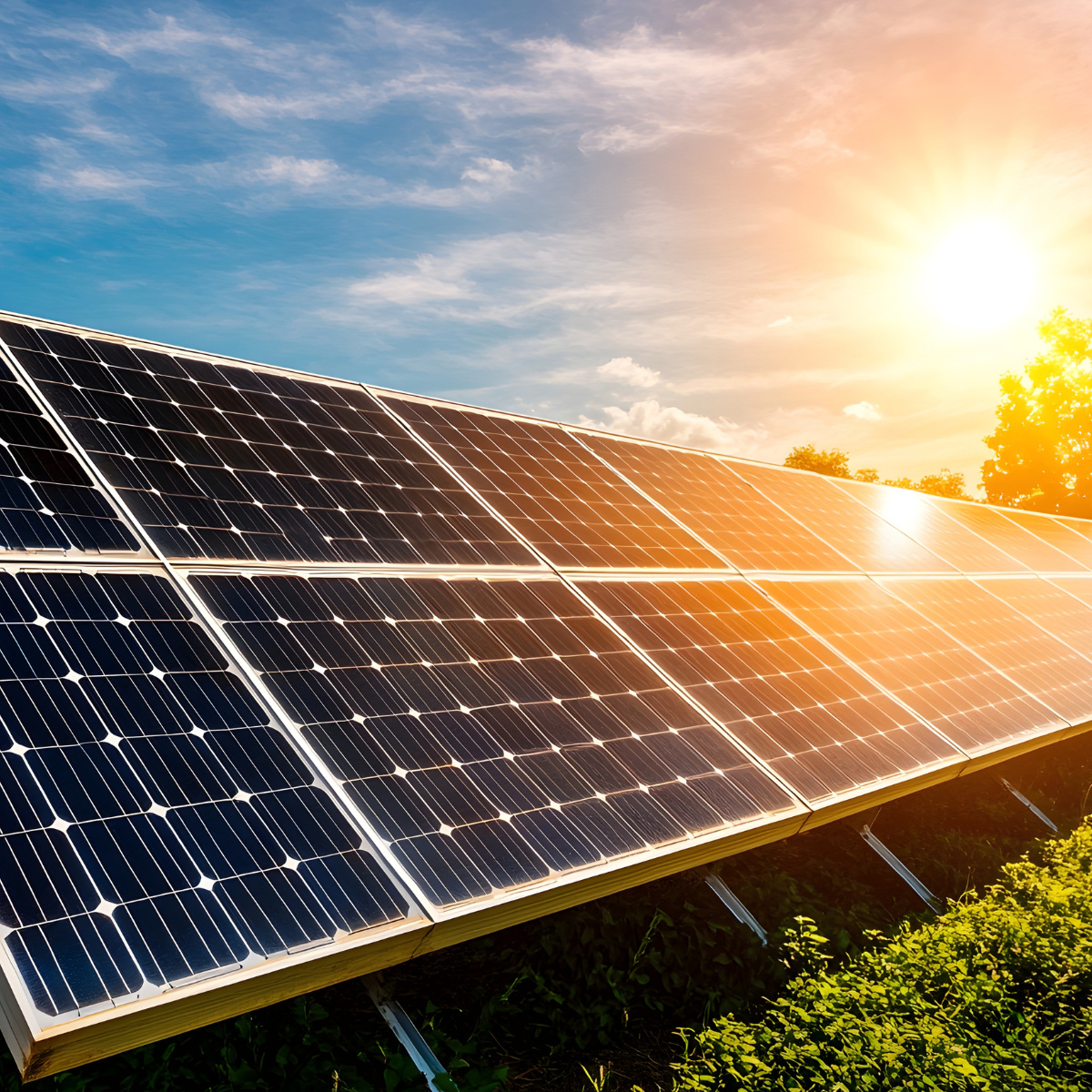
Solar energy plays a central role in the global energy transformation, as it combines sustainability, continuous innovation, and the ability to decentralize access to electricity. However, according to the Brazilian Association of Photovoltaic Solar Energy (Absolar), investments in the sector are expected to decrease by about 7% in 2026. The projection, released on the institution’s website in December 2025, comes after years of accelerated growth. This scenario, although seemingly unexpected, follows historical trends of adjustment in technological expansion cycles.
Solar energy in Brazil saw a significant leap starting in 2012, when the federal government, through Aneel, established rules for micro and mini distributed generation. Since then, the country has seen millions of consumers adopt the technology. Thus, the sector has become an example of rapid adoption and has had a direct impact on electricity bills. However, like any dynamic market, it also faces moments of reorganization.
Structural Changes Influence Sector Pace
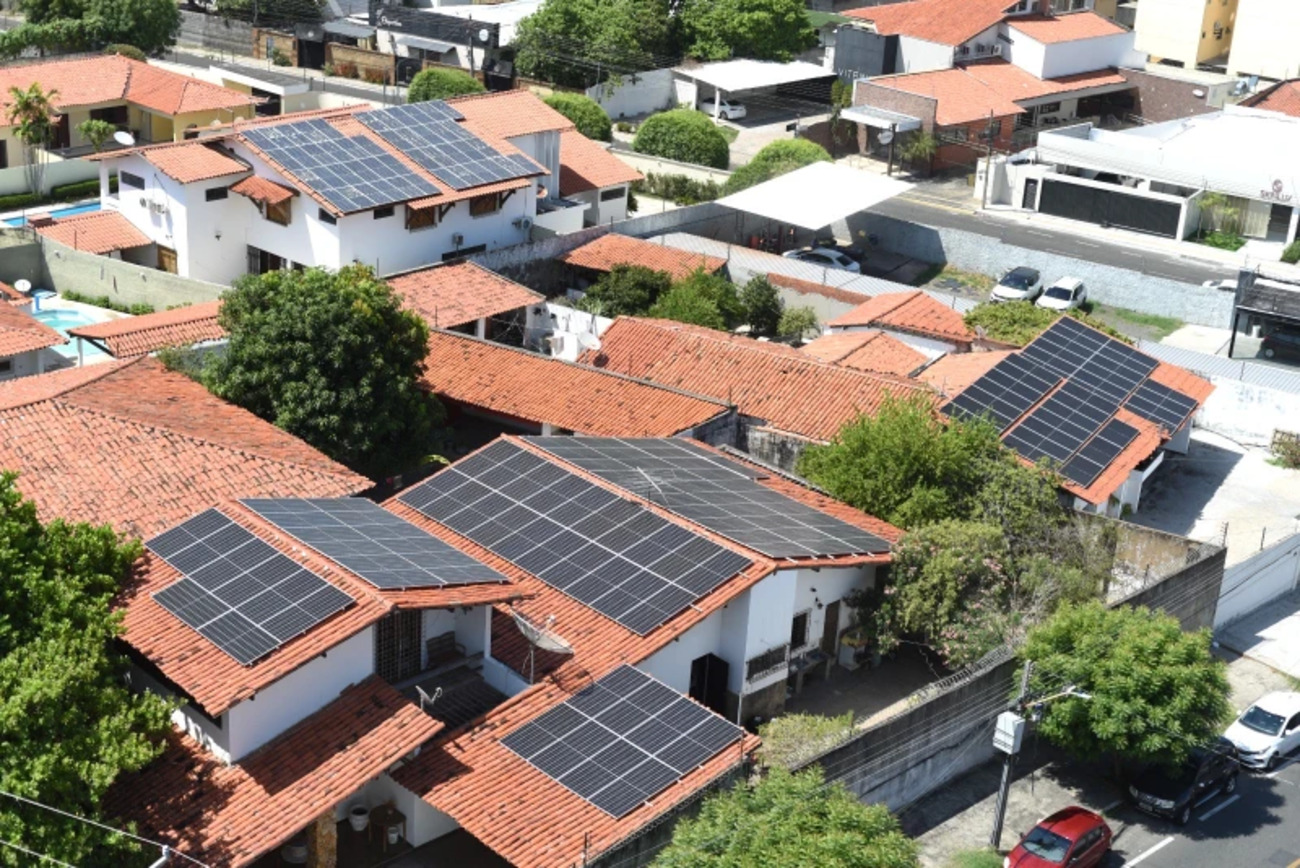
According to Absolar, the forecasted decline does not indicate a weakening of solar energy. On the contrary. The organization states that the reduction reflects a natural adjustment following the peak of installations recorded in 2024 and 2025. These years concentrated a large volume of projects seeking regulatory benefits linked to Law 14,300, according to information released by the federal government.
-
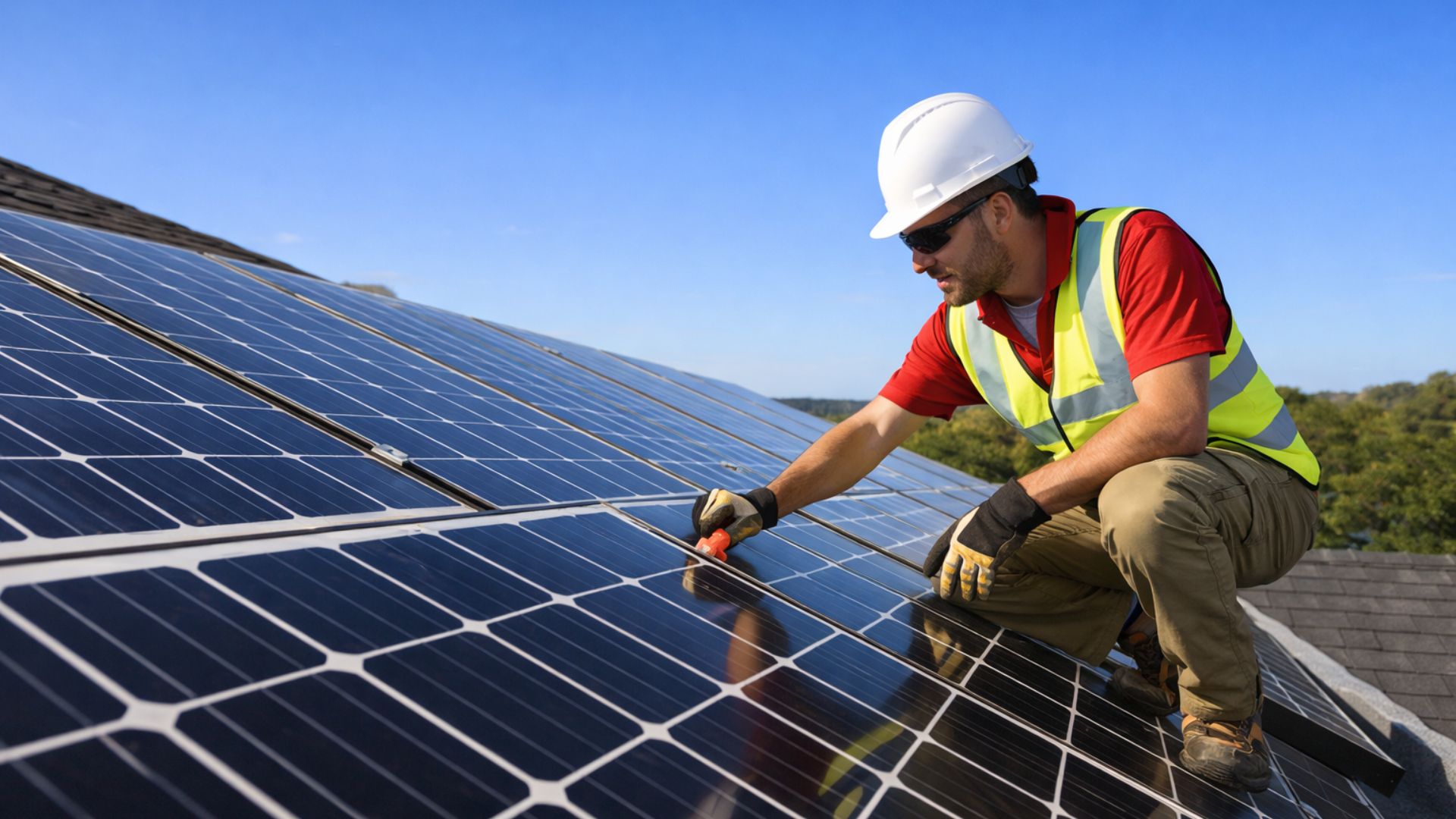
Seagri’s headquarters invests in solar energy with Neoenergia Coelba and promises to cut electricity costs, highlighting a strategic advance in sustainability and energy efficiency within state public administration.
-
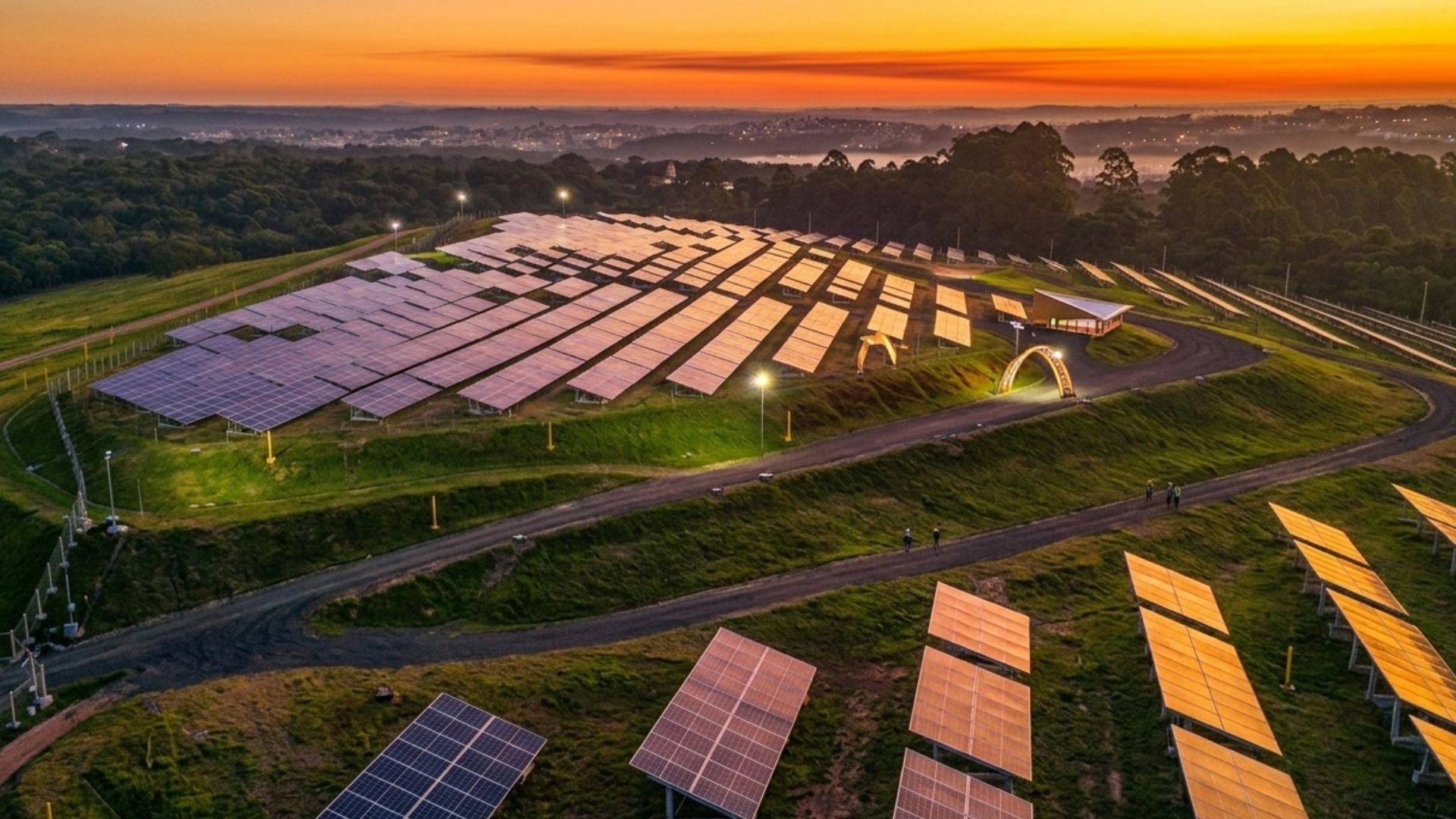
Solar Pyramid draws attention by converting solar energy into million-dollar savings and repositioning the City Hall of Curitiba as an example of innovation, sustainability, and intelligent use of public resources.
-
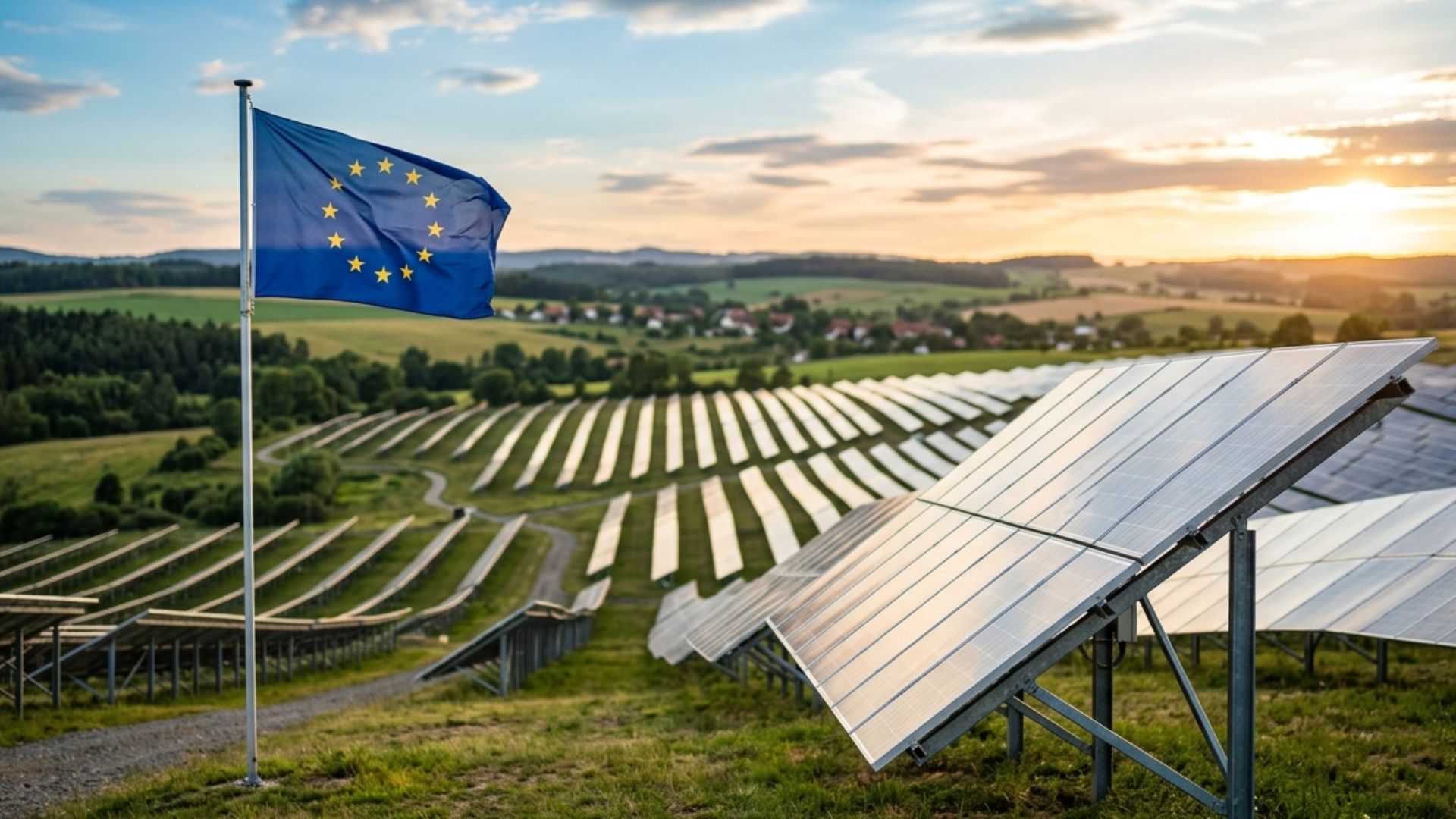
Europe records strong euro economy with solar energy in March and sparks curiosity about which country leads growth that redefines the energy market and reduces costs.
-
Piauí reaches a historic milestone in energy transition: State records nearly 160,000 households powered by solar energy and leads growth in the Northeast.
Moreover, many consumers anticipated investments to take advantage of more favorable conditions before the change in credit compensation rules. This movement created a sort of “artificial acceleration,” which explains the predicted slowdown for 2026.
The global market also faces adjustments. International publications, such as reports from the International Energy Agency (IEA), indicate that equipment costs have stabilized after a sharp decline over the decade. Thus, companies are revising strategies and studying more efficient models for expansion.
The Historical Relevance of Solar Energy in Brazil
To understand the importance of this movement, it is worth recalling the path that brought the country to prominence. In 2015, solar energy represented less than 1% of the Brazilian electricity matrix. Today, according to data from the National Electric System Operator (ONS) released in 2025, the source has already surpassed historical marks, even exceeding large hydropower plants during peak times.
This advancement has transformed rural areas, boosted agribusiness, and stimulated new business models. Therefore, the forecasted decline, although small, opens important discussions about the continuity of incentive policies.
Thus, experts argue that sustainability remains a key focus. This way, the country can maintain competitiveness and continue to be a leader in the international scenario.
Factors Driving the Anticipated Decline for 2026
According to Absolar, three factors explain the temporary retraction:
Regulatory Transition
The change in the compensation model for microgeneration required technical and financial adaptation. Therefore, many consumers rushed to install systems before the new rules came into effect. In 2026, the market will reflect this anticipation.
Macroeconomic Review
The market is affected by economic fluctuations, such as interest rates, credit, and consumer confidence. According to data from the Central Bank, the volatility of recent years has influenced investment decisions by families and businesses.
Reorganization of Large Plants
Large projects require long maturation periods. Therefore, companies adjust schedules and analyze new models of PPAs (power purchase agreements), especially in light of the evolution of the free energy market.
Sustainability Remains a Central Focus
Even with the slowdown, solar energy continues to be one of the main pillars of Brazil’s energy transition. The sector allows for emission reductions, democratization of electricity access, and the strengthening of municipalities that receive investments. According to the Ministry of Mines and Energy website, solar energy prevented millions of tons of CO₂ in 2024 and 2025, reinforcing its environmental relevance.
Additionally, solar energy aligns with global decarbonization goals. At the COP30, held in Belém, experts highlighted that the source is vital for emerging countries to accelerate their transitions without compromising economic growth.
The combination of clean energy, lower environmental impact, and distributed generation reinforces the strategic importance of solar energy for the country.
The Role of Agribusiness and Small Businesses
One of the drivers of solar energy in Brazil is agribusiness. In regions with high electricity consumption for irrigation, storage, and refrigeration, photovoltaic systems have helped reduce costs and increase competitiveness. According to the Embrapa website, more than 330,000 systems have been installed in the field by 2025.
Small businesses have also driven the technology forward, as they have perceived immediate savings and budget predictability. This trend is expected to continue in 2026, although at a measured pace.
Outlook for the Coming Years
Even with the anticipated decline, Brazil remains among the countries that install the most solar energy globally. Thus, experts believe that the 2026 slowdown will serve as a “breather” for the reorganization of production chains.
Absolar states that after this adjustment, the sector is expected to regain momentum, especially due to the growing demand for storage, green hydrogen, and hybrid systems. Additionally, state governments are expanding incentive programs, which should stimulate new investments.
Therefore, solar energy remains one of the most important forces in the Brazilian green economy.
Solar Energy Remains Essential for the Future
Although 2026 is expected to register a lower volume of new installations, the essence of the energy transition does not change. The global movement toward renewable sources is intensifying. Brazil, with its solar abundance, is set to increasingly lead this process.
Therefore, the data from Absolar should be interpreted as part of a natural cycle, not as a sign of retreat. Historically, sectors in rapid expansion experience moments of adjustment before advancing again.
And in the case of solar energy, the structural trend remains positive, sustainable, and aligned with the environmental and economic demands of the country.








Seja o primeiro a reagir!