





 English
  Francês
  Alemão
  Italiano
  Japonês
  Norueguês
  Portuguese
  Spanish
  4 min of reading


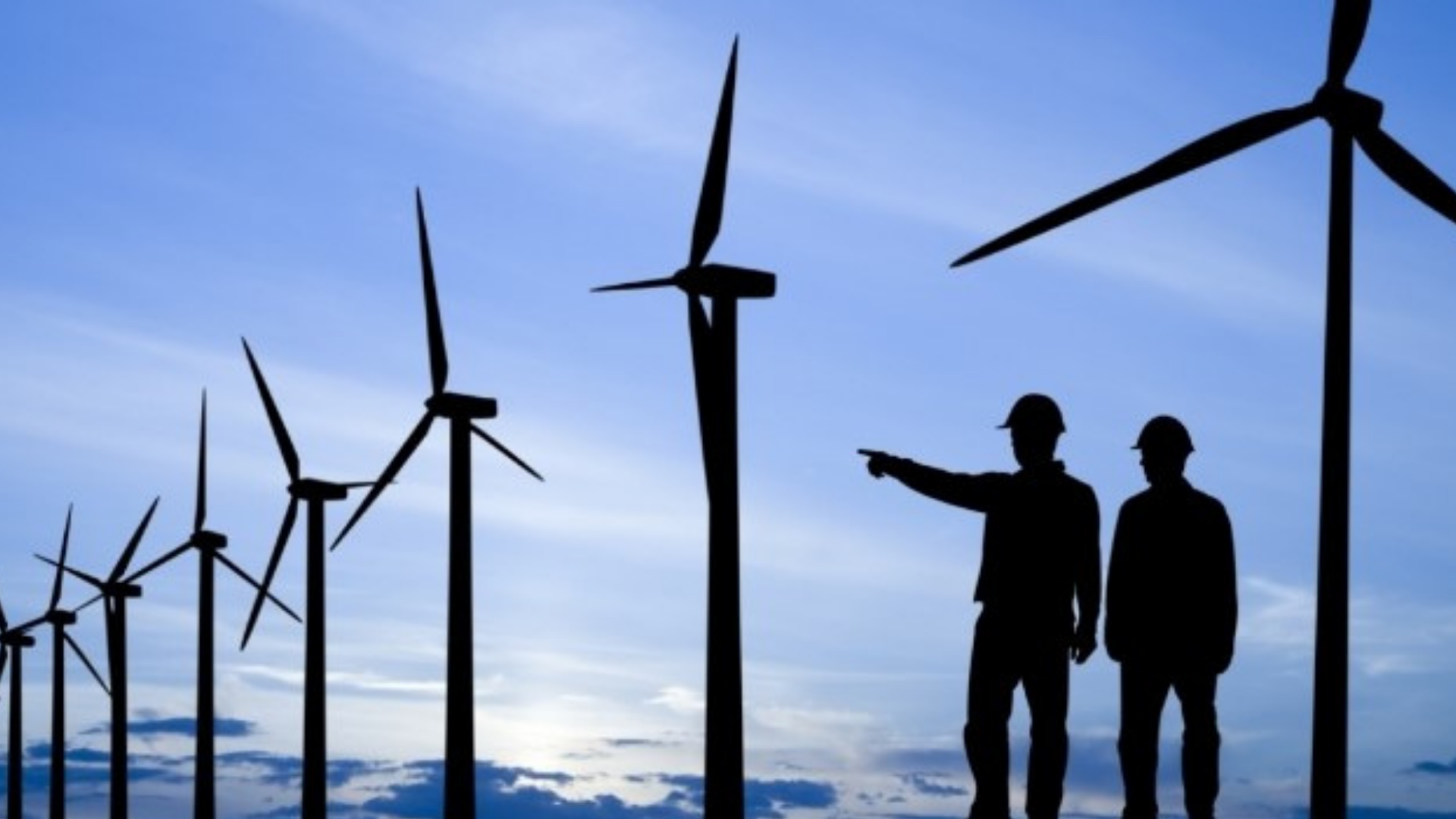
The Expectation Is for Accelerated Investments in Renewable Energy Projects After Approval of New Regulatory Framework
The urban energy generation projects reflect the growth of the renewable energy market in the country, which has almost not felt the effects of the pandemic and anticipates acceleration after the approval of the regulatory framework under discussion in Congress. In a report on the impact of public investments on the labor market, released in May, the IMF (International Monetary Fund) states that “green” investments tend to create more jobs than traditional ones. Also read: The Oil and Gas Multinational Wood Group Has Many Offshore Job Openings
- Just Like with Ecosport, Ford Ka, and Ka Sedan, Ford Edge Stops Being Sold at Brazilian Dealerships
- Truck Drivers Block Distributors and Gas Stations Run Out of Gasoline
- General Motors Will Temporarily Shut Down Its Factories in All North American Countries
- Suzano Paper and Pulp Opens 220 Spots for Free Courses in Electromechanics, Chemistry, and Automation with Scholarships of R$ 1,5 Thousand Per Month
- Biodiesel Is Not to Blame for High Diesel Prices, But the Government Confirms Reduction in the Blend of Biofuel and End of Auctions
Approval of the Legal Framework
The text of the legal framework establishes rules for the functioning of so-called distributed generation, a business that allows industries, commerce, and even residences to purchase a stake in renewable plants. The executive president of Absolar (Brazilian Association of Photovoltaic Solar Energy), Rodrigo Sauaia, says it is important because it will establish in law, for the first time in Brazil, the consumer’s right to generate their renewable energy.
In 2020, the solar energy sector received investments of R$ 12.1 billion, a 50% increase compared to the previous year. Recently, Absolar celebrated reaching 10 GW (gigawatts) installed, which places Brazil in the fourteenth position in the global ranking. The year 2021 started strong. “Our revenue grew 67% from January to June,” says Artur Cantador Bernardo, president of Dinâmica Energia Solar, a company involved in the construction and assembly of solar farms, with branches in other stages of the chain, such as equipment import. Dinâmica started as a company focused on water heating projects and diversified its operations when the decreasing cost of solar energy technology began to enable the first projects in the country.
-
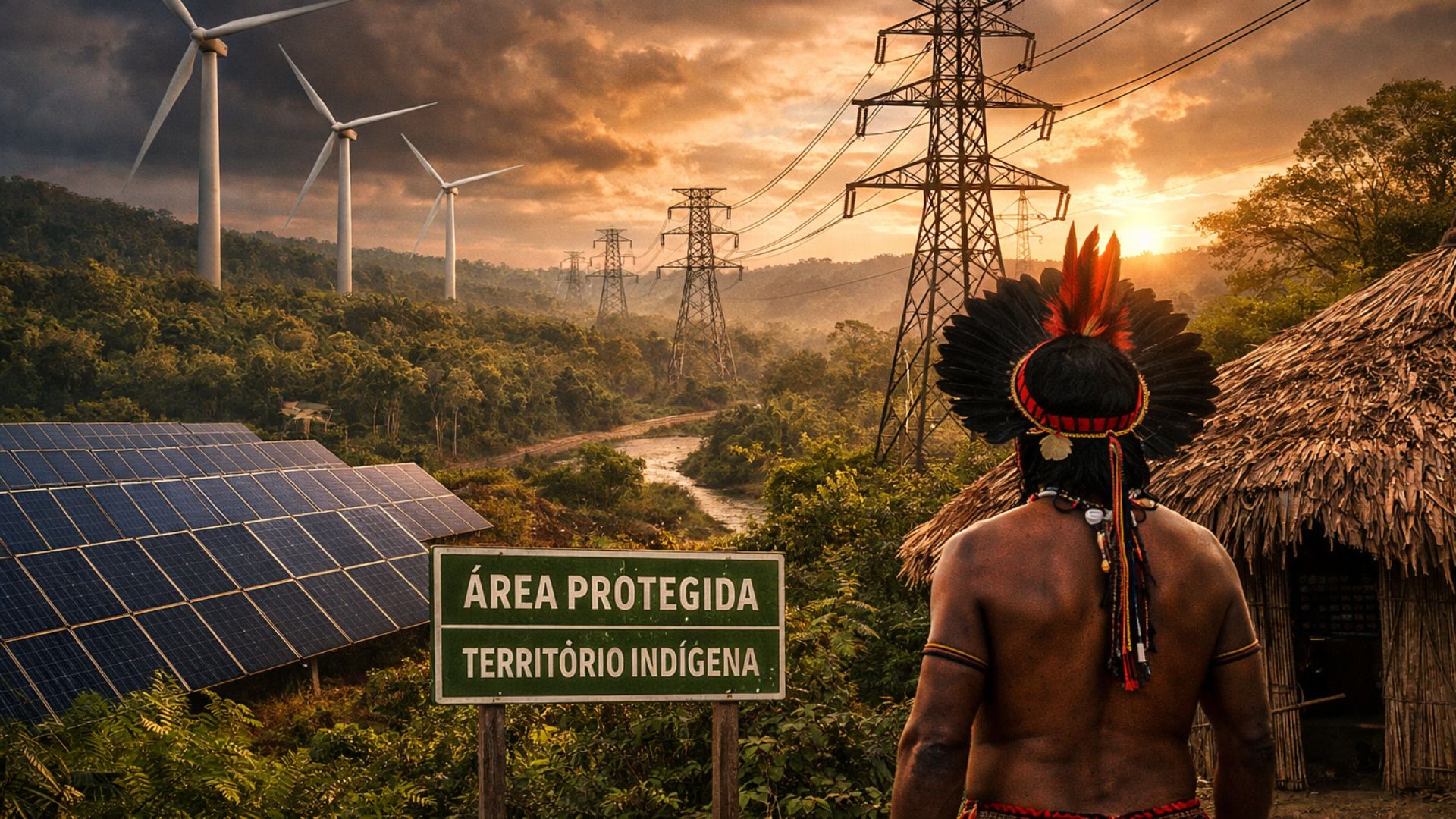
Renewable energy advances over protected areas in Brazil, and a survey by the Energy Transition Observatory reveals silent impacts that challenge environmental conservation and pressure sensitive traditional territories.
-
Rio Grande do Sul accelerates energy transition: State invests in renewable technologies and consolidates decarbonization strategies and pathways to attract billions in new industrial investments.

-
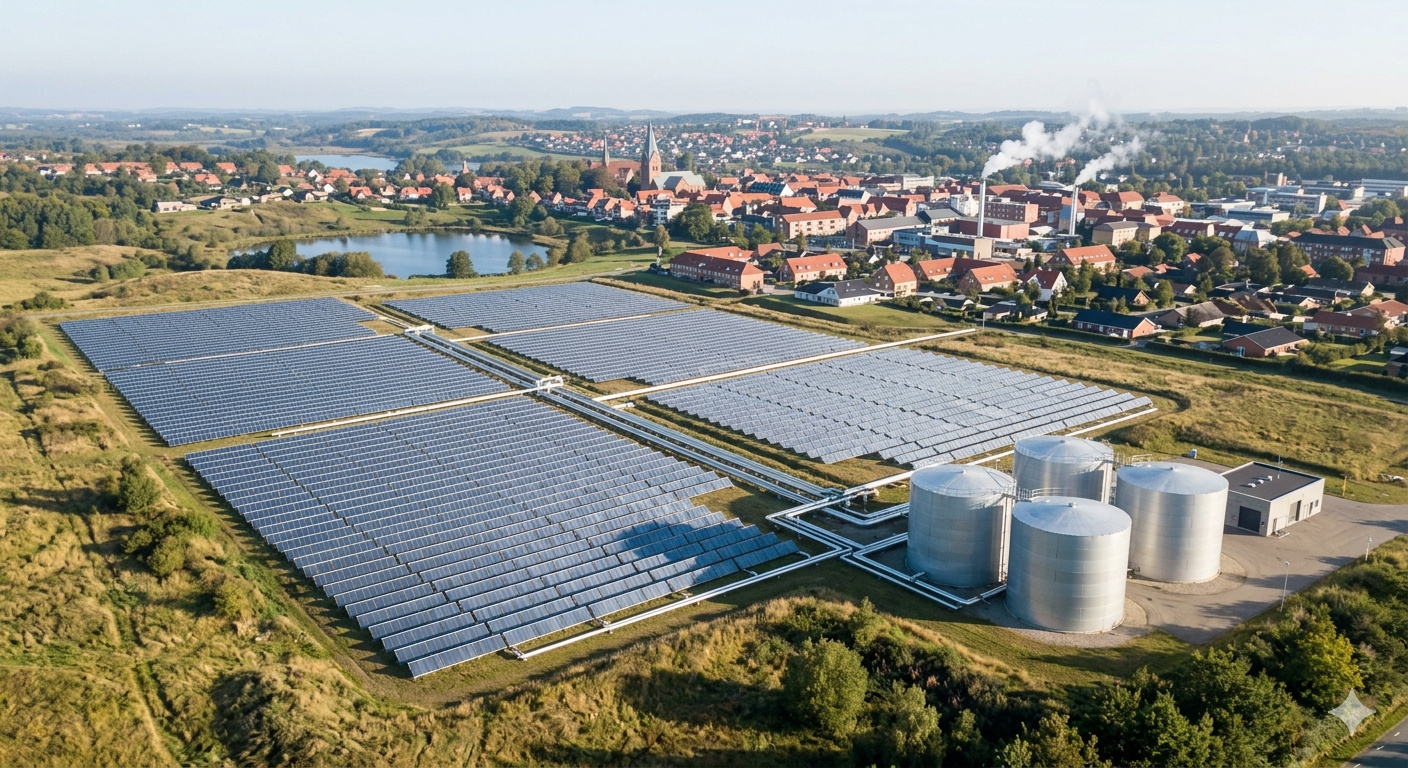
With 160,000 m² of collectors, an area larger than 20 football fields, Silkeborg, in Denmark, hosts a solar thermal plant that heats 19,500 homes and could become the largest solar heating plant in the world.
-
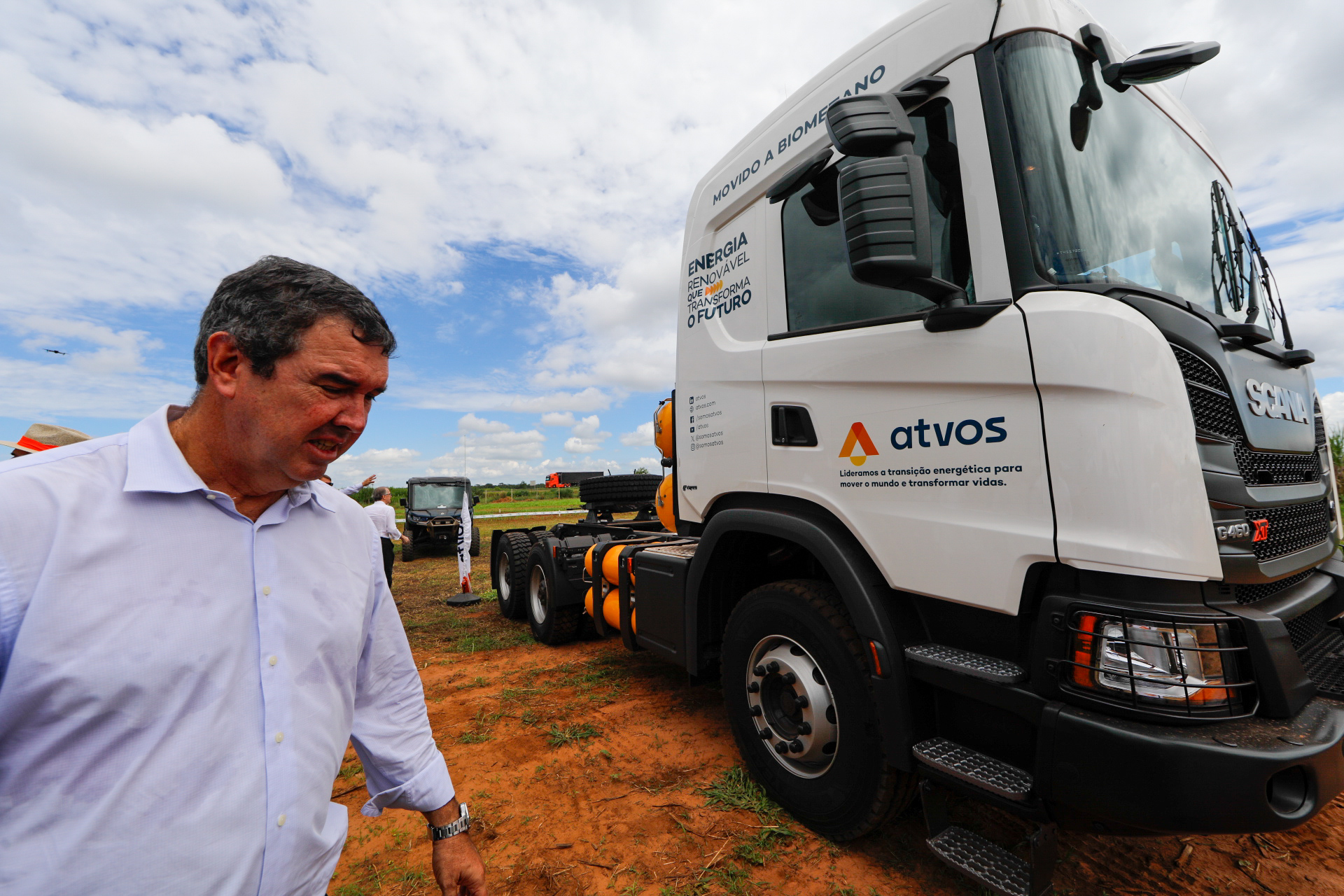
A study reveals the expansion of renewable energy procurement in Brazil and shows how companies are taking advantage of opportunities to reduce expenses, ensure energy efficiency, and strengthen strategic environmental commitments.


Investments in Wind Energy
Older and more widespread in the country, wind energy faced a period of retraction at the end of the last decade due to the lack of government auctions, but it is also benefiting from the migration of consumers seeking lower prices and clean energy. In 2020, Brazil received R$ 20.6 billion in investments in the sector, which according to EPE (Energy Research Company), will be the main driver of growth in the energy supply in the country in the coming years.
This outlook led the wind turbine blade manufacturer Aeris to launch shares on the stock exchange in November 2020, raising R$ 1.1 billion for investment in expanding its facilities at the Pecém port in Ceará. The money is being used for a new industrial building and machines to increase the company’s production, which in 2020 had one-third of its sales abroad. Since the beginning of 2020, the company has created around 2,000 new jobs, raising its workforce to about 5,200 jobs.
Check Out Also: German Company Will Invest R$ 5.2 Billion in Renewable Energy Projects in Minas Gerais
Sowitec, a German company, will invest R$ 5.2 billion in the state of Minas Gerais in three large renewable energy projects. Two exclusively from photovoltaic solar sources and one hybrid source, with the latter combining both photovoltaic solar and wind generation.
According to the Agência Minas Gerais website, the hybrid project (wind and solar), named Gameleiras Energy Generation Complex, will be installed in the municipalities of Monte Azul, Espinosa, Santo Antônio do Retiro, Rio Pardo de Minas, and Mato Verde in Minas Gerais. The estimated power capacity for the first phases of this undertaking in Minas Gerais is 600 MW for wind and 400 MWac (520 MWp) for solar.
The solar projects Minas do Sol in Pirapora and Presidente JK in the municipality of the same name are in an advanced development stage, with all properties regularized, solarimetric measurement according to the parameters of the competent authorities, and an environmental license for implementation issued. The first project will have the potential to serve, on average, 250 households per year, while the second will serve 350. The total implementation of the projects in Minas Gerais is estimated to take two to four years, with construction expected to start in 2023.







Seja o primeiro a reagir!