





 English
  Francês
  Alemão
  Italiano
  Japonês
  Norueguês
  Portuguese
  Spanish
 2 min of reading


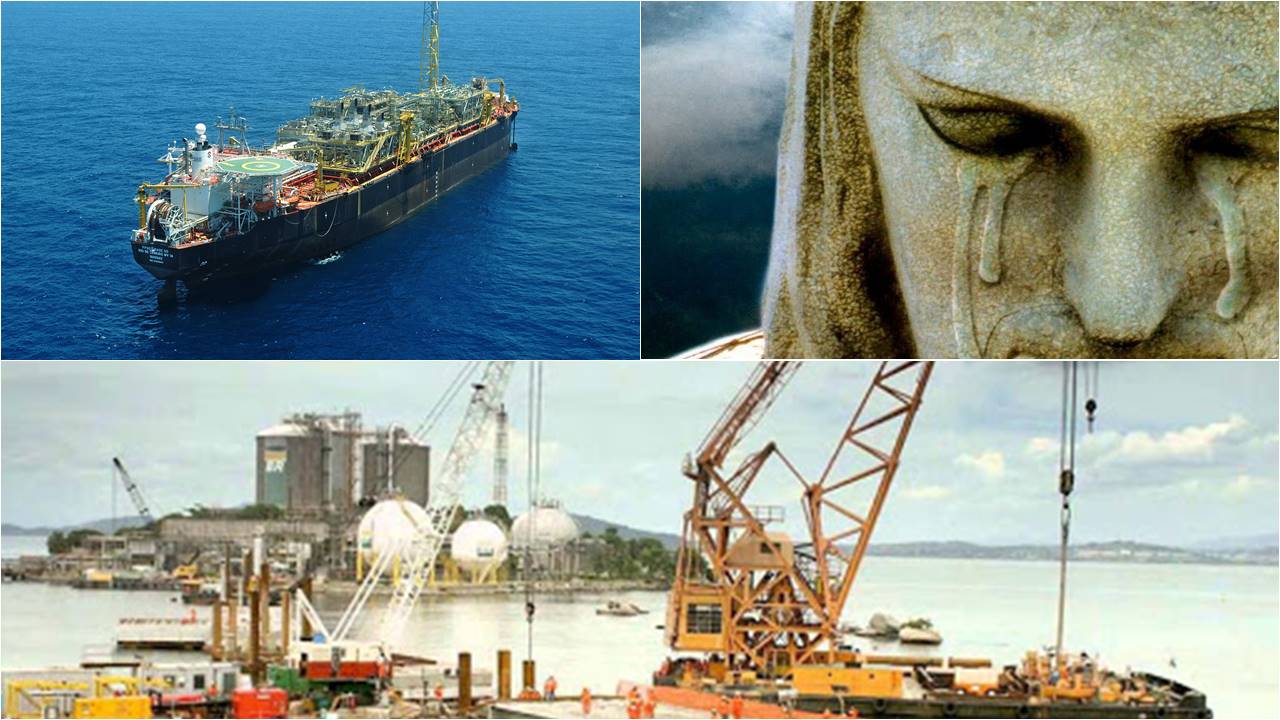
IBP Expresses Concern About the Bill to Be Voted on at Alerj, Which Aims to Fine the Oil and Gas Industry, Major Contributors to Revenue and Job Creation in RJ
Rio de Janeiro, November 17, 2020 – The Brazilian Institute of Oil and Gas (IBP) supports the development of the national industry on competitive and sustainable bases in the long term. In light of this, it expresses deep concern regarding the approval, in the Plenary of the Legislative Assembly of the State of Rio de Janeiro (Alerj), of the Bill 3265/2020, which generally establishes fines to be paid to the State of RJ for potential non-compliance with local content percentages established in contracts with the Union. This legislative initiative creates legal insecurity by establishing double penalization, with a significant potential to deter investments in the sector in the state.
The Alerj bill encroaches on federal authority regarding the regulation and oversight of compliance with local content obligations, which are exclusive duties of the National Agency of Oil, Natural Gas and Biofuels (ANP). Thus, Bill 3265/2020 is unconstitutional. It is important to clarify that the granting of exploration and production areas for oil and gas is an exclusive prerogative of the Union.
The initiative by the Fluminense legislature creates instability precisely at a time when the state needs new investments and an attractive business environment. This uncertainty reduces the competitiveness and appeal of Rio de Janeiro, as well as jeopardizes both future projects and those underway, potentially compromising the state’s revenue.
-
Petrobras finds high-quality oil in the pre-salt at 113 km from RJ and reignites expectations about strategic reserves in the Campos Basin.

-
Chinese giant worth nearly R$ 4 billion that manufactures cables for electric cars, solar energy, and robotics wants to open a factory in SC.
-
Many employers do not know, but the law guarantees domestic workers a 25% increase in salary during trips, 50% for overtime, 20% for night shifts, and 17 additional benefits that can lead to labor lawsuits if not paid.

-
Gasoline prices soar and the question arises: is ethanol more advantageous? The 70% rule reveals the limit with gasoline.

By predicting the additional collection of ICMS as a form of penalty, the Bill also incurs in double taxation, in addition to instituting a tax with an incidence not provided for by law.
It is worth emphasizing the importance of the oil and gas activity for the accounts of the State of RJ. In 2019, 27% of the revenue of the State of Rio de Janeiro came from the O&G sector, with R$ 8.9 billion from Special Participation (PE) of the state and R$ 4.5 billion from state royalties. Between 2020 and 2024, the state could collect approximately R$ 75 billion in government participations and ICMS, considering only exploration and production activities.










Seja o primeiro a reagir!