





 Portuguese
  English
  Spanish
  3 min of reading
  0 comments


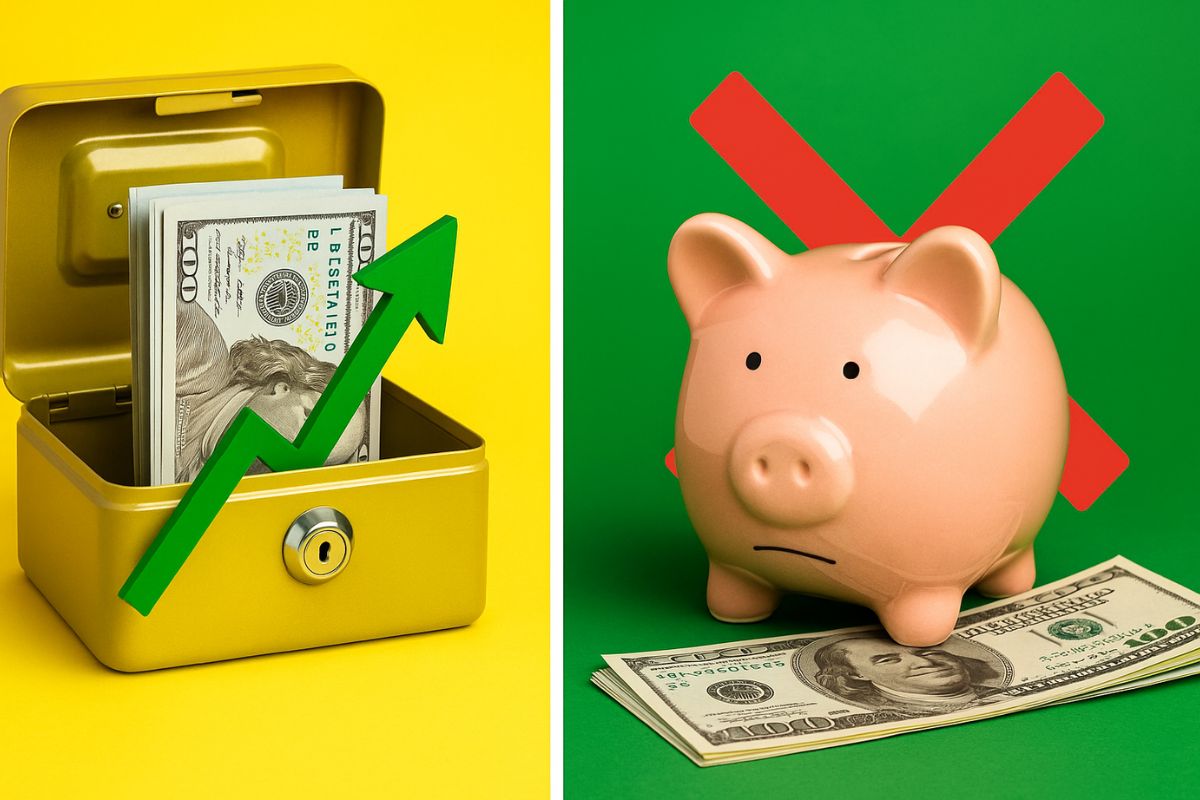
Popular Tool Among Young People Surpasses Traditional Savings in Profitability and Organization, But Requires Attention to Taxes
Investment Boxes vs Savings has become a hot topic among new investors. With the rise of digital banks, many Brazilians have started using these tools as a gateway to the financial market — but there are still doubts about yield, security, and taxes.
Although savings are still the favorite destination for those seeking simplicity, investment boxes offer higher profitability, goal-based organization, and products like CDBs and fixed-income funds. According to Anbima, this change in financial behavior is mainly growing among young people aged 18 to 30.
Investment Boxes Organize Goals and Surpass Savings Profitability

Investment Boxes work as virtual compartments created in the bank’s app to store money with specific goals, such as a trip or emergency fund. The amounts are allocated in conservative products, such as daily liquidity CDBs.
-
Havan buys historic football land in Blumenau for a million-dollar amount protected by a confidentiality clause and is already planning to change even the layout of streets to build a megastore in half-timbered style costing 80 million reais.

-
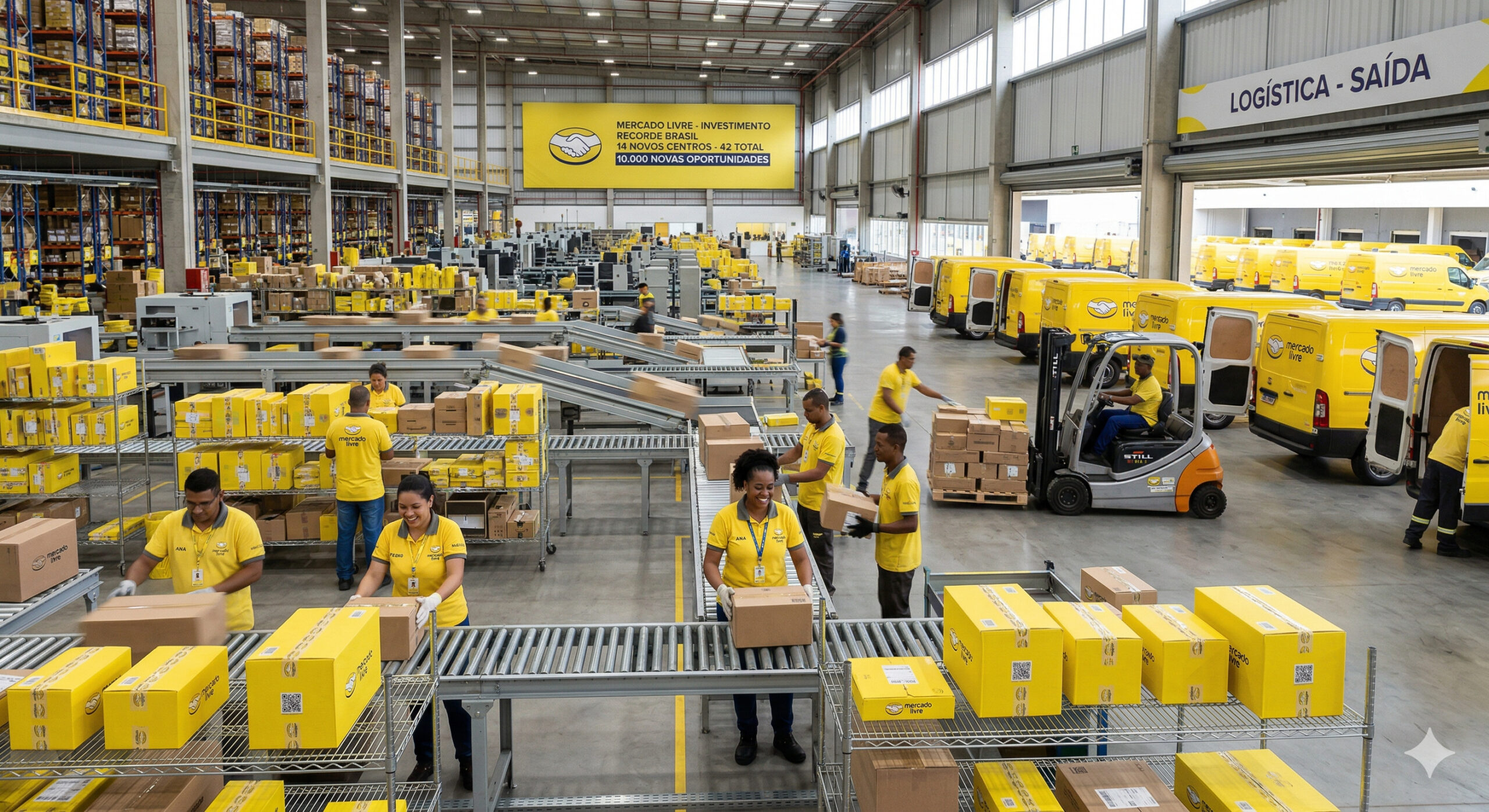
Mercado Livre “opens the vault” and announces a record investment of R$ 57 billion in Brazil in 2026, a value 50% higher than the previous year, with an expansion plan that includes 14 new logistics centers, totaling 42 units in the country and hiring an additional 10,000 employees.
-
How investment in technology can revolutionize the national economy and enhance industrial gains, according to a study that highlights the direct impact on productivity, innovation, and wealth retention within Brazil.

-
The largest food company on the planet, JBS, has just opened a 4,000 square meter laboratory in Florianópolis to develop customized proteins that modulate muscle mass gain, immune response, and metabolic performance.


While savings yield 6.17% per year, according to the Central Bank’s rules (0.5% per month + TR), investment boxes can track 100% of the CDI, currently equivalent to about 15% per year. Some institutions even offer up to 110% of the CDI in promotions, which further increases the return.
CDBs Boost the Popularity of Investment Boxes
A significant portion of investment boxes uses CDBs as a basis, mainly due to the security of the Credit Guarantee Fund (FGC), which covers up to R$ 250,000 per CPF and per institution. Additionally, the initial investment amount is accessible — starting from R$ 1 on platforms like Nubank, Inter, and PicPay.
Data from B3 shows that, in May 2024, 1.9 million new Brazilians entered the fixed income market. Anbima reports that CDBs account for R$ 1.04 trillion in individual investments, representing 20.7% of portfolios.
Simulation: Yield of Investment Boxes vs Savings

| Type of Investment | Annual Yield | Final Amount in 12 Months (R$ 1,000) |
|---|---|---|
| Savings | 6.17% | R$ 1,061.70 |
| Box (100% of the CDI) | 15% | R$ 1,150.00 |
| Box (110% of the CDI) | 16.5% | R$ 1,165.00 |
Taxes: What Changes Between the Options?
In savings, there is no income tax charge. In investment boxes, products like CDBs follow the regressive income tax table, applying only to the earnings, according to the investment period:
| Investment Period | Income Tax Rate |
|---|---|
| Up to 180 days | 22.5% |
| From 181 to 360 days | 20% |
| From 361 to 720 days | 17.5% |
| Over 720 days | 15% |
Even with taxation, the net yield of investment boxes still usually surpasses that of savings, especially when funds are held for more than a year.
Investment Boxes Educate Financially and Attract Millions of Brazilians
More than 30 million Nubank customers and 3 million Inter customers already use investment boxes, according to data provided by the institutions themselves. Anbima considers this tool an effective educational instrument to move Brazilians from savings to structured investments.
Investment Boxes vs Savings shows a shift in mindset: from the idea of “saving money” to the habit of “investing with purpose.” Although simple, investment boxes teach concepts like liquidity, risk, and financial goals.
Have you tried investment boxes? Do you think they really replace savings with more advantages?








-

-

-

-

10 pessoas reagiram a isso.