





 Portuguese
  English
  Spanish
  4 min of reading
  28 comments


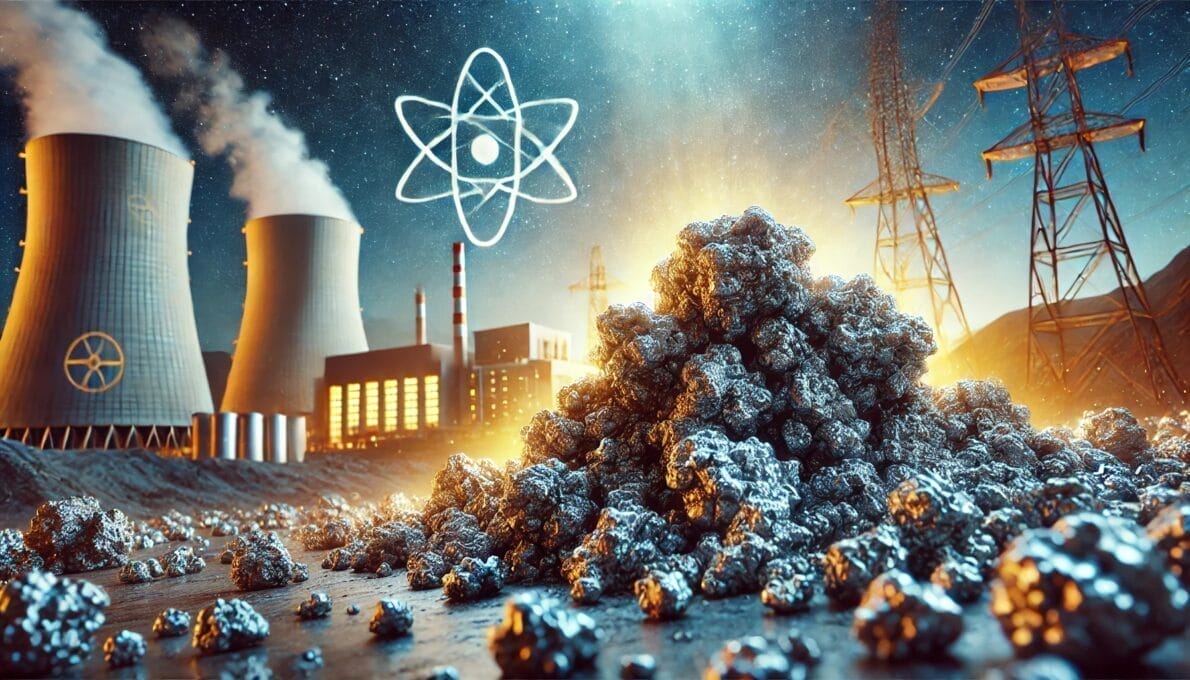

Iran Is Expanding Its Nuclear Program With African Uranium, Which Has Raised Great Concern In The United States And Other Countries. The Iranian Initiative Is Provoking International Efforts To Contain Nuclear Advancement, Increasing Global Tensions And Raising Questions About Security And Stability In The Middle East.
Iran is intensifying its search for uranium in West Africa, signaling a significant expansion of its controversial nuclear program, which has long concerned the West. Despite attempts at control and reduction, Iran still maintains one of the most advanced nuclear programs in the world. Recent reports indicate that the country’s nuclear weapons program is gaining strength, raising global concerns. Here are the main global concerns regarding the Iranian nuclear program.
Iran Forms An Alliance With Niger To Secure African Uranium
Dr. Olayinka Ajala, a West African geopolitical analyst and professor at Leeds Beckett University, revealed that Iran might be exploiting the political instability in Niger to increase its supply of African uranium. In an interview with National Security News, he emphasized that Iran would be actively seeking mining licenses in Niger to enrich its nuclear facilities.
In July 2023, Niger’s presidential guard detained President Mohammad Mokhber, and General Abdourahamane Tchiani declared himself the leader of the country, marking the beginning of a new military government. Following the coup, which allegedly had the support of the Wagner Group, Niger distanced itself from its historical alliance with the United States and its allies and began fostering partnerships with Russia and Iran.
-
If the USA were to go to war with Brazil, Washington’s greatest fear would not be the attack itself, but facing a vast territory, prolonged resistance, and a costly, chaotic, and unpredictable occupation.

-
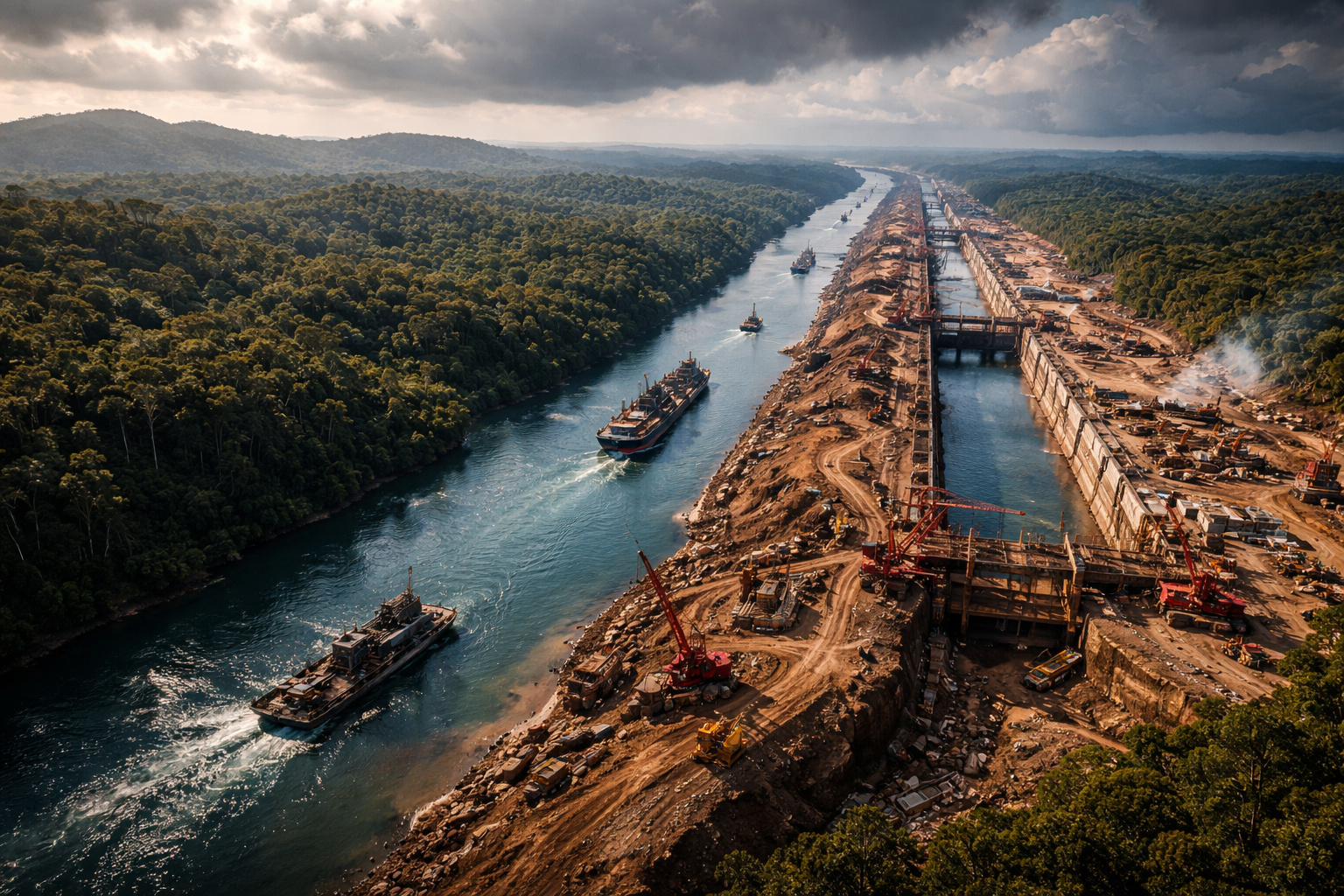
In 2013, Nicaragua sold the concession for a canal to rival Panama to a Chinese billionaire who lost 85% of his fortune, disappeared, and was declared bankrupt. Now the project resurfaces with a new route, a new Chinese partner, and a cost of $64.5 billion.
-
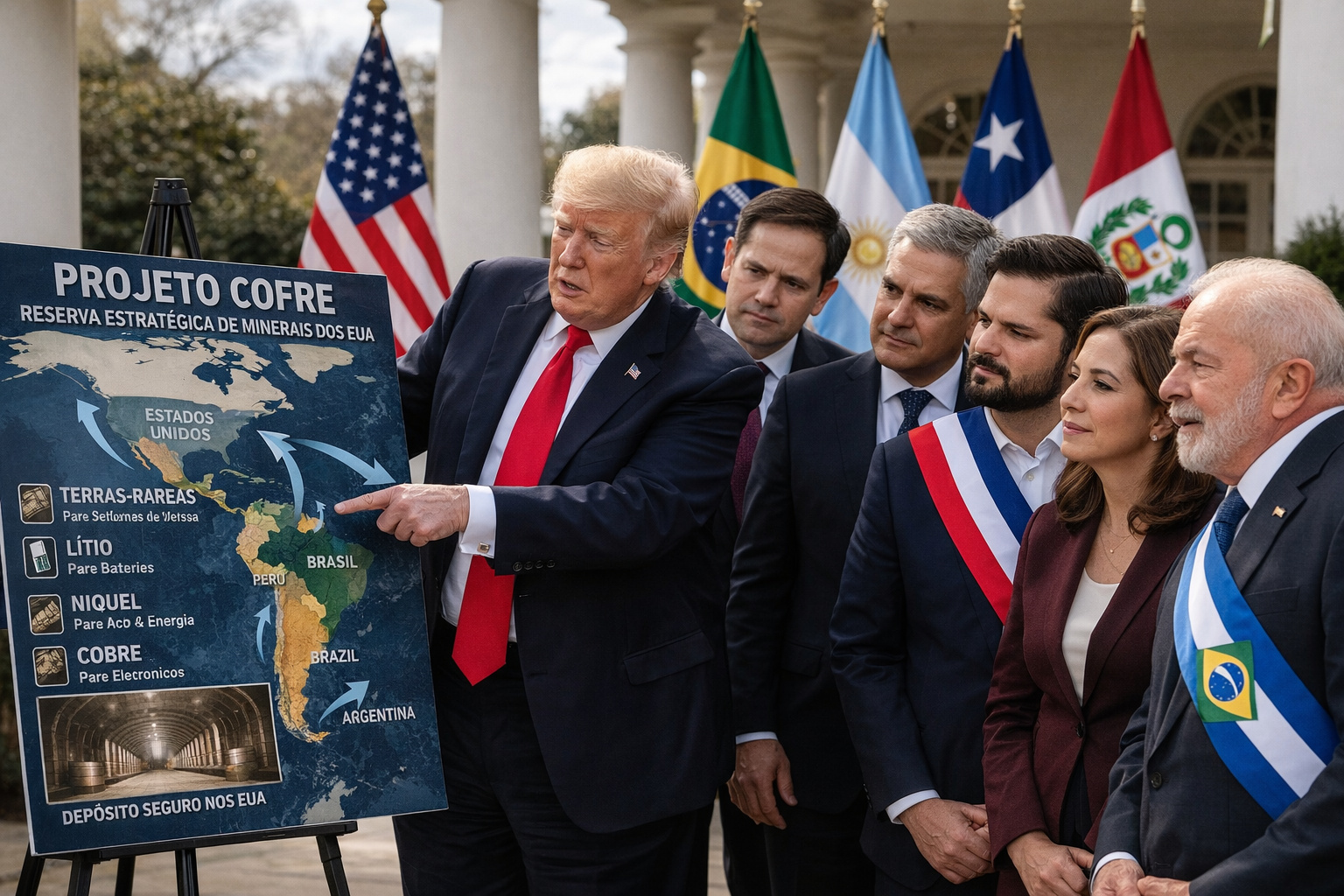
The USA announces a mysterious billion-dollar vault project to store critical minerals, but what intrigues experts is not just the plan itself, but why Latin America, including Brazil, has entered the center of this global dispute against China.
-
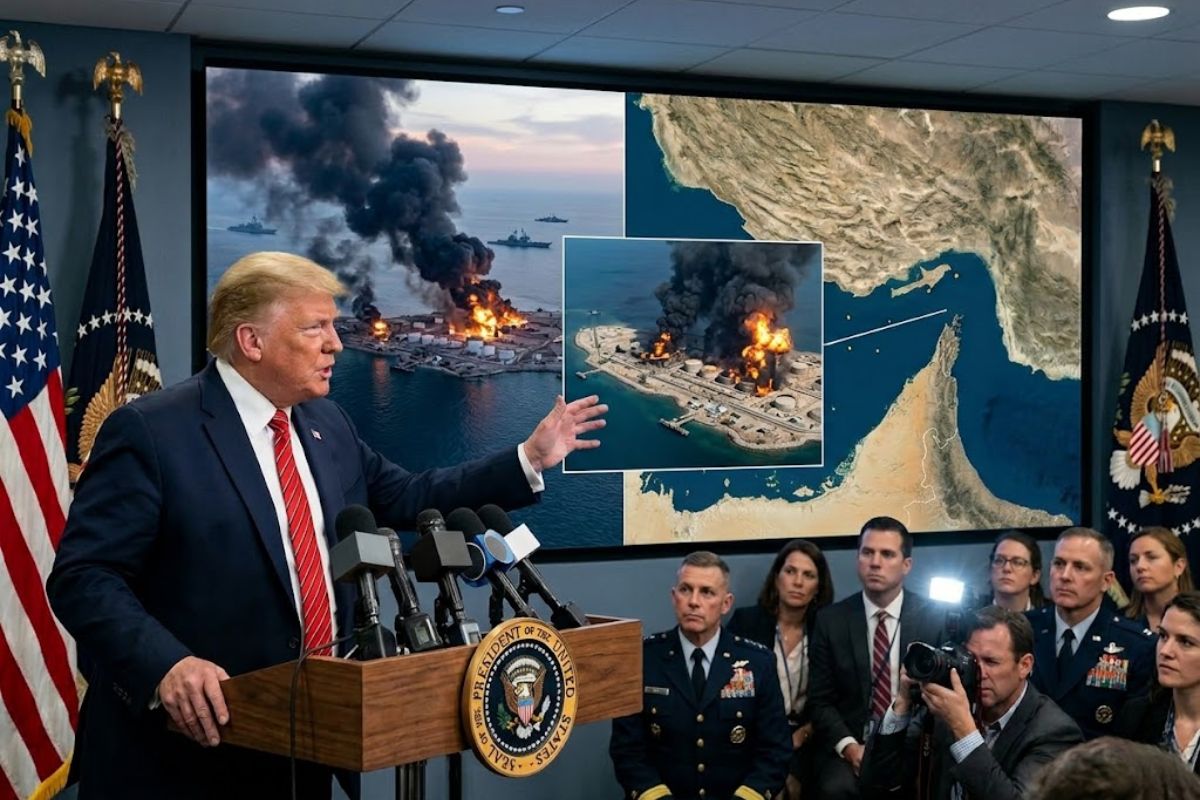
Trump Announces Bombing of U.S. Military Targets on Iranian Island Responsible for About 90% of Iran’s Oil Exports, Warns of Further Attacks if Navigation in Strategic Strait of Hormuz Is Threatened

In early June, Iran raised concerns in Washington when the International Atomic Energy Agency revealed that the country had started enriching African uranium in new advanced centrifuges.
In response to a request for comment from Newsweek, the UK’s Foreign Office stated: “We have made it clear that Iran must never develop a nuclear weapon, and we have long called on Iran to reverse its deeply concerning nuclear activities. Iran has a very advanced nuclear program, but there is, in public sources, no information or assessment indicating that the country has decided to weaponize this program”.
Understand Why Iran Is Seeking Nuclear Weapons
The advanced state of Iran’s nuclear program, with levels of African uranium enrichment and growing stocks of enriched uranium, is concerning and raises questions about Iranian intentions.
The desire of Iran for nuclear weapons is driven by several factors. The country sees nuclear weapons as a security guarantee against potential threats from adversarial nations, including Israel and the United States. This perception of threat is exacerbated by the U.S. military presence in the region and the history of tensions with these countries.
Moreover, possessing nuclear weapons could strengthen Iran’s position as a regional power in the Middle East. The deterrent capability provided by a nuclear arsenal may allow Iran to exert greater influence over its neighbors and project power more effectively.
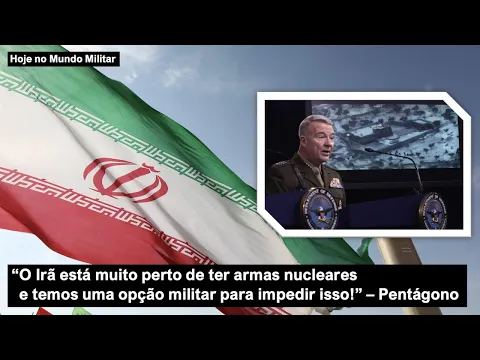

For many Iranians, the nuclear program is also a symbol of sovereignty and technological progress, challenging the sanctions and restrictions imposed by foreign powers.
Israel, in particular, sees Iran’s nuclear program as an existential threat. The fear is that if Iran develops a nuclear weapon, it could use that capability to intimidate or even attack Israel. This tension adds a dangerous layer to the already complex dynamics of the Middle East, potentially triggering an arms race in the region and increasing the risk of conflicts.
Concerns Extend Beyond The Middle East
The international community, especially Western powers, fears that a nuclear Iran could further destabilize the region and encourage other countries to seek nuclear weapons, weakening the nuclear non-proliferation regime.
Economic sanctions and diplomatic negotiations, such as the 2015 Iran Nuclear Agreement (also known as the Joint Comprehensive Plan of Action or JCPOA), have been the main means of trying to contain the Iranian nuclear program, but the success of these initiatives has been limited.
The JCPOA, while initially managing to limit Iran’s nuclear program in exchange for relief from sanctions, has faced significant challenges. The withdrawal of the United States from the agreement in 2018 and the subsequent reimposition of sanctions led Iran to gradually reduce its compliance with the terms of the agreement, increasing its uranium enrichment levels again.
To sum up, Iran argues that its nuclear program has peaceful purposes, such as energy generation and medical research. However, the lack of transparency and secret activities related to its nuclear program fuel suspicions that the true objective is to develop nuclear weapons.
This complex situation requires a multifaceted approach, combining diplomatic pressure, economic sanctions, and negotiation efforts to achieve a lasting solution that can ensure regional and international security, while respecting Iran’s rights to the peaceful development of nuclear energy.
United States Issues Statement On Iran’s Nuclear Program
It is worth noting that last week, U.S. Secretary of State Antony Blinken announced a new set of sanctions against Iran in response to the country’s attempts to increase its capacity for enriching African uranium and its ongoing failure to cooperate with the International Atomic Energy Agency (IAEA).
Iran has announced measures to further expand its nuclear program in ways that have no reliable peaceful purpose, Blinken stated in his announcement.
Iran’s move to obtain uranium from West Africa is a troubling development that could have significant implications for global security. As Iran’s nuclear program advances, the need for effective diplomacy and international efforts to control this threat becomes increasingly urgent.







This article is well-researched and clearly written. Appreciate the effort!
Helpful post — could you also share examples for beginners?
I appreciate you sharing this blog post. Thanks Again. Cool.