





 Portuguese
  English
  Spanish
  5 min of reading
  0 comments


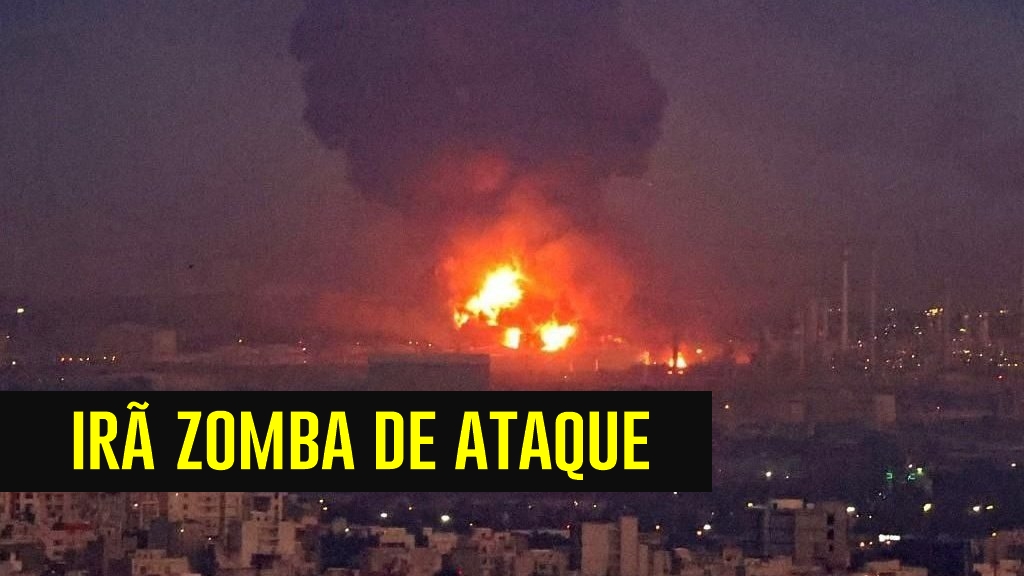
Iran Downplays Israeli Attacks, Calling Them “Weak,” and Hardline Leaders Call for Strong Responses. See How This Rhetoric Is Escalating Tension in the Middle East!
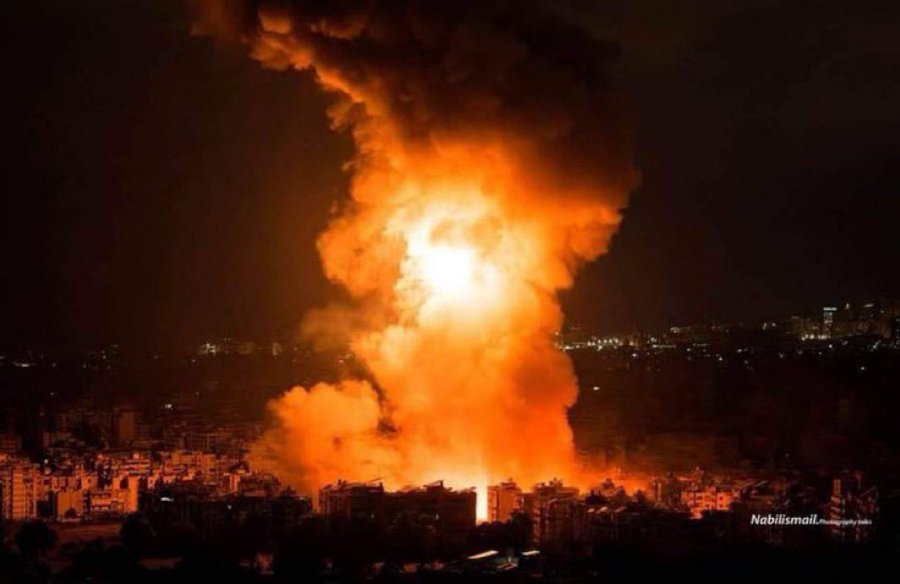
The recent Israeli attack on Iranian facilities has reignited tensions in the Middle East. While the Iranian government has minimized the effectiveness of the attacks, hardline factions are calling for a vigorous response, arguing that Israel has crossed “red lines” of national sovereignty.
This tension reflects the delicate balance that Iran needs to maintain between a symbolic response and the caution required to avoid an uncontrolled escalation.
Official Reaction and National Pride
After the attack, Iranian officials quickly emphasized what they consider the success of their air defenses, which they claim held up well against Israeli advances. Government spokesperson Fatemeh Mohajerani stated that the damage was limited and that “national pride” was bolstered by the country’s effective defense.
-
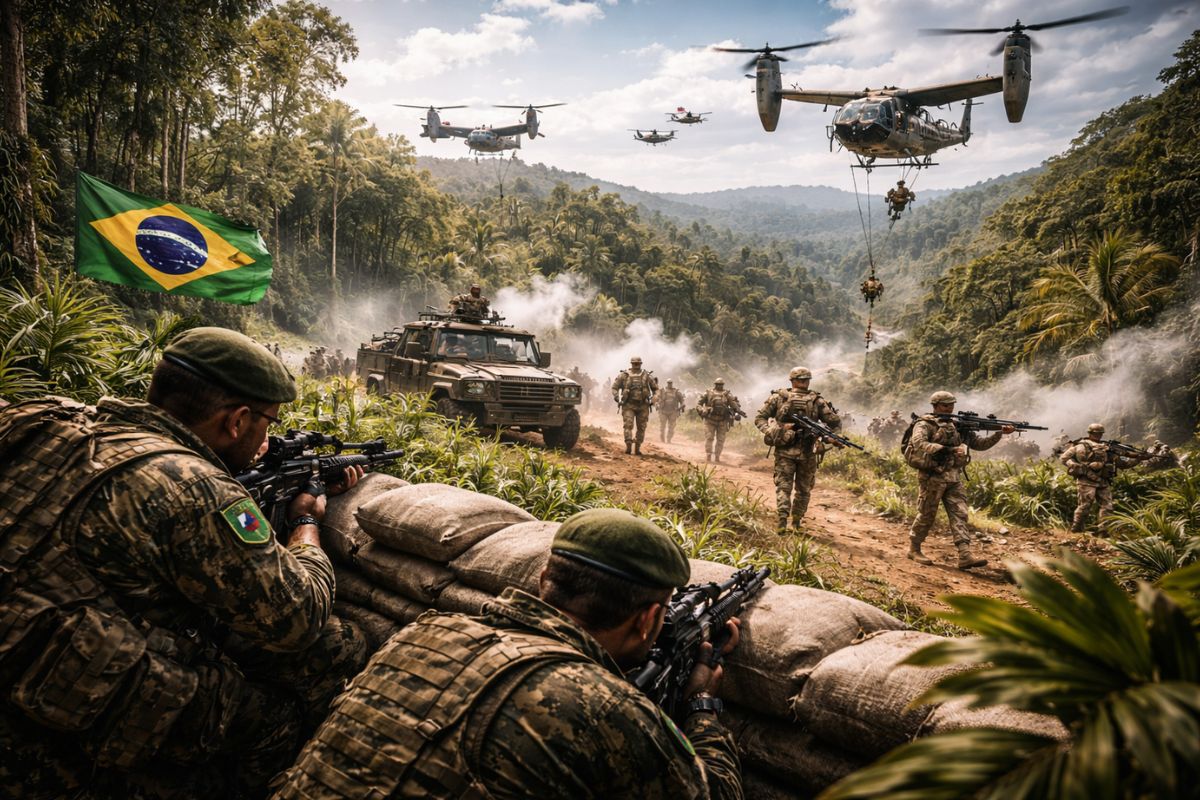
If the USA were to go to war with Brazil, Washington’s greatest fear would not be the attack itself, but facing a vast territory, prolonged resistance, and a costly, chaotic, and unpredictable occupation.
-
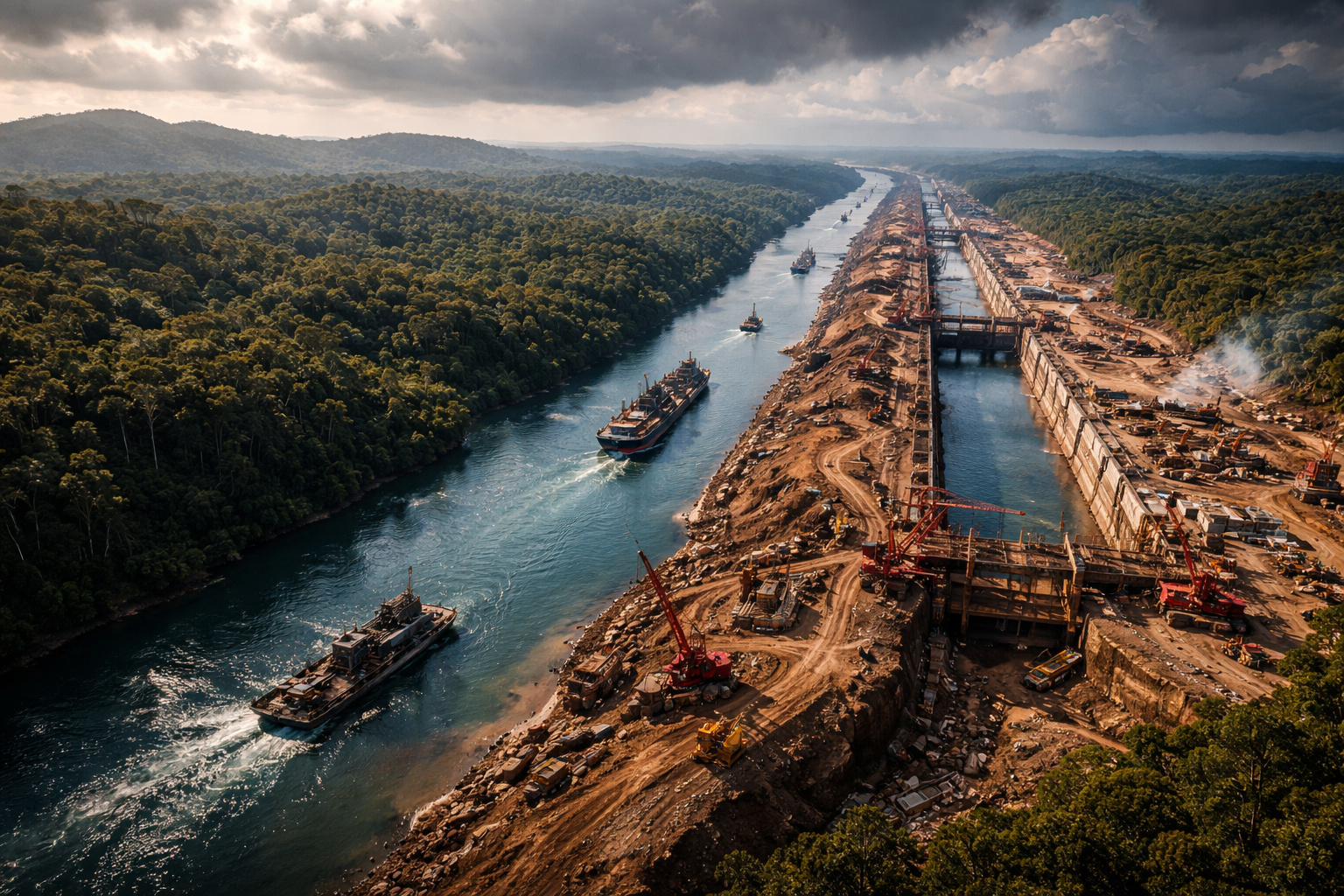
In 2013, Nicaragua sold the concession for a canal to rival Panama to a Chinese billionaire who lost 85% of his fortune, disappeared, and was declared bankrupt. Now the project resurfaces with a new route, a new Chinese partner, and a cost of $64.5 billion.
-
The USA announces a mysterious billion-dollar vault project to store critical minerals, but what intrigues experts is not just the plan itself, but why Latin America, including Brazil, has entered the center of this global dispute against China.

-
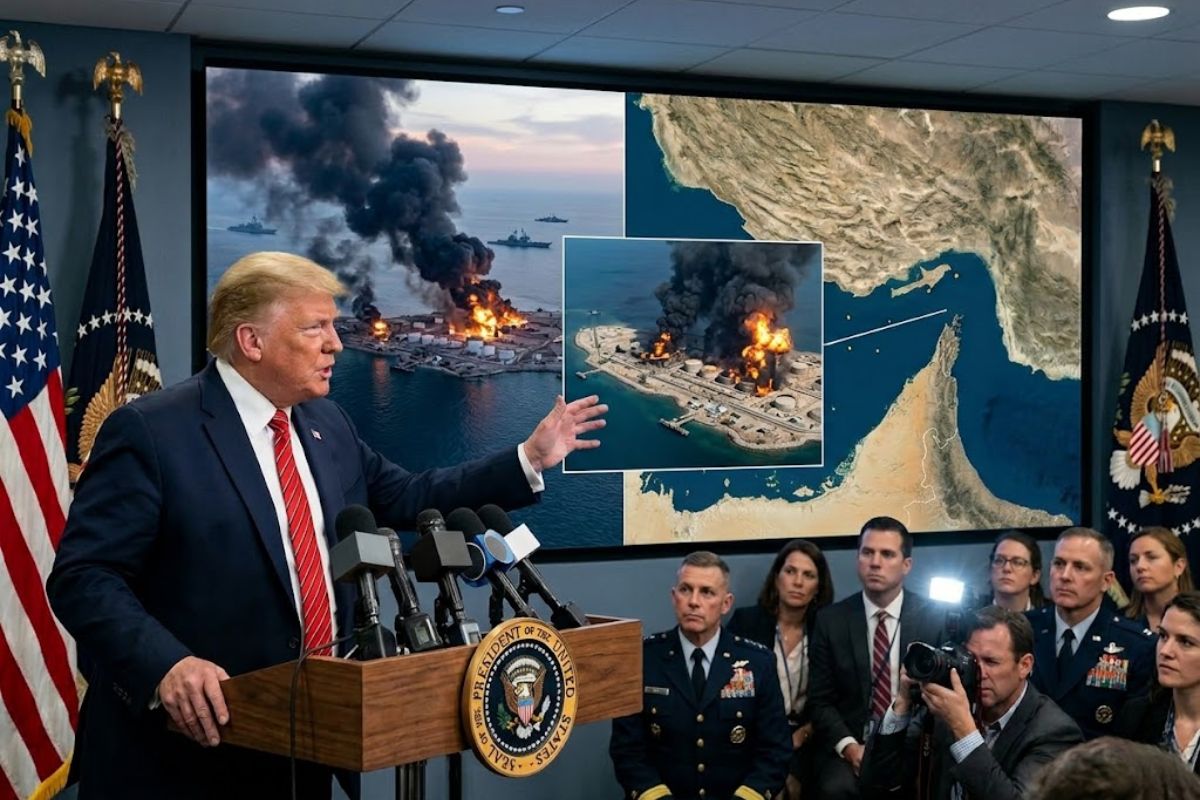
Trump Announces Bombing of U.S. Military Targets on Iranian Island Responsible for About 90% of Iran’s Oil Exports, Warns of Further Attacks if Navigation in Strategic Strait of Hormuz Is Threatened
This initial reaction suggests a posture of restraint, with an emphasis on patriotism rather than an open call for reprisals.
The official Iranian position, conveyed by the Foreign Ministry, condemned the attack but indicated that Iran “reserves the right to defend itself.” This language, which is more rhetorical than practical, points to the need to balance a firm stance without committing to direct conflict.
However, among political circles in Iran, especially among hardliners, the view is that the Israeli attack necessitates a firmer response. Amir-Hossein Sabeti, an ultra-conservative parliament member, expressed dissatisfaction with the lack of an immediate response, suggesting that the ideal opportunity for retaliation would be while Israel is already facing conflicts with Lebanon and Gaza.
Internal Debate: Retaliation or Prudence?
In Iran, a clear divide between moderates and hardliners shapes the debate on the best form of response. Since the election of reformist President Masoud Pezeshkian, there has been an attempt to improve relations with the West, which implies avoiding direct military confrontations.
On the other hand, the more conservative wing sees any hesitation as a sign of weakness, which could compromise national security in the long run.
Sadegh Zibakalam, a former university professor and well-known political analyst, argues that caution is the better path. He believes that the U.S., Israel’s allies, managed to limit the attack to avoid an Iranian response, which he interprets as an American diplomatic triumph. He suggests that an impulsive reaction could give the U.S. and Israel an excuse to justify a broader response.
Popular Appeals and Operation Promise
On social media, many Iranians are calling for a direct retaliation, referencing “Operation Promise 3″—alluding to previous operations in response to Israeli attacks. Iranian public opinion, particularly among the youth, expresses frustration with the government’s restraint.
In contrast, some citizens believe that any retaliatory action would worsen the situation, given the presence of American defense systems in the region.
Ebrahim Rezaei, a member of the National Security and Foreign Policy Commission, downplayed the attack, calling it “empty noise.” This rhetoric reflects the view of those who prefer to avoid escalation, keeping the focus on the superiority of Iranian defenses.
Regional Reactions and Gulf Solidarity
On the diplomatic front, Iran has managed to mobilize a network of solidarity among Gulf neighbors. Countries like Oman, Saudi Arabia, and the United Arab Emirates have issued supportive statements condemning the attack. Badr Albusaidi, Oman’s Foreign Minister, highlighted concerns about the violation of sovereignty and pointed to the need to address the “root causes” of the conflict, including the occupation of Palestinian territories.
This Arab solidarity, however, may be fleeting if Iran decides to escalate the conflict. Both Saudi Arabia and the United Arab Emirates avoided directly mentioning Israel in their statements, indicating that any support will depend on Iranian restraint.
Military Considerations: Measuring the Consequences
From a military standpoint, Iranian authorities are attempting to assess the damage objectively, avoiding exaggeration. So far, two soldier fatalities have been reported, but the government has ordered restrictions to prevent the publication of photos or videos from the affected areas.
Military experts assert that Iranian air defenses performed well in the confrontation, which is a point of pride for the government. Analysts, like Shahabeddin Tabatabaei, state that the Iranian response demonstrated the country’s capacity to defend its territory without external assistance.
However, a new Iranian action could provoke a response from American defense systems, increasing the chances of a direct conflict between Iran and the U.S.
The recent history, such as the Israeli attack in April on the Iranian consulate in Syria and the subsequent Iranian retaliations, shows a sequence of attacks and responses that could spiral out of control at any moment.
History of Conflicts and New Escalation
The sequence of events between April and October this year has already led to several exchanges of attacks. In April, Iran launched the “True Promise Operation 1,” in retaliation for the Israeli attack in Damascus. In response, Israel conducted limited strikes on an Iranian nuclear facility, while in July, leaders connected to Hamas and Hezbollah, Iran’s allies, were assassinated. This situation culminated in the “True Promise Operation 2,” in October, with 200 missiles fired at Israel.
This ongoing escalation puts pressure on President Pezeshkian, who is trying to avoid direct military conflict, relying on U.S. assurances for peace negotiations. However, Iran remains skeptical about the effectiveness of future negotiations, especially considering the failure of Western promises following the assassination of Iranian leaders.
Future of the Conflict: Escalation or Diplomacy?
The outlook for the coming days remains uncertain. The resumption of peace negotiations on Sunday and the possibility of Israel seeking a pause in conflicts in Lebanon may indicate a chance for diplomacy. However, internal pressure in Iran, especially from hardliners, could lead to a more aggressive response.
If Iran decides to act militarily, an international reaction is inevitable, especially with the presence of American defense systems in the Gulf. The White House, in turn, wishes to avoid any new conflict on the eve of elections.
Despite the moderate tone of the Iranian government, the possibility of retaliation remains a central issue in political circles. Some believe that a calculated action could bolster Iran’s prestige in the region, while others see it as an opportunity to strengthen diplomacy.
A Delicate Balance
The dilemma for Iran is evident: how to ensure national security and dignity without risking a wider conflict? In an environment where any action can be interpreted as weakness or provocation, the Iranian government faces challenges both internally and externally.
The upcoming decisions from Tehran will have a significant impact on the future of the Middle East, testing the ability of its leaders to navigate domestic and external pressures. For the Iranian people, there remains hope that the country finds a path that guarantees peace and security without new confrontations.







Seja o primeiro a reagir!