





 Portuguese
  English
  Spanish
  4 min of reading
  0 comments


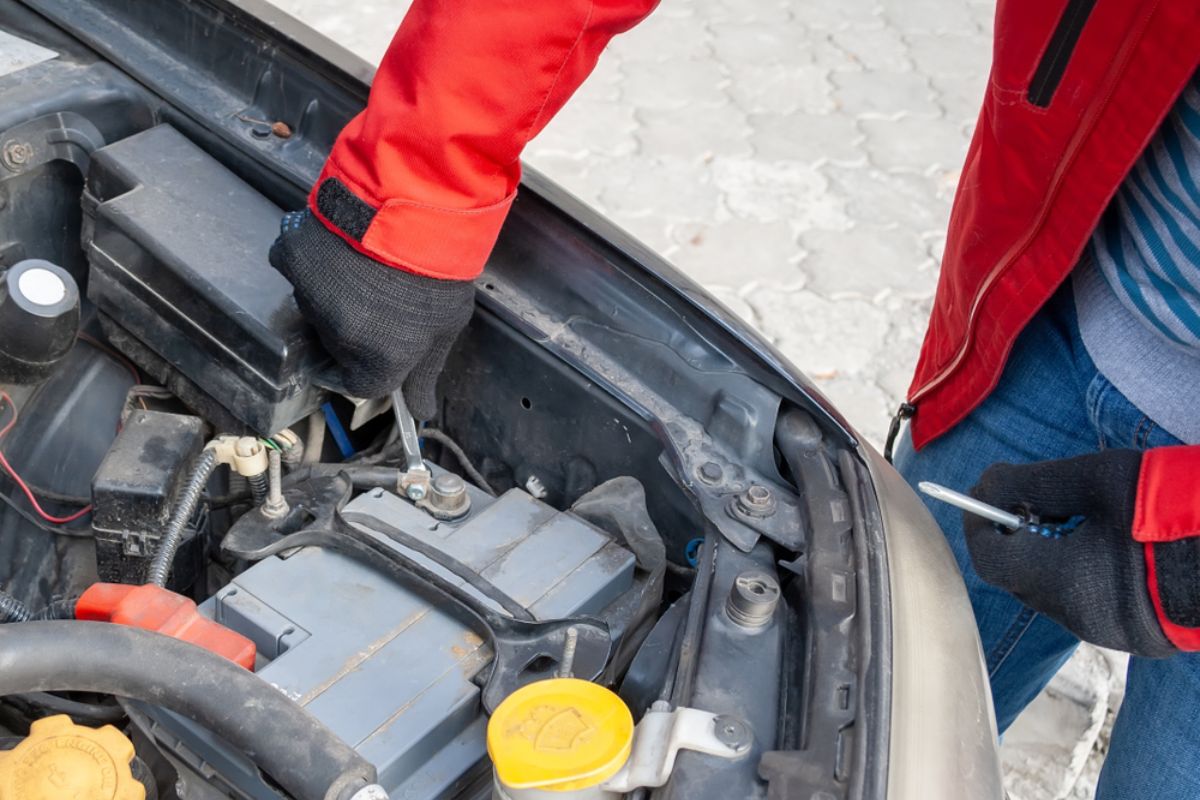
Learn The Correct Order To Remove And Reinstall The Car Battery Cables. Following This Procedure Is Crucial For Your Safety And To Avoid Electrical Damage To The Vehicle.
Knowing how to disconnect and connect the car battery correctly is fundamental knowledge for any vehicle owner. Whether for simple maintenance, to prevent the battery from draining in cars that sit idle for long periods, or in emergency situations, following the correct order of the cables is essential to avoid dangerous short circuits and ensure the integrity of the electrical system.
Many have heard the crucial advice: “remove the negative cable before the positive.” But why is this order so important? This article explains the basic operation of automotive electrical systems and details the safe step-by-step process to deal with the car battery.
The Basic Electric System Of Your Car Before Handling The Car Battery
To handle the car battery safely, it is necessary to understand the basics of its electrical system. All positive components of the car are connected to the positive terminal of the battery, either directly or through the fuse box. The negative cables function as grounding: the negatives of the components are connected at various points of the chassis of the vehicle.
-
Chevette with cooking gas: How the gas cylinder ends up being used in cars clandestinely and why this makeshift solution can result in leaks, explosions, damaged engines, and seized vehicles.
-
Fiat launches the new 2027 Toro hybrid with 48V, 176 hp, an electric motor of 15.5 hp, a 0.85 kWh battery, up to 7% fuel savings, 8% fewer emissions, and possible exemption from IPVA.

-
Used automatic cars from Hyundai that are reliable, offer comfort, good performance, and cost between R$ 45,000 and R$ 75,000.

-
Electric car surprises on the Transamazon Highway as it tackles a mud pit; Saveiro and Hilux get stuck and need to be pulled out, while a milk truck crosses alongside with ease and draws attention.


The car chassis itself acts as an extension of the negative cable, and all these grounding points converge to the negative terminal of the car battery. This means that the entire metallic body of the vehicle has a negative potential.
Why Always Disconnect The Negative Cable First From The Car Battery?
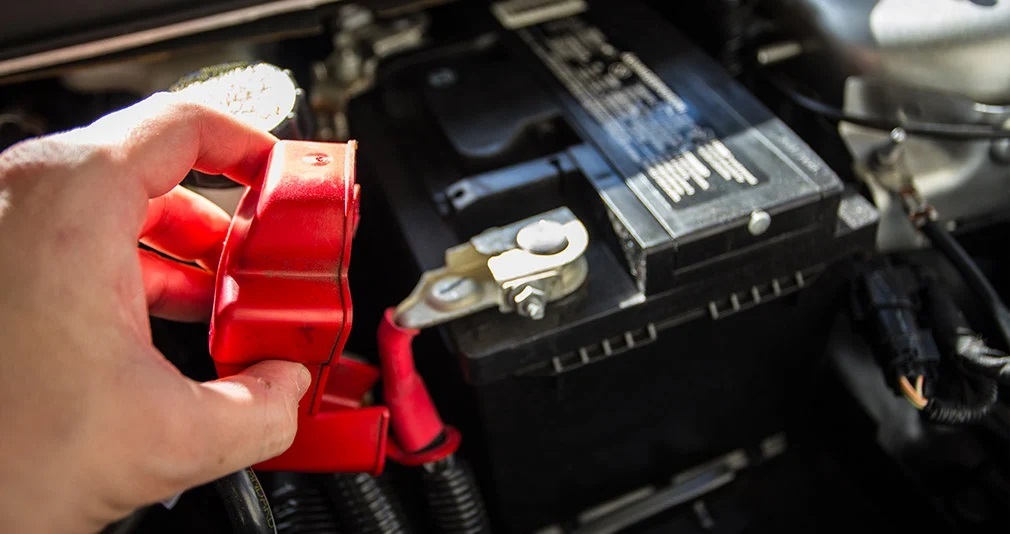
The correct order to disconnect the car battery is a matter of safety. Always remove the negative cable first. The reason is simple: since the entire chassis of the car is negative, if you are loosening the negative terminal and the tool accidentally touches the body, it won’t be a problem, as both have the same potential.
After removing the negative cable and keeping it away from the car battery to avoid accidental contact, you can then remove the positive cable. At this moment, even if the tool touches the chassis while loosening the positive terminal, the circuit will not close, as the negative is already disconnected, preventing a short circuit.
The Serious Risks Of Removing The Positive Cable Before The Negative From The Car Battery
Reversing the order and attempting to remove the positive cable while the negative is still connected to the car battery is dangerous. Remember that, with the negative connected, the entire metallic structure of the vehicle is energized with negative potential.
If, while trying to loosen the positive terminal, the metal tool you are using touches any part of the car chassis (such as the battery mount, the firewall, etc.), you will create a short circuit directly between the positive and negative of the battery. This can generate intense sparks, damage the tool, the battery, and electronic components of the car, as well as pose a risk of personal injury. That is why positive terminals usually have an insulating protective cover.
Important Maintenance Tips
For cars that sit idle for long periods (more than a week), especially older ones that do not have as many sensitive electronic memories, it is advisable to disconnect the negative cable from the car battery. This prevents the battery from draining due to small parasitic draws (like alarms) or potential short circuits.
Additionally, a good grounding is crucial for the functioning of the entire electrical system. Problems such as weak headlights, drop in rotation when turning on accessories, or even the car not starting may be caused by poor grounding. In cars older than 30 years, it is important to check the condition of the wiring harnesses, which may be dry or broken, to protect the car battery and avoid shorts that could lead to fires.
The Safe Order To Re-Energize Your Vehicle And Avoid Problems


When reconnecting the car battery, safety remains paramount. The procedure is the reverse of disconnection: first connect the positive cable to the positive terminal of the battery and tighten it securely. Only then, connect the negative cable to the negative terminal of the battery and secure it.
Following this order (positive first, then negative) when reconnecting minimizes the risk of accidental short circuits if the tool touches the body while you tighten the positive terminal, as the grounding circuit will not yet be complete.










Seja o primeiro a reagir!