





 Portuguese
  English
  Spanish
  5 min of reading
  0 comments


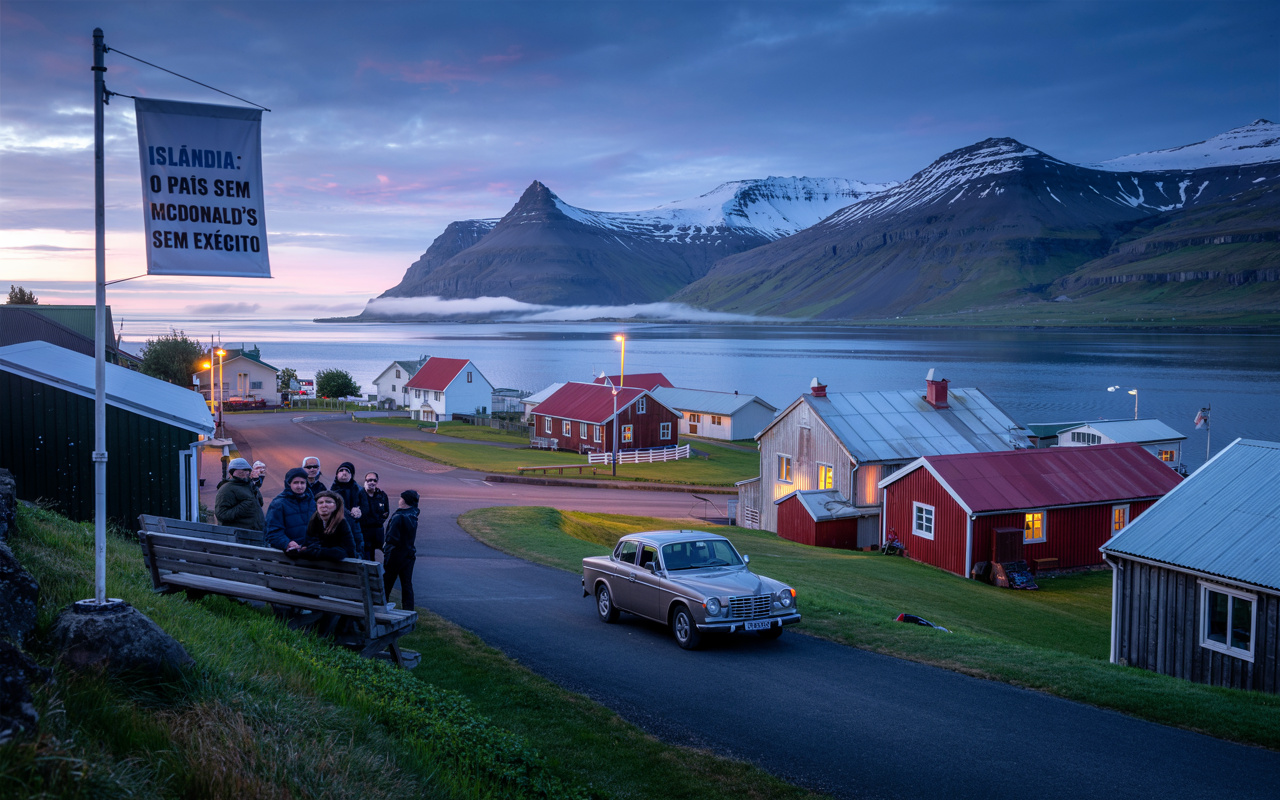
Discover How Free Healthcare, Free Education, and Free Electricity Work in Iceland. Meet the Safest Country in the World, Without an Army and Without McDonald’s, Where Safety in Iceland and Quality of Life Surprise Visitors and Residents
Iceland is frequently cited as one of the countries with the best quality of life in the world. With fewer than 400,000 inhabitants, the Nordic country adopts public policies focused on collective well-being, sustainability, and security. In times of social inequality, insecurity, and inadequate public services in much of the world, the small island in the North Atlantic draws attention for offering free healthcare and education, clean energy at almost no cost, exemplary public safety — and no McDonald’s outlets.
Iceland Without McDonald’s and Without an Army: Choices That Reflect Values
The absence of McDonald’s in Iceland is no mere coincidence. The fast-food chain left the country in 2009 during the global financial crisis. Although it could have returned later, the chain did not come back — and many Icelanders do not even miss it.
The preference for local, natural, and sustainable foods supersedes the consumption of ultra-processed products, reinforcing the population’s healthy lifestyle.
-
The Argentine government celebrates the lowest poverty rate in 7 years, but experts warn that the methodology has changed, real wages have fallen, unemployment has risen, and the number of people on the streets of Buenos Aires has increased by 57% since Milei took office.

-
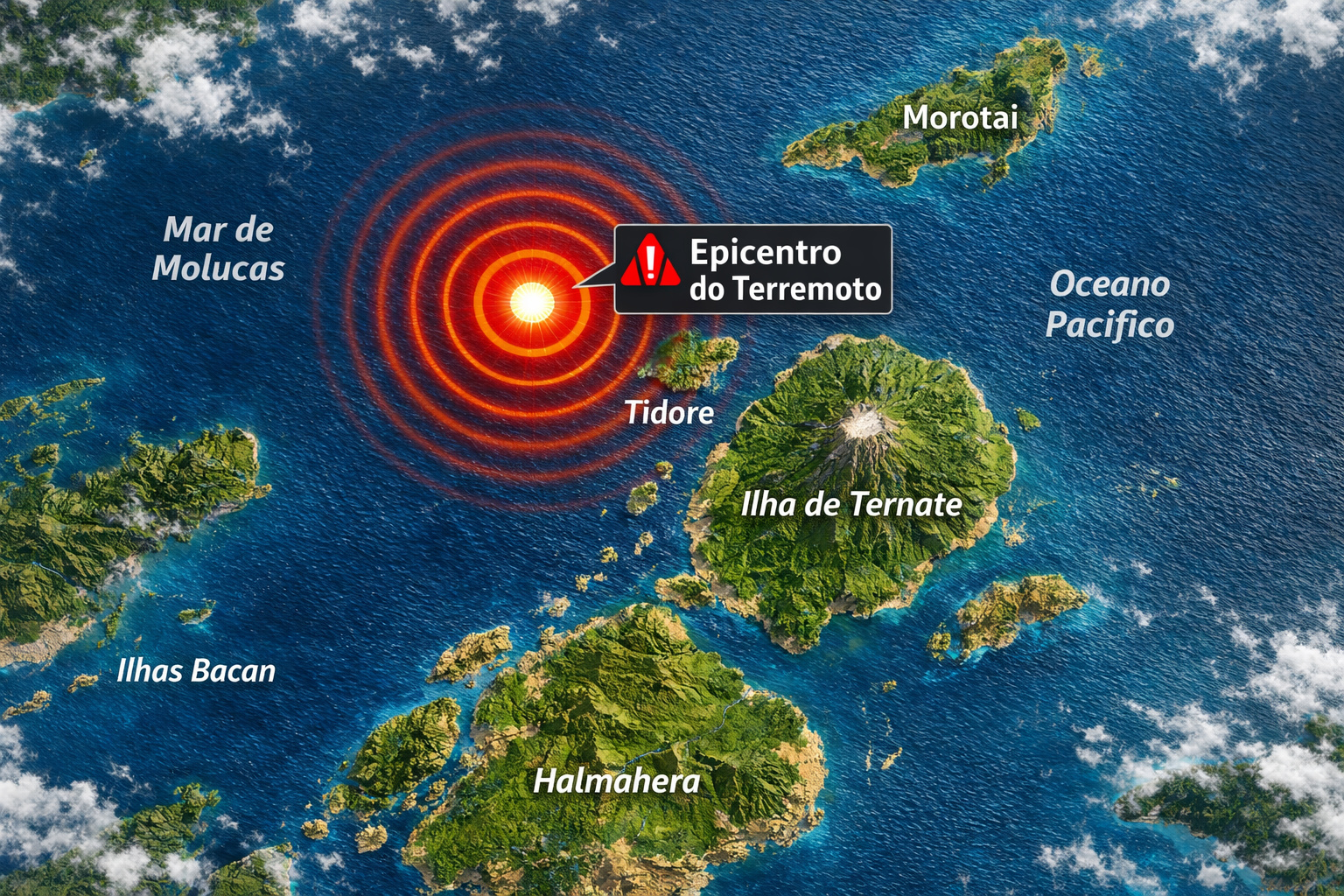
7.8 magnitude earthquake in Indonesia frightens the population, triggers tsunami alert, and hits an island with over 200,000 inhabitants this Thursday.
-
Google will finally let you change that embarrassing Gmail address you created in your teenage years without losing any accounts, logins, or old emails: the feature is already available in the United States.

-
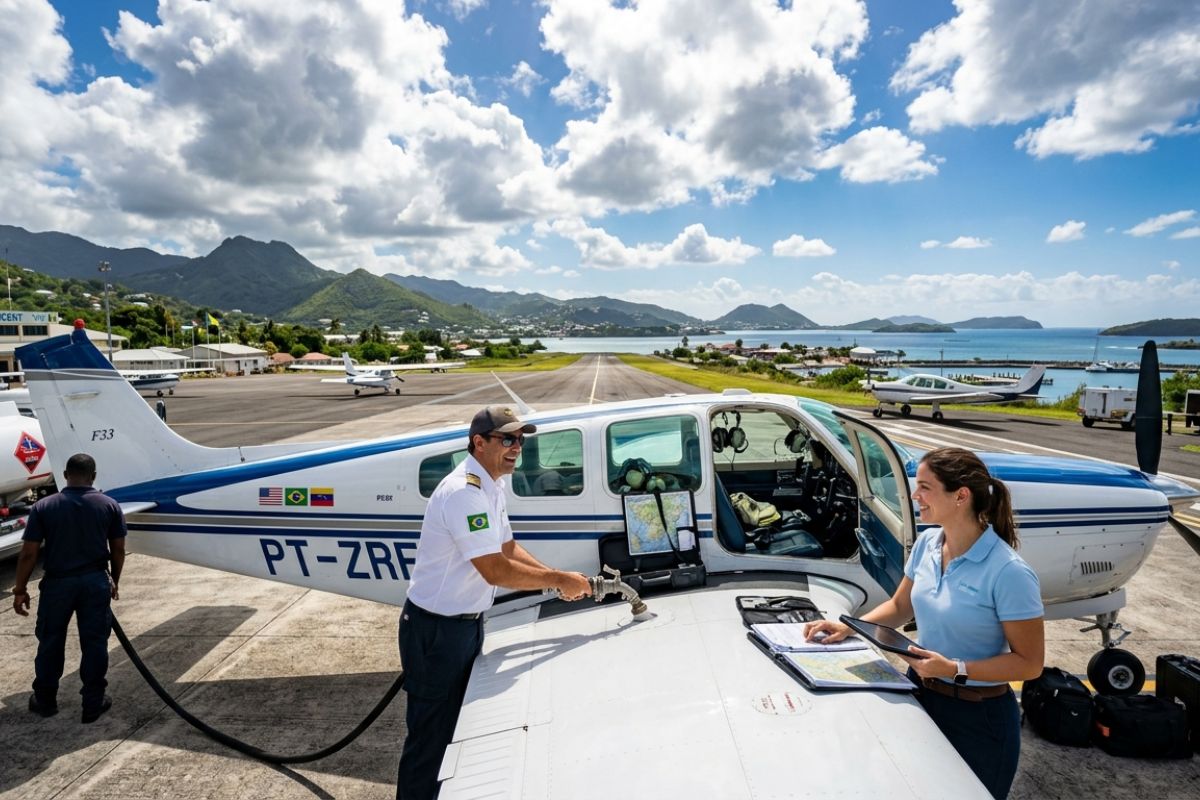
Heading to Brazil in a Bonanza F33 single-engine aircraft: a couple departs from Florida on a visual flight, makes technical stops in the Caribbean to refuel and organize paperwork, and begins the staged crossing until they reach the country.

Another surprising fact is that Iceland has no army. Since its independence from Denmark in 1944, the country has chosen not to maintain permanent armed forces. Instead, national security is ensured through international agreements with NATO and coastal policing. This peaceful policy is rooted in the local culture, which values dialogue, diplomacy, and mutual respect.
Free Healthcare in Iceland: Universal Care Model
Free healthcare in Iceland is funded by taxes and ensures universal access for all citizens. Medical consultations, hospitalizations, and surgeries are available to the population at a very low individual cost. The system emphasizes primary care and invests in prevention.
According to the OECD Health Statistics 2023, life expectancy in Iceland is 82.6 years, one of the highest in Europe. The country also ranks among those with the lowest infant mortality rates and chronic diseases, demonstrating the effectiveness of its healthcare system.
Free Education in Iceland and Focus on Social Development
Free education in Iceland is guaranteed from basic level to higher education. Public schools are widely accessible and prioritize critical thinking, creativity, and respect for diversity. The literacy rate in the country is 99%, and the educational system is considered one of the most inclusive in the world.

Higher education is also accessible: universities such as the University of Iceland do not charge tuition fees for Icelandic students and EU citizens, only charging small administrative fees. The aim is to ensure that no one stops studying for financial reasons.
Free Electricity in Iceland: Clean and Accessible Energy
Although the term free electricity in Iceland is a simplification, it accurately describes the fact that electricity costs in the country are among the lowest in Europe. This is because 100% of Iceland’s electricity matrix is composed of renewable sources, primarily geothermal and hydroelectric energy.
According to available data, the country produces significantly more clean energy than it consumes, attracting data centers and cryptocurrency mining operations seeking abundant and sustainable electricity. For citizens, this translates to low electricity bills and efficient heating throughout the harsh winter.
Safety in Iceland: The Safest Country in the World
Safety in Iceland is one of the highest in the world. Since 2008, the country has led the Global Peace Index by Vision of Humanity as the safest country in the world.
The homicide rate is below 0.3 per 100,000 inhabitants, according to data from the Global Study on Homicide 2023 by the United Nations Office on Drugs and Crime (UNODC) for 2022.
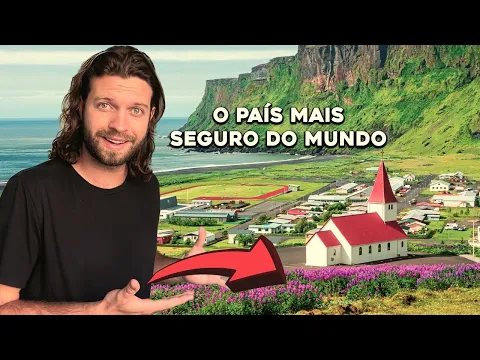
It is common to find unlocked cars and houses with open doors, especially in small communities. The population trusts institutions and each other, which reinforces a culture of respect and collective responsibility. Police officers rarely carry firearms, and armed violence situations are practically nonexistent.
Quality of Life in Iceland: A Global Example
The quality of life in Iceland is the result of a combination of factors: modern infrastructure, efficient public services, a clean environment, low inequality, and legal security.
Iceland ranks among the countries with the highest Human Development Index (HDI) in the world, occupying 1st place in the 2023 UNDP ranking, and is among the top three in the World Happiness Report 2024, reflecting its high level of social well-being and quality of life.
Gender equality is also a highlight: about 47% of the Icelandic Parliament is composed of women. Moreover, the country has equitable parental leave policies and effective measures against domestic violence. The poverty rate is among the lowest in Europe, and social mobility is high.
A Lifestyle Connected to Nature and Community
The Icelandic culture deeply values nature and the common good. The country has more than 30 active volcanoes, geysers, glaciers, and unique landscapes that are protected by strict environmental laws. The tourism economy is managed with a focus on sustainability, and the government encourages ecological practices in all areas.
The lifestyle is simple yet functional. The local diet, based on fish, lamb, and vegetables grown in geothermal greenhouses, reflects a commitment to health and sustainability. The absence of chains like McDonald’s symbolizes society’s preference for a balanced and less consumerist life.
What the World Can Learn from Iceland
More than just an exotic tourist destination, Iceland is an inspiring model of how public policies can be structured around social well-being.
The combination of free education, efficient public healthcare, clean electricity, absence of an army, and a high level of safety demonstrates that it is possible to build a fairer, sustainable, and happier society.
Although not all nations can replicate the geographical and demographic context of the island, the principles that support the quality of life in Iceland — such as social justice, citizen participation, investment in education, and environmental preservation — are universal. The Icelandic example challenges the idea that development is based solely on economic growth, proving that it is possible to achieve prosperity by prioritizing the common good.








-

-

2 pessoas reagiram a isso.