





 Portuguese
  English
  Spanish
  4 min of reading
  0 comments


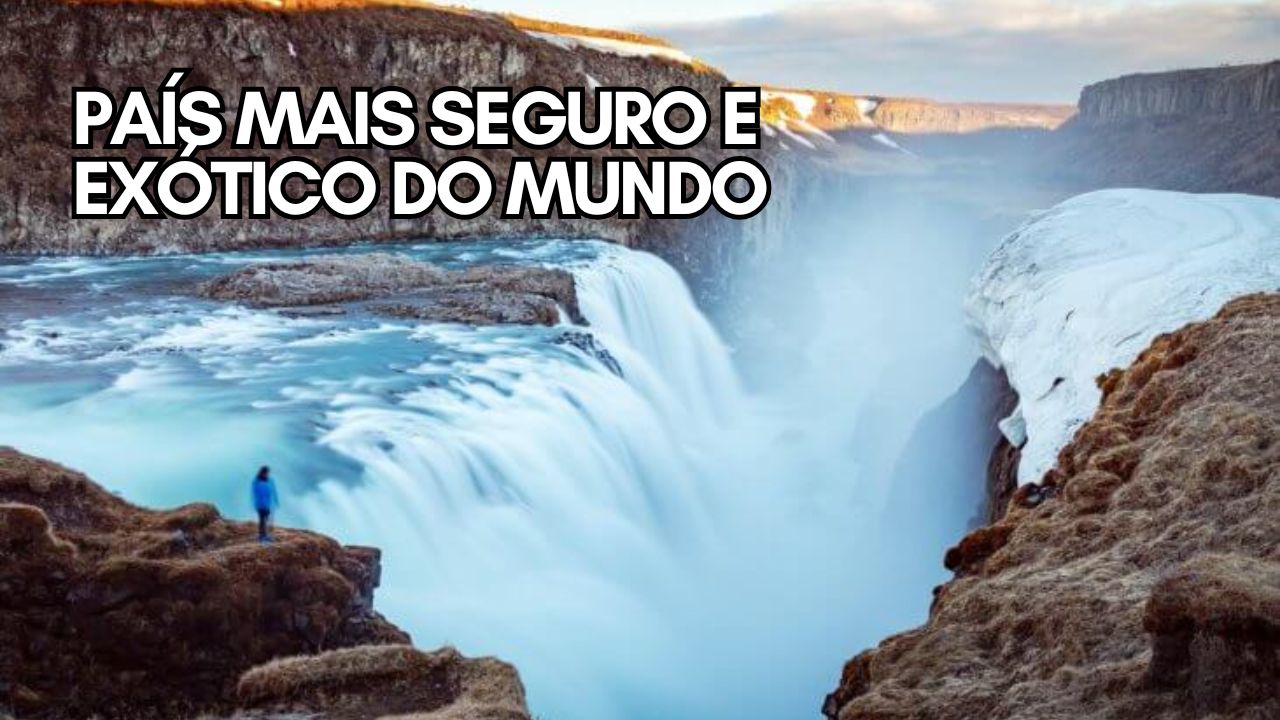
Land of Extremes, Iceland Is a Country Where Volcanoes and Glaciers Coexist, Forming the Most Fascinating Landscape in the World
Known worldwide as the land of fire and ice, Iceland is a country of striking contrasts that hosts extreme natural beauties in one place. On this exotic island, it is possible to find immense glaciers sharing the landscape with active volcanoes, creating a geographical scenario that challenges the imagination of visitors and offers breathtaking views.
In addition to its peculiar geography, the nation lives under intense climatic conditions, with winters without daylight and summers illuminated by the famous midnight sun. These characteristics make the destination one of the most fascinating on the globe, filled with curiosities ranging from the chemical composition of its sands to the surprising local public safety, considered the best in the world.
The Power of Nature Between Volcanoes and Glaciers

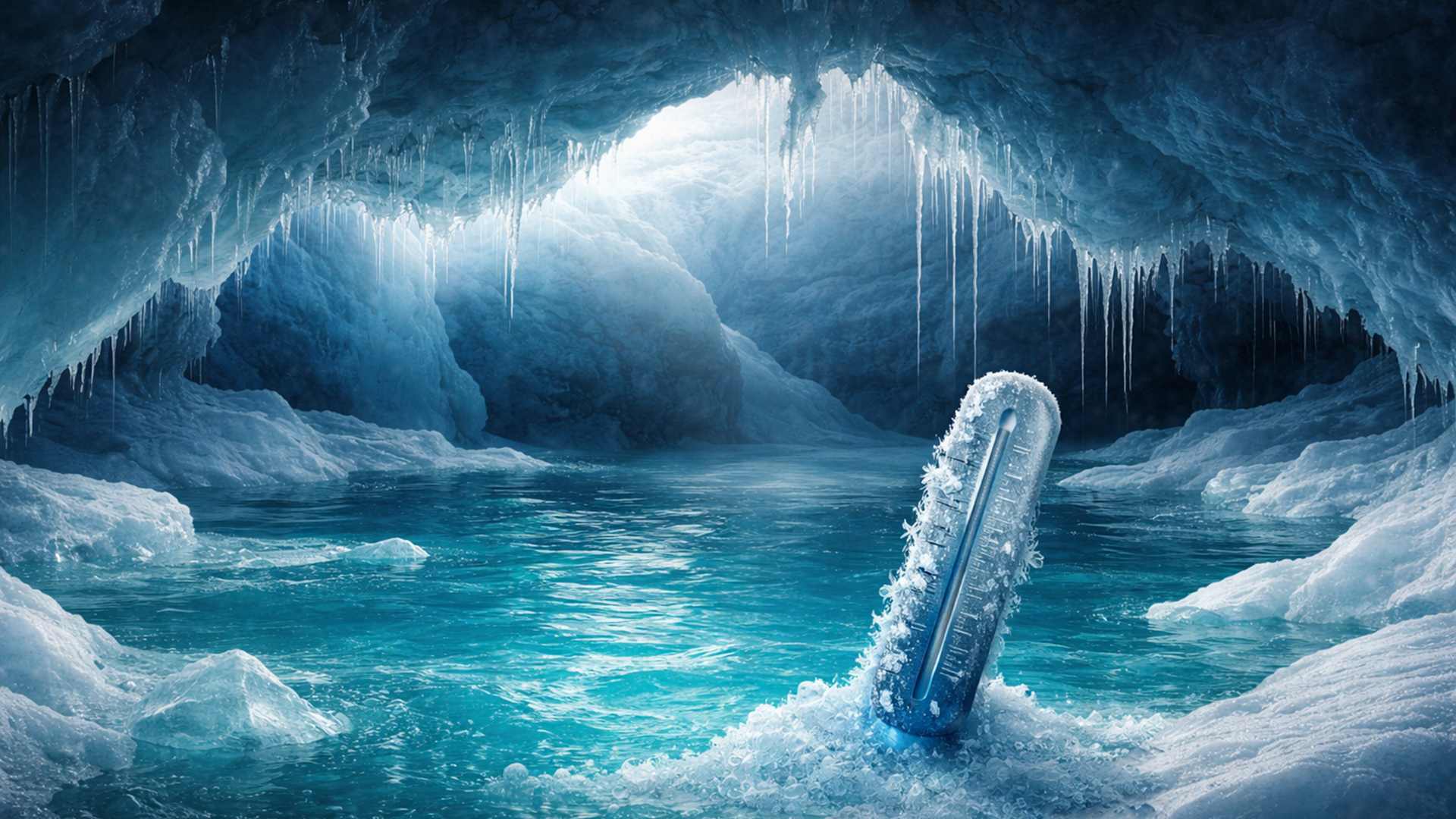
The geography of Iceland is defined by a constant battle between heat and cold. About 11% of the island is covered by glaciers, including the largest in Europe, which is three times larger than Luxembourg.
-
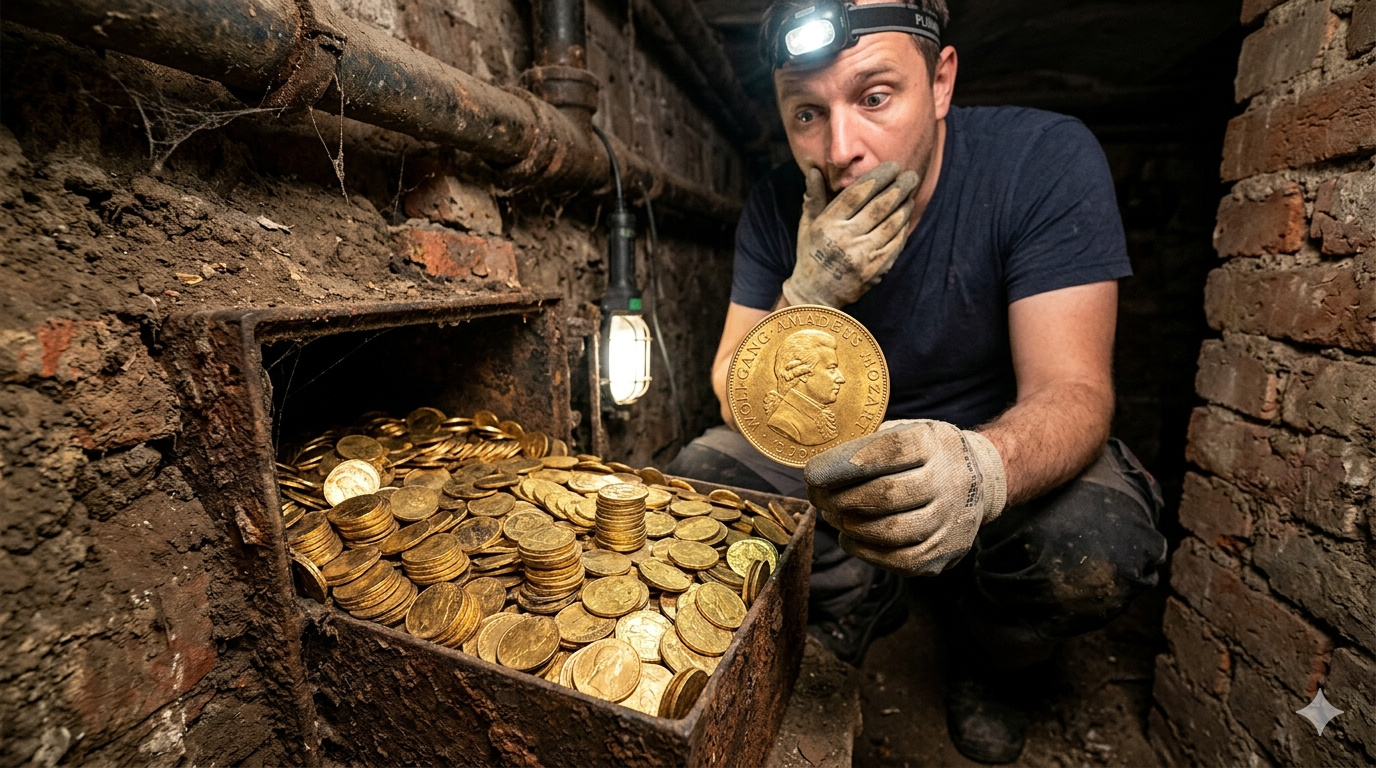
A forgotten cord on the floor of a basement in Vienna leads a plumber to a box containing 30 kilograms of gold with Mozart’s face, hidden before World War II. The treasure, worth 2.3 million euros, was just centimeters away from a worker who ignored the sign a day earlier.
-
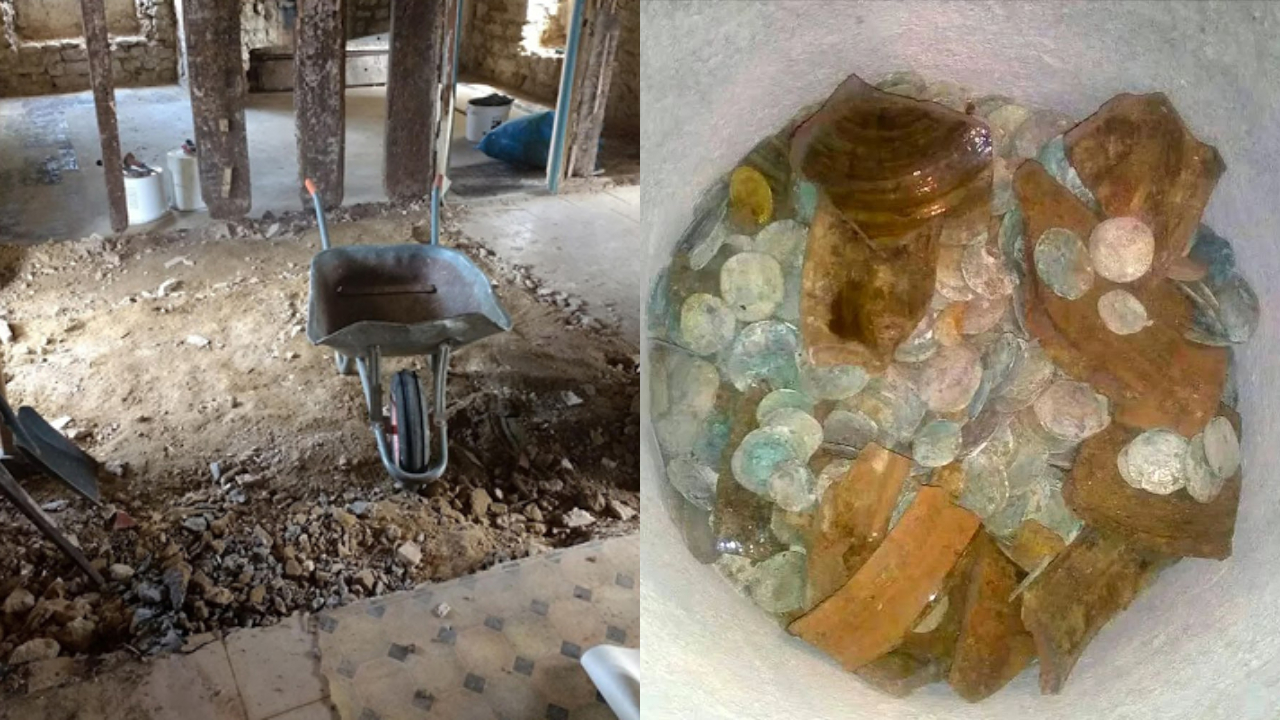
A couple buys an old chalet, breaks the kitchen floor for renovation, and finds over a thousand coins of gold and silver hidden since the English Civil War over 4 centuries ago.
-
Rigid bags with their days numbered: new trend prioritizes comfort in 2026.

-
YouTuber creates an excavator equipped with a giant 4.5-meter sword to challenge his brother to a rematch, and the invention quickly goes viral on social media.


Interestingly, many active volcanoes are located just below these layers of ice. When eruptions occur, usually every three or four years, the melting ice creates new rivers, demonstrating the impressive power of nature in the area.
This volcanic activity is also responsible for the famous black sand beaches. The phenomenon occurs when lava comes into contact with the cold ocean water, solidifying instantly.
One of the most famous beaches is located in a town called Vick, although it is considered dangerous. Another well-known coastal region features the remains of a plane that crashed in the 90s, which remains on-site as part of the landscape.
Pure Water and Absence of Insects
One of Iceland’s greatest prides is the purity of its water resources. The water that supplies the population comes directly from glaciers and reaches the taps without needing any chemical treatment, being considered one of the purest in the world.
In addition to drinking water, the country utilizes geothermal activity to heat pools and rivers, creating natural hot springs frequented by tourists and locals year-round, such as the famous Blue Lagoon.
Another striking fact is the peculiar fauna. Due to low temperatures and the absence of shallow ponds, there are no ants or cockroaches on the island, and it is practically impossible for mosquitoes to breed.
The only native terrestrial wild mammal is the Arctic fox, known for its white fur that serves as camouflage.
Other animals, such as horses and sheep, were brought by humans, with the sheep population being double that of the human population.
The Safest Country in the World and Its Culture
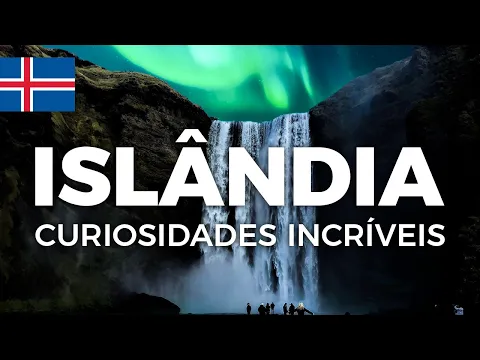

Safety is a fundamental pillar of Icelandic society. For over a decade, Iceland has held the lowest crime rate on the planet.
The sense of equality among the 360,000 inhabitants is so strong that the country has no army, the police do not carry weapons, and the prisons remain nearly empty. The capital, Reykjavik, is home to about 60% of the population and offers a vibrant cultural life with museums and restaurants.
Culturally, Icelanders deeply value literature. The country has one of the highest literacy rates in the world, and the reading habit is encouraged from childhood.
A remarkable fact is that 10% of the population has published a book. Additionally, the Icelandic language is so preserved that natives can read ancient texts, such as the first printed Bible in the country around 1500, without great difficulty, as the language has changed very little over the centuries.
Luminous Phenomena and Endless Days
The location of Iceland on the globe provides unique celestial spectacles. During winter, the long nights create the perfect backdrop for observing the Northern Lights, a light show formed by the interaction of solar particles with the Earth’s magnetic field.
The best time to try to see this phenomenon is between September and March.
In contrast, summer brings the midnight sun. In June, days can last up to 20 hours of sunlight, with the sun rising at four in the morning and setting only at midnight.
This extreme variation in light affects the country’s routine, where it is common to use sunglasses all the time during this period. Whether due to the eternal light of summer or the dancing lights of winter, the island remains an unparalleled destination.
Which of these curiosities about the land of ice did you find most impressive?





-

Uma pessoa reagiu a isso.