





 English
  Francês
  Alemão
  Italiano
  Japonês
  Norueguês
  Portuguese
  Spanish
  5 min of reading
  0 comments


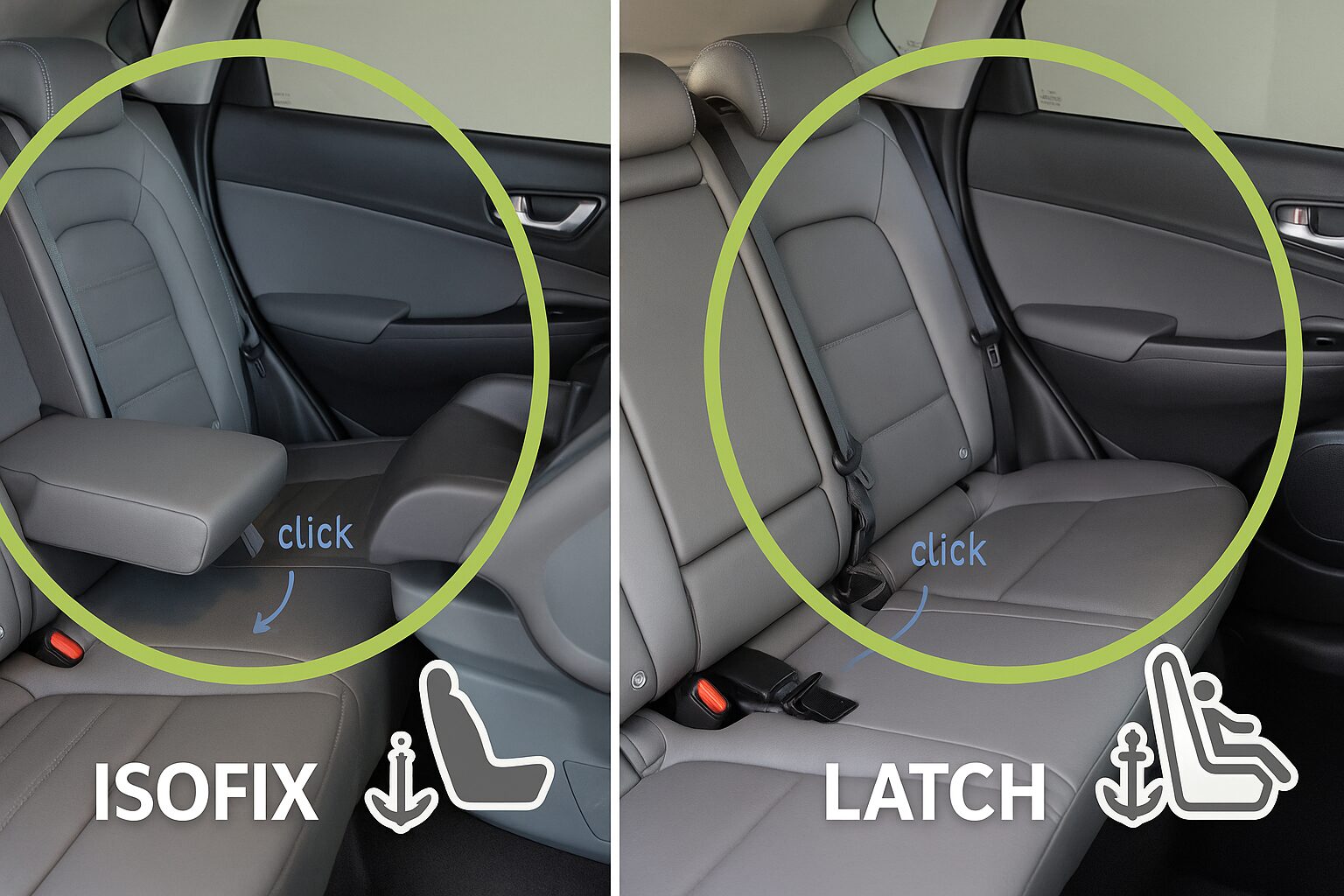
ISOFIX, Top Tether and LATCH Systems Ensure More Child Safety in the Car. Learn How to Use Each One Correctly
Child safety in the car is one of the most concerning topics for parents and guardians. With the increasing number of vehicles on the roads and the importance of protecting children on any trip, properly securing the car seat makes all the difference in the event of accidents. It is in this context that terms like ISOFIX, Top Tether, and LATCH arise — systems developed specifically to facilitate the secure and standardized attachment of child car seats.
But, after all, what is ISOFIX? How does it differ from other systems? And what is the correct way to use it? In this article, we will explain everything you need to know about the main child restraint systems, how they work, which cars are required to have them, and the most common installation mistakes.
What is ISOFIX?


ISOFIX is an internationally standardized child seat attachment system designed to ensure greater safety and ease of installation. The name comes from “International Standards Organization FIX”, meaning an ISO standard that secures the seat directly to the vehicle’s structure.
-
Little sister of the Hilux: Toyota launches Land Cruiser FJ with 4 radical versions, 2.7 engine with 166 hp and 4×4 traction with locking.
-
Fiat retired the ‘unbreakable’ engine that runs over 300,000 km after 40 years, but the models remain among the best-selling in Brazil.
-
VW creates “anomaly” in the market: T-Cross with 1.0 turbo engine is cheaper than its younger sibling, the Tera High.
-
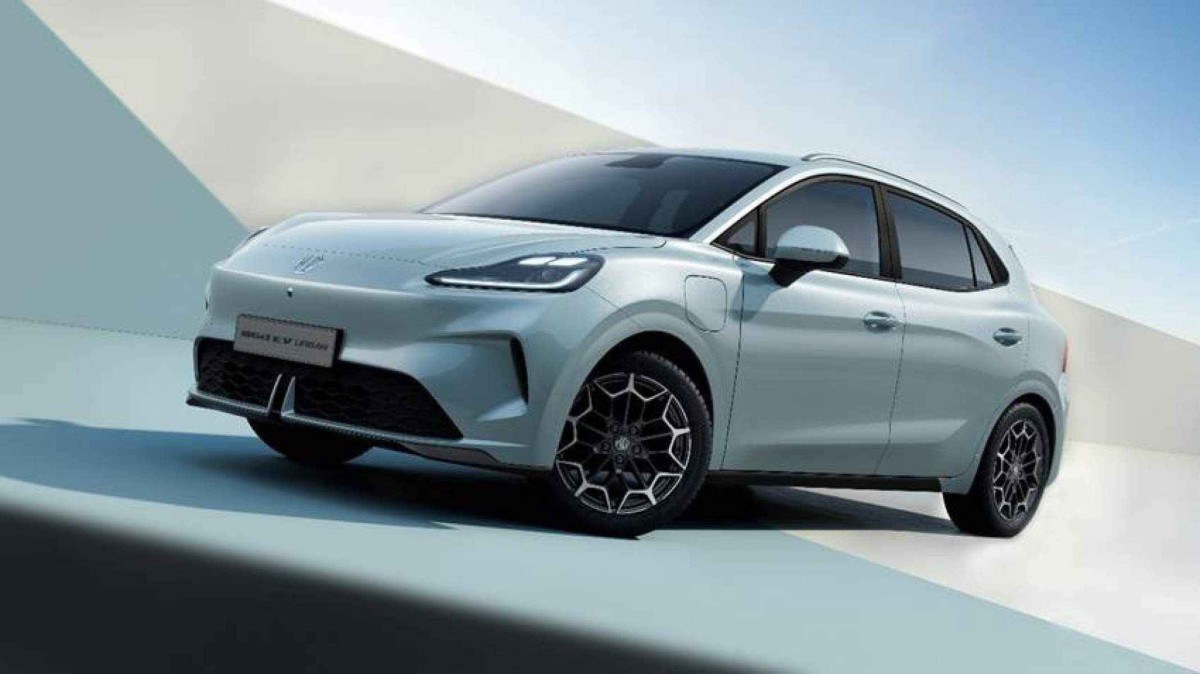
Confirmed in Brazil, the MG4 Urban arrives to firmly enter the competition of compact electric vehicles, challenging the BYD Dolphin and Geely EX2 with more power and range, intensifying a rivalry that promises to heat up even more in 2026.

Unlike the traditional seat belt, ISOFIX secures the seat using rigid metal hooks connected directly to the vehicle’s chassis, without relying on the seat belts. This significantly reduces the risk of installation errors, increasing the child’s safety in the event of a collision.
How the ISOFIX System Works in Practice
- The vehicle must have two fixed metal hooks in the base of the rear seat.
- The ISOFIX-compatible child seat has two arms with latches that fit into these hooks.
- The system emits a click when the installation is done correctly.
- Some models include visual indicators (green/red) to confirm proper fitting.
- The attachment is made directly and rigidly, without using the car’s seat belt.
In addition to the two primary hooks, most modern vehicles also have a third anchorage point called Top Tether, which enhances safety.
Top Tether: What Is It and What Does It Do?
Top Tether is a third attachment point that acts as an “additional belt” secured to the top rear of the car seat. It is anchored to a hook located behind the backrest of the seat (it can be on the floor, backrest, or trunk, depending on the vehicle).
The main function of Top Tether is:
- To prevent the car seat from moving forward in frontal collisions.
- To reduce the risk of neck and head injuries to the child.
This system complements ISOFIX and is mandatory in many countries — including Brazil, for models manufactured from 2018 onwards.
What Is the LATCH System? Is It the Same as ISOFIX?
The LATCH system (Lower Anchors and Tethers for Children) is the American equivalent of ISOFIX. It operates with the same aim: to provide an easier and safer way to secure the car seat.
The difference lies in some technical details:
- In ISOFIX, the hooks are fixed to the car seat, and the car seat has rigid arms for fitting.
- In LATCH, the car seat has straps with clips that attach to the car’s hooks (instead of rigid metal arms).
In Brazil, the ISOFIX system is the officially adopted standard. However, some imported or compatible car seats may also support LATCH, which does not prevent its use — as long as it is installed correctly.
Which Cars Have ISOFIX in Brazil?
Since January 2018, Brazilian legislation requires that all new vehicles sold in the country come equipped with ISOFIX and Top Tether anchorage points for at least two rear seats.
In other words:
- Cars launched after 2018 must have ISOFIX and Top Tether.
- Older models may not have this feature.
- It is possible to check if the vehicle has ISOFIX by consulting the owner’s manual or looking for icons with a car seat on the rear seats.
How to Know if My Car Seat Is Compatible with ISOFIX or Top Tether?
The child seat must be certified and compatible with the ISOFIX system to fit correctly into the car’s hooks. Some car seats offer:
- ISOFIX with Top Tether (more common and safer).
- ISOFIX with seat belt (in some cases, Top Tether may be optional).
- Seat belt only (for cars without ISOFIX).
The Inmetro certification label must be present on every car seat sold in Brazil, and it usually indicates the type of compatible attachment.
What Are the Risks of Securing the Car Seat Incorrectly?
According to vehicle safety studies, over 50% of car seats are installed incorrectly, which completely compromises their effectiveness. Among the most common mistakes are:
- Not securing the ISOFIX properly
- Forgetting to secure the Top Tether (when required)
- Using loose seats, just resting on the seat
- Using a poorly positioned or loose seat belt
These mistakes increase the risk of serious injuries during collisions or sudden stops. Therefore, it is essential to follow the instructions in the car seat and vehicle manual and to conduct tests after installation.
Child Safety in the Car: What Does the Law Say?
In Brazil, the use of car seats is mandatory according to the child’s age and weight, as per the Brazilian Traffic Code (CTB):
- Infant Car Seat: from 0 to 1 year (or up to 13 kg)
- Child Seat: from 1 to 4 years (or between 9 kg and 18 kg)
- Booster Seat: from 4 to 7.5 years (or up to 1.45 m tall)
- Car Seat Belt: from 7.5 years, if taller than 1.45 m
The fine for those who do not use the equipment correctly is R$ 293.47 and 7 points on the driver’s license, in addition to putting the child’s life at risk.
Frequently Asked Questions About ISOFIX, Top Tether and Car Seats
▶ What is ISOFIX and what is its advantage?
It is a system that secures the car seat directly to the car’s structure, without relying on seat belts. It reduces the risk of incorrect installation.
▶ Does every car have ISOFIX?
No. Only those manufactured from 2018 onwards are required by law to have the system.
▶ Can I use an ISOFIX car seat in a car without ISOFIX?
Yes, as long as the car seat also has the option for seat belt attachment. Read the manufacturer’s manual.
▶ What is Top Tether?
It is an extra strap that secures the top of the car seat to the car, increasing stability and safety.
▶ What is the difference between ISOFIX and LATCH?
Both have the same objective. ISOFIX uses metal arms; LATCH uses straps with clips.
Child Safety in the Car Begins with Proper Installation of the Car Seat
Knowing how to correctly secure the car seat in the vehicle is essential for protecting children in the event of an accident. Using the ISOFIX system with Top Tether or, in some cases, LATCH, provides a safe, reliable, and easy-to-install method — especially compared to the traditional seat belt.
Child safety in the car depends on correctly using the right equipment, at the right age, in the right vehicle. And this includes understanding what ISOFIX is, checking if your vehicle is compatible, and not delaying installation.







Seja o primeiro a reagir!