





 Portuguese
  English
  Spanish
  7 min of reading
  3 comments


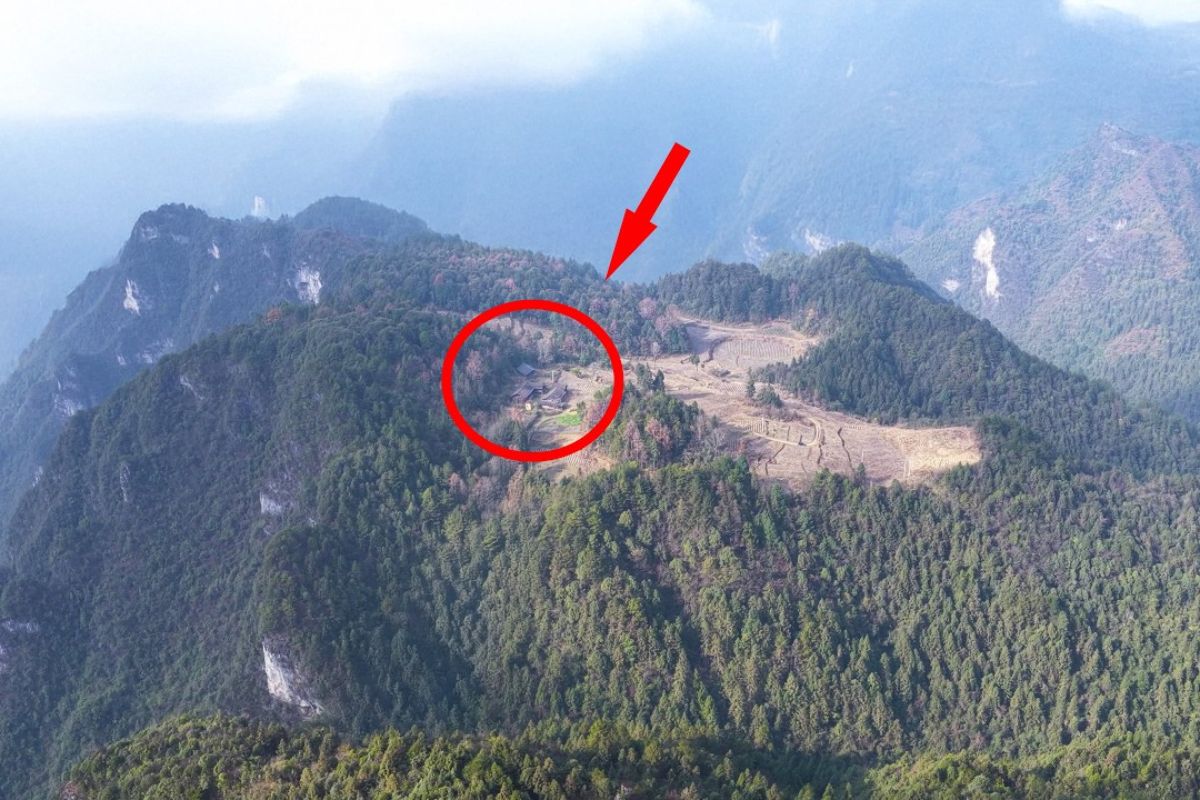


The House In Wuchuan, Guizhou, Is Between 1,200 And 1,300 Meters Above Sea Level, About 2 Km From The Village, With Reclaimed Land, Garden, And Leased Tobacco, Electricity Supplied By Wires, And Potable Water From Well Over Gorge And Steep Road.
In The Mountains Of Wuchuan, Guizhou, A Family Continues To Live Isolated From The World On Top Of A Mountain, Surrounded By High Hills, Long Roads, And Almost No Visible Neighbors. From The Perspective Described As “Drone-Like,” Wooden Houses And A Belt Of Reclaimed Land Emerge In Fragments, With An Estimated Size Of Several Dozen Hectares.
The Account Exposes A Direct Contrast With Rural Exodus: While Ancient Families From The Surrounding Area Moved To Wuchuan And Huangdu, The Main House Remains Active, With Electricity Supplied By Kilometers Of Wiring And Potable Water Obtained From Wells And Watercourses. It Is A Permanence That Mixes Self-Sufficiency, Agricultural Leases, And Constant Maintenance To Avoid Losing What Is Still Standing.
The Hike To The Summit And The Access Logistics

The Displacement Helps To Understand Why The Expression Isolated From The World On Top Of A Mountain Is Not A Metaphor.
-
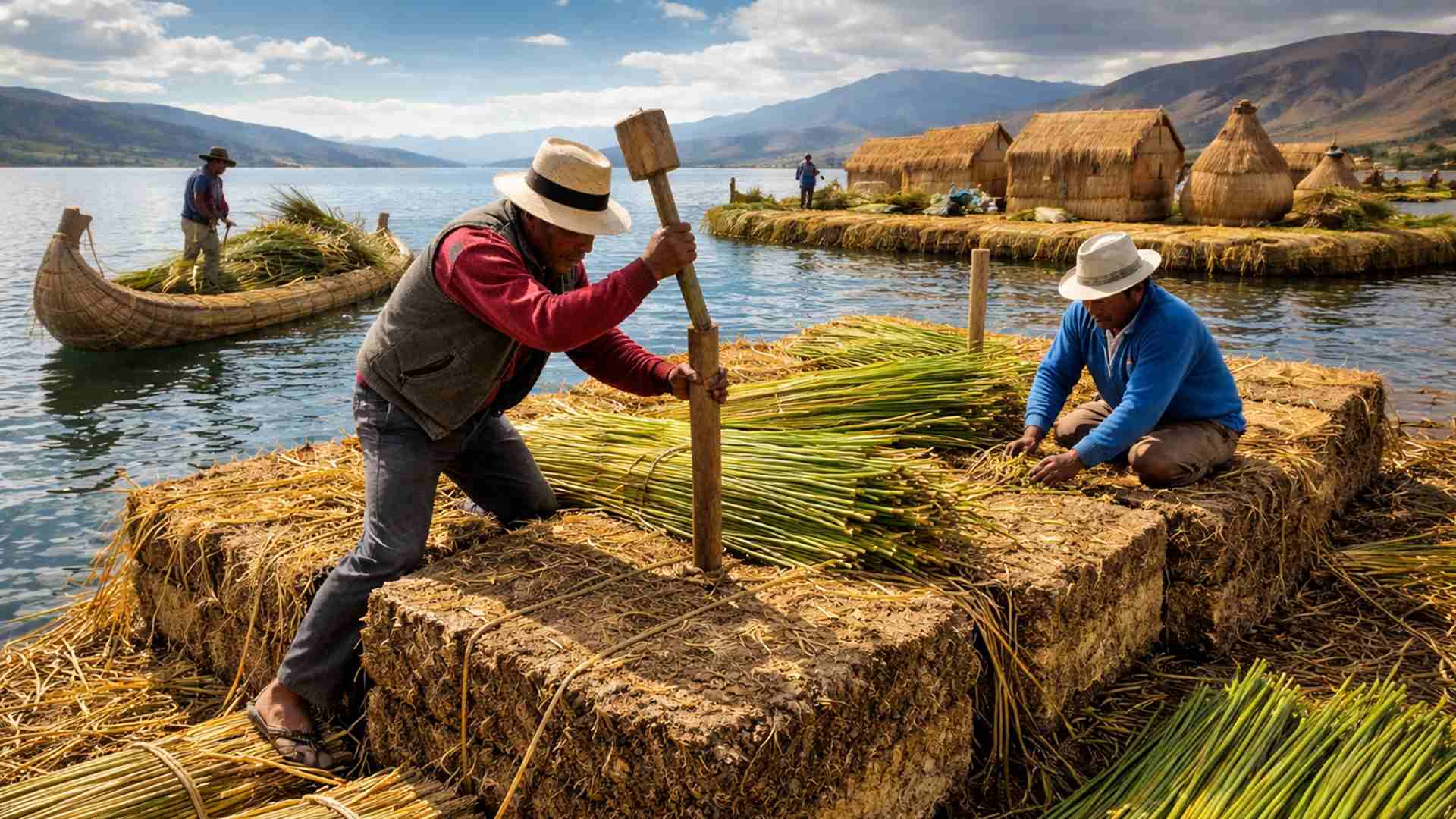
How to build a floating island from scratch with reeds, giant blocks, and stakes in the lake in a process that needs to be repeated almost every day.
-
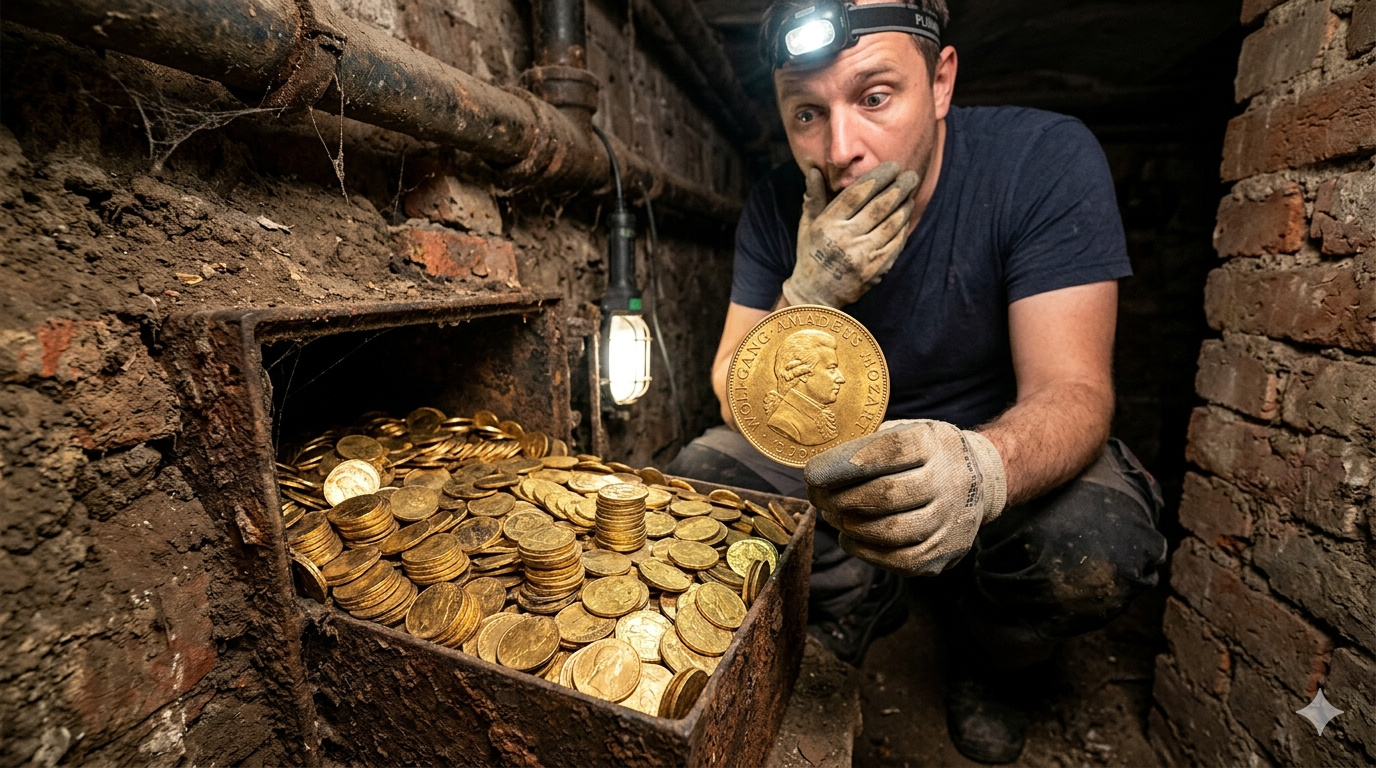
A forgotten cord on the floor of a basement in Vienna leads a plumber to a box containing 30 kilograms of gold with Mozart’s face, hidden before World War II. The treasure, worth 2.3 million euros, was just centimeters away from a worker who ignored the sign a day earlier.
-
A couple buys an old chalet, breaks the kitchen floor for renovation, and finds over a thousand coins of gold and silver hidden since the English Civil War over 4 centuries ago.

-
Rigid bags with their days numbered: new trend prioritizes comfort in 2026.


The Visit Begins With The Intention Of Arriving By Car, But The Bumpy Road Limits Progress: The Vehicle Only Covers Part Of The Journey And The Ascent Becomes A Hike, With The Starting Point Still About 1 Kilometer From The Destination.
Along The Way, The Terrain Alternates Between Loose Stones, Gravel, And Sections That “Seem To Have Been Recently Excavated,” Suggesting Ongoing Work To Prepare For Cement.
The Difficulty Is Not Just Discomfort.
The Path Passes Through Ravines, A “Link Point Between Two Mountains,” And A Ramp Described As Very Steep, With An Incline Stated As 70 To 80 Degrees.
In Some Parts, The Assessment Is Practical: Tires Slip On The Dirt Road And Gravel, And Access Depends On Walking Or, When Possible, More Suitable Vehicles, Such As Trucks Or Tricycles.
Electricity Kilometers Away And Wires Crossing The Gorge

Electricity Appears As The Most Visible Infrastructure Of The Permanence.
Wires And Poles Follow The Terrain And Cross A Gorge To Reach The Top, In An Arrangement Described As “Especially Organized” For The Family.
The Distance Data Gives Scale To The Work: The House Is About 2 Kilometers From The Nearest Village, And The Network Must Overcome The Broken Terrain To Keep The Lighting And Equipment Running.
The Resident Reinforces The Impact With A Direct Statement: He Claims “Never To Be Out Of Power.”
Electricity Also Connects To Concrete Daily Tasks, Such As Roof Repairs, The Use Of A Pump, And Maintenance Of An Area Where Part Of The Houses Is Empty, But Still Receives Repairs To Prevent Collapsing Completely.
Potable Water, Wells, Ditches, And The Idea Of “Never Running Out”

Potable Water Is Presented As The Basic Guarantee Of The Place.
The Resident Claims To Have Easy Access To Potable Water And Points Out Nearby Wells, Besides Two Water Streams.
The Technique Described For Irrigation Is Simple And Recurring: Open Ditches To Direct The Flow To The Fields, In A Gravity Canalization Logic.
There Is Also A Mechanical Component: He Mentions The Use Of A Pump To Pump Water And Mentions A Container With A Capacity Of 3 Tons, Associated With Management And Transportation.
In The Narrative, Potable Water Is The Central Argument To Explain Why Ancestors Would Have Chosen That Summit And Why The Family Continues To Sustain The House Isolated From The World On Top Of A Mountain Even As The Surroundings Empty.
Reclaimed Land, Planting Mosaic, And The Cited Number Of 60 Mu
The Agricultural Scene Is Described As A Mosaic: Reclaimed Land In Large Extents, But Fragmented At The Top, With Areas Distributed Around The Houses.
The Size Appears In Two Scales. One Is Broad, With “Several Dozen Hectares.”
The Other Is Localized: The Lands “Right In Front Of The Gate,” Cited As Adding Up To More Than 60 Mu And Described As Easy To Cultivate Since They Are Next To The House.
What Is Planted Also Appears In A Sequence Of Observation: Potatoes With New Sprouts, Corn Packed In Many Baskets, Radishes, Green Onions, Garlic Sprouts, And Leafy Greens Identified As Baby Bok Choy.
The Resident Also Mentions A Past Production Of More Than 200 Kilos Of Rice, Indicating That The Area Once Supported Abundant Harvests Before The Current Phase, In Which Part Of The Agricultural Effort Seems To Have Been Reduced.
Leased Tobacco And The Entry Of “Bosses” At The Top
A Part Of The Land Use Has Changed Hands.
The Account Mentions That A Businessman From Hangzhou Planted Tobacco In The Region And That Parcels In Front Of The Gates Were Leased For This Cultivation.
This Alters The Type Of Local Work: Less Direct Planting By The Family And More Occupation Of The Land By Third Parties.
The Economy At The Summit Doesn’t Just Depend On Leased Tobacco.
The Resident Describes Income From Service By “Taking Care Of The Mountains,” With Payment Of 120 Per Day.
This Is An Important Piece Of Information Because It Shows That Living Isolated From The World On Top Of A Mountain, In This Case, Does Not Mean Living Without Money, But Combining Spot Income, Leasing, And Own Production.
Bamboo, 1,300 Mu Monitored And The Expectation Of Road Construction
Modernization Appears Through A Specific Channel: Projects Related To Bamboo.
The Resident Claims That The Forestry Department Is Monitoring The Mountains In The Area And Cites A Total Of 1,300 Mu.
The Mentioned Intention Is To Plant Bamboo, “Specifically Square Bamboo,” With The Prospect Of Purchase By A “Boss” Who Would Be Evaluating The Set.
This Economic Interest Is Linked To Infrastructure.
The Resident Comments That The Road Would Not Be Corrected By The Government Quickly And That This “Will Take Years,” But Suggests That The Presence Of Buyers And Negotiators May Speed Up The Construction, Including The Idea Of “Industrial Road.”
The Logic Is Simple: Those Who Intend To Exploit Bamboo Need Access For Transportation, And Access Today Is The Bottleneck.
Three Houses, Wood, Incline, And The Emptiness Left By The Exodus
At The Top, Three Houses Are Mentioned, But Only One Building Is Occupied.
The Other Structures Appear Inclined, With Missing Doors And Improvised Plastics.
Still, There Is Maintenance: Roof Tiles Are Covered “To Avoid Leaking,” And There Are Spot Repairs Even Without The Permanent Return Of Residents.
The Main House Is Described As Traditional, With A Wooden Structure And Elevated Base, Explained As Protection Against Moisture.
The Set Includes A Large Courtyard And An Adobe House Associated With Tobacco Curing, Reinforcing That There Was Once A More Intense Economic Cycle There.
In Contrast, The Resident States That There Used To Be “Five Or Six Families” And That Many Moved To Wuchuan And Huangdu.
The House Isolated From The World On The Top Of A Mountain, In This Picture, Becomes An Exception Within A Process Of Emptying.
Mr. Li, Cited Age, And The Alternation Between Mountain And City
The Resident Introduces Himself As Li And Reports Living “Normally” Alone, With The Family Taking Turns.
There Is A Relevant Detail In The Oral Account: At Different Times, He Mentions 63 Years And Also Says He Turns 62 That Year.
The Data Doesn’t Change The Diagnosis, But Shows The Informality Of The Testimony And The Way Information Is Transmitted In Daily Life.
The Family Structure Is Described Objectively: Two Sons, One Of Whom Is Linked To Xiangtan, In Hunan, And A Grandson Studying In Huangdu.
The Aunt Is Mentioned As Responsible For Caring For The Grandson In The City, While He Remains At The Top, Taking Care Of The Lands And Monitoring Negotiations.
It Is A Strategy For Continuity: The Family Circulates Between Wuchuan And Huangdu, But Maintains The Territorial Reference Isolated From The World At The Top Of A Mountain As A Fixed Point.
Animals, Local Honey, Firewood, And Layered Self-Sufficiency
Self-Sufficiency Appears In Concrete Layers. The Resident Mentions Chickens, With A Cited Number Of 19, Besides Three Cats And Two Dogs Observed At The Site.
There Are Also Barrels Used To Raise Bees, Linked To “Local Honey,” And A Conversation About Counterfeits And Sugar, Concluded With An Offer Of Water With Honey To Visitors.
Other Items Reinforce The Daily Functioning: Dry Firewood Stacked For Cooking And Heating, Nearby Forest Described As A Sufficient Resource Source, And The Possibility Of Harvesting Mushrooms Throughout The Year.
It Is In This Package That Electricity And Potable Water Cease To Be “Advantages” And Become Infrastructure For Survival For The House Isolated From The World On The Top Of A Mountain.
Climate, Altitude, And The Perception Of Recent Change
The Altitude Is Cited As About 1,200 Meters During The Hike And 1,300 Meters At The House, Suggesting A Colder Climate.
The Narrative Points Out That Guizhou Was Less Cold That Year, With Sunny Days When It Was Possible To Wear Short Sleeves, Despite Reference To Snow And A Recent Cooling.
There Is Also A Seasonal Cut: May And June Appear As Cold Months, And June And July As “Very Comfortable” Periods To Be In The Forest, Described As Smooth And Thornless.
The Climate, In The Narrative, Adds To The Argument Of Remaining Isolated From The World On Top Of A Mountain Due To The Air Quality And The Distance From The “City’s Agitation.”
The Top Of Wuchuan, In Guizhou, Concentrates Signs Of Abandonment And Persistence At The Same Time: Empty Houses Still Receiving Repairs, Land Leased For Tobacco, Negotiations For Bamboo, And A Resident Who Claims To Never Be Out Of Electricity And Have Guaranteed Potable Water.
The Picture Suggests That Life Isolated From The World On Top Of A Mountain Depends Less On Romanticization And More On Minimal Infrastructure, Spot Income, And Family Alternation Between The City And The Mountain.
In The Comments, If You Could Choose: Living Isolated From The World On Top Of A Mountain With Your Own Potable Water And Electricity Would Be Freedom Or Too Much Risk To Sustain In The Long Run?





Muito interessante e muito corajosa essa escolha de vida. Me parece que não se precisa muito para viver em paz na natureza e um mínimo de infraestrutura. É o homem , a terra e Deus, ou melhor; o homem e a montanha. Parabéns
Vocês sabem, que postando notícias sobre o local exato, estão informando o **** governo comunista chinês, aonde devem enviar soldados pra tirar a paz e expulsar a família de lá né? Que sem sombra de dúvidas, escolheram o estilo de vida difícil pra recortar ter uma vida ainda mais difícil sob o controle do comunismo chinês
Credooooo passar por issoo tudo sem necessidade é gostar de sofrer….