





 Portuguese
  English
  Spanish
 6 min of reading
  31 comments


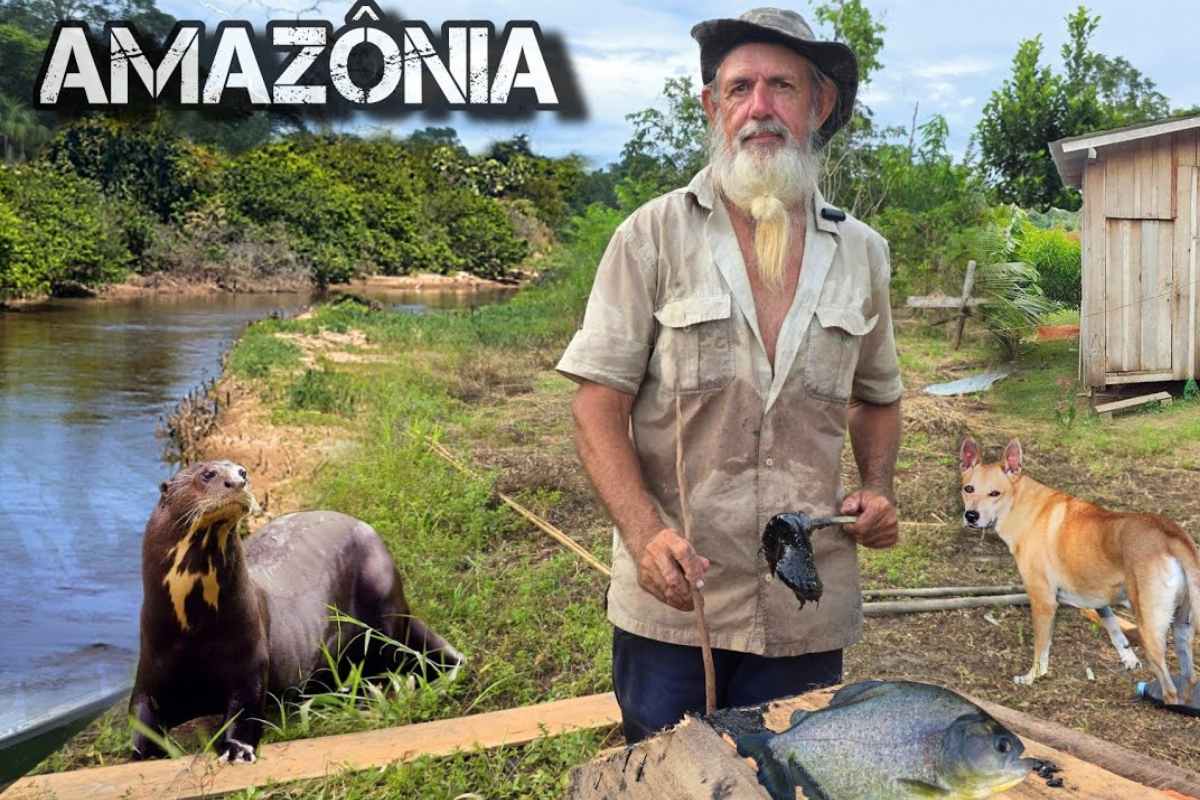


With A Whole Life Isolated In The Amazon, Without Electricity, Surrounded By Dense Forest And Rivers Full Of Fish, Orlando Builds House, Canoes And Routines With His Own Hands, Shares The Space With Animals And Transforms Solitary Survival Into A Radical Choice Of Freedom That Few Would Have The Courage To Face.
Since He Decided To Live Isolated In The Amazon, On An Island Surrounded By Water, Mud And Dense Forest, The River Dweller Gave Up Neighbors, City, Convenience And Comfort. At 58, Without Retirement, Children Or A Fixed Support Network, He Maintains His Daily Life Based On Physical Strength, Knowledge Of The Jungle, And An Intimate Relationship With The River And The Animals That Accompany Him.
Far From Any Romanticized Idea, The Routine Shows A Character Who Balances Extreme Simplicity, Climatic Vulnerability And Rare Independence. He Built The House Himself, Makes His Own Canoes, Collects Rainwater, Plants, Cooks And Faces Periods Of Severe Drought, Which Can Destroy The Entire Crop That Ensures Basic Food And Income.
Life Of Those Who Chose To Stay Isolated In The Amazon

Living Isolated In The Amazon Means Depending Directly On What The Forest And The River Offer, Day After Day.
-
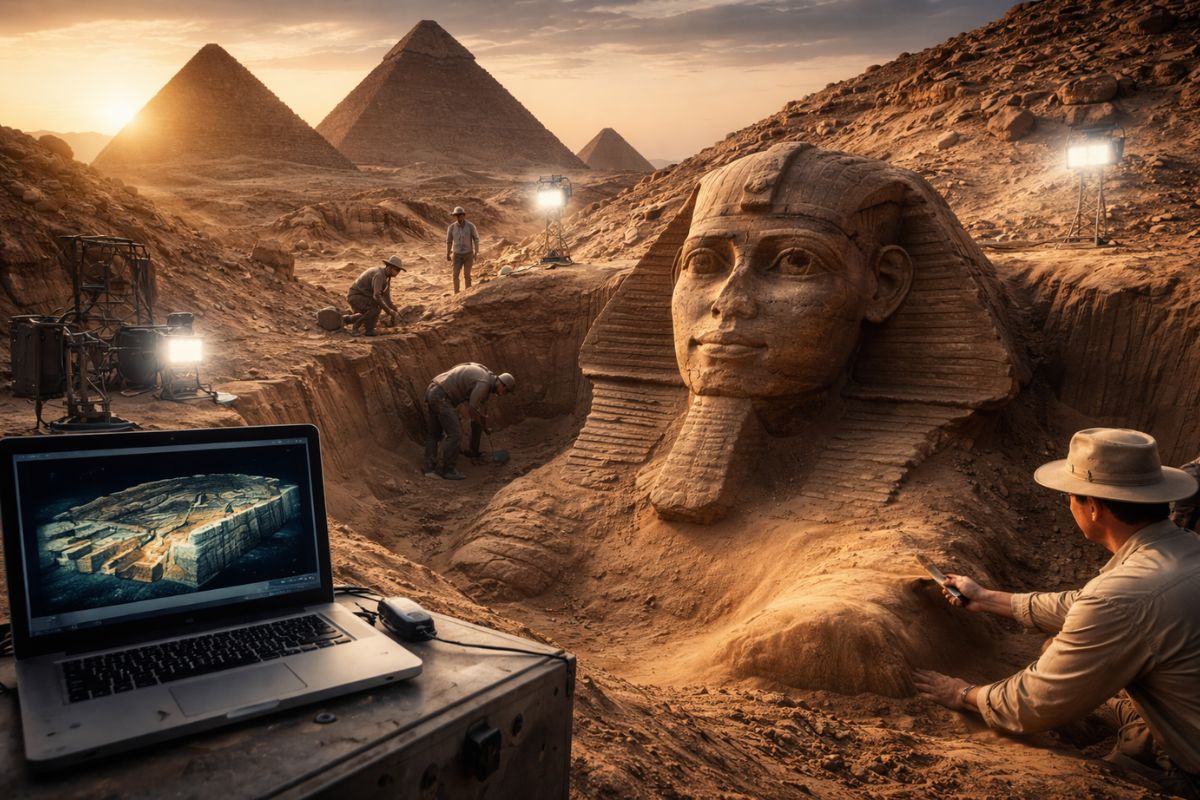
Italian researchers have detected what appears to be a second Sphinx buried under the sands of Egypt, and satellite scans reveal a gigantic underground megastructure hidden beneath the Giza Plateau for over 3,000 years.
-
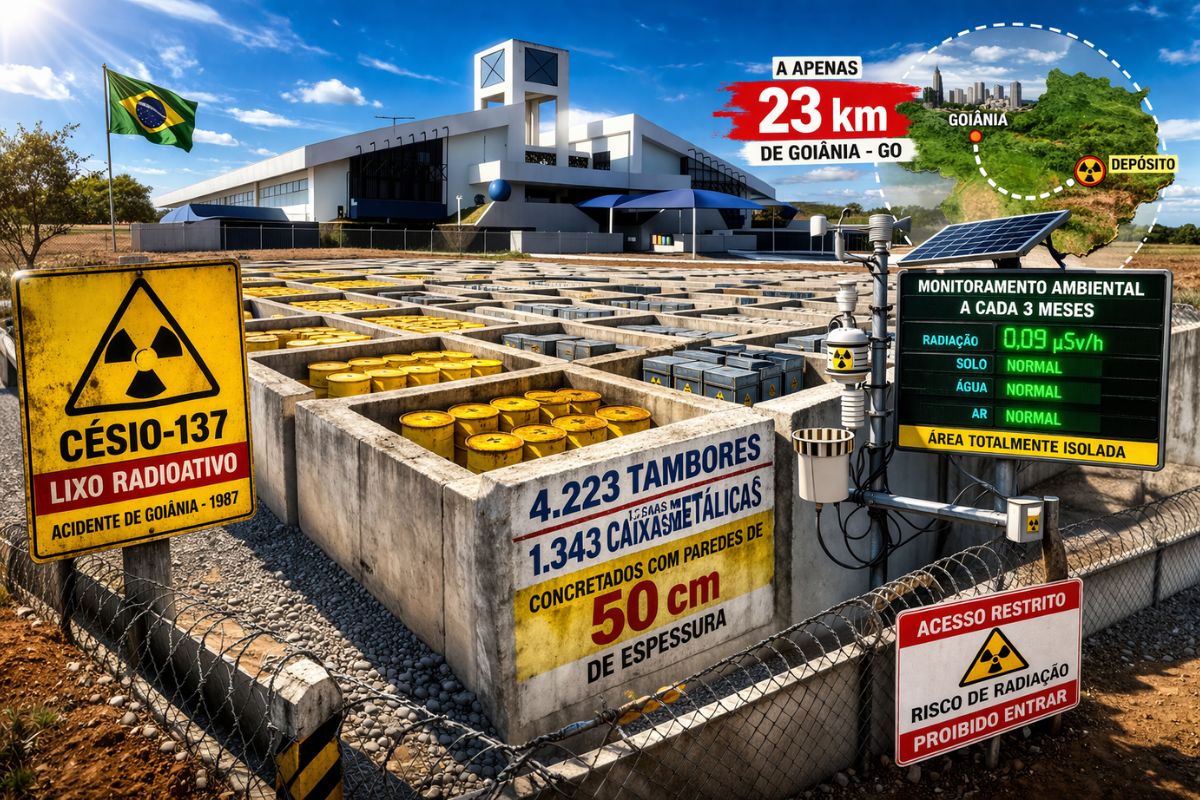
There are 4,223 drums and 1,343 metal boxes concreted with 50-centimeter walls that store the radioactive waste from Cesium-137 in the worst radiological accident in Brazil, just 23 kilometers from Goiânia, with environmental monitoring every three months.
-
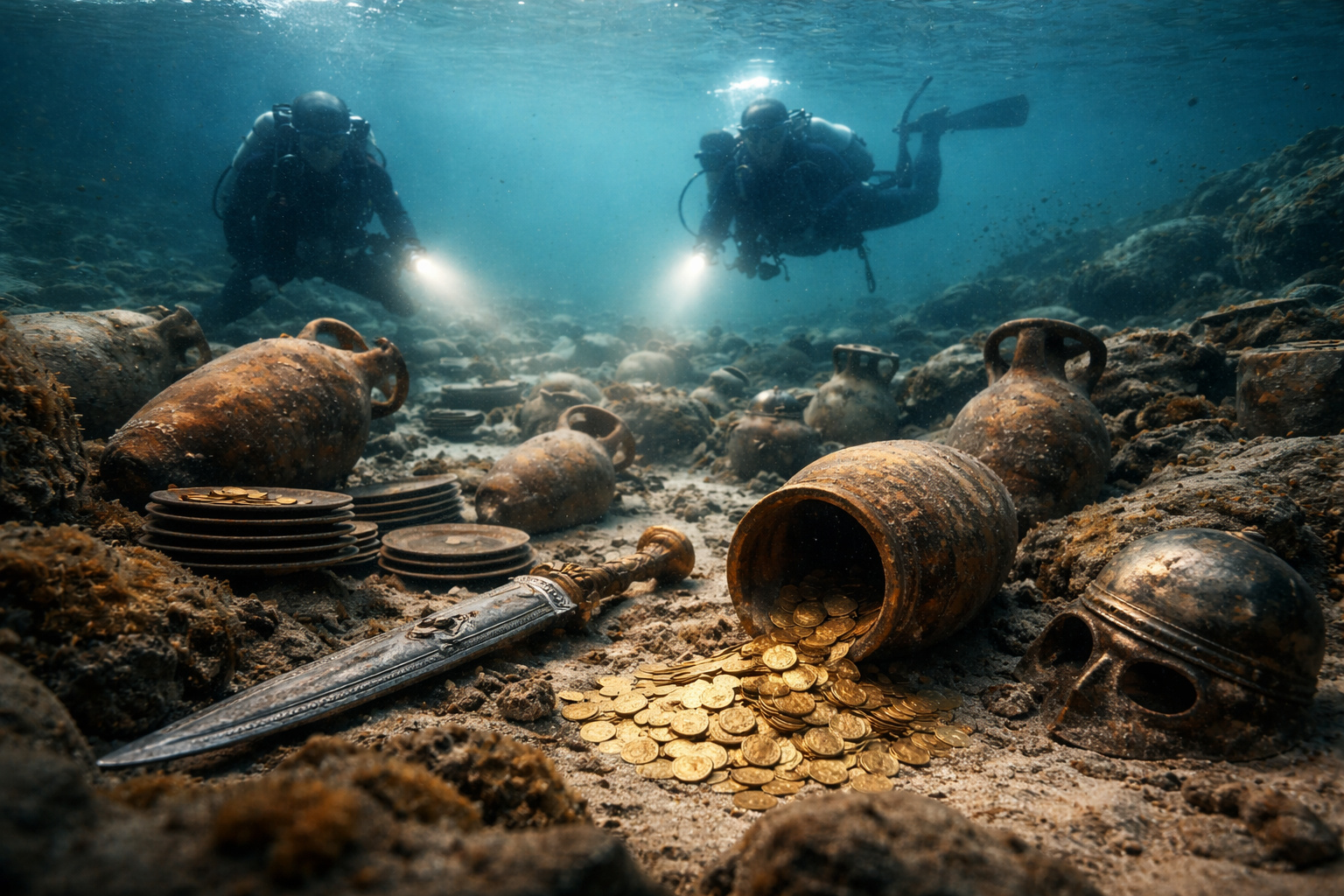
Giant Roman treasure found at the bottom of Lake Neuchâtel in Switzerland reveals an advanced trade system, circulation of goods, and armed escort in the Roman Empire about two thousand years ago.
-
He buried 1,200 old tires in the walls to build his own self-sufficient house in the mountains with glass bottles, rainwater, and an integrated greenhouse.

Orlando’s House Is A Simple Wooden Stilt House, Built By Him, Located On The Banks Of An Affluent Connected To The Balbina Lake, In The Interior Of Amazonas.
Everything Around Is Designed To Function With The Minimum Possible External Resources.
The Old Refrigerator Became A Cabinet, The Drinking Water Comes From Rain Collected In Improvised Gutters, And The Food Comes From What The Land And The River Allow.
Without Electricity, Without A Working Refrigerator And Without Neighbors Nearby, Every Decision Depends On The Experience Accumulated In The Jungle.
The Animals Complete The Isolation Scenario.
Dogs Are Daily Companions, Pigs And Chickens Help To Sustain Life, And The River Provides Fish Like Traíra, Tucunaré And Tambaqui, Which Serve As The Main Source Of Protein.
There Are No Streets, No Neighborhoods, No Stores In Sight. There Is Only The Island, The River Banks And The Forest.
Routine Built With His Own Hands On A Remote Island

The Expression Childhood Spent Entirely In Agriculture Marks Many Rural Stories In Brazil, But Here The Mark Is Different.
For Orlando, It Is An Entire Adult Life Reorganized Around The Idea Of Being Isolated In The Amazon, Producing Almost Everything With His Own Effort.
He Makes The Paddles, Adjusts Each Piece Of Wood, Assembles The Canoes And Adapts The Hull To Face Submerged Stumps And Constant Water Level Variations.
When The Available Wood Is Not Of The Best Quality, He Knows He Is Building Something Temporary, Just Enough To Cross The River And Maintain The Routine Of Fishing And Moving To Other Points In The Region.
The Same Logic Applies To The House And Its Surroundings.
Each Repair, Each Improvisation And Each New Structure, From The Chicken Coop To The Pigpen, Arises From The Combination Of Necessity, Practical Knowledge And Observation Of The Environment.
There Is No Construction Crew, No Hardware Stores Within A Corner’s Distance. Everything Is Slow, Manual And Dependent On The Time And Physical Strength Of A Single Man.
Between Extreme Drought, Crop Losses And Returning Waters
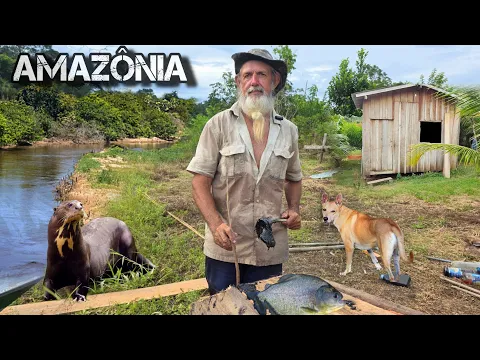

The Isolation Is Not Just Geographical. During Periods Of Drought, The River Retreats, Access Becomes More Difficult And The Consequences Are Direct.
During The Last Period Of Severe Drought, The Affluents Surrounding The Island Dropped So Much That He Started To Walk Long Distances That He Previously Covered By Canoe.
The Most Painful Loss Appears In The Crop.
The Watermelon He Had Planted At The Water’s Edge, Calculating The Timing Of The Rains, Ended Up Being Swallowed By The Advance Of The Flood At The Wrong Time.
Still Small Watermelons Were Partially Submerged, The Soil Saturated With Water Killed Part Of The Plants And, Consequently, One Of The Few Sources Of Income And Food Planned For The Coming Months Disappeared.
When The Waters Rise Too Much, The Landscape Changes Again.
The Area In Front Of The House Transforms, The Mud Becomes A Sheet Of Water And What Was Previously A Dry Trail Becomes A Navigable Corridor.
What Eases Access To The Island Also Requires Constant Management Adjustments, Canoe Anchoring And Care For What Remains Planted.
In Such A Context, The Balance Between Risk, Loss And Adaptation Is Permanent.
Energy, Minimal Technology And A New Type Of Connection With The World
Even Isolated In The Amazon, Orlando Is Not Completely Off The Radar.
The Occasional Presence Of Visitors, Who Produce Reports And Record His Daily Life, Has Brought Specific Changes, Without Disrupting The Core Of Simple Living.
A Portable Power Station With A Solar Panel Has Started To Ensure Basic Lighting And Power For Electric Tools At Strategic Moments.
The Arrival Of This Equipment Does Not Transform The Place Into An Urban Home, But Alters Important Details.
With Energy Generated From The Sun, He Can Use A Drill, Reinforce Repairs, Use Artificial Lighting At Night And Open Small Windows Of Comfort In A Routine That Remains Largely Analog.
This Technological Bridge Is Symbolic.
It Shows How, Even In A Scenario Of Radical Isolation, The Amazon Is Not Completely Disconnected From The Rest Of The Country.
Stories Circulate, Moving Those Who Watch From Afar And Eventually Return In The Form Of Material Help, Whether In Food, Tools, New Nets Or Energy Equipment.
Identity, Origin And The Choice To Stay In The Forest
Before Becoming The “Jungle Man” For Those Who Follow Him From A Distance, Orlando Lived Another Reality.
Born In Santa Catarina, The Son Of Parents From Rio Grande Do Sul, He Grew Up Far From The Amazônia Forest And The Logic Of Living Isolated In The Amazon.
The Transition To The Island In The Interior Of Amazonas Was An Adult Choice, Motivated By The Search For Peace, Silence And Autonomy.
Today, He Talks Naturally About Not Having Married, Not Having Children And Not Being Retired.
The Support Comes From What He Grows, Fishes And Raises, Plus What He Occasionally Manages To Sell Or Receive As A Donation.
There Are No Stable Income Guarantees, No Fixed Salary And No Predictability, Just The Daily Commitment To Make The Place Work.
At The Same Time, The Affective Bond With The Animals, The House And The Island Is Evident.
The Dogs Eat Flour, Cassava And Fish, Accompany Every Step, And Participate In Routine Scenes As Part Of The Family.
The Simple Stilt House, Built By Him, Represents Not Only Shelter But Also A Kind Of Final Point Of A Journey That Went From The South Of The Country To A Remote Island In The North.
When Isolation Becomes A Symbol Of Resistance And Simplicity
The Story Of This Man Isolated In The Amazon Synthesizes A Type Of Resistance That Is Little Visible In Urban News.
This Is Not About A Temporary Adventure, Nor A Romantic Escape To A “Natural” Life.
It Is A Long-Term Project, Full Of Concrete Difficulties, Climatic Risks, Material Limitations And Intense Physical Effort.
At The Same Time, There Is A Rare Clarity About What Is Sufficient.
He Does Not Speak Of Luxury, He Speaks Of Having Water To Drink, Tools To Work, A Boat That Lasts Longer Than A Fragile Canoe, And Guaranteed Food For Himself And The Animals.
The Dream Is Not About Great Assets, But About Specific Improvements In Mobility, Security And Minimal Stability.
In This Scenario, Each External Visit Functions As A Mirror.
Those Who Observe From The Outside Are Impressed By The Hardship, The Lack Of Comfort, And The Ability To Adapt.
For Him, What Appears Is Merely The Continuation Of A Path That Began Over Two Decades Ago When He Decided To Put Down Roots On An Island And Learn Directly From The Forest.
In The End, The Question That Remains Is Not Just How He Can Live Like That, But What This Choice Reveals About Our Own Limits.
Could You Imagine Your Routine Today On A Remote Island, Isolated In The Amazon, Living With So Little And Depending So Much On Nature As Orlando Does Every Day?








Eu não. Consigo viver dessa forma
Eu sou nordestino e conseguiria sim, viver dessa forma tenho vontade de ir na Amazônia prestigiar esse lugar lindo.
Não conseguiria