





 English
  Francês
  Alemão
  Italiano
  Japonês
  Norueguês
  Portuguese
  Spanish
 9 min of reading
  0 comments


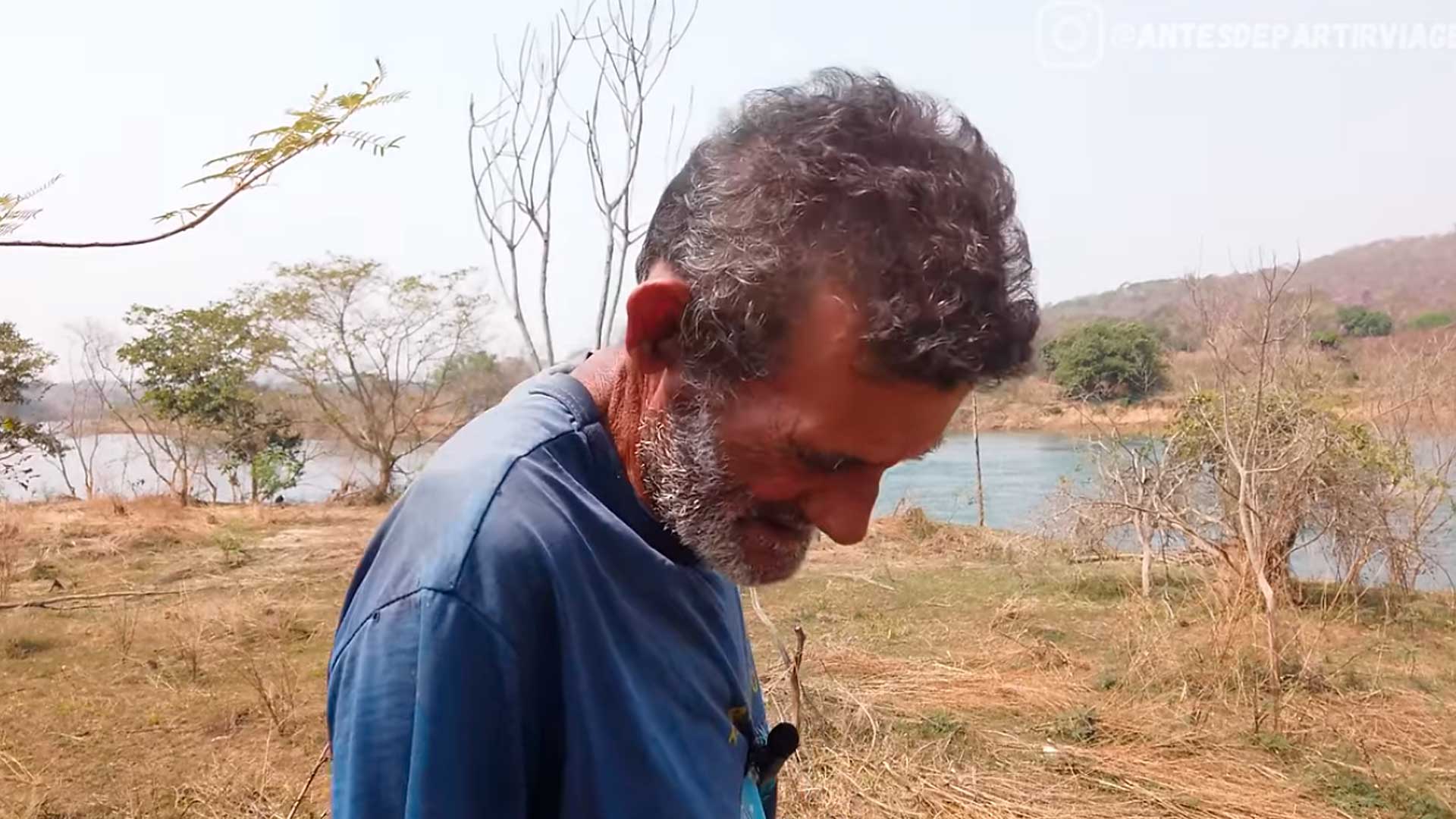
In an Island in the Paranaíba River, in the Municipality of Cumari, in Goiás, a Man Maintains a Routine of Hard Work, Animal Breeding, and Moving Only by Boat. The Story Reveals How Rural Isolation Mixes Freedom, Difficulty, and Attachment to the Land in a Small Region Strongly Linked to Agriculture.
A few kilometers from urban life, yet at the same time very far from it, a family maintains a routine that seems to have stopped in time on a rural island in the Paranaíba River, in the Cumari region, in southeastern Goiás. Access is primarily by boat, and the crossing over the waters is part of the daily routine for those who live there, whether to leave, sell produce, or receive visitors.
The setting helps explain why the story draws so much attention. Cumari is a small municipality, with 2,927 inhabitants in the 2022 Census, an area of 568.365 km², and low population density, which reinforces the importance of rural life and neighborhood relationships spread throughout the territory. Data from IBGE also show that the town remains embedded in a rural reality, with a strong presence of the countryside in local daily life.
On the island, the resident interviewed states that he has lived there for many years and that the place, despite its isolation, has become an inseparable part of his identity. The routine begins early, involving milking, cheese preparation, raising chickens and pigs, fishing, and caring for the herd. Everything revolves around manual labor and a logic of subsistence that also generates income.
-
Seen from space, a colossal ‘Y’ cuts through the largest desert in China, blending a jade-filled river, red and white mountains, and revealing the absurd scale of the transformation of the Taklamakan surrounded by a green wall with billions of trees.

-
The Pacific Ocean reveals what the cliffs of Big Sur have hidden for millennia: Pfeiffer Beach, in California, features swirling purple sand formed by garnet crystals and displays a stone arch that is illuminated by the sun in winter for just a few days each year.

-
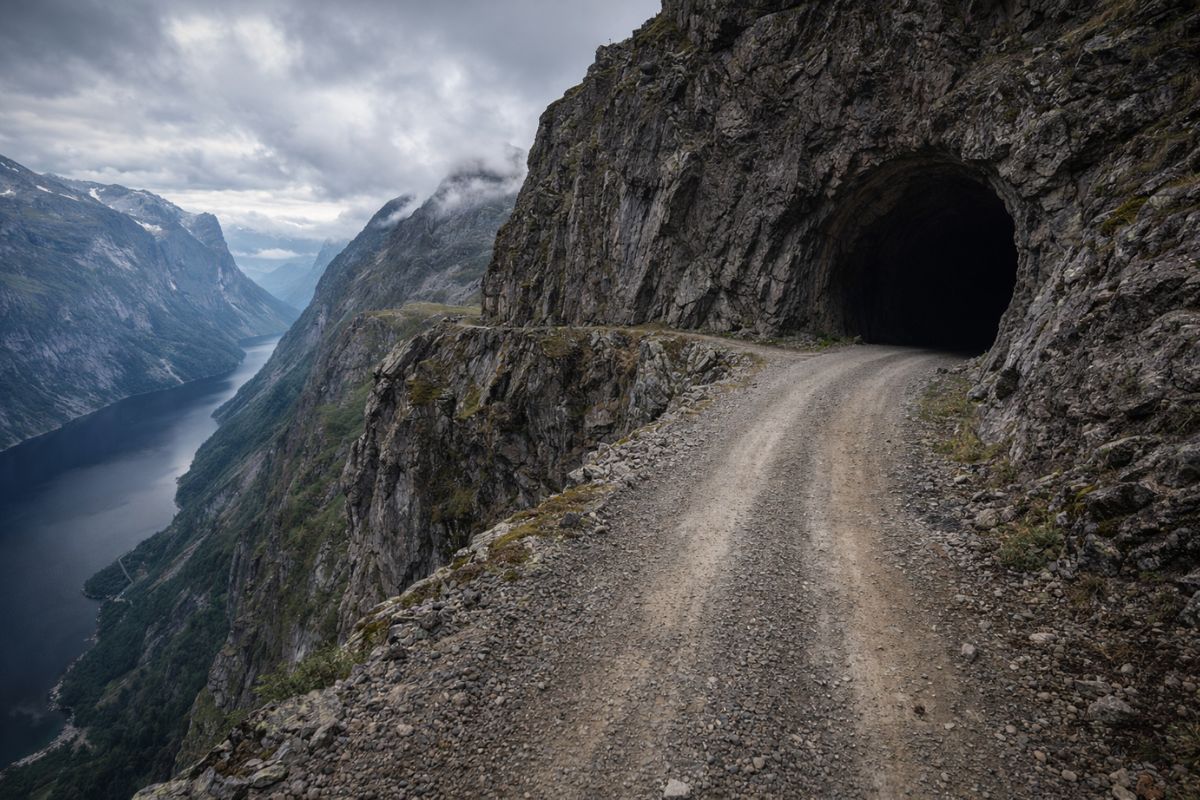
Aursjøvegen in Norway is a 100-kilometer gravel road that crosses chasms and dark tunnels carved into the rock at an altitude of 947 meters in the fjords and is only open for four months a year.
-
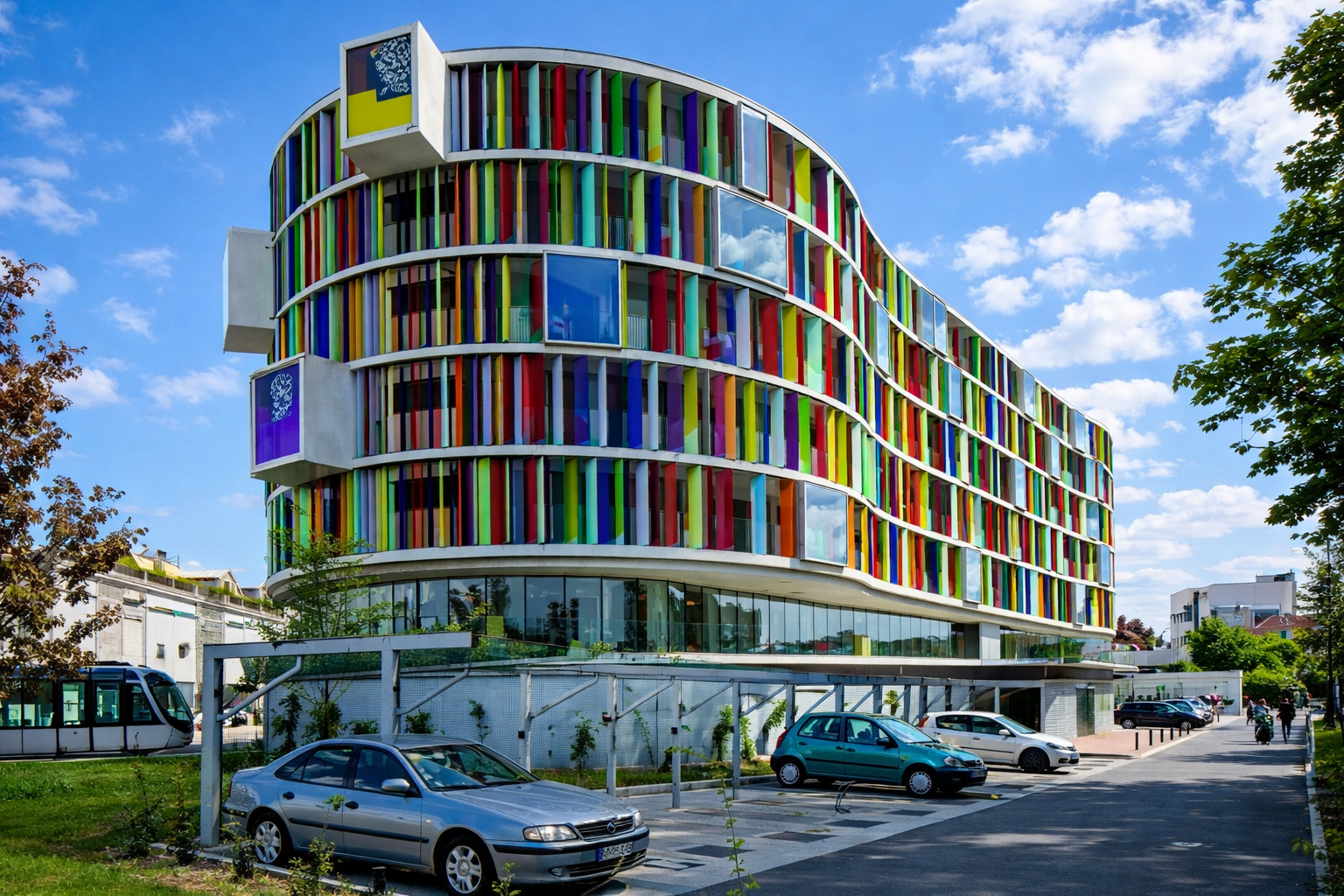
With about 4,000 m², the building constructed in a traditional neighborhood in France looks like a rainbow, has a colorful facade, mixes vibrant glass, and creates one of the most unusual visuals in Bordeaux.

The story gains even more weight because it is not just a romantic choice to live far from everything. Living on the island involves family losses, aging, logistical difficulties, and the feeling that, at some point, the advance of age may impose a change. Still, the bond with the land remains stronger than the attraction of the city.
Where the Island Is and Why the Geography of the Region Helps to Explain This Way of Life
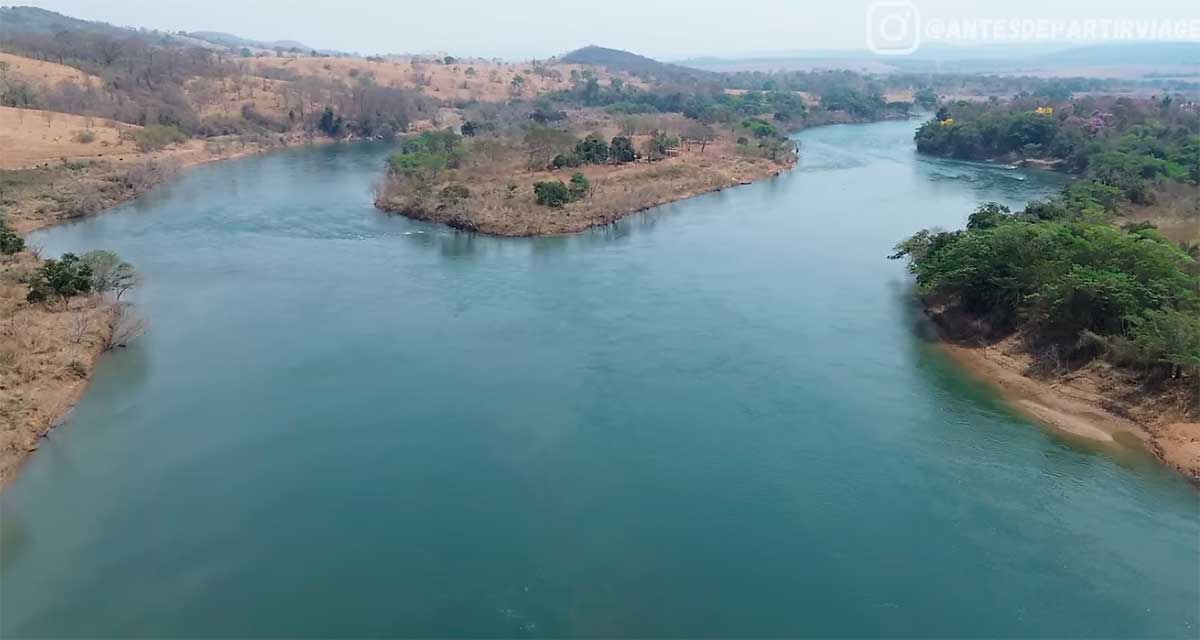
The story takes place in the rural area of Cumari, a municipality in Goiás that borders Minas Gerais and integrates a stretch of the Brazilian interior marked by agricultural activities and a strong connection with rivers and production areas. The very size of the town helps to understand why land routes can be long and why water transport, in certain stretches, may be more practical than it appears at first glance.
The Paranaíba River is one of the major waterways in the Central-South region of the country and, in several stretches, serves as a natural boundary between Goiás and Minas Gerais. Information from the National Water Agency and reference works on the basin shows that the river plays a central role in the organization of the territory, regional production, and supply, as well as marking state borders along a significant part of its course.
This geography helps explain a curious detail reported in the story. When the resident says he is “in the middle,” between Goiás and Minas, he translates a common reality in natural border regions, where the river is not just a landscape, but also a political boundary, a route of movement, a source of income, and a point of belonging.
The Paranaíba basin also has economic and environmental relevance for a large area of central Brazil. According to official information related to federal water management, it is a strategic basin for multiple uses of water, which gives greater dimension to the lives of those who live along its banks and islands, often in conditions quite different from those seen in medium and large cities.
Heavy Work, Home Production, and a Routine Shaped by Self-Sufficiency
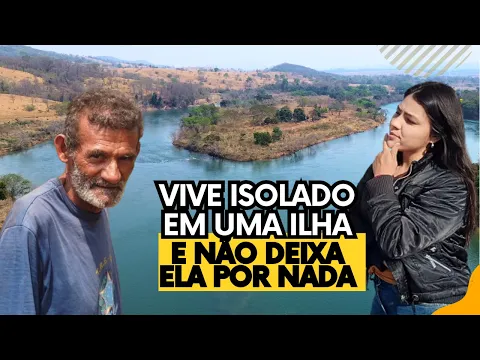

On the island, the described daily life is one of continuous work. The resident wakes up early, milks cows, makes cheese, feeds animals, organizes supplies, and keeps track of what needs to be done on the property. The logic is simple yet harsh. Those who live far from everything cannot leave tasks for later, because each failure weighs more when easy access to markets, workshops, transportation, or immediate help is lacking.
The property hosts the breeding of chickens, pigs, and cows, as well as fishing activities. Part of what is produced is consumed at home, but there is also a sale of items such as fish, chicken, sausage, lard, and cheese. The fair in Catalão appears as a point for distributing this production, showing that even an isolated life depends on a constant connection with regional commerce.
This connection between simple life and productive capacity dialogues with the economic profile of the municipality. In Cumari, agriculture plays a significant role in the local economy, and the town hall itself has a specific department dedicated to agriculture, supply, and the environment, focused on supporting rural production and small producers. This helps situate the individual story within a broader reality of the municipality.
More than a curiosity about someone living on an island, the story reveals an important trait of Brazilian rural life. In many rural areas, survival depends on knowing how to produce a bit of everything, making the most of resources, reducing waste, and maintaining a nearly uninterrupted work pace. Urban comfort is replaced by relative autonomy, but this autonomy demands physical effort and consistency.
The Boat Crossing Shows How Isolation Weighs in Real Life
One of the most striking aspects of this story is the dependence on the boat. To leave the island, gather supplies, sell products, or address any need outside the property, movement happens over the water. This transforms simple tasks for city residents into operations that require planning, time, and sensitivity to the weather.
The account makes it clear that even cargo transport occurs this way. Everything has to be loaded and unloaded, which increases wear and makes daily life more vulnerable to mechanical problems, heavy rains, severe drought, or changes in the river’s level. Logistics is not a detail; it is a central part of life.
There is also a component of insecurity. The resident reports fear of theft of boats and engines, something particularly serious for those who rely on the boat as an extension of their own home. In such a routine, losing the means of transport means losing mobility, income, and part of one’s autonomy.
At the same time, isolation is not presented merely as suffering. It also appears as an affective choice, as a space of freedom, and as a way of life to which the person has deeply adapted. This contrast helps explain why so many people in the countryside resist leaving their land even when the city offers more services and fewer apparent difficulties.
Aging, Grief, and Attachment to the Land Make the Story Even More Human
The story gains depth when it delves into the realm of personal losses. The resident shares that he lived there with his mother and sister, and that his mother’s death altered the dynamics of the household. His sister, who previously lived in the city and worked in sewing, changed her life to care for their sick mother and ended up staying on the island for years.
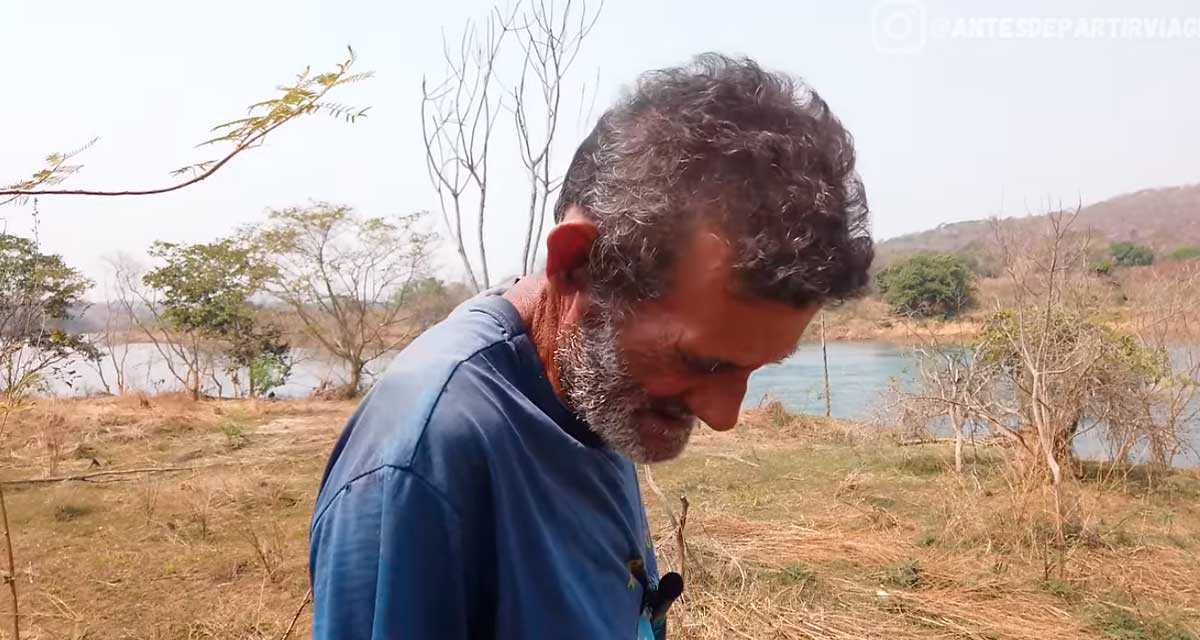
This part shows how rural life is not always the result of planning. Often it arises from family circumstances, the need for care, and decisions made under emotional pressure. The island, in this context, ceases to be just a geographical place and transforms into a territory of memory, responsibility, and continuity.
The resident’s discourse about work is also striking. For him, stopping would be like getting sick. This perspective, very present among rural workers, combines practical experience, physical resilience, and a sense of dignity associated with daily labor. It is not just about making money, but about maintaining meaning in one’s existence.
At the same time, there is recognition of a limit. At some point, age may make staying impossible. This conflict between wanting to stay and knowing that it may not be possible forever is one of the strongest elements of the narrative, as it translates a real dilemma for many aging rural families in Brazil.
Rain, Drought, Floods, and Stones in the River Show That Nature Dictates the Rules
Living on an island in the middle of a river means accepting that nature has the final say. The resident reports worry about the rising waters during the rainy season, mentions flood marks, and observes that fear exists there as it does in cities prone to flooding. The difference is that, in this case, the impact reaches the doorstep without the protection of urban infrastructure.
On the other end, drought also brings difficulty. With less water, the visible stones on the path increase, and navigation becomes riskier. Leaving the island demands even more caution, especially for those who rely on the boat for frequent travel.
This alternation between floods and drought is consistent with the hydrological importance of the Paranaíba River and with the complexity of its basin, which serves multiple uses and crosses different climatic and productive realities. Managing these waters, according to the ANA, involves precisely the challenge of reconciling supply, production, energy, and preservation in a vast and highly demanded area.
In practice, however, the grand policy of water translates into something very concrete for those who live there. It means knowing the right time to leave, observing the river’s behavior, protecting the vessel, adapting the routine, and coping with a vulnerability that is hardly reflected in cold statistics.
The Simple House and Local Production Deconstruct the Idea That Isolation Is Synonymous With Unproductiveness
Another important aspect is the organization of the property. The house was built with the help of family members, has several rooms, and has been expanded to accommodate visitors and daily needs. Around it, there are structures for storing supplies, organizing food, raising animals, and processing part of the production.
This dismantles a common idea that isolated places would necessarily be unproductive or improvised. On the contrary, the described routine shows planning, adaptation, and knowledge accumulated over time. Each area of the island seems to serve a function, and this functionality is essential to sustain life there.
Fishing, for example, does not appear just as a hobby. It is part of the diet and also the income. The same goes for milk, cheese, raising chickens, and utilizing pigs. It is a small but diversified system capable of reducing external dependencies and generating regional economic circulation.
In small municipalities with low population density like Cumari, stories like this are not just curious. They help to understand how rural life still sustains modes of production, family ties, and forms of permanence in the territory that remain relevant even in a country that is increasingly urbanized.
Between Freedom and Abandonment, Life on the Island Exposes a Brazil That Still Resists Away from Urban Centers
What stands out most in this story is not just the fact that someone lives on an island. The central point is the combination of isolation, work, belonging, and resistance. The resident is aware of the limitations, recognizes the harshness of the routine, and admits that he may need to leave one day. Nevertheless, he maintains the conviction that his life is there.
There is also a strong symbolic dimension. In a time of hyperconnection, haste, and intense urbanization, the island emerges as a portrait of another Brazil, where relationships with time, food, animals, and physical effort still follow their own rhythm. This does not mean idealizing poverty or ignoring difficulties but rather recognizing the complexity of this way of life choice.
The presence of the sister further reinforces this reading. She left behind a job in the city, linked to sewing, to care for their mother and ended up incorporating farm activities into her daily life. The contrast between the urban experience and adaptation to the countryside makes the story richer and shows how humans can reconstruct their routine in extreme contexts.
In the end, the island represents both shelter and challenge. It is a place of autonomy but also of distance. It is where one lives with more freedom but also with less support. It is precisely in this tension that the story finds its journalistic strength, as it speaks of something larger than an isolated case. It speaks about the value of land, work, and permanence in a rural Brazil that still insists on existing.
Life on an island in the river may seem like a dream for some and too harsh for others. Would you trade the city for such a routine, or do you think this kind of isolation comes with too high a price over the years? Leave your comment and tell us if this way of life represents true freedom or silent abandonment.









Seja o primeiro a reagir!