





 Portuguese
  English
  Spanish
  3 min of reading
  0 comments


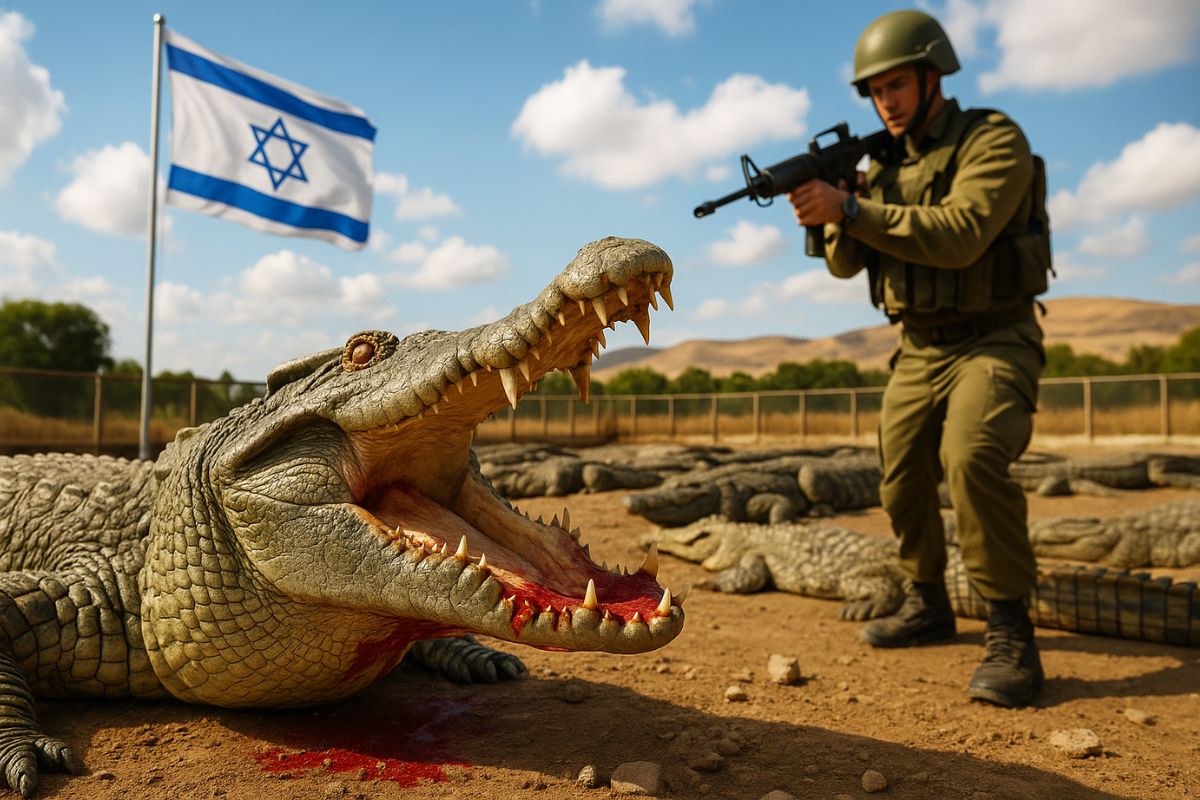
Animals Had Been In Captivity Since 2013 And NGO Affirms They Never Attacked Humans; Government Claims A Risk To The Local Population
The Israeli government slaughtered more than 200 crocodiles on a farm in the West Bank, claiming a risk to public safety after years of abandonment of the property. The measure was heavily criticized by animal rights organizations, which classified the action as an “unjustifiable execution,” especially since, according to them, the reptiles never posed a real danger to the population.
The animals had been confined since the closure of the farm in 2013, located in the Petzael settlement in the Jordan Valley. The property previously functioned as a tourist attraction and was later converted into a commercial breeding ground for leather production. After the abandonment, the crocodiles were kept in poor conditions, which, according to authorities, led to the practice of cannibalism among the animals.
What Motivated The Slaughter Of The Crocodiles?
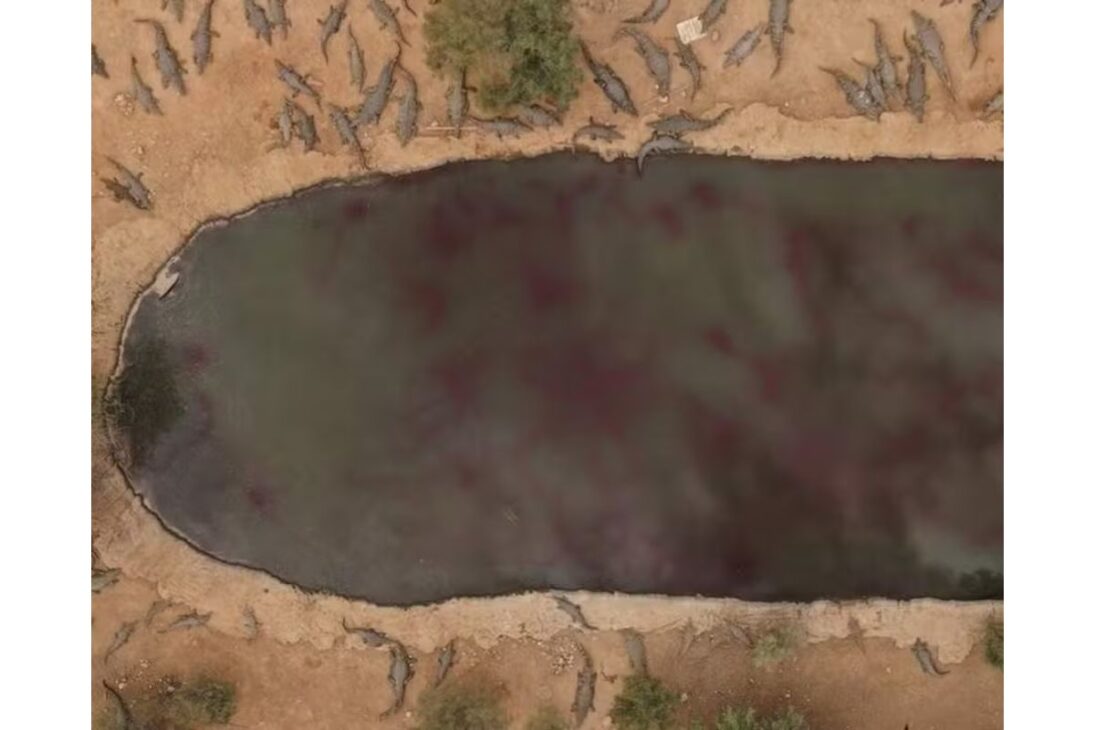
According to an official statement from Cogat, an agency of the Israeli Ministry of Defense responsible for civilian affairs in the Palestinian territories, the fence around the farm had deteriorated, which allowed for the escape of several crocodiles into nearby residential areas and natural reserves. After 12 years without a definitive solution and with the owner’s refusal to repair the enclosure, the government decided to carry out the slaughter “in a humane manner.”
-
They said no to 26 million dollars and would do it all over again: mother and daughter from Kentucky reject a million-dollar offer from a mysterious company that wants to build the largest data center in the state on more than 2,000 acres of rural land.

-
While corn requires rain and is expensive, sorghum produces almost the same volume per hectare at a cost up to 80% lower and uses less water, and it is revolutionizing dairy farming in the Triângulo Mineiro, where producers save hundreds of reais per hectare.

-
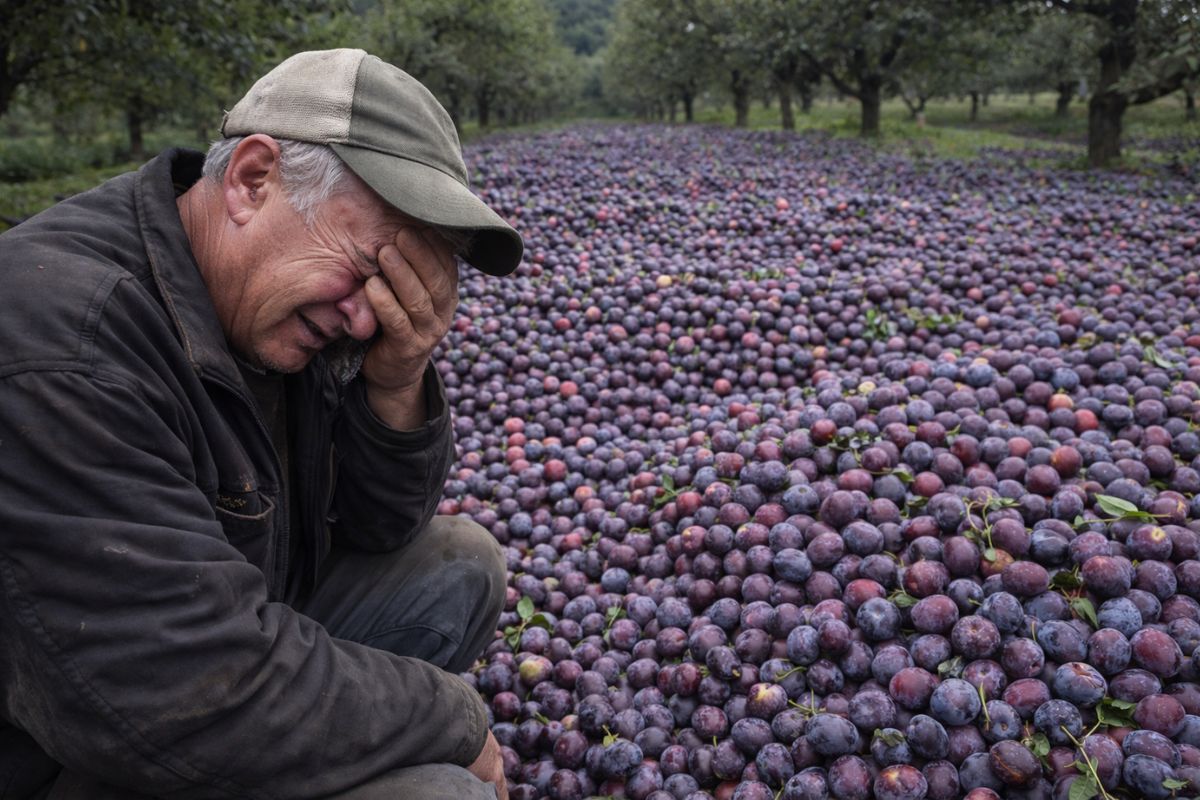
A rural producer from Urubici cries as he shows 50 tons of plums thrown on the ground because no one wanted to buy them, and in desperation, he records a video asking anyone to come to the property to pick the fruits before they rot.
-
Unable to pass through Hormuz, Brazil activated a plan B that uses Turkey as a gateway to the Middle East: the route through Gibraltar and the Mediterranean is longer and more expensive but ensures that chicken, beef, and corn continue to reach Arab markets.


The action was reportedly accelerated by videos that circulated on social media showing young people throwing stones at the crocodiles, reinforcing the argument of an imminent risk. Nonetheless, the measure generated significant backlash, especially after the disclosure of the total number of animals killed: 262 crocodiles, according to the NGO Let the Animals Live.
What The Farm Owner And The NGOs Say?
Gadi Bitan, who operated the farm for more than 30 years, claimed that he was not informed in advance about the action and labeled the event as an “execution without justification.” He told the Ynet portal that the animals were “well-fed and healthy,” and that no serious incidents had been reported since the closure of the farm.
The NGO Let the Animals Live reinforced the criticism, stating that the crocodiles “never attacked humans” and that there were viable alternatives to slaughter, such as transfer to sanctuaries or rehabilitation of the structure. For the organization, the slaughter represents a prolonged failure of public administration to address the issue ethically.
Conflict Between Security And Animal Rights
The episode occurs amid a delicate context of ongoing tension in the West Bank, where Israeli occupation is constantly challenged by the international community. The use of occupied land for commercial enterprises, especially in sensitive areas like the Jordan Valley, raises debates about legality, ethics, and environmental impact.
Moreover, the decision rekindles the debate about the state’s responsibility to manage abandoned properties that involve environmental risks and animal life. International animal protection organizations have already requested an investigation into the case and advocate for more transparent and scientific criteria for such actions.
Do you believe the slaughter was necessary? Or do you think there was a serious failure on the part of the government? Leave your opinion in the comments — we want to hear your views on the balance between security and respect for animal life.










-

Uma pessoa reagiu a isso.