





 Portuguese
  English
  Spanish
  4 min of reading
  0 comments


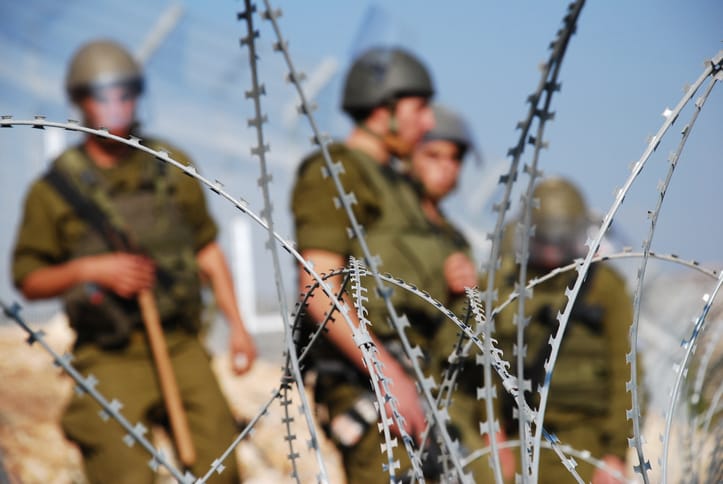
The Next Hostages Expected to Be Released Include American Citizens, Which Will Bring Relief to Their Families and the International Community.
The Hamas representative who inspected the Rafah border last Sunday stated that the amount of aid provided to the strip is still insufficient to meet the existing demand. According to Mahmoud al-Mordawi, a prominent member of Hamas in Beirut, the entry of 300 trucks into northern Gaza, planned for Sunday and Monday, is necessary to compensate for the shortages of recent days.
President Biden stated that the unfolding of the first day of hostage release was positive. He was kept updated on events on Saturday, and after contacting the leaders of Qatar, U.S. officials established constant communication with Israel, Qatar, and Egypt to overcome challenges, Watson reported. U.S. Secretary of State Antony Blinken is scheduled to visit Israel this week, marking his fourth visit since October 7, according to local media.
Israeli Attack in the West Bank Kills Seven Palestinians
According to the radio station Voice of Palestine, a missile attack by Israeli forces resulted in the deaths of seven Palestinians in the occupied West Bank. The Israeli army declined to comment on the incident.
-
The rise in oil prices could ensure an extra revenue of R$ 100 billion for the Federal Government, indicates a recent economic study.

-
Naturgy begins an investment of R$ 1.6 million to expand the gas network in Niterói and benefit thousands of new residences and businesses.

-
A major turn in the Justice system suspends tax increases and directly impacts oil and gas companies in Brazil by affecting costs, contracts, and financial planning, leaving uncertain what could happen to the sector if these costs had increased.

-
Brava Energia begins drilling in Papa-Terra and Atlanta and could change the game by reducing costs in oil while increasing production and strengthening competitiveness in the offshore market.

On Saturday, U.S. President Joe Biden had a conversation with Qatar’s leaders to discuss “potential delays in the agreement and mechanisms to resolve them,” according to Adrienne Watson, spokesperson for the National Security Council.
The actions of Israeli forces in the West Bank region and President Biden’s diplomatic negotiations remain points of interest and concern for the international community.
On Sunday, the Israeli defense forces communicated that residents of Gaza are prohibited from going to the sea or approaching within a kilometer of the border with Israel.
The Ministry of Defense reported that during the ground invasion, the Israeli army confiscated approximately 5 million shekels (US$ 1.3) from Hamas. Iraqi, Jordanian, and U.S. currencies were predominantly found in Hamas hideouts and in the homes of suspects.
According to the Israeli defense forces, these measures aim to enhance security in the region, protecting both civilians and military personnel from potential threats.
The humanitarian pause in Gaza has largely been maintained since it was implemented on Friday, allowing the United Nations to ramp up the delivery of vital assistance inside and through the territory, as reported by the U.N. Office for the Coordination of Humanitarian Affairs.
However, many people still lack access to food and fuel for cooking, and bakeries are not operational, raising concerns about nutrition, especially in northern Gaza, which has been the focus of the Israeli ground offensive. Furthermore, there have been reports that Israeli forces detained Palestinians who were traveling along the safe corridor established by Israel, which runs from north to south through the territory.
Last Saturday, the expected releases were delayed by Hamas, claiming that Israel violated the terms of the truce, which the country denied. This underscored the fragility of the agreement between Israel and Hamas, which are designated as a terrorist group by the U.S. and the European Union. On October 7, militants breached Israel, causing the death of 1,200 people and kidnapping around 240 others.
Israel has responded with military might in the densely populated Gaza Strip since the attack, resulting in the deaths of at least 15,000 people, according to the health ministry run by Hamas. The four-day truce depends on the release of 50 hostages by Hamas and 150 women and minors held by Israel.
Releases on Saturday occurred hours later than expected, after Hamas said Israel violated the terms of the truce – accusations that it denied.
Release of Prisoners in the Middle East Peace Agreement
The releases carried out in different phases are essential for an agreement mediated by Qatar and Egypt, which resulted in a pause in the hostilities of the war that has lasted more than six weeks. This has also allowed for the entry of more humanitarian aid into the besieged Gaza. As part of the agreement, Israel has already released 78 Palestinian women and children detained in its prisons.
Lolwah Al-Khater, Qatar’s Minister of State for International Cooperation, explained in an interview with Al-Jazeera TV that political work to extend the current truce, which is already in its third day, is ongoing.
According to Bloomberg reports, Israel and Hamas are preparing for a third day of release of hostages in Gaza, after a last-minute dispute on Saturday (25) that threatened to derail a fragile truce. Meanwhile, behind-the-scenes negotiations continue to extend the four-day ceasefire.
Prime Minister Benjamin Netanyahu’s office announced on Sunday that it received a list of names of hostages that Hamas is expected to deliver by the end of the day. There is anticipation that American citizens will be part of the next group of released hostages. Since Friday, the Palestinian militant group governing Gaza has released 26 Israelis, some with dual nationality, along with 14 Thai citizens and one Filipino citizen.
Source: InfoMoney










Seja o primeiro a reagir!