





 Portuguese
  English
  Spanish
  6 min of reading
  11 comments


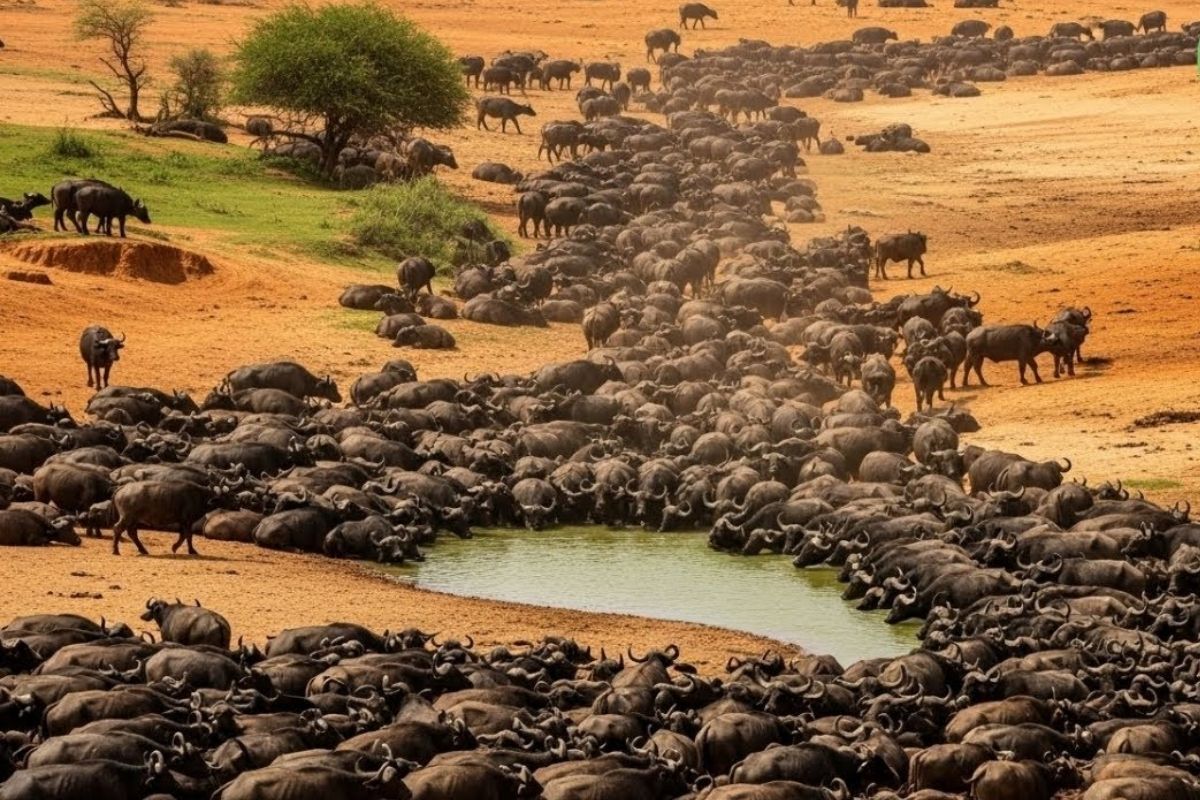


Among The Hills Of The Golan And High Galilee, The Drained Swamp In 1951 Gained 160 Km Of Channels And Dried, Cracked, And Set Fire To The Peat. Decades Later, Water And Buffaloes Opened Clearings, Kept Mud Wet, Expanded Ponds, Increased Birds, And Reduced Invasives With Trails That Turned Into Corridors Of Life.
The Hula Valley Became A Real Experiment In Restoration When Israel Decided To Release Water Buffaloes Into A Scenario That Seemed Irreversible: Crumbling Soil, Peat Burning Slowly, And An Ecological Chain Collapsing After The Draining Of The Swamps.
The Bet, Which At First Sounds Like Madness, Stood The Test Of Time: The Buffaloes Opened Trails In The Mud, Controlled Reeds, Helped Keep The Soil Moist, And Consequently, Water Circulated Better. The Most Visible Result Appeared In The Sky, With Waterfowl Returning In Much Greater Numbers.
How Draining Transformed The Swamp Into Cracked Soil And Peat In Flames

Before Human Intervention, The Hula Valley Was A Shallow Lake Surrounded By Swamps Fed By The Jordan River, With Enormous Ecological Importance For Fish And Birds. The Area Functioned As A Vital Resting, Feeding, And Breeding Point For More Than 1 Billion Migratory Birds On The Route Between Europe And Africa.
-
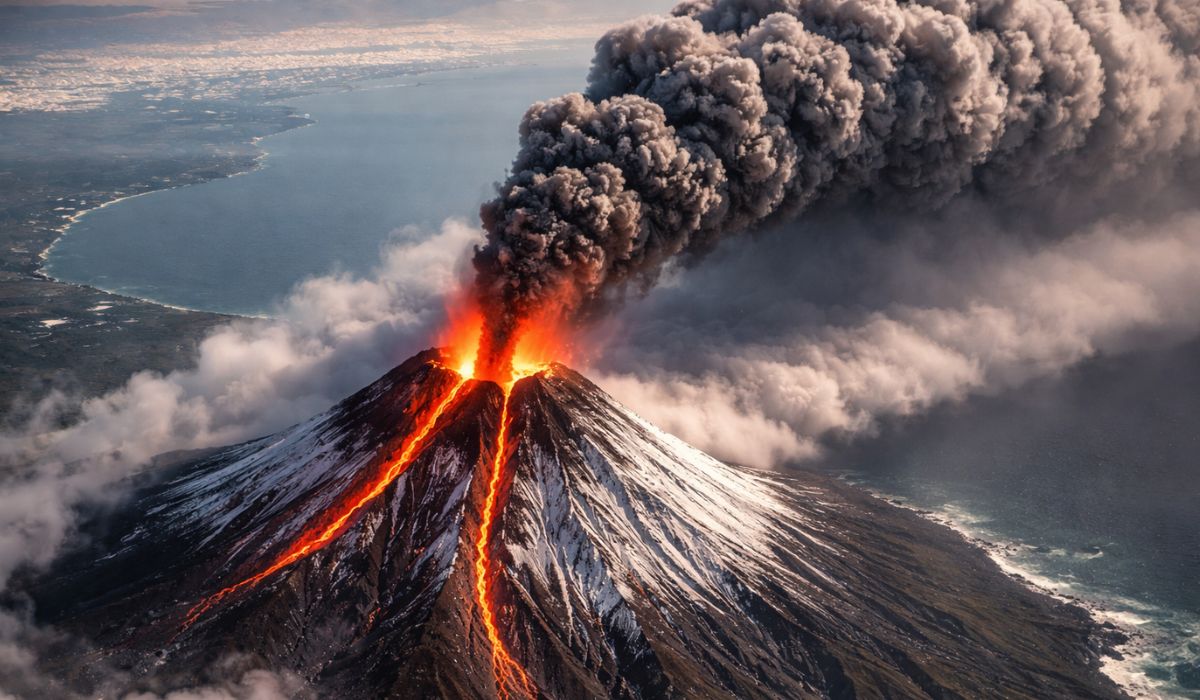
Seen from space, a colossal volcano nearly 5,000 meters high in Russia has released 1,600 km of smoke over the Pacific, forming “devil’s horns” of lava and revealing the brutal force of the Ring of Fire.
-
Expedition 501: Scientists drill into the ocean floor and discover a giant reserve of fresh water hidden beneath the sea, extracting nearly 50,000 liters and revealing an invisible system that could reshape the map of water scarcity.

-
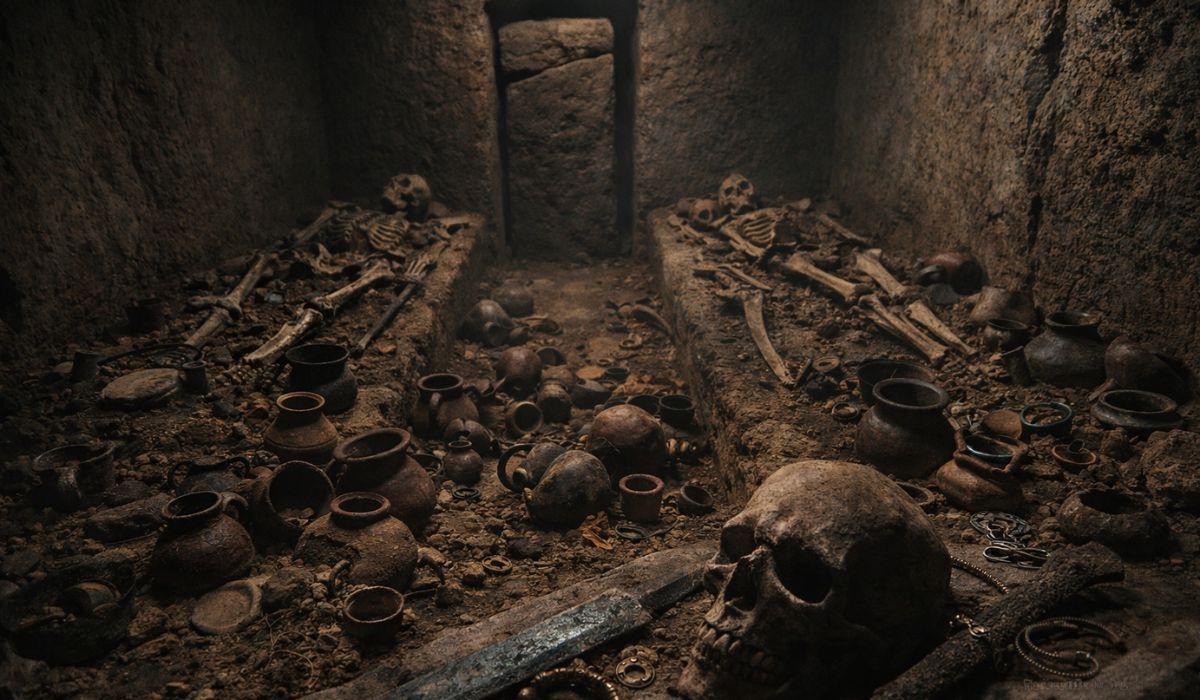
Archaeologists find an intact tomb over 2,500 years old, with more than 100 preserved objects, weapons, jewelry, and human remains never touched.
-
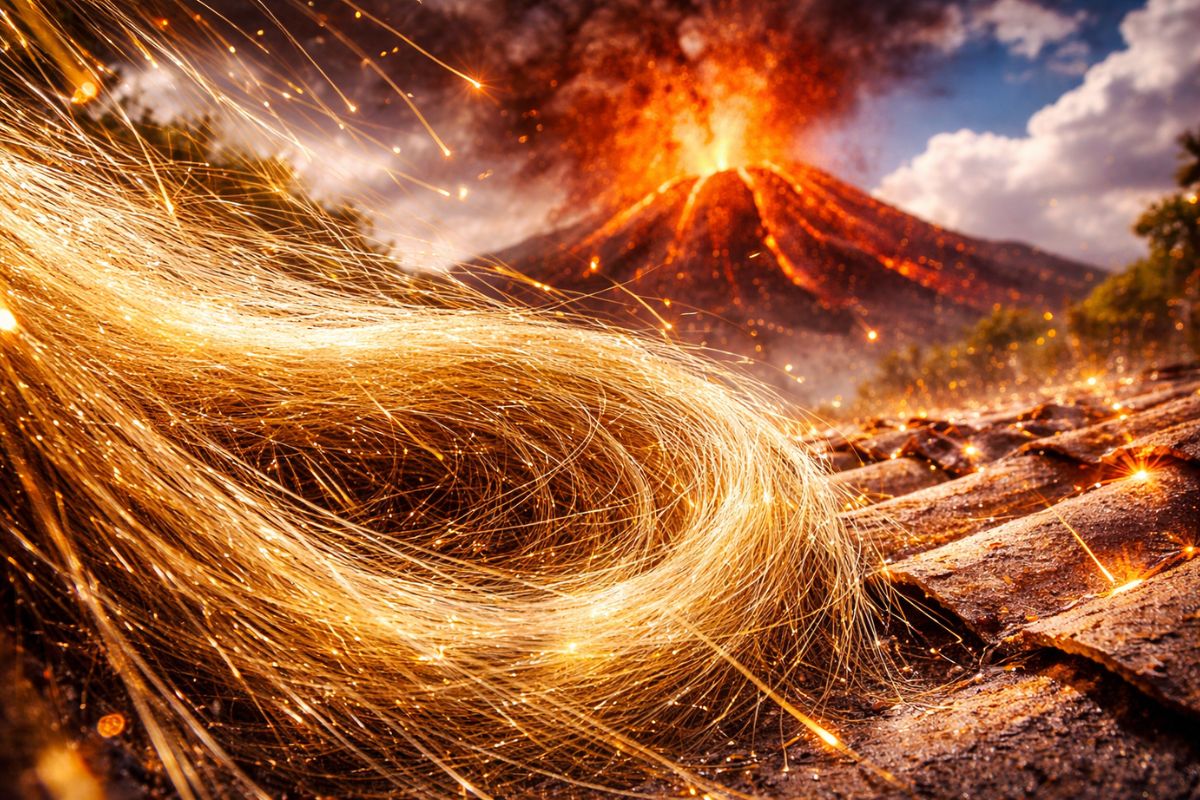
Volcanic lava transforms into threads as fine as human hair that travel over 30 kilometers by wind and fall like cutting rain on roofs and backyards in Hawaii and Iceland.

In 1951, The Region Was Drained To Become Agricultural Land. The Government Dug About 160 Km Of Channels, Diverted The Course Of The Jordan River, And Removed Water From The Lake.
The Initial Balance Was Treated As A Success: Mosquitoes Decreased, Malaria Disappeared, And The First Crops Emerged.
However, The “Success” Began To Collapse Quickly. The Soil Dried, Opened Up Deep Cracks, And The Peat Began To Spontaneously Ignite At Different Points. With The Water Table Lowered, Many Areas Lost Even The Minimum Moisture To Sustain Plants.
The Migratory Birds Lost Resting And Feeding Grounds, And The Cascading Effect Hit Fish, Frogs, And Species Linked To Wetlands.
Why Returning The Water Was Not Enough For The Valley To Recover
In The 1990s, Israel Began To Correct The Mistake: Building Dikes, Blocking Drainage Channels, And Gradually Returning Flow To Specific Areas. A Lake, Agamon, And A Control Channel System Were Created To Regulate Water Levels.
With The Soil Flooded Again, Oxygen Decreased, Microbial Activity Slowed Down, And The Sinking Process Nearly Stopped.
Still, Just Water Did Not Solve The Central Problem: The Decomposing Peat, The Risk Of Underground Fires, And The Explosion Of Dense Aquatic Vegetation, Such As Reeds, That Blocked Flow, Reduced Oxygen, And Deterred Birds.
The Decisive Question Became Logistics And Biology At The Same Time: Who Would Maintain A Wetland Ecosystem Functioning Day By Day? People Do Not Cut Reeds In Deep Mud Efficiently. Machines Do Not Keep Channels Open Without Causing Damage.
Why Buffaloes Worked Where Machines And People Failed
It Was At This Point That The Water Buffaloes Entered As “Engineers” Of The Ecosystem. They Are Not Native To Israel, And The Majority Of The Global Population Lives In Asia.
Even So, Their Bodies Are Shaped For Wet Environments: Robust, Able To Push And Turn Over Muddy Soil, With Wide Hooves That Distribute Weight And Help Prevent Them From Sinking.
In The Hula Valley, The Buffaloes Move In Herds And Create Natural Trails In The Mud. They Feed Continuously And Prefer Aquatic Plants That Are Difficult For Humans To Control.
There Are References To Studies Where A Single Adult Buffalo Can Consume More Than 25 Kg Of Vegetation Per Day, Especially In Areas Dominated By Reeds, And The Assessment That No Other Large Herbivore Processes As Much Reed Biomass In The Same Type Of Terrain.
The Key Point Is That These Animals Do The Heavy Lifting Without “Destroying” The Environment Like A Mechanical Operation Would. They Open Space While Keeping The Swamp’s Dynamics Alive.
Trails In The Mud, Clearings, And Reeds Under Control: The Mechanism Behind The “Miracle”
With The Return Of Water, Reeds And Other Marsh Plants Grew Quickly, Forming Green Walls. When The Buffaloes Began To Feed And Circulate, Their Footprints Became Trails.
These Trails Opened Clearings And Corridors In The Dense Vegetation, Allowing Light To Reach The Water And Helping To Reestablish The Base Of The System.
The Effect Is Physical And Continuous: Each Step Slightly Turns Over The Mud, Helps The Soil Retain Moisture, And Reduces Compaction, In A Process Described As Soil Respiration. By Creating Small Puddles During Movement, The Buffaloes Also Form Microenvironments That Favor The Reproduction Of Aquatic Species.
This Repeated Action Has Another Critical Role In The Hula Valley: To Keep The Peat Moist. When The Peat Dries, It Can Burn Slowly Underground And Release Toxic Gases, In Addition To Creating Carbon And Peat Dust, Which Is Harmful To Health.
The Constant Movement Of The Buffaloes Helps Prevent The Peat From Drying Out And Igniting, And Where They Lie Down, The Soil Retains Moisture, Creating A Natural Barrier Against Fires.
The Response Of Life: Birds, Reactivated Ponds, And Species That Returned From “Extinction”
The Ecological Impact Appears In Attention-Grabbing Indicators. The Israel Parks And Nature Authority Records More Than 400 Bird Species In The Area And The Annual Passage Of More Than 1 Billion Migratory Individuals Through The Region.
There Was Also A Change In Flamingo Behavior: Before 2025 They Made Quick Stops, But In More Recent Summers, More Than 100 Individuals Began To Stay Year-Round, Suggesting More Stable Water And Food.
A Strong Symbol Of Recovery Is The Hula Frog With Spotted Patterns, Considered Extinct For Over 50 Years And Found Again.
Recent Surveys Identified About 230 Adult Individuals Distributed Across 22 Ponds, A Sign That The Ecosystem Has Returned To Sustain Life Consistently.
In Vegetation, The Recovery Has Also Been Treated As Measurable: Eight Native Species Were Reintroduced, The Area Now Houses 340 Species Of Wild Plants, Including 57 Rare And Eight Endangered.
And, At The Point That Most Relates To The Role Of The Buffaloes, Field Observations Indicated That Areas With Activity From These Animals Showed Waterfowl Densities Up To Three Times Higher Than Areas Without Them.
Local Conflicts And The Reason Why The Buffaloes Did Not Become An Invasive Plague
Any Release Of A Species Outside Its Native Location Raises Fears Of Disaster, And Classic Examples Of Invasions Exist.
In The Hula Valley, The Difference Highlighted Is One Of Control And Ecological Fit: The Buffaloes Do Not Compete Directly With Key Native Species, Do Not Spread Beyond The Controlled Area, And Do Not Significantly Harm Commercial Agriculture.
With The Ecosystem More Stable In The Early 2000s, The Herd Reached About 60 To 80 Individuals. Today, The Reserve Management Works With A Variation Between 120 And 150 Buffaloes.
With More Animals, There Was An Approach To Agricultural Margins, Trampling On Edges, And Damage To Fragile Fences.
Still, The Data Cites Absence Of Relevant Damage To Commercial Crops, As Their Diet Is Almost Entirely Based On Reeds And Aquatic Plants Without Economic Value To Farmers.
The Management Responses Were Described As Simple And Effective: Ecological Fences, Water Channels, Herding Dogs, And Regular Patrols By Park Rangers Were Sufficient To Keep The Buffaloes In Wetlands And Away From Populated Areas.
What This Story Teaches About Nature-Based Restoration
The Case Of The Hula Valley Is An Uncomfortable Yet Useful Synthesis: Human Intervention Can Collapse An Ecosystem In A Few Years, But Recovery May Depend Less On “Perfect Machines” And More On Living Processes Repeated Every Day.
The Role Of The Buffaloes Was Not “Decorative.” They Acted As A Mobile Management System: Opening Trails, Controlling Reeds, Maintaining Moisture, Creating Puddles, Favoring Vegetation Corridors, And Sustaining The Return Of Birds And Aquatic Species.
If You Saw A Valley In Environmental Collapse, Would You Bet On Buffaloes As A Restoration Tool, Or Would You Find It Too Risky To Release A Large Non-Native Herbivore, Even Under Control?







Israel como sempre inovando, é incrível como o povo judeu encontra soluções inteligentes para aproveitar a sua terra mesmo sem tantos recursos naturais.
Maravilha!
Agora basta devolver a terra que roubaram dos palestinos, interromper o ****, indenizar as suas vítimas e cumprir as outras penas.
O Google me censurou. Recomendo a leitura do Relatório de Francesca Albanese sobre o que ocorre elna Palestina.
Você é um **** para da opinião….
Apostaria em búfalos, intuitivo ani.mal funcionaria quem sabe .melhor que o instito hhu.ano?