





 Portuguese
  English
  Spanish
  4 min of reading
  0 comments


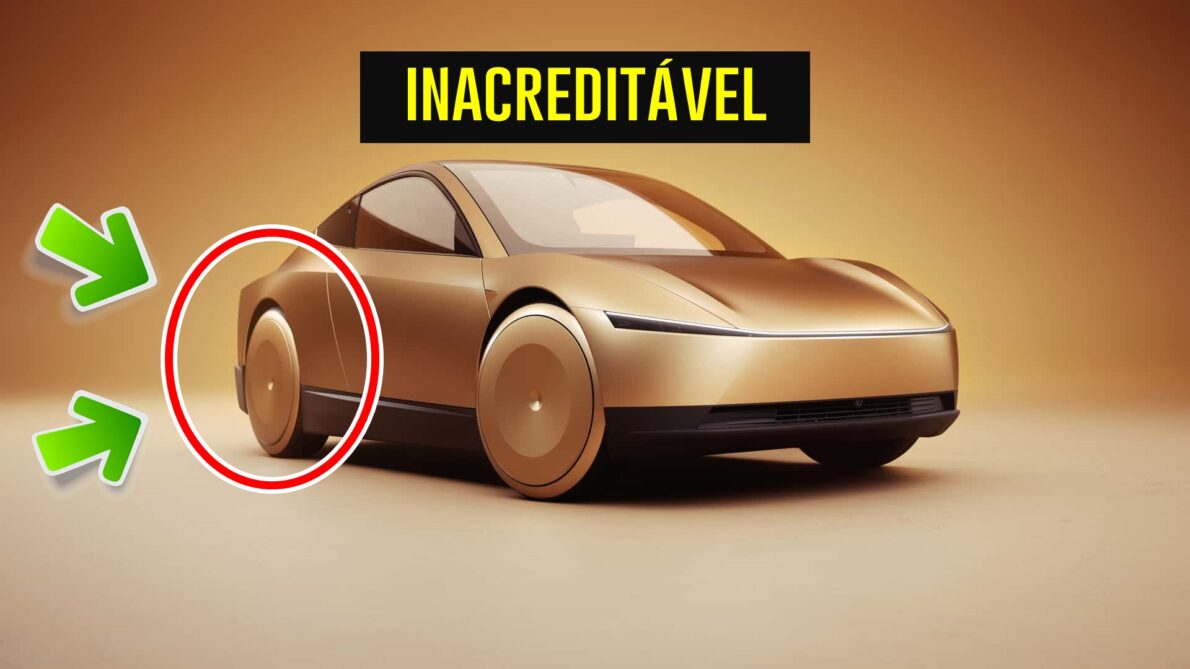
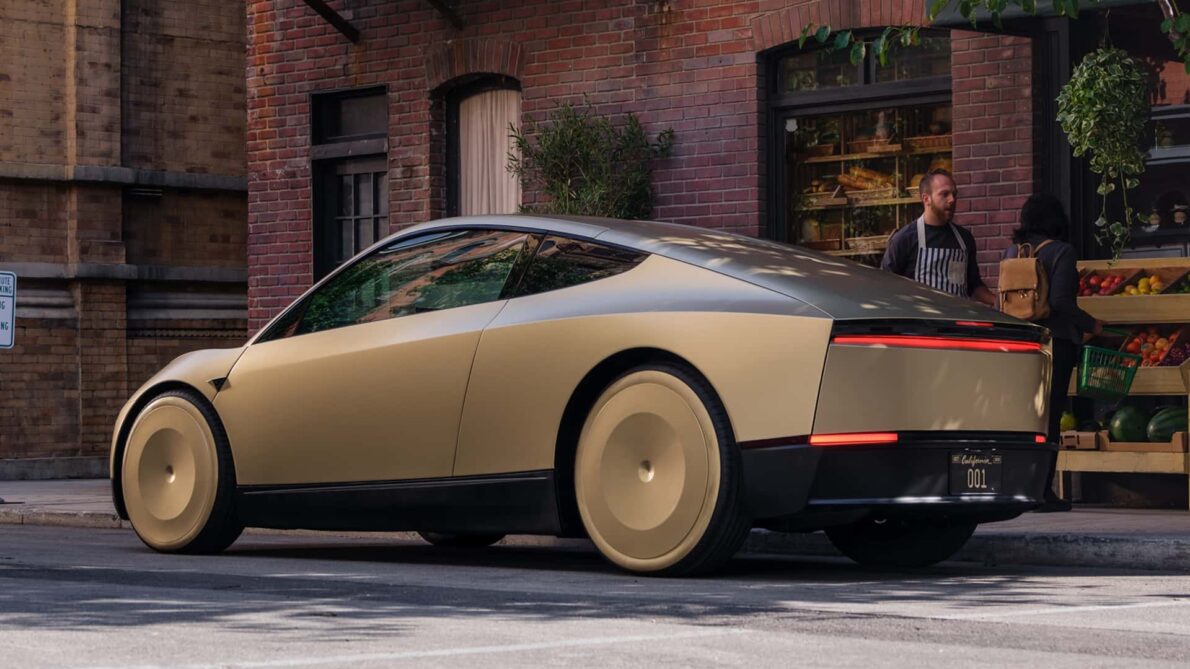
On the night of last Thursday, the 10th, during Tesla’s “We, Robot” event, CEO Elon Musk revealed an initial prototype of what he called the “Cybercab”, a futuristic vehicle that promises to transform the way we view transportation.
Although the car is years away from production, Musk stated that the price will be US$ 30,000 (R$ 170,000), and that the vehicle could generate income for its owners, similar to Airbnb’s business model. However, due to Musk’s history of unfulfilled promises, many observers, including investors, are skeptical about these claims.
Wireless Charging
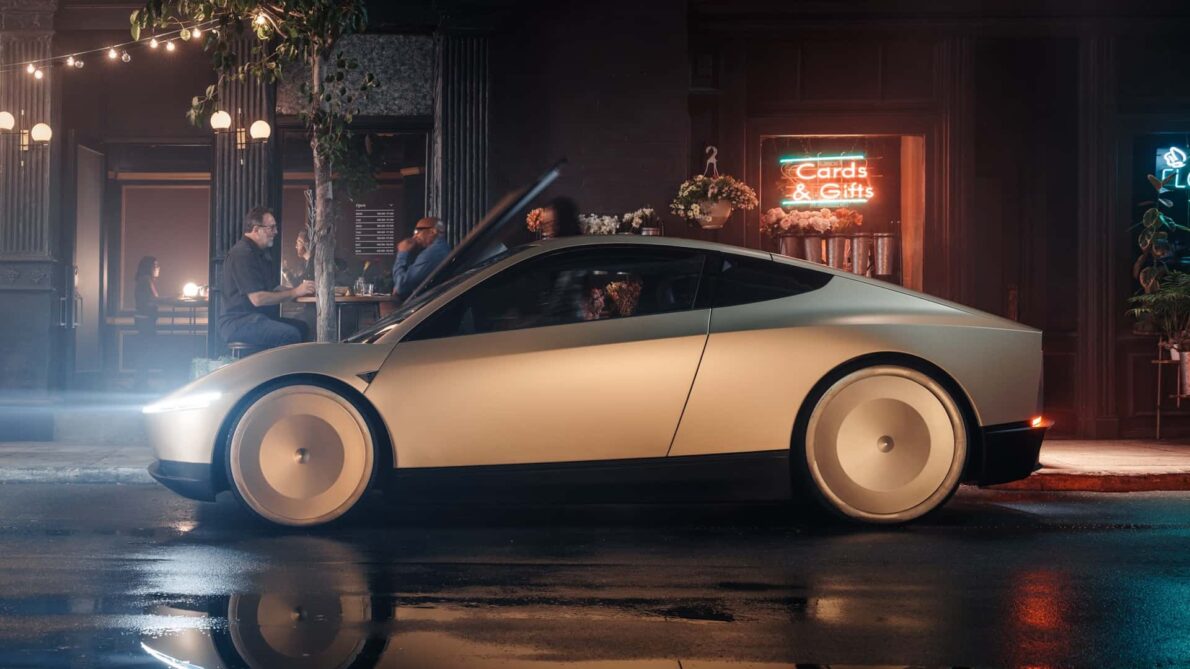
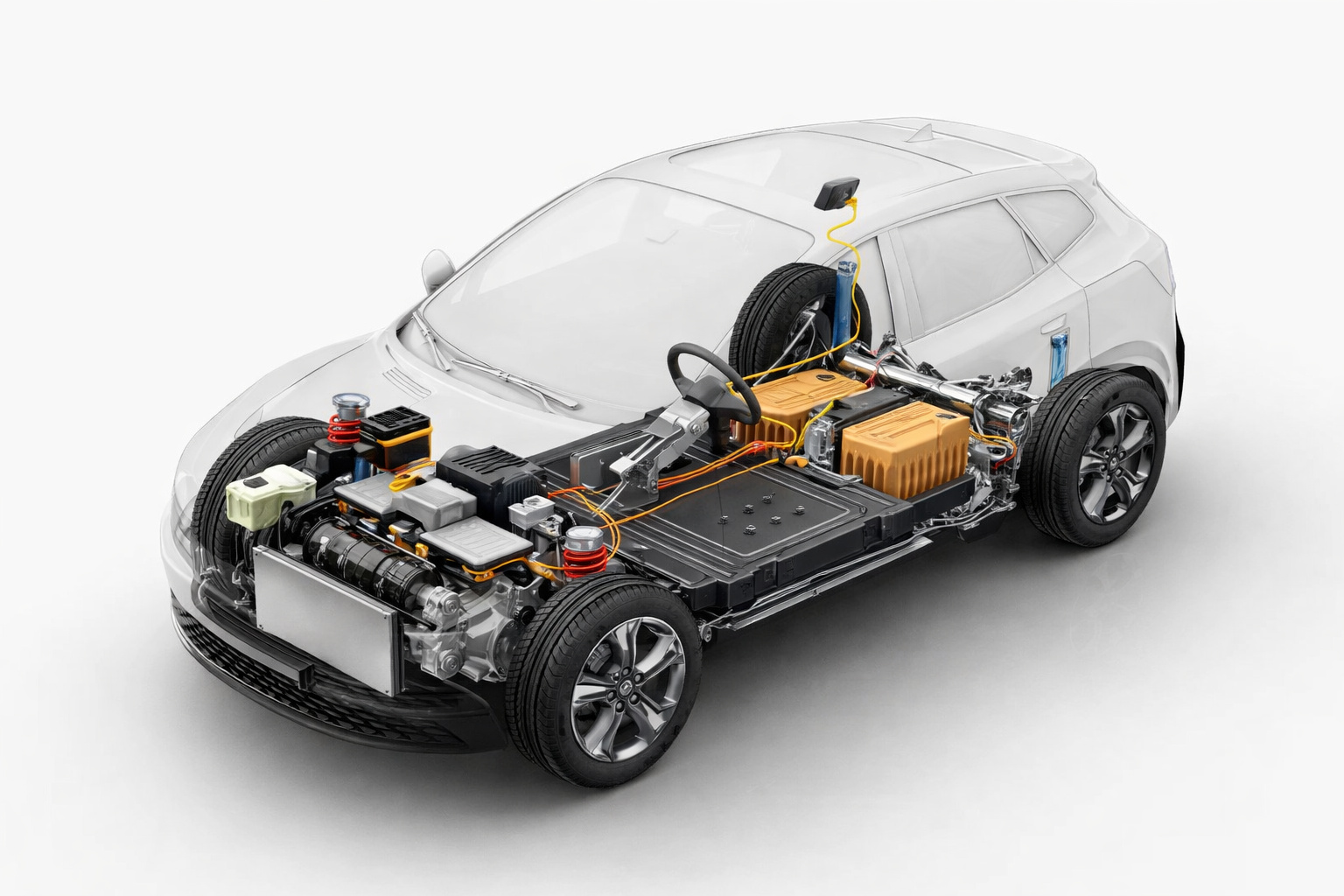
Among the various promises, one feature caught attention: the “Cybercab” will not have a charging plug, being powered by wireless charging coils installed on the roads.
-
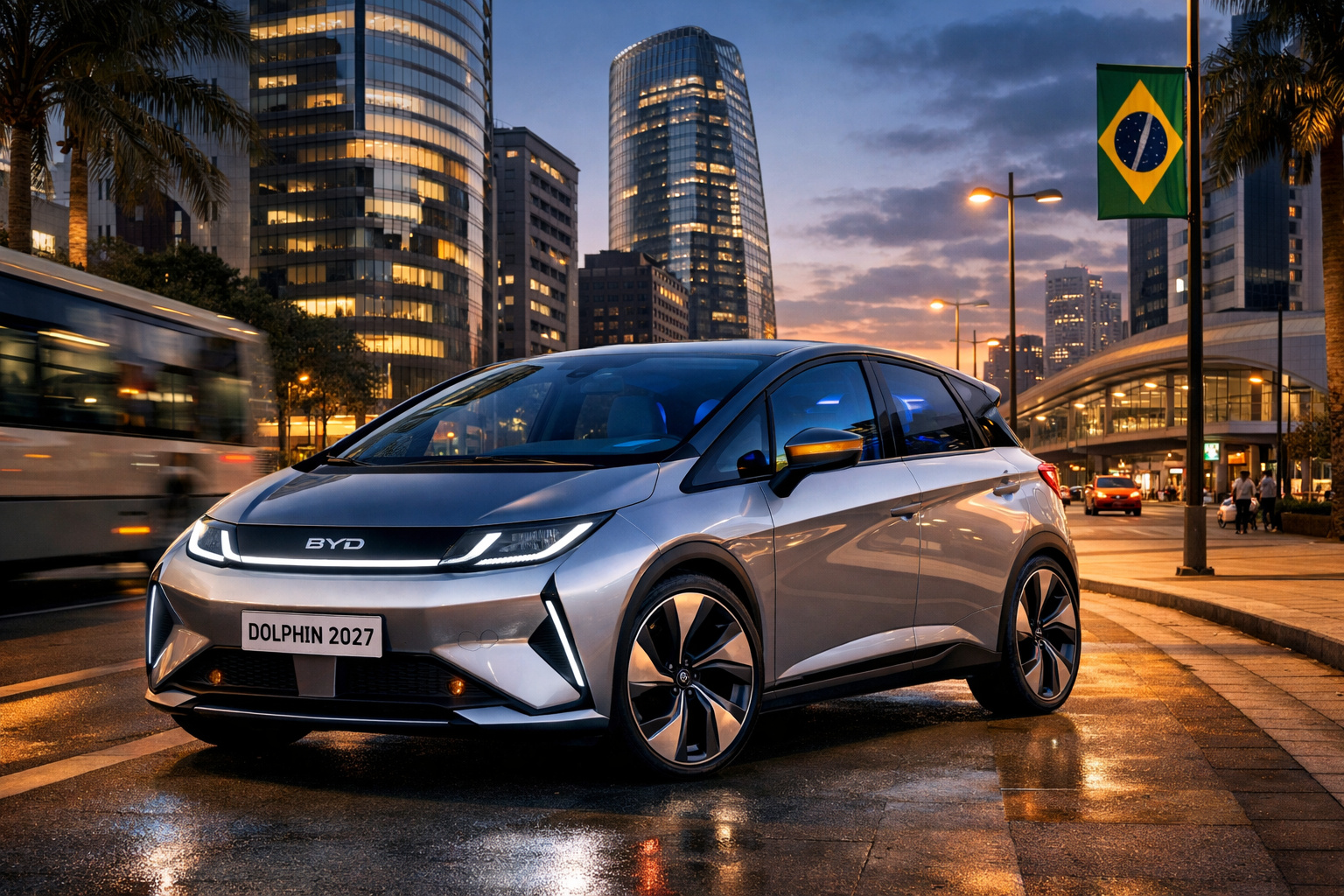
BYD Dolphin 2027 gains more power, increases in size, changes interior, and abandons controversial feature to face new competition in Brazil.
-
The German economist Wolf-Peter Schill has no doubts: “Electric cars are already far superior to cars with internal combustion engines.”

-
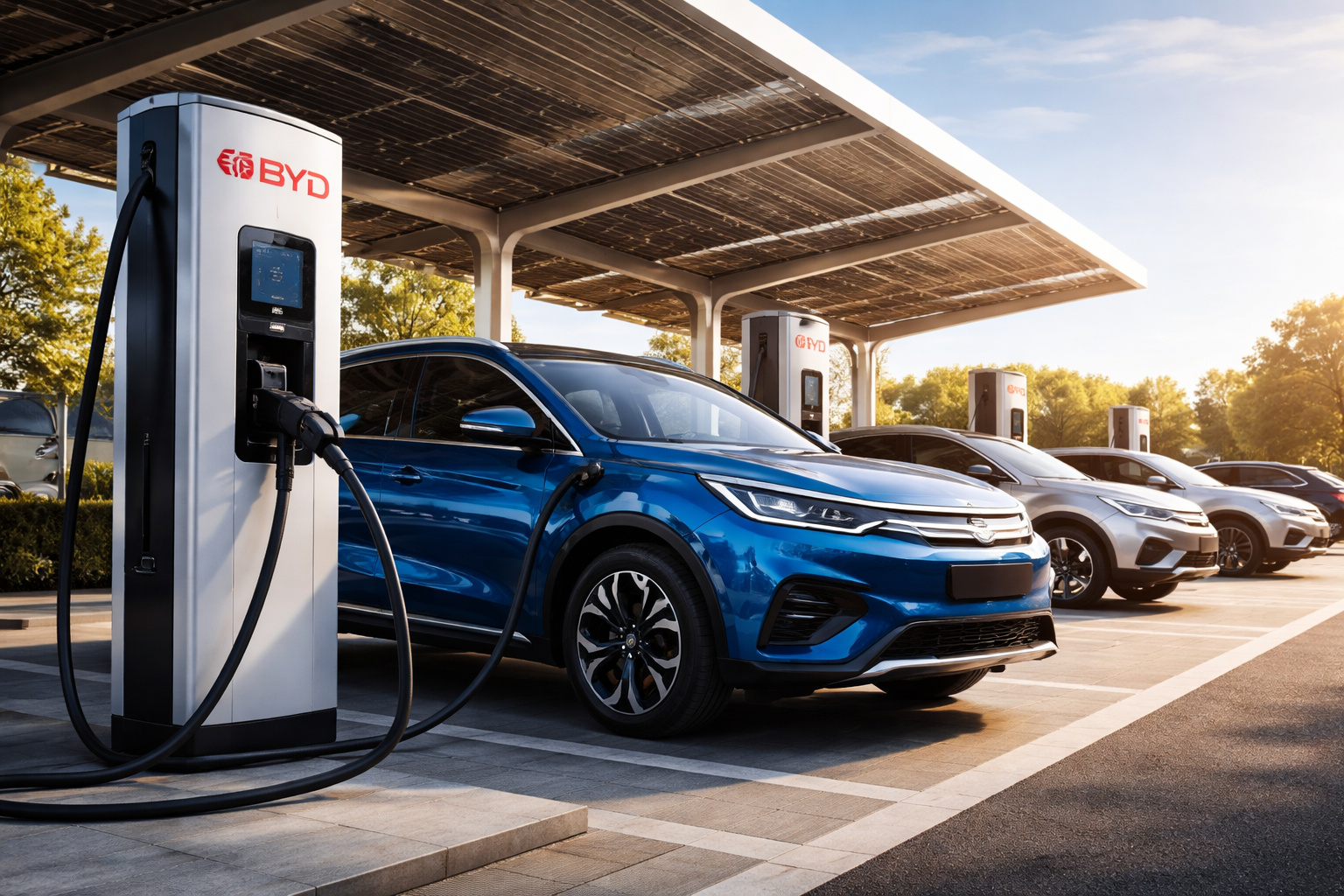
Largest public charging network in Brazil: BYD reaches 125 fast chargers and accelerates national expansion of electric mobility.
-
Goodbye expensive popular car: electric vehicle for less than R$ 70,000 starts being sold in Brazil with a range of 200 km and targets those looking to escape gasoline.

If successful, this innovation would represent a significant advance over conventional vehicles and raise further questions about when this technology will actually be available to the public.
During the event, Musk gave few details on how the car would charge wirelessly or about the charging speed, but he mentioned that Tesla is working on inductive charging technology. “This is something we should have done a long time ago. The robotaxi won’t have a plug. It just positions itself over the inductive charger and charges”, Musk explained.
Despite the futuristic idea, roads with charging coils still seem a distant concept from reality, although there are already experimental projects underway in some areas.
The most likely scenario is that Tesla opts to install wireless chargers at specific points along the roads, rather than covering entire kilometers with this technology.
An Uncertain Future for the Cybercab
While the wireless charging technology is in development, there are still significant challenges to overcome. Recently, the Oak Ridge National Laboratory of the U.S. Department of Energy managed to charge a Porsche Taycan at a rate of 270 kilowatts.
However, wireless charging is still relatively slow, and an efficient public solution may take years to materialize.
In addition to technological challenges, Tesla will also have to overcome regulatory issues. The “Cybercab” will be an autonomous vehicle, with no steering wheel or pedals, raising concerns about its operation on public roads and approval from regulatory bodies.
Elon Musk’s Promises
Elon Musk has spent years promoting Tesla’s advancement in autonomous cars, but bold promises have not always materialized. In 2015, he claimed that Tesla vehicles would achieve “full autonomy” in three years. That did not happen.
In 2016, Elon Musk promised a coast-to-coast drive in a Tesla car without human intervention by the end of 2017, but once again, the forecast failed.
In 2019, Musk stated that Tesla would have 1 million vehicles ready for robotaxi by 2020, generating income for their owners.
However, to this day, that promise has also not come to fruition. Still, in April of this year, Elon Musk reiterated his confidence in the company’s autonomous future, stating that autonomy is the way forward for Tesla.
At yesterday’s event, Musk tried to provide a glimpse of that future by inviting attendees to test autonomous vehicles in a controlled environment within movie studios. But the big question remains: will the “Cybercab” see the light of day, or will it be just another unfulfilled promise in Elon Musk’s long list of futuristic predictions?
While the idea of an autonomous, wireless charging “Cybercab” is intriguing, there are still many technological and regulatory hurdles that Tesla will need to face. Given the long list of unmet deadlines and inflated promises from Elon Musk, it’s understandable that both the public and investors are cautious.
Uber Stocks Soar in the U.S.
Uber stocks are rising following the revelation that Tesla’s feared robotaxi, announced by Elon Musk, appeared to be less threatening than expected for the ride-hailing giant. Speculation around Musk’s plan, which had unsettled investors regarding Uber’s future for months, was dispelled on Thursday night during Tesla’s “We, Robot” event.
At the time, Musk unveiled the new CyberCab, in addition to promising that fully autonomous driving would be available for testing in 2024 in Texas and California. However, what was concerning investors was the possibility of a competitive autonomous transport service from Tesla, something Musk did not elaborate on during the event. The lack of concrete information led analysts to consider the robotaxi as “toothless” and incapable of posing an immediate threat to Uber.
Meanwhile, Uber is strengthening its partnerships with leading companies in the development of autonomous vehicles, such as Waymo from Google, Cruise from GM, and Avride. The company’s strategy includes using its app as an open platform for autonomous vehicle developers to test their technologies and find market demand.
The recovery in Uber’s stocks reflects investors’ confidence in the company’s ability to continue dominating the market, even in the face of potential competition from Tesla. This strategic alliance with major players in the autonomous sector allows Uber to position itself as a facilitator of the future of transportation, offering alternatives to consumers and partners.









-

Uma pessoa reagiu a isso.